
Snowboard Bindings · FAQ
Questions about Telemark Bindings
Straight answers on fit, specs, and when this type makes sense — each topic has its own page with links back to the buying guide.
Open Telemark Bindings guide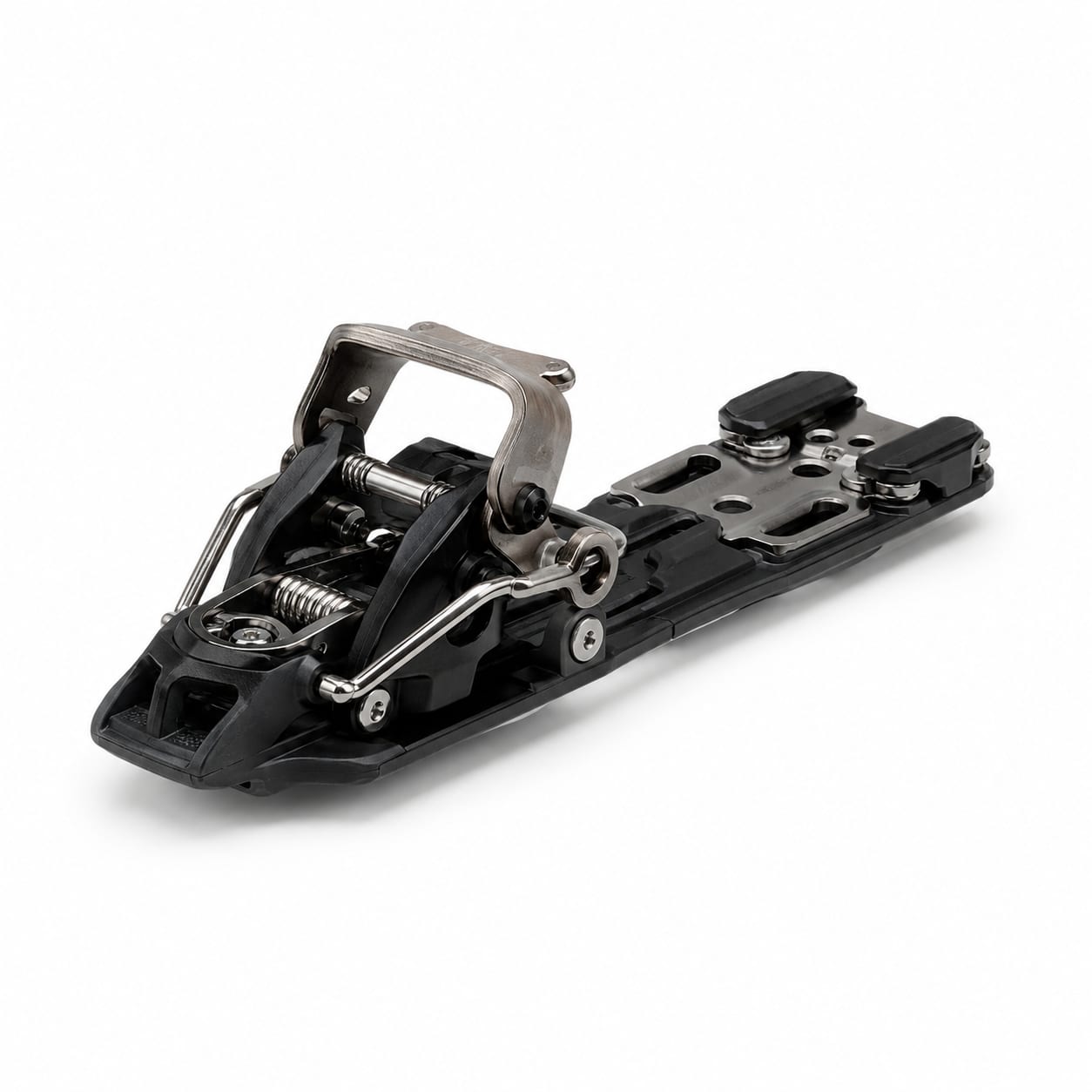
6 topics
Pick a question
Every answer links to the full subcategory guide and related gear types when it helps you decide.
Should I choose 75mm or NTN telemark bindings?
Choose NTN if you primarily ski inbounds and want the best performance, lateral stability, and integrated release. NTN provides superior edge control and safety for aggressive resort skiing. Choose 75mm if you prioritize touring efficiency and weight savings, prefer a simpler mechanical design, or already own 75mm boots. 75mm bindings are lighter, often cheaper, and have a broader selection of touring-oriented models. If you split time between resort and backcountry, NTN with touring features or a modern 75mm performance binding like the 22 Designs Outlaw are both viable choices.
Read answer →02Can I use telemark bindings with regular alpine ski boots?
No. Telemark bindings require telemark-specific boots. 75mm bindings require boots with a duckbill toe protrusion; NTN bindings require boots with NTN-compatible toe and heel interfaces. Alpine boots lack these features and cannot be used with telemark bindings. Telemark boots also have a different flex pattern designed for the free-heel turn, with more bellows flexibility at the ball of the foot.
Read answer →03Do telemark bindings have release capability for safety?
NTN bindings feature integrated lateral release mechanisms similar to alpine bindings, providing improved safety in falls. 75mm bindings generally do not have lateral release—the toe piece clamps the duckbill but allows the boot to twist under sufficient force, which is not a controlled release. Some 75mm bindings have limited release characteristics, but none match the reliable, standardized release of NTN or alpine bindings. If safety release is a priority, NTN is the clear choice.
Read answer →04How do I choose the right spring stiffness?
Start with the spring stiffness recommended for your weight and ability level by the manufacturer. Lighter riders and beginners generally need softer springs; heavier and more aggressive skiers need stiffer springs. If you find yourself fighting the binding to initiate turns or experiencing excessive fatigue in your quads, try softer springs. If you feel unstable at speed or lack edge hold on hard snow, try stiffer springs. Many bindings offer interchangeable springs, so you can experiment. It's better to start soft and progress to stiff than the reverse.
Read answer →05Can I use telemark bindings for backcountry touring?
Yes, many telemark bindings are excellent for backcountry touring. The free-heel design naturally accommodates a touring stride, and many models include dedicated heel risers for steep ascents and walk modes that reduce spring tension. 75mm touring bindings like the Voile Switchback or Hardwire are popular for their light weight and reliability. NTN touring bindings like the Rottefella NTN Freedom offer touring features with better downhill performance. Telemark touring setups are competitive with AT setups for uphill efficiency and offer the unique telemark experience on descents.
Read answer →06How long do telemark binding cables last?
Cable lifespan varies widely based on usage, conditions, and maintenance. Typical cable life ranges from 30-100+ days of skiing. Cables exposed to wet conditions, salt, or that are not cleaned and dried after use will wear faster. Inspect cables before each ski day for fraying, kinking, or stretch. Replace cables proactively at the start of each season if you ski 30+ days per year, or whenever you notice significant wear. Always carry a spare cable on multi-day backcountry tours.
Read answer →