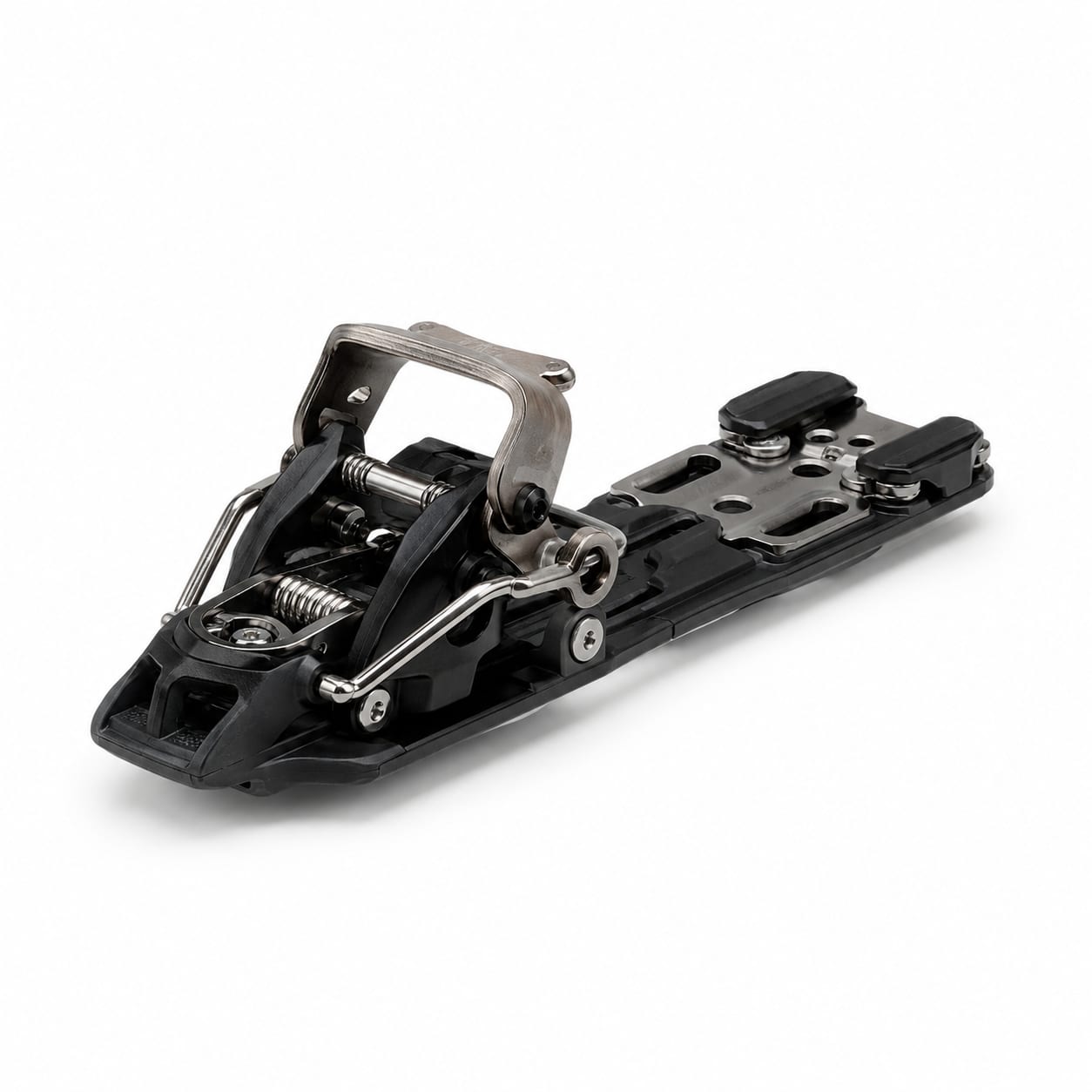
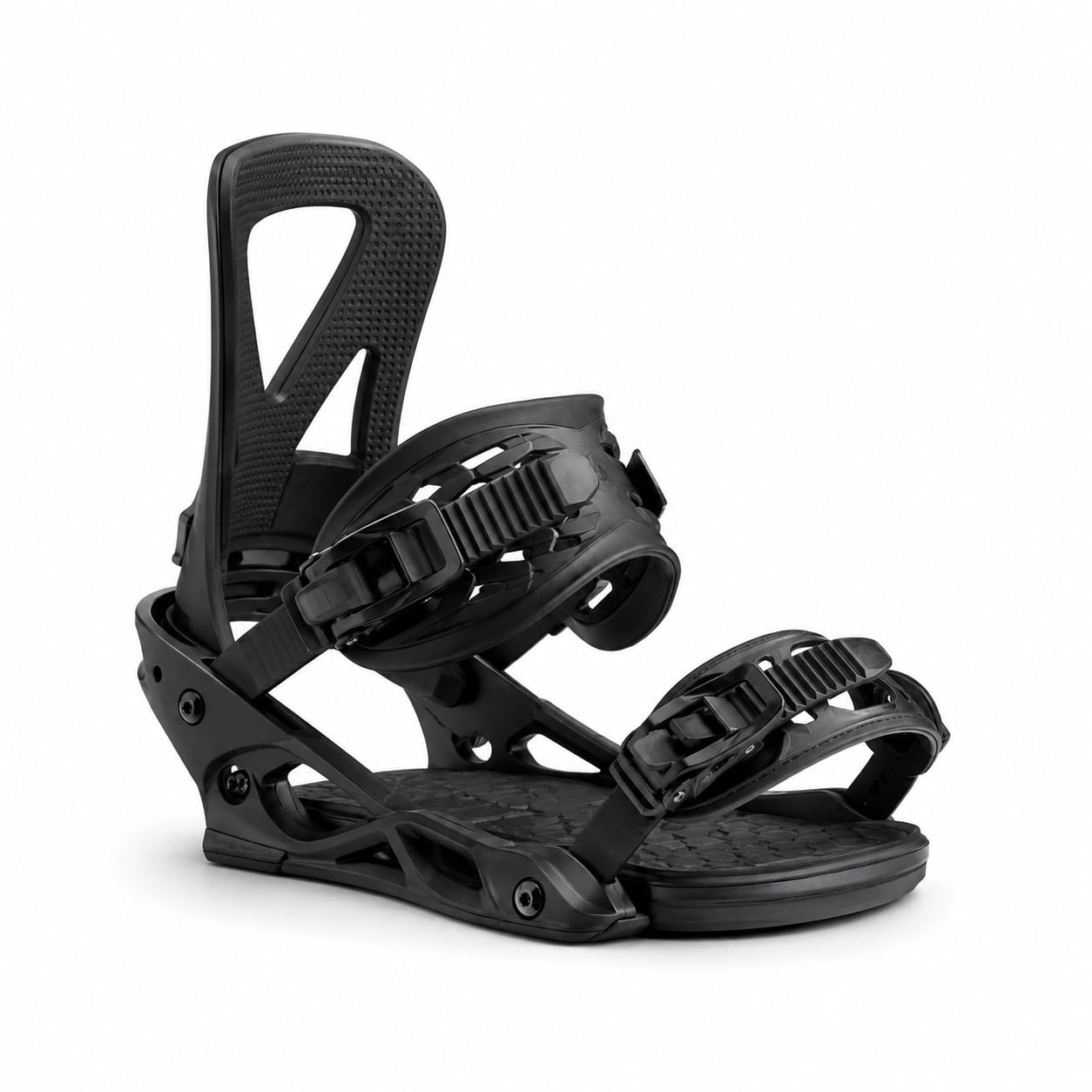
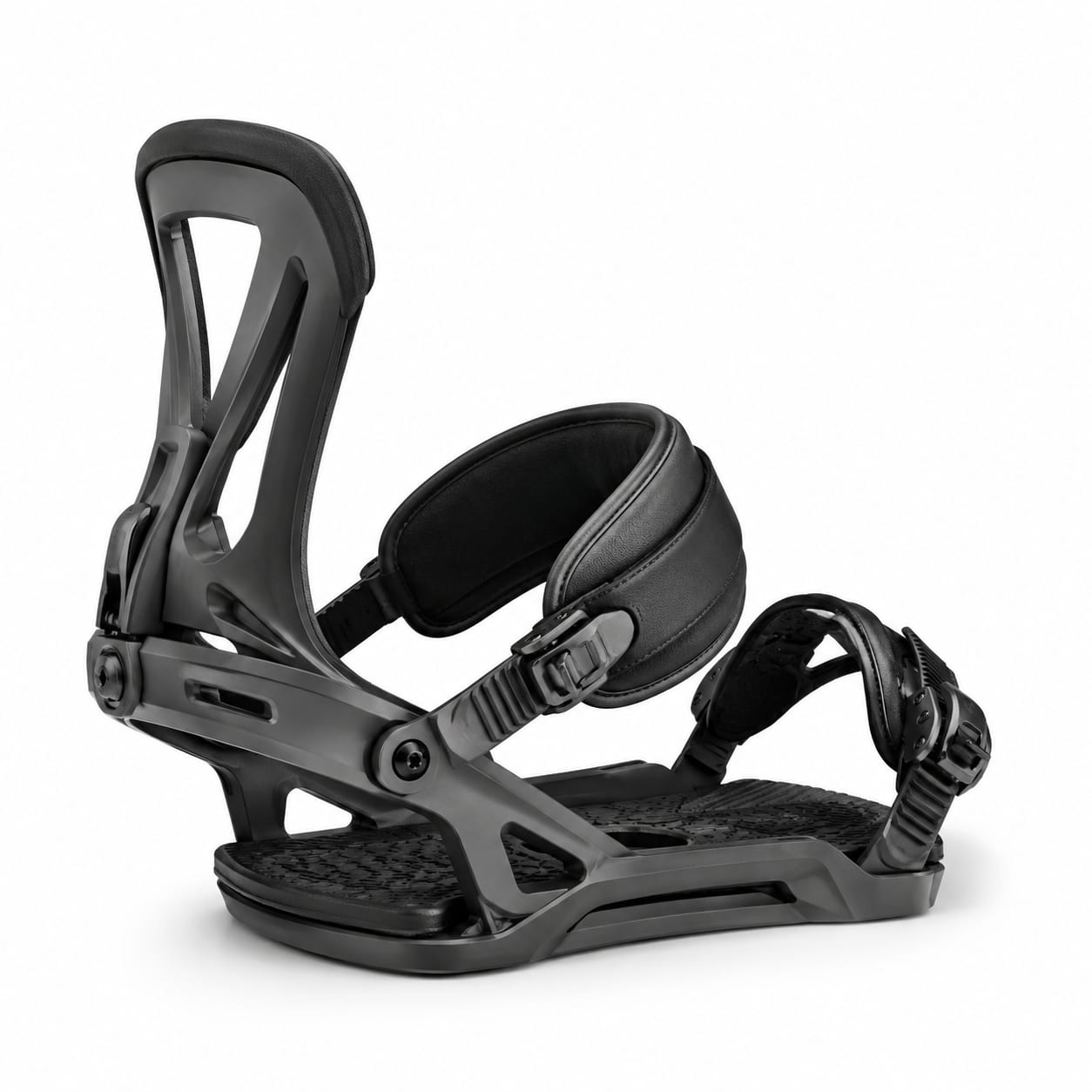
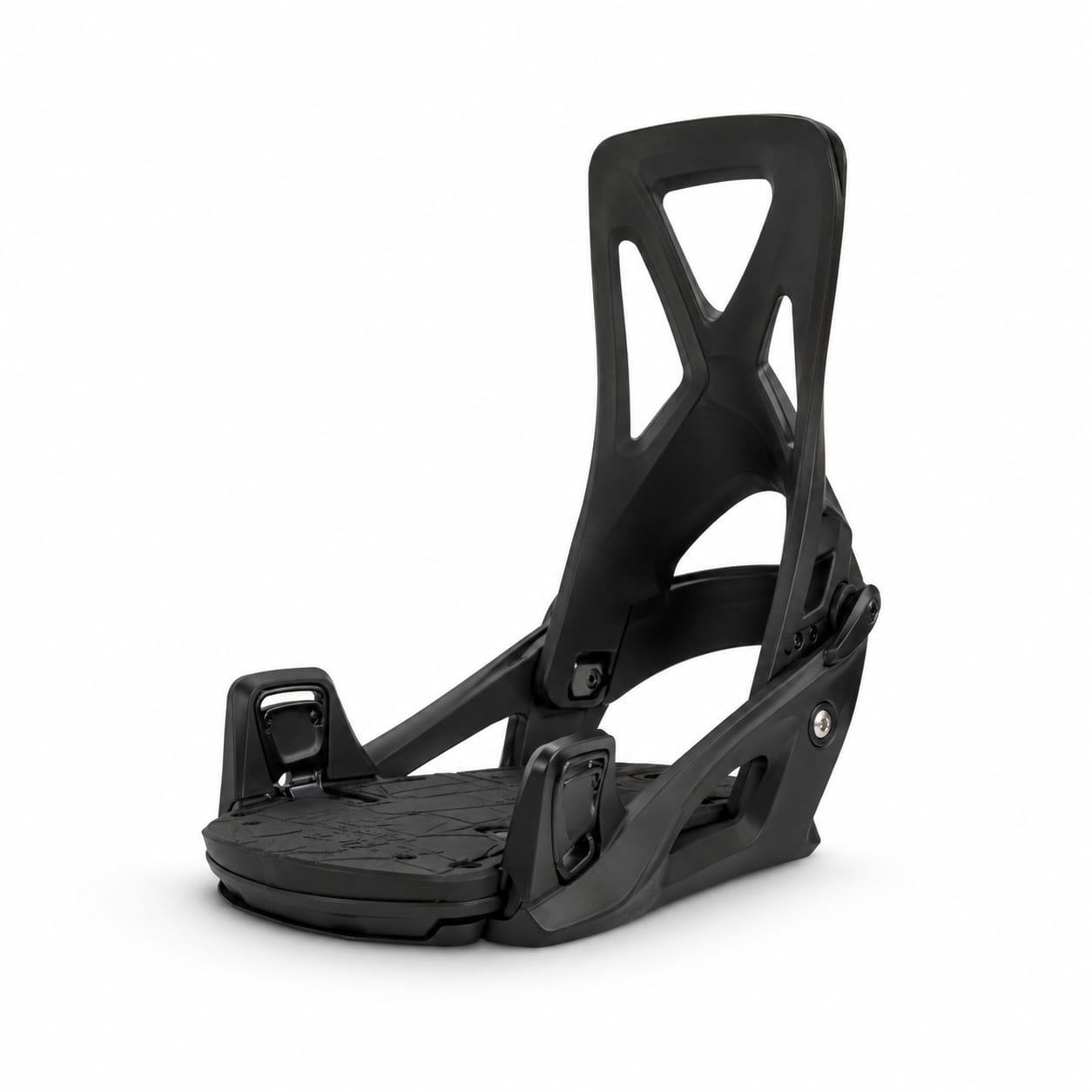
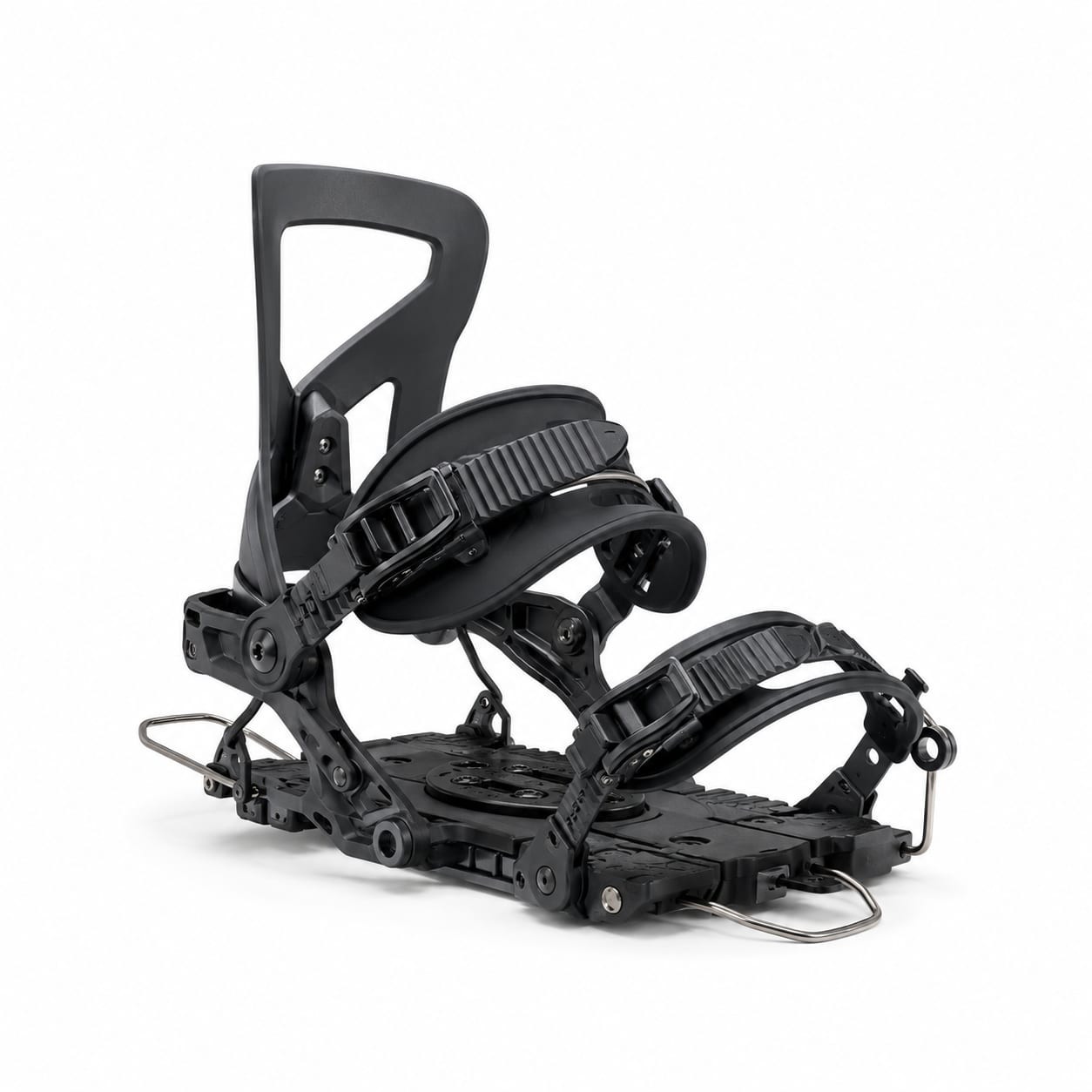
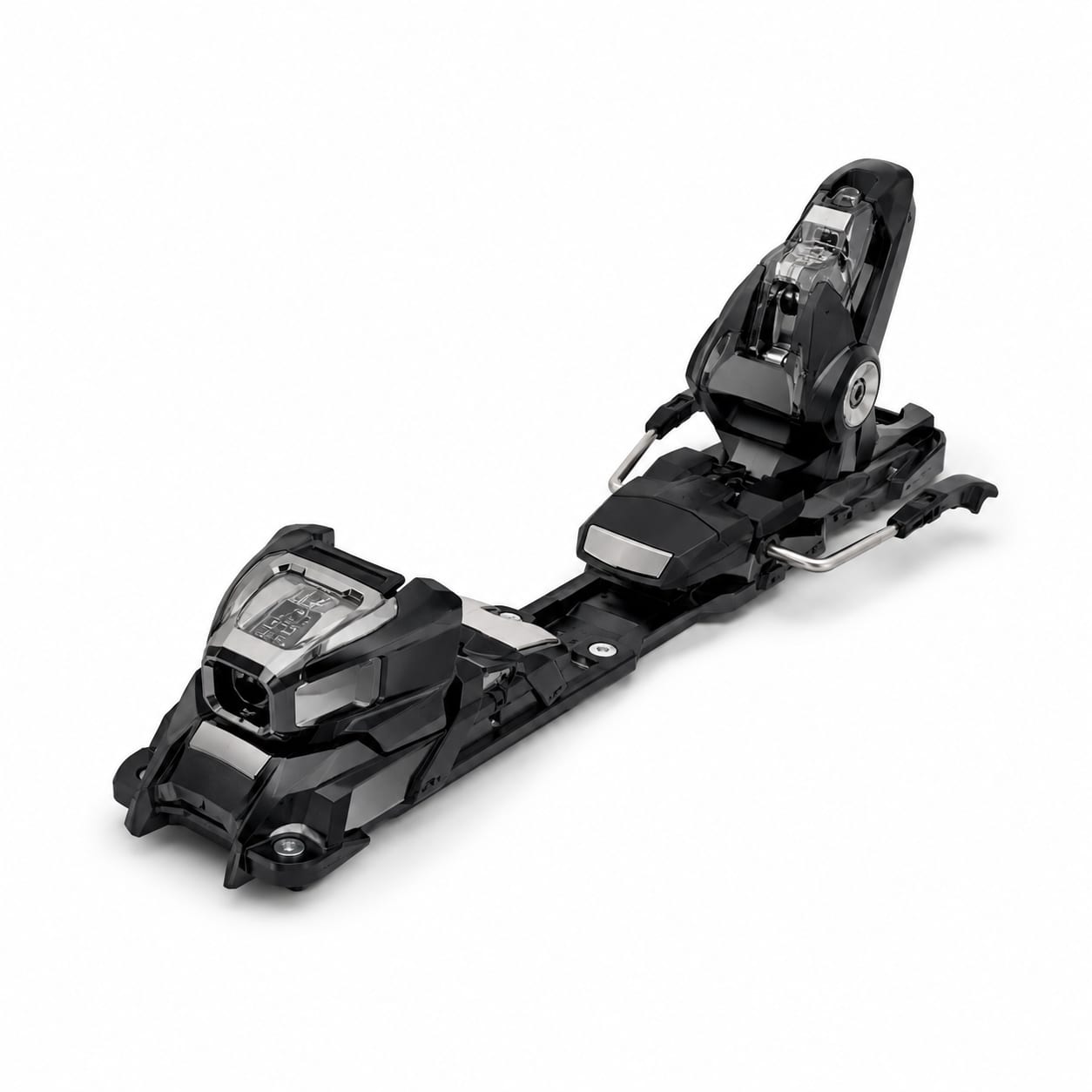
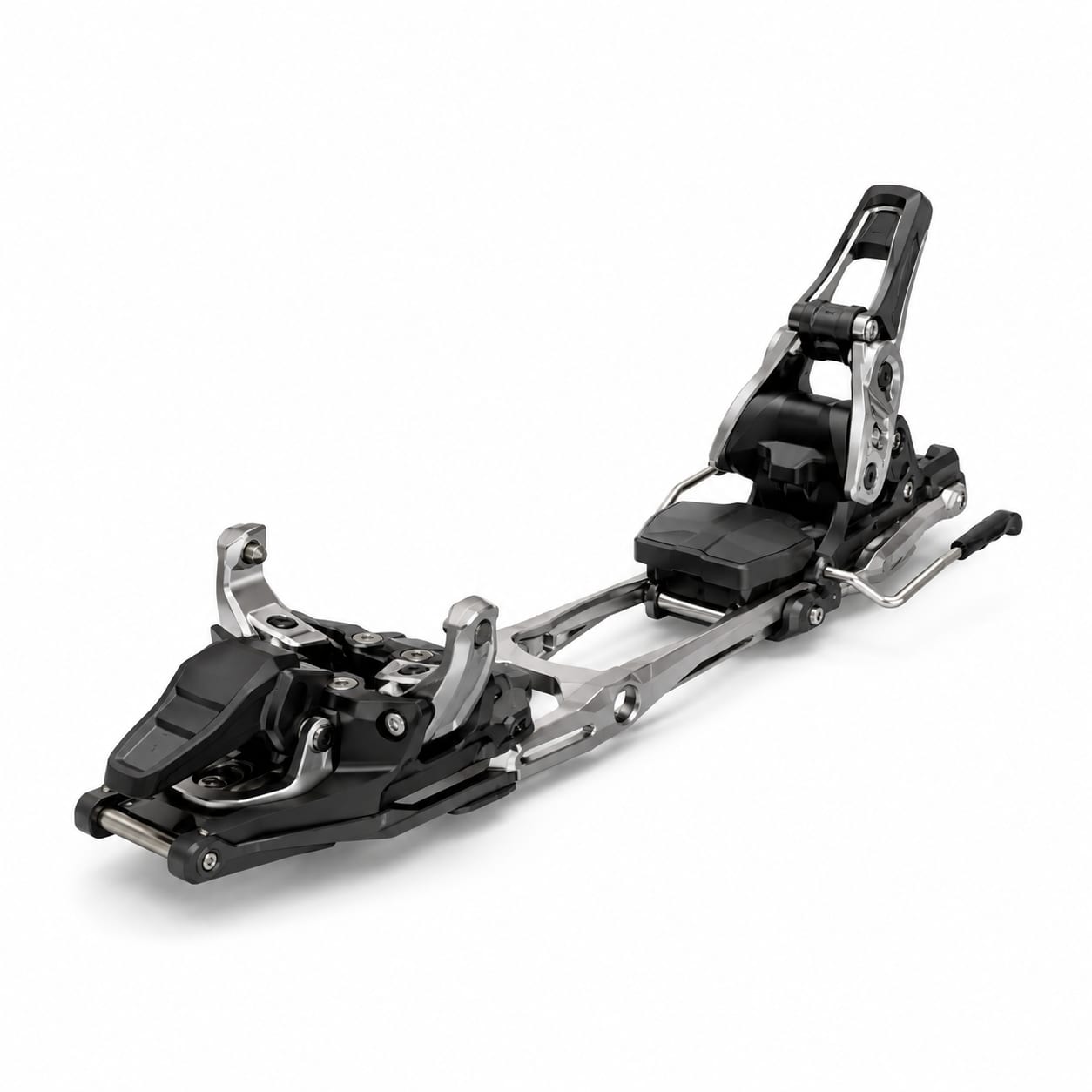
Telemark bindings are specialized bindings that secure only the toe of the boot to the ski, leaving the heel free to lift during turns. This design enables the telemark turn—a graceful, lunging turn where the rear heel lifts and the skier drops one knee. The binding uses a cable or spring system that wraps around the heel of the boot, providing resistance and return force while allowing the up-and-down motion essential to telemark technique. Modern telemark bindings fall into two primary standards: the traditional 75mm duckbill (also called Nordic Norm) and the newer NTN (New Telemark Norm) system, each requiring compatible boots. Within these standards, bindings range from lightweight, simple designs for resort telemarking to full-featured touring models with heel lifters, walk modes, and release capabilities.
Telemark bindings represent one of the most distinctive equipment categories in skiing, defined by their free-heel architecture that sets telemark skiing apart from all other disciplines. Unlike alpine bindings that lock the heel down, telemark bindings secure only the toe, allowing the heel to rise during the signature telemark turn where the skier lunges forward with one knee dropped. This design philosophy traces back to Norwegian skiing traditions but has evolved significantly with modern materials and engineering.
The two dominant standards in telemark bindings—75mm and NTN—define the boot-binding interface and significantly affect performance. The 75mm standard, also called Nordic Norm or duckbill, uses a toe piece that clamps onto a rounded duckbill protrusion at the front of the boot, with cables wrapping around the heel. This system is lighter, simpler, and has decades of proven reliability, but lacks lateral release and can allow the boot to torque under the toe piece during aggressive skiing. The NTN system, developed primarily by Rottefella, uses a broader, more secure toe interface with side-mounted rails that provide superior lateral stability, integrated release functionality, and more direct power transfer to the ski edges. NTN has become the preferred choice for aggressive resort telemarkers, while 75mm remains popular among touring-focused skiers and traditionalists.
Spring resistance is a critical performance parameter in telemark bindings. The springs or cartridges that provide heel return force determine how much resistance you feel when lifting your heel and how aggressively the binding pulls your heel back down. Softer springs make turn initiation easier and reduce fatigue, ideal for beginners and long touring days. Stiffer springs provide more responsive edge control and power transfer, favored by aggressive resort telemarkers who want alpine-like responsiveness. Many bindings offer interchangeable springs or adjustable tension, allowing riders to tune the feel. The choice of spring stiffness should match your skiing style, skill level, and typical terrain—there is no universally correct setting.
For backcountry telemark skiers, touring features are essential. Many telemark bindings include heel lifters (also called climbing bars or risers) that elevate the heel during ascents, reducing calf strain on steep skin tracks. Walk modes may disconnect or reduce spring tension for more natural stride mechanics while touring. Some bindings, like the Rottefella Freedom and 22 Designs Outlaw, integrate these features seamlessly, allowing quick transitions between walk and ski modes. Weight becomes a significant consideration for touring, with some 75mm touring bindings weighing under 600g per pair compared to 1,200g+ for full-featured NTN resort bindings. Understanding whether you primarily ski inbounds, in the backcountry, or split your time between both is the most important factor in choosing the right telemark binding.