
Snowboard · FAQ
Questions about All-Mountain Snowboard
Straight answers on fit, specs, and when this type makes sense — each topic has its own page with links back to the buying guide.
Open All-Mountain Snowboard guide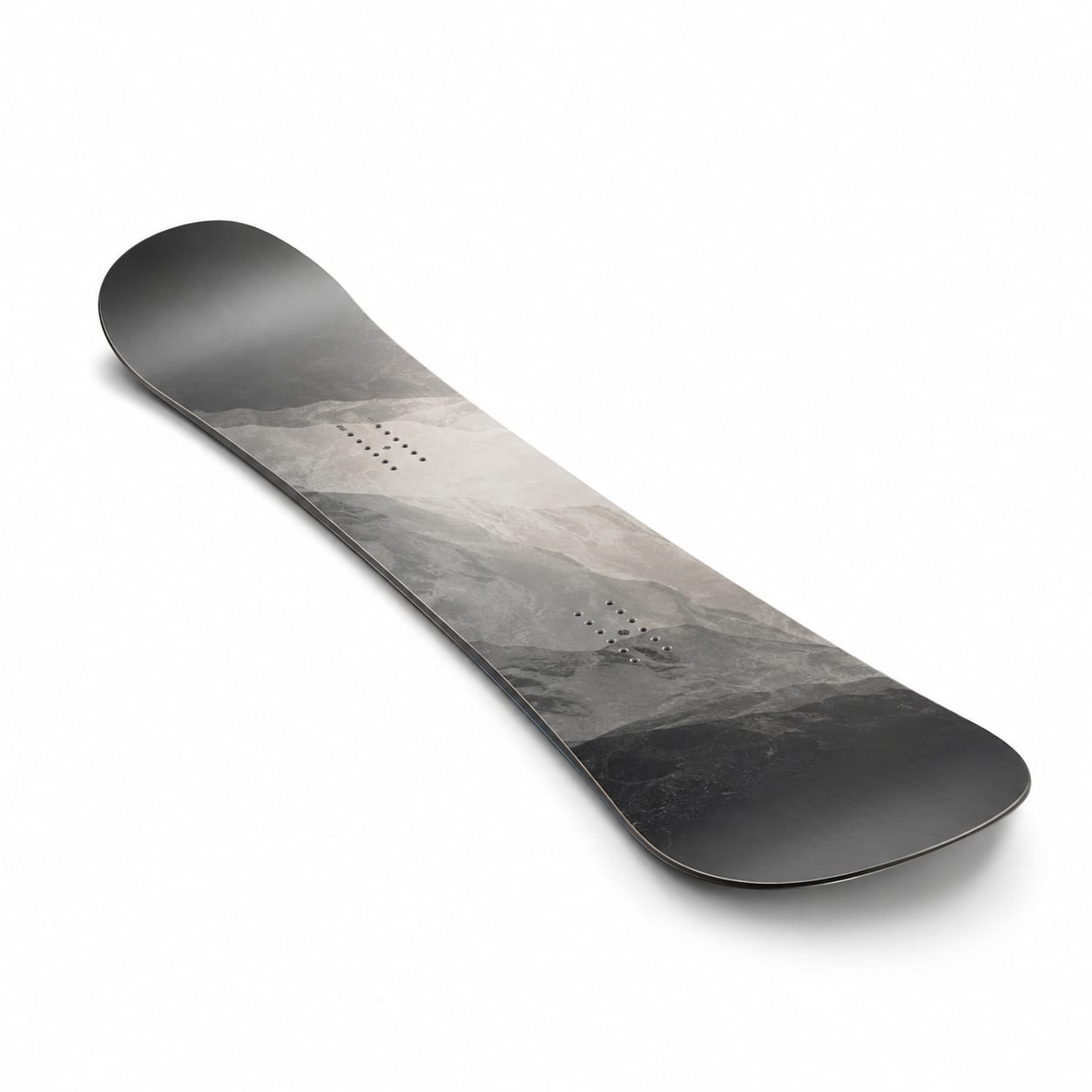
5 topics
Pick a question
Every answer links to the full subcategory guide and related gear types when it helps you decide.
Can I ride an all-mountain snowboard in the terrain park?
Yes, absolutely. All-mountain boards, especially those with directional twin shapes, perform well on park jumps and riding switch. They just lack the ultra-soft flex and true twin precision of dedicated park boards for technical jibbing and rail tricks.
Read answer →02Is an all-mountain board good for a beginner?
Yes, it is an excellent choice. Many all-mountain boards feature hybrid camber or flat profiles that prevent edge catches, making them very forgiving. A medium-soft flex (4-5) in this category provides stability while being easy to turn.
Read answer →03What is the difference between all-mountain and freeride snowboards?
All-mountain boards are more versatile, featuring directional twin shapes, medium flex, and minimal taper, allowing for comfortable switch riding and park laps. Freeride boards are directional, stiffer, and have more setback/taper, prioritizing high-speed stability and deep powder float over switch capability.
Read answer →04Do I need a wide all-mountain snowboard?
If you wear US Men's size 11 boots or larger (Women's size 12+), you should look for a wide or mid-wide all-mountain board. This prevents your toes and heels from dragging in the snow during deep carves, which can cause you to catch an edge.
Read answer →05Can an all-mountain board handle deep powder?
It can handle moderate powder (up to about 30cm or a foot) reasonably well, especially with a slight stance setback and a rockered nose. However, in bottomless, deep powder, it will sink and require more effort to ride compared to a dedicated powder board with heavy taper and a wide nose.
Read answer →