
All-mountain boards are more versatile, featuring directional twin shapes, medium flex, and minimal taper, allowing for comfortable switch riding and park laps. Freeride boards are directional, stiffer, and have more setback/taper, prioritizing high-speed stability and deep powder float over switch capability.
Snowboard · All-Mountain Snowboard
What is the difference between all-mountain and freeride snowboards?
Related gear types
If this answer nudged you toward a different style, these guides compare specs and trade-offs.
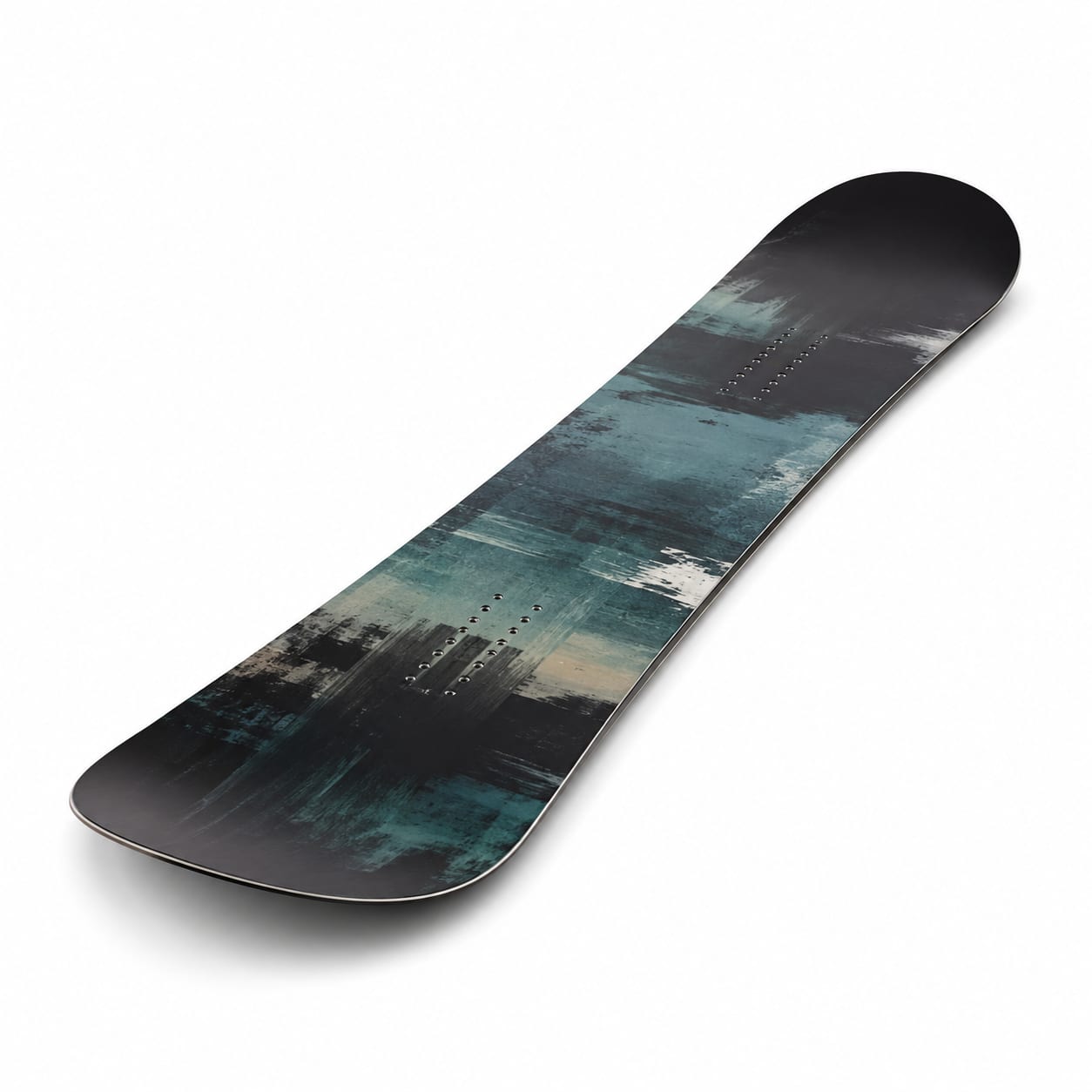
Freestyle Snowboard
$300 – $700
Playful, twin-tip snowboard optimized for tricks, jumps, and terrain park riding.
True twin shapeSoft to medium flexRockered or flat profile
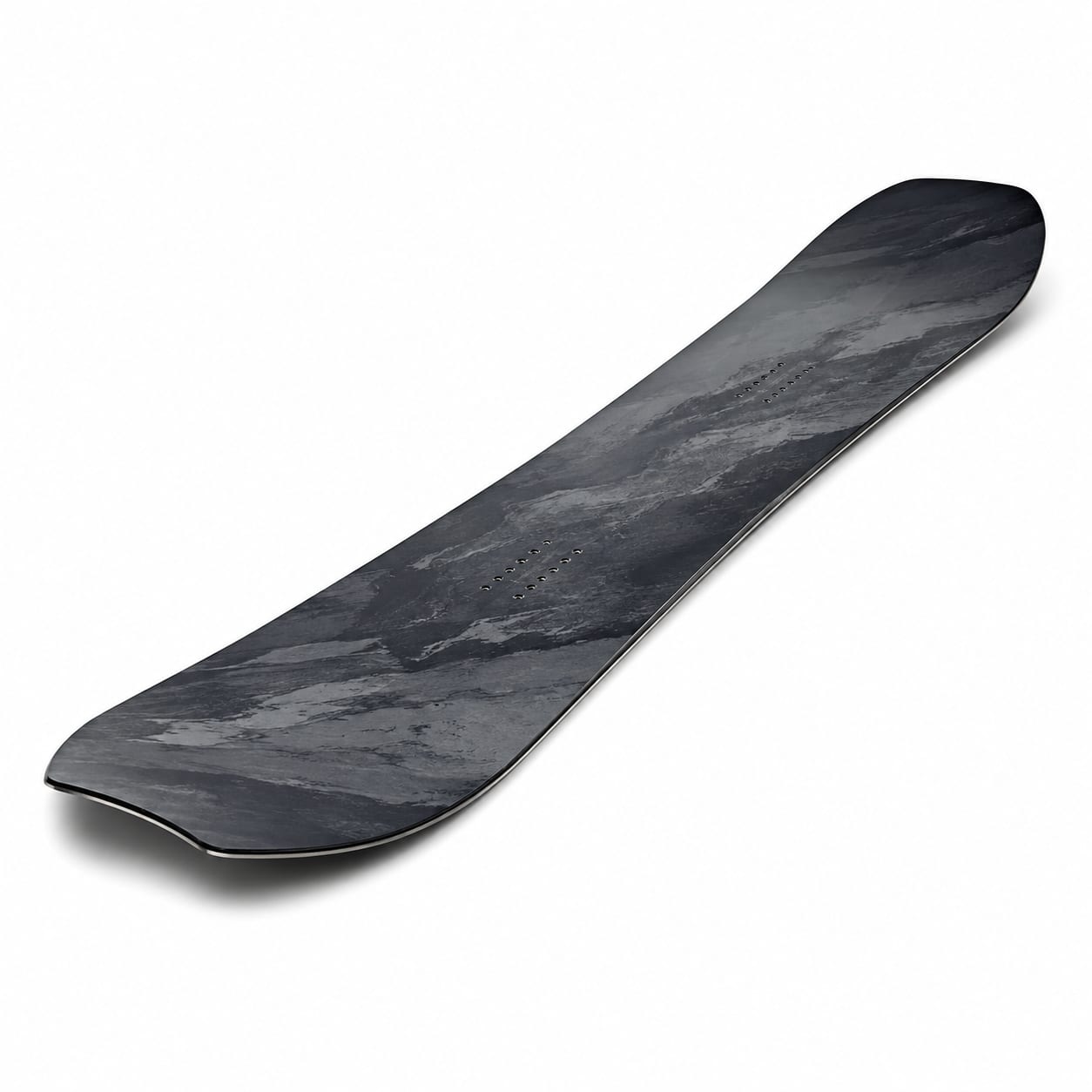
Freeride Snowboard
$400 – $900
Directional snowboard built for aggressive riding in off-piste and variable backcountry terrain.
Directional shapeStiff flexSet-back stance
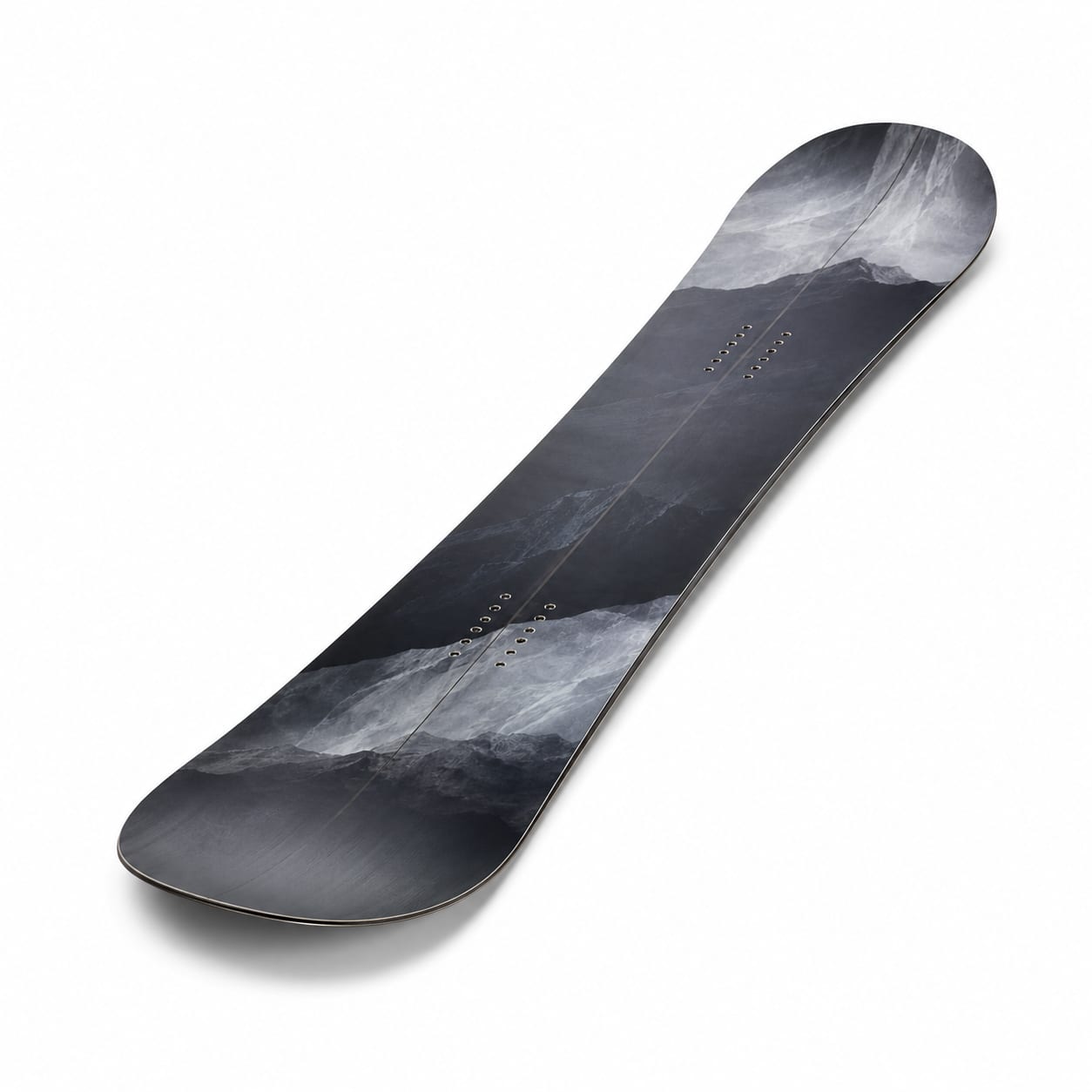
Directional Twin Snowboard
$300 – $750
Snowboard with symmetrical outline but directional flex and stance for versatile all-mountain performance.
Symmetrical outlineDirectional flexSlight setback stance
More questions
- Can I ride an all-mountain snowboard in the terrain park?
- Is an all-mountain board good for a beginner?
- Do I need a wide all-mountain snowboard?
- Can an all-mountain board handle deep powder?