Kitvore.com

Kitvore.com

Specs that matter. Gear that fits.

Snowboard · Subcategory

All-Mountain Snowboard

The versatile quiver-killer designed to handle any terrain and condition the mountain throws at you.

All-mountain snowboards are the Swiss Army knives of the snowboarding world, engineered to deliver reliable performance on groomers, in the trees, through the park, and in moderate powder. With a balanced flex, directional twin shapes, and hybrid camber profiles, they offer the perfect blend of forgiveness, edge hold, and float, making them the go-to choice for riders who want one board to do it all.

$300 – $800mid tierbeginnerintermediateadvanced

Best known for

Versatility across all terrain typesBalanced performance in varied conditionsBeing the most popular snowboard categoryServing as a one-board quiver for resort riders
All-Mountain Snowboard

Guide

Detailed overview

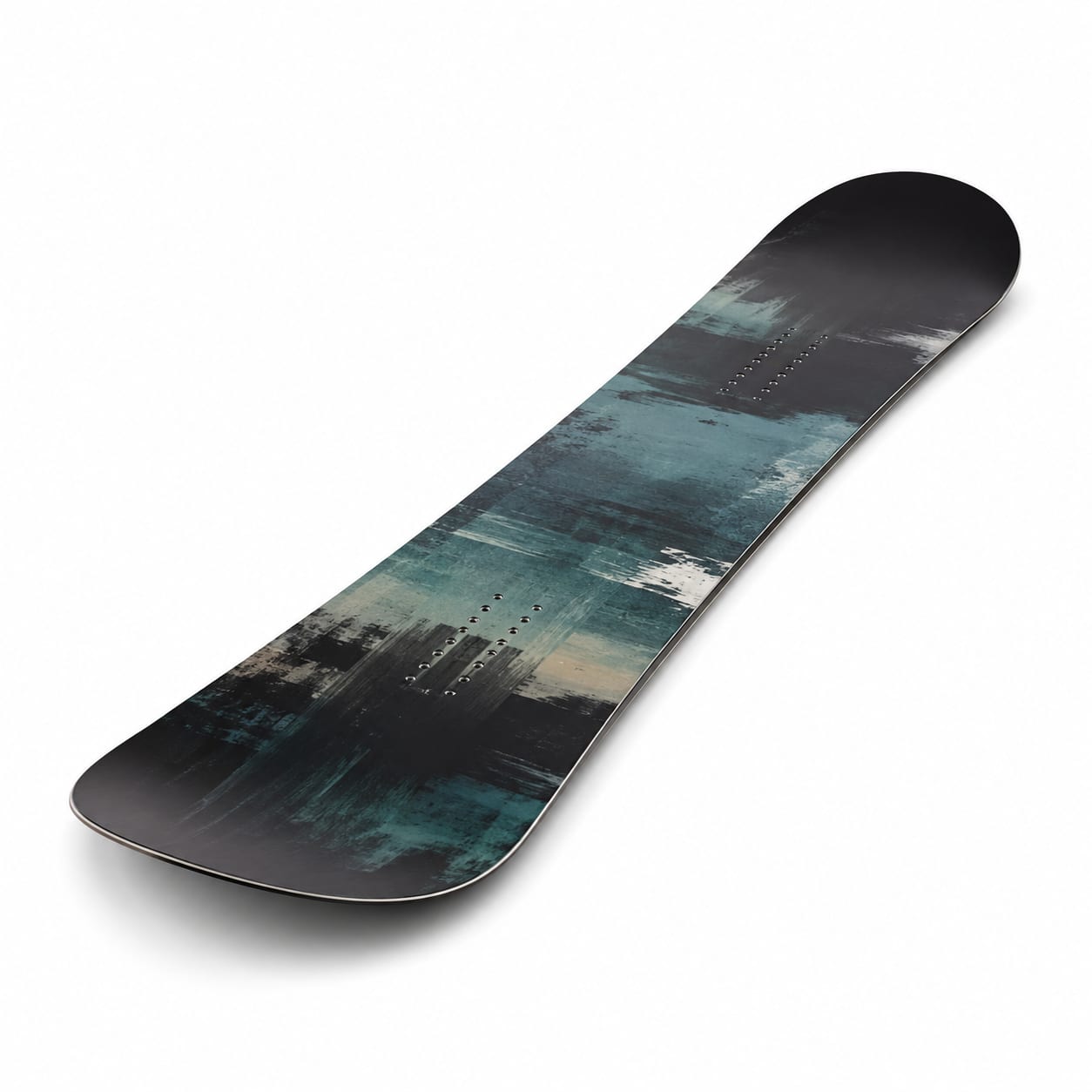
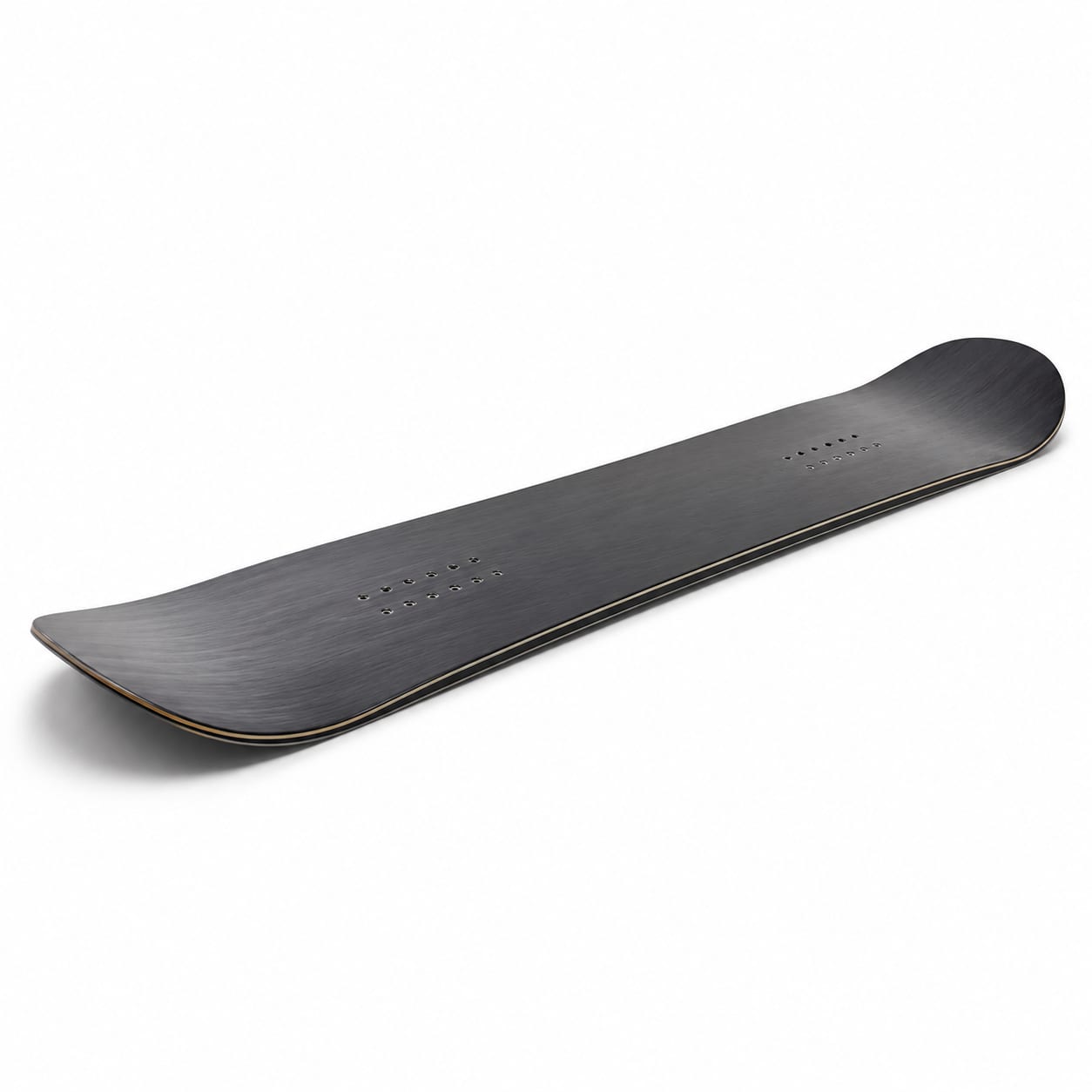
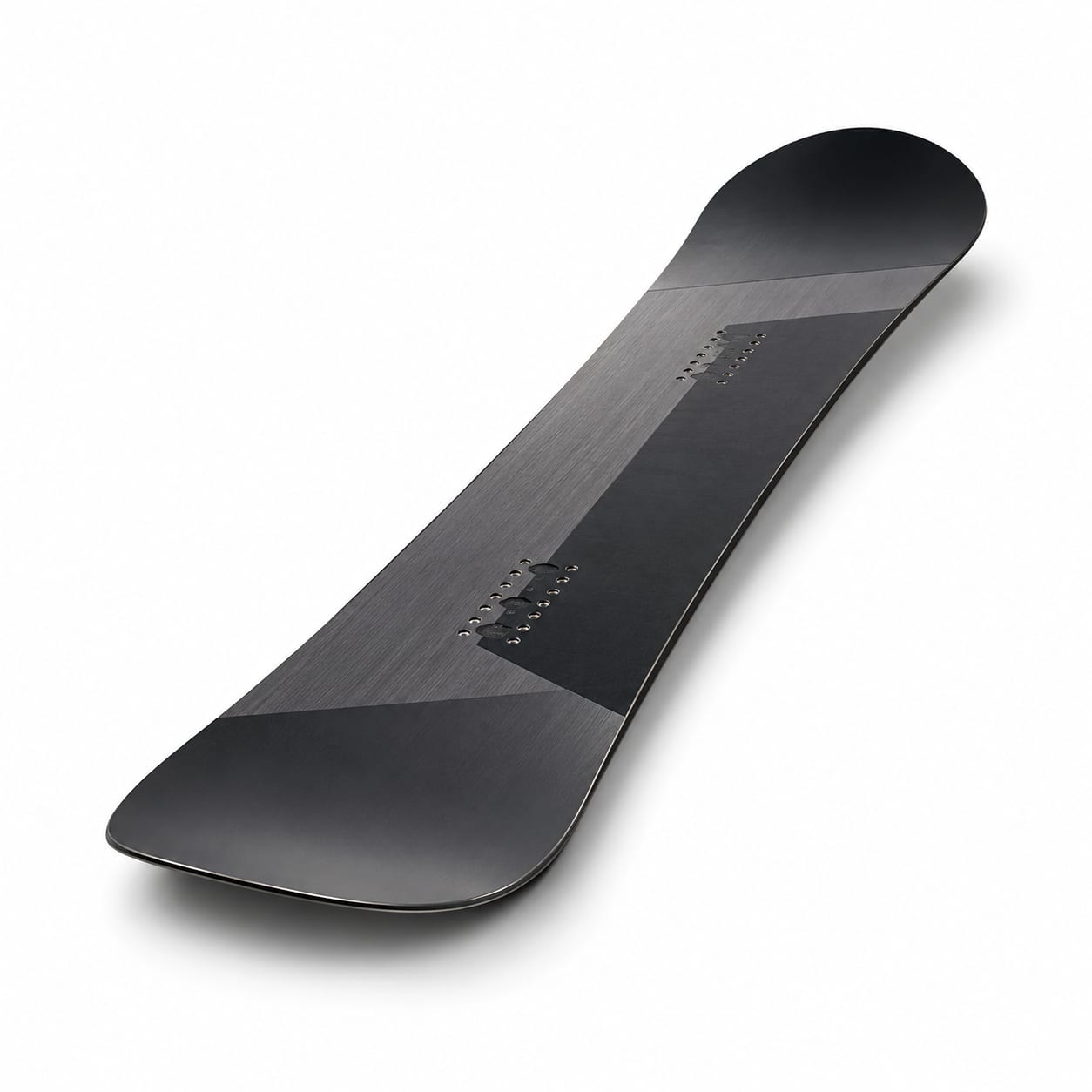
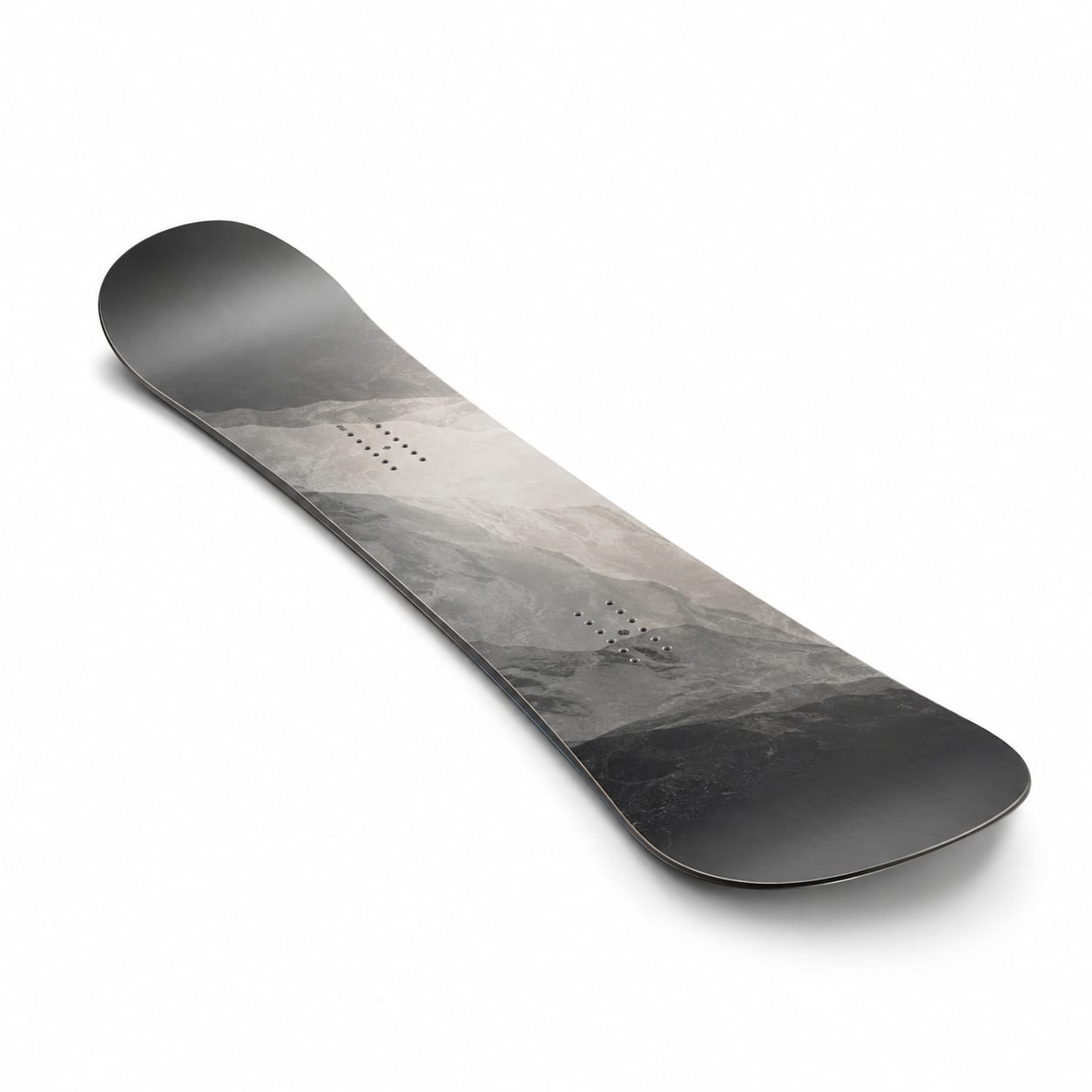
An all-mountain snowboard is designed to be the most versatile board in a rider's quiver, capable of handling groomed runs, powder stashes, tree runs, and even the terrain park. These boards typically feature a directional twin shape, which provides a slightly setback stance for better float in soft snow while maintaining enough symmetry to ride switch comfortably. The flex is generally medium, offering a balance of playfulness for freestyle tricks and stability for higher speeds. Hybrid camber profiles dominate this category, combining the pop and edge hold of traditional camber with the forgiveness and float of rocker zones. Whether you are cruising blues with friends, exploring off-piste glades, or lapping the park, an all-mountain board is built to adapt.

For the vast majority of resort snowboarders, an all-mountain board is the most practical and rewarding choice. These boards are engineered to bridge the gap between specialized designs, offering enough float for a fresh powder day, enough edge hold to carve firm groomers, and enough playfulness to hit side hits and park features. The secret lies in their balanced construction: a medium flex rating that responds well to rider input without being overly punishing, and hybrid camber profiles that keep the contact points engaged for turning while lifting the tips to prevent catching edges.

The directional twin shape has become the gold standard for all-mountain riding. By setting the stance slightly back from center, these boards naturally push the nose up in soft snow, giving you that effortless float feeling when the powder falls. However, because the outline remains symmetrical, riding switch feels intuitive and balanced—essential for landing tricks or simply changing up your stance on long cat tracks. This duality is what sets all-mountain boards apart from dedicated freeride boards, which prioritize forward charging at the expense of switch capability.

When selecting an all-mountain board, the two most critical factors are flex and camber profile. Intermediate riders will benefit most from a medium-soft flex (4-5) and a hybrid rocker or flat-to-rocker profile, which offer maximum forgiveness while learning to link turns and explore new terrain. Advanced riders who charge harder will prefer a medium-stiff flex (6-7) and a hybrid camber profile, which provides the snap and high-speed stability needed for aggressive carving and big mountain lines. Regardless of your ability, prioritizing the manufacturer's recommended weight range for board length is the single most important sizing decision you can make.

While all-mountain boards excel at being jacks of all trades, they are masters of none. A dedicated powder board will out-float them in bottomless snow, a true twin park board will spin easier, and a stiff freeride board will feel more stable at mach speeds. However, for the rider who wants to experience the entire mountain without swapping boards in the parking lot, the all-mountain category offers the most efficient and enjoyable path. Modern design innovations have pushed the performance ceiling so high that many professional riders choose all-mountain boards as their daily drivers for resort filming and recreational riding.

Quick facts

Primary purpose
Versatile riding across the entire mountain in mixed conditions
Popular brands
BurtonJonesLib TechRideSalomonCapita
Typical terrain
Groomed runsMixed terrainLight powderPark edges

What makes it different

Jack-of-all-trades design that sacrifices extreme specialization for broad competence across terrain types

Recommended ranges

How this type usually specs out

Each spec is explained in plain language, then we show what buyers usually look for on this type.

Length

Board Length

What it means

The total length of the snowboard measured in centimeters from tip to tail. The primary sizing dimension affecting stability, float, and maneuverability.

Typical for this type

145 - 170 cm

Most common pick: 158 cm

In practice

All-mountain boards need enough length for stability and float in variable snow, but not so much that they become cumbersome in trees or park features.

Compared to other types

Shorter than freeride and powder boards for the same rider, but slightly longer than dedicated freestyle park boards to enhance all-conditions stability.

Why it matters: Length directly impacts the board's contact area with the snow, affecting grip, float, and tracking through chop.

Waist Width

Waist Width

What it means

The narrowest point of the snowboard's running surface, measured in millimeters. Determines boot-to-edge leverage and toe drag risk.

Typical for this type

245 - 265 mm

Most common pick: 254 mm

In practice

A standard to mid-wide waist accommodates a broad range of boot sizes while maintaining quick edge-to-edge transitions for varied terrain.

Compared to other types

Narrower than powder boards (which need width for float) but wider than carving boards (which prioritize extreme edge angles).

Why it matters: Proper width eliminates toe/heel drag on carves while keeping the board agile enough for quick turns in trees and moguls.

Profile

Camber Profile

What it means

The longitudinal curvature of the snowboard when laid flat. The single most influential design element on how a board feels and performs.

Typical for this type

Hybrid Camber, Hybrid Rocker, Flat

In practice

Hybrid camber (camber between the feet, rocker at the tips) is the defining profile of the category, offering a blend of edge hold and forgiveness.

Compared to other types

More versatile than full camber (freestyle/carving) or full rocker (beginner/powder), specifically engineered for mixed-condition resort riding.

Why it matters: This profile provides the pop and carving power of camber underfoot, while the rockered tips prevent edge catches and improve powder float.

Shape

Shape

What it means

The outline symmetry of the snowboard. Determines stance positioning, switch capability, and intended riding direction.

Typical for this type

Directional Twin, True Twin

In practice

A directional twin shape features a symmetrical outline with a slightly setback stance, offering the best of both worlds for all-mountain exploration.

Compared to other types

More switch-capable than directional or tapered directional (freeride/powder) shapes, but offers better soft-snow performance than true twin (park) shapes.

Why it matters: Allows for natural, floaty forward riding while remaining predictable and balanced when riding switch.

Flex

Flex Rating

What it means

The stiffness of the snowboard, typically rated on a 1–10 scale. Affects responsiveness, stability, and ease of turning.

Typical for this type

4 - 7

Most common pick: 5

In practice

A medium flex provides the perfect middle ground—stiff enough to hold an edge at speed and power through chop, but soft enough to press, butter, and navigate tight trees.

Compared to other types

Stiffer than freestyle/park boards (1-4) for better stability, but softer than freeride/carving boards (7-10) for greater maneuverability and forgiveness.

Why it matters: Flex determines how the board stores and releases energy, directly impacting carving power, pop, and rider fatigue.

Sidecut Radius

Sidecut Radius

What it means

The radius of the imaginary circle formed by the board's edge curve. Determines the natural turning radius of the board.

Typical for this type

7.5 - 9.0 m

Most common pick: 8.0 m

In practice

A medium sidecut radius allows for versatile turn shapes, from quick slashes in the trees to wider, sweeping carves on open groomers.

Compared to other types

More versatile than the tight radii of park boards or the long, sweeping radii of freeride/carving boards.

Why it matters: Determines how naturally the board initiates and completes turns across varying terrain features.

Effective Edge

Effective Edge Length

What it means

The length of the edge that actually contacts the snow during a turn, measured in centimeters. Excludes the tip and tail kick areas.

Typical for this type

110 - 130 cm

Most common pick: 120 cm

In practice

A substantial effective edge ensures reliable grip on icy groomers and hardpack, while the rockered tips keep the overall board length manageable.

Compared to other types

Longer effective edge relative to total board length compared to full rocker boards, providing superior hardpack performance.

Why it matters: Edge hold is crucial for safety and confidence when encountering unexpected ice or firm conditions on the mountain.

Stance Setback

Stance Setback

What it means

How far back from the board's center the reference stance position is placed, measured in millimeters. Affects float and directional performance.

Typical for this type

0 - 25 mm

Most common pick: 15 mm

In practice

A slight setback positions the rider's weight back just enough to improve nose lift in soft snow without making switch riding feel awkward.

Compared to other types

Less setback than freeride (25-40mm) and powder (40mm+) boards, but more than true twin park boards (0mm).

Why it matters: This minor adjustment dramatically improves powder performance while maintaining freestyle capability.

Rider Weight Range

Recommended Rider Weight Range

What it means

The manufacturer's recommended rider weight range for optimal board performance. The most important sizing factor beyond board length.

Typical for this type

50 - 110 kg (varies by size)

Most common pick: 65 - 85 kg

In practice

All-mountain boards are offered in the widest variety of lengths to accommodate a broad spectrum of rider weights.

Compared to other types

Similar weight ranges to other categories, but sizing is particularly critical here to ensure the board isn't too stiff for playful riding or too soft for stability.

Why it matters: Proper flex response relies on the rider's weight; a board must flex into its design curve to initiate turns and absorb impacts correctly.

Terrain / Riding Style

Terrain Type

What it means

The primary terrain and riding style the board is designed for. The most fundamental categorization used by brands and retailers.

Typical for this type

All Mountain

In practice

Designed specifically for the 'all_mountain' classification, meaning the board is built to handle groomers, trees, park, and moderate powder equally well.

Compared to other types

Broader terrain capability than freestyle, freeride, or powder boards, which are optimized for specific zones.

Why it matters: This is the defining characteristic of the subcategory, dictating the blend of shape, flex, and profile.

Ability Level

Ability Level

What it means

The rider skill level the board is designed and optimized for.

Typical for this type

Beginner, Intermediate, Advanced

In practice

The vast majority of all-mountain boards target the intermediate rider, but models exist for beginners seeking room to grow and advanced riders wanting a daily driver.

Compared to other types

More inclusive of various ability levels than expert-only freeride boards or beginner-specific rocker boards.

Why it matters: Matching the board's responsiveness and flex to the rider's ability ensures an enjoyable, confidence-building experience rather than a frustrating fight.

Core Material

Core Material

What it means

The primary wood or composite material forming the board's internal structure. Affects weight, flex, pop, and dampening.

Typical for this type

Poplar, Asp Enhanced, Paulownia

In practice

Poplar is the industry standard for all-mountain boards, offering a reliable, predictable flex and good durability. Premium models often upgrade to aspen or paulownia blends.

Compared to other types

More likely to use standard or blended wood cores compared to ultralight paulownia (splitboards) or bamboo (eco/park boards).

Why it matters: The core dictates the board's weight, snap, and vibration dampening, which are crucial for all-day riding comfort.

Base Material

Base Material

What it means

The material on the board's running surface that contacts the snow. Affects speed, durability, and maintenance requirements.

Typical for this type

Extruded, Sintered

In practice

A sintered base is the most common choice for all-mountain boards, providing the speed needed for flat traverses and variable snow, with acceptable maintenance requirements.

Compared to other types

More performance-oriented than extruded (park/budget) bases, but less demanding than sintered high-density (race/freeride) bases.

Why it matters: Base speed affects whether you make it across a flat cat track or get stuck; sintered bases hold wax and glide faster.

Nose/Tail Shape

Nose and Tail Shape

What it means

The geometric shape of the board's tip and tail, affecting float, plow-through, and swing weight.

Typical for this type

Pointed, Blunt

In practice

A pointed or slightly rounded nose helps displace snow and plow through chop, while the tail is often slightly lower-profile to save swing weight.

Compared to other types

Less extreme than swallow/forked tails (powder) and less squared-off than blunt shapes (park).

Why it matters: Nose shape affects how the board handles variable snow and crust; a pointed nose slices rather than pushes.

Taper

Taper

What it means

The difference between the nose width and tail width of the board, measured in millimeters. Greater taper enhances powder float.

Typical for this type

0 - 8 mm

Most common pick: 2 mm

In practice

Very slight taper is common to assist with powder float, but it is kept minimal to preserve switch-riding capability and symmetrical feel.

Compared to other types

Significantly less taper than freeride (10-15mm) and powder (16mm+) boards, ensuring the tail remains useful for switch landings.

Why it matters: Even a tiny amount of taper helps the tail sink and the nose rise in soft snow without the rider having to lean back.

Insert Pattern

Insert Pattern

What it means

The bolt hole pattern on the board for mounting bindings. Determines binding compatibility and stance adjustability.

Typical for this type

2x4, 4x4, Channel

In practice

The 2x4 pattern is highly prevalent, offering fine-tuned stance width adjustments to dial in the perfect all-mountain riding position.

Compared to other types

Similar to other categories, though the Channel system is particularly popular on premium all-mountain boards for its infinite adjustability.

Why it matters: Micro-adjusting the stance is important for all-mountain riders who need a balanced position for both freestyle and freeride scenarios.

Evaluation

Strengths and trade-offs

Pros

What this type does best

Supreme Versatility

Critical

Handles groomers, trees, park, and moderate powder competently, eliminating the need for multiple boards for a typical resort day.

Balanced Switch Performance

High

Directional twin shapes and minimal taper allow for comfortable and predictable switch riding, a significant advantage over freeride boards.

Confidence-Inspiring Stability

High

Medium flex and hybrid camber profiles provide reliable edge hold and stability at speed, making them predictable in variable conditions.

Wide Market Availability

Medium

As the most popular category, there are countless models available at every price point, making it easy to find the perfect match.

Ideal Learning Platform

Medium

The forgiving nature of hybrid profiles and medium flex helps progressing riders advance their skills across the whole mountain.

Cons

Trade-offs to be aware of

Jack of All Trades, Master of None

Moderate

Will not float like a powder board, spin like a park board, or charge like a freeride board. Compromises are made for versatility.

Can Feel Uninspiring for Specialists

Moderate

Riders who spend 80%+ of their time in one specific terrain type may find an all-mountain board lacks the specific pop, float, or power they crave.

Overwhelming Choice

Minor

The massive number of models and subtle variations in the all-mountain category can make choosing the right board confusing for buyers.

Best for

Terrain

Groomed runsTree runsSide hitsSmall to medium park featuresModerate powder (up to 30cm)

Snow conditions

GroomersChoppy afternoon snowLight powderMixed conditions

Skill level

BeginnerIntermediateAdvanced

Riding style

Resort cruisingAll-mountain freestyleFreeride-liteOne-board quiver

Rider profile

The explorer who rides everythingThe intermediate looking to progressThe weekend warrior with limited daysThe resort rider who avoids backcountry

Not ideal for

Reasons

Lacks the extreme stiffness and aggressive sidecut needed for high-speed carvingToo much effective edge and width for technical jibbingInsufficient float and taper for bottomless powder days

Terrain

Deep backcountryDedicated street spotsHalfpipe

Skill level

Expert big mountain chargersDedicated park specialists

Riding style

Extreme carvingJib-focused street ridingHeli-cat deep powder surfing

Compare

How it stacks up

This page

All-Mountain Snowboard

Far superior float in soft snow, better stability at high speeds, and more grip on hardpack due to hybrid camber and directional twin shape.

Alternative

Freestyle / Park Snowboard

True twin symmetry and soft flex make spinning, pressing, and riding switch in the park significantly easier and more playful.

Bottom line

Choose all-mountain if you ride the whole mountain and only occasionally visit the park. Choose freestyle if you spend the majority of your time lapping the park and hitting street features.

This page

All-Mountain Snowboard

Much more versatile and forgiving. Better switch capability, easier turn initiation, and more playful feel for exploring the entire resort.

Alternative

Freeride Snowboard

Superior stability at high speeds, better float in deep snow due to aggressive taper and setback, and more powerful edge-to-edge transitions for charging steep lines.

Bottom line

Choose all-mountain if you want a playful, do-it-all resort board. Choose freeride if you primarily chase steep, off-piste lines and prioritize power and float over switch riding.

This page

All-Mountain Snowboard

Significantly better performance on groomers, hardpack, and ice. Can ride switch comfortably and handles mixed conditions without feeling sluggish.

Alternative

Powder Snowboard

Unmatched float in deep snow, surfy and slashy feel, and specialized shapes (like swallow tails) that make bottomless days effortless and magical.

Bottom line

Choose all-mountain as your daily driver for variable resort days. Choose a powder board as a dedicated storm-day quiver board if you frequently ride regions with massive snowfall.

Shopping

Buying tips

  • 1

    Prioritize hybrid camber profiles (camber underfoot, rocker in tips) for the best balance of edge hold and forgiveness in varied conditions.

  • 2

    If you have US Men's size 11+ boots, ensure you look for a 'Wide' or 'Mid-Wide' model to prevent frustrating toe and heel drag on carves.

  • 3

    Always size your board based on the manufacturer's weight chart, not your height. Weight dictates how the board flexes and responds.

  • 4

    If you spend slightly more time in powder, lean towards a directional twin with a wider, more rockered nose. If you favor park, look for a softer, truer twin all-mountain board.

  • 5

    Consider a sintered base if your local resort has long flat traverses; the extra speed maintenance is worth the waxing effort.

Care

Maintenance notes

  • Wax your sintered base regularly (every 3-5 full days of riding) to maintain speed and prevent the base from drying out.
  • Keep edges sharp, especially the effective edge between the contact points, for reliable grip on firm morning groomers.
  • Inspect the top sheet and edges for damage after riding in rocky or stump-filled off-piste areas, and use p-tex to fill any deep base gouges promptly.
  • Tighten binding hardware before every trip, as all-mountain vibration can loosen screws over time.

Progression

Skill development path

An all-mountain board is the perfect companion for skill progression. Beginners will appreciate the forgiveness of hybrid profiles while linking turns on green and blue runs. Intermediates can leverage the board's versatility to confidently explore trees, steeps, and the terrain park, pushing their boundaries. Advanced riders can push the board's limits on double blacks and sidecountry, though they may eventually seek specialized boards for specific disciplines like deep powder or aggressive carving.

FAQ

Common questions

Each question has a dedicated page with a full answer and links to the buying guide.