
Race/alpine boards are even more specialized than carving boards, designed specifically for competitive slalom and giant slalom events. They are typically narrower (sometimes under 200mm waist), stiffer, longer, and designed to be ridden with hard boots and plate bindings. Carving boards are the recreational counterpart — still stiff and narrow by mainstream standards, but designed for soft boots and standard bindings, with slightly more forgiving flex and versatile sidecuts. If you're not racing gates, a carving board is the appropriate choice.
Snowboard · Carving Snowboard
What's the difference between a carving board and a race/alpine board?
Related gear types
If this answer nudged you toward a different style, these guides compare specs and trade-offs.
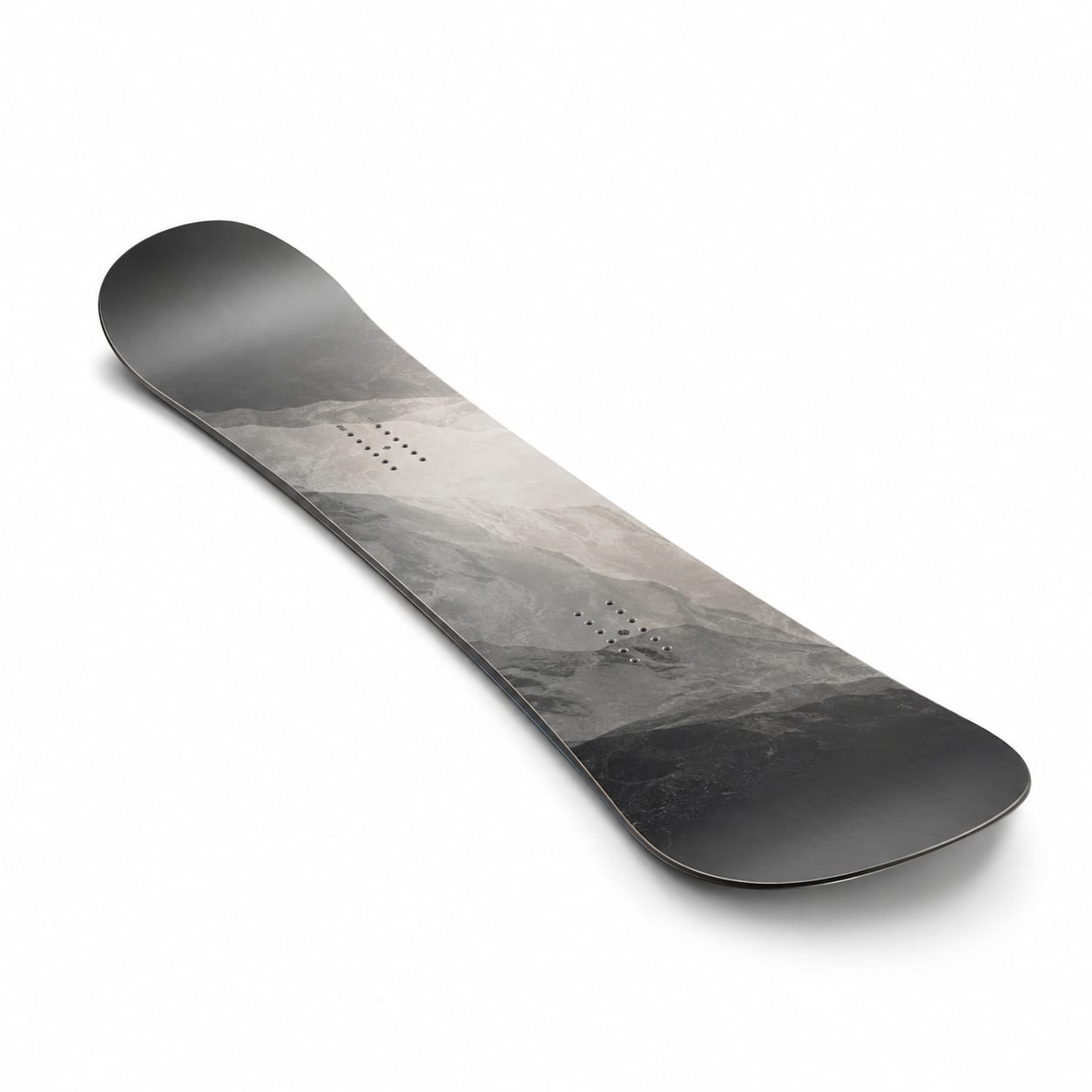
All-Mountain Snowboard
$300 – $800
Versatile snowboard designed to perform across varied terrain and conditions.
Medium flexDirectional twin or twin shapeHybrid or camber profiles
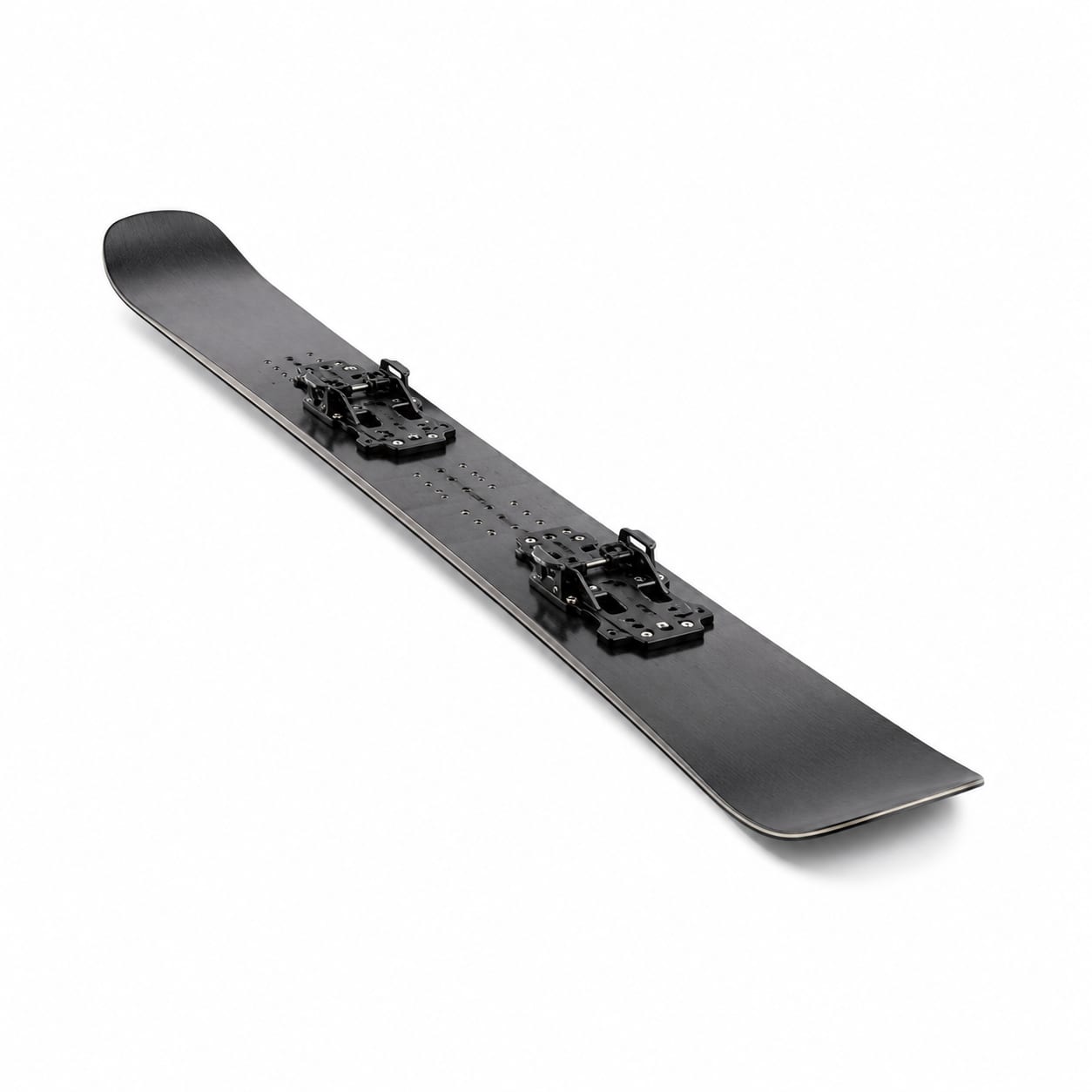
Race / Alpine Snowboard
$600 – $1500
Competition-grade snowboard for alpine snowboard racing disciplines including giant slalom and slalom.
Narrow and long shapeExtremely stiff flexFull camber
More questions
- Can a carving board work as my only snowboard?
- I'm an intermediate rider — should I buy a carving board to improve my carving?
- Why are carving boards so narrow? Will my boots drag?
- Do I need special bindings for a carving board?