Kitvore.com

Kitvore.com

Specs that matter. Gear that fits.

Snowboard · Subcategory

Race / Alpine Snowboard

Purpose-built carving machines designed for maximum edge hold, speed, and precision on groomed snow.

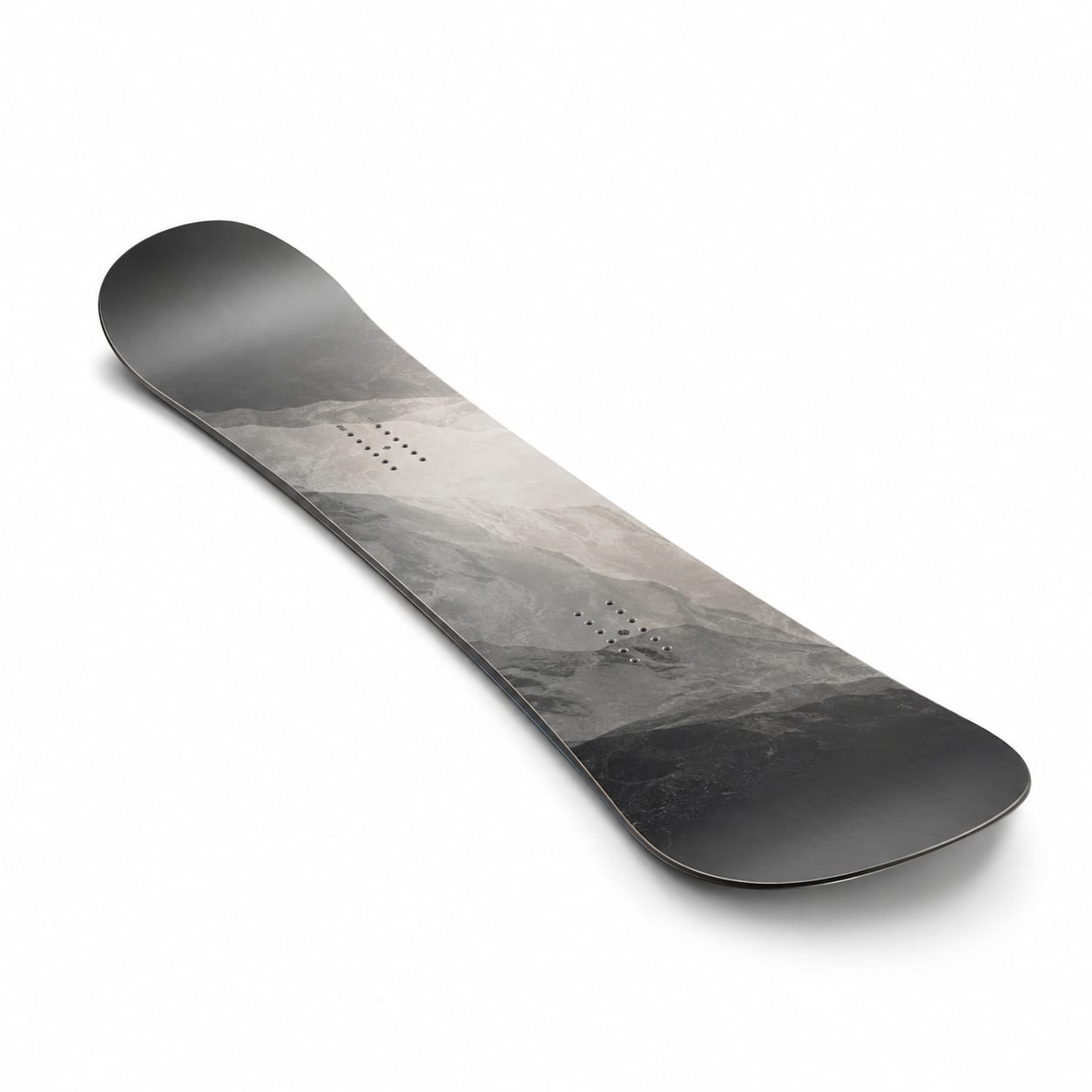
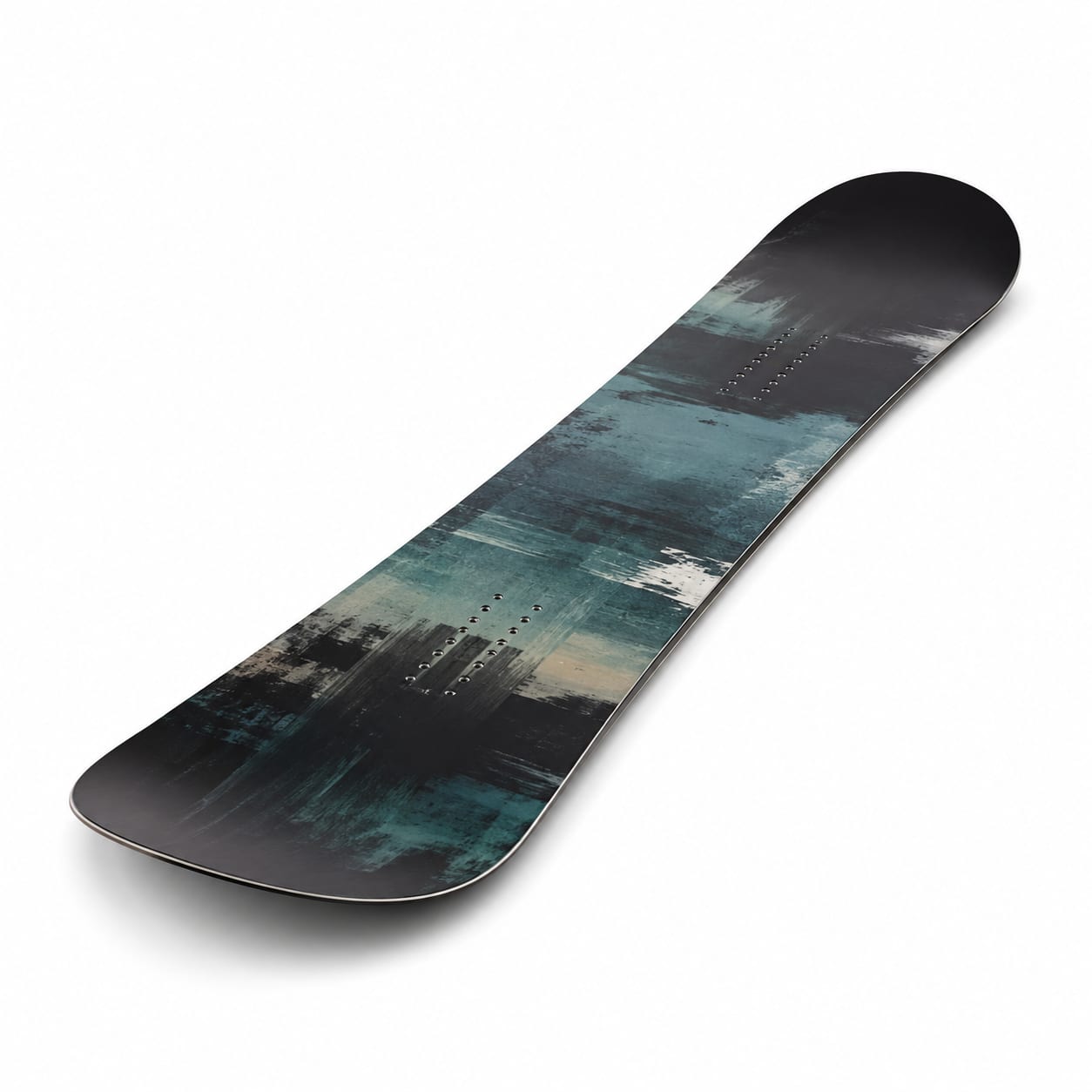
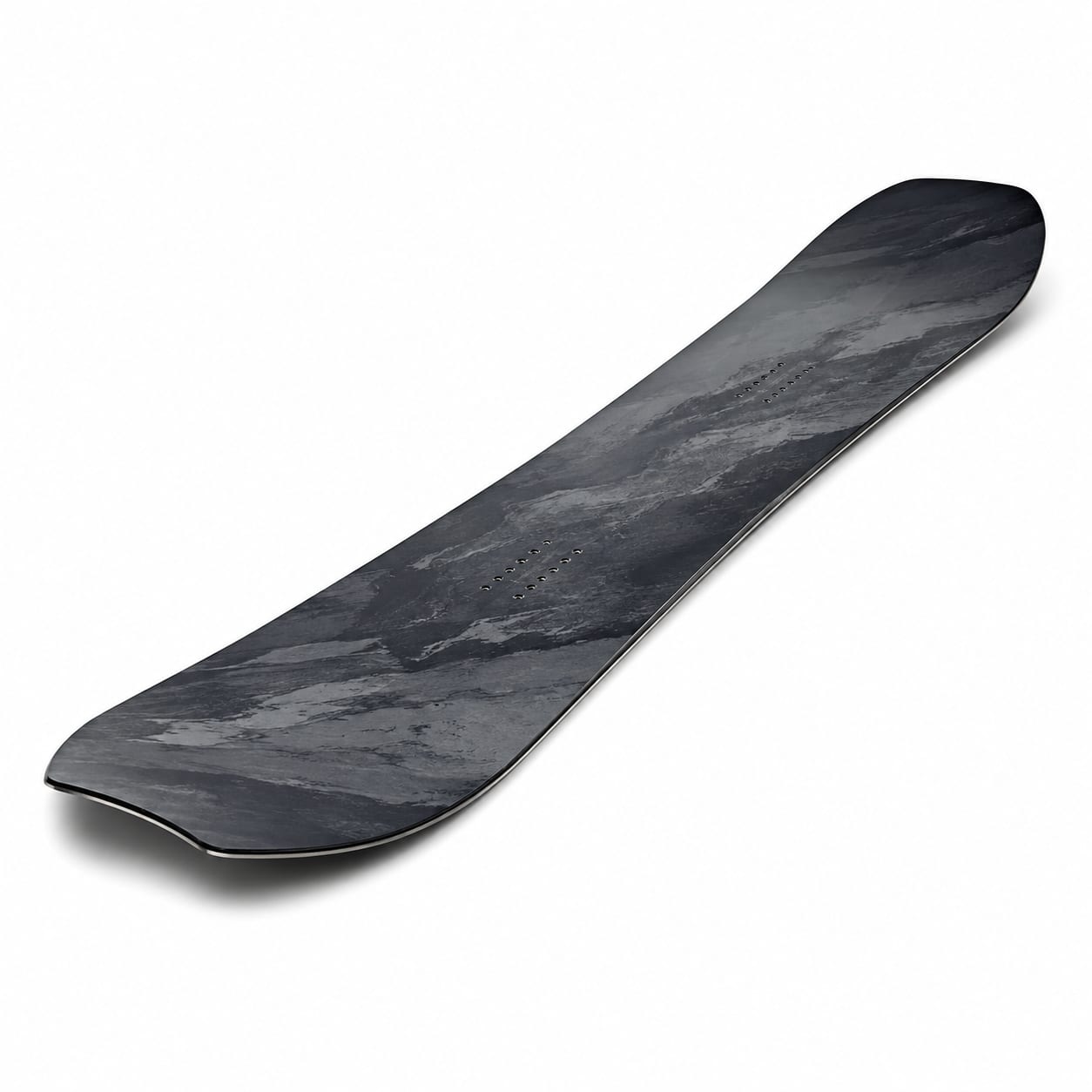
Race and alpine snowboards are the Formula 1 cars of snowboarding—stiff, narrow, and uncompromisingly designed for laying down deep, high-speed carves on hardpack and groomed runs. Built for competitive slalom, giant slalom, and alpine carving, these boards feature aggressive camber profiles, long effective edges, and construction prioritizing edge hold above all else. They demand strong technique and physical commitment but reward riders with the purest carving experience possible on a snowboard.

$600 – $1500pro tieradvancedexpert

Best known for

Explosive edge-to-edge transitions and rail-like edge hold on iceHigh-speed stability and vibration dampening at velocityDeep, laid-out carving angles that leave trench-like tracksCompetitive slalom and giant slalom performance
Race / Alpine Snowboard

Guide

Detailed overview

Race and alpine snowboards represent the most specialized and performance-focused category in snowboarding. Designed primarily for competitive alpine racing—including slalom (SL), giant slalom (GS), and super-G disciplines—these boards are engineered to deliver maximum edge grip, acceleration out of turns, and stability at speeds that would terrify most riders. Unlike all-mountain or freeride boards, race boards make zero compromises for versatility: every design element serves the singular purpose of going faster and carving harder on groomed snow. The defining characteristics include extremely stiff flex patterns (often 8–10 on standard scales), narrow waist widths for lightning-fast edge transitions, traditional camber profiles for maximum pressure distribution against the snow surface, and long effective edges that grip like rails even on boilerplate ice. Construction typically employs premium materials—sintered high-density or carbon-infused bases for speed, aspen or composite cores reinforced with carbon and titanal laminates for torsional rigidity, and race-specific rubber dampening systems that absorb vibration at high speeds. Race boards are further subdivided by discipline: slalom boards are shorter with tighter sidecut radii for quick, snappy turns; giant slalom boards are longer with larger sidecut radii for sweeping, high-speed arcs; and alpine carving boards bridge the gap for non-competitive riders seeking the race feel without FIS regulation constraints.

Race and alpine snowboarding traces its roots to the earliest days of the sport, when snowboarders sought to replicate the precision carving of alpine skiing. In the 1980s and 1990s, alpine racing was a marquee discipline, with riders like Peter Bauer, Jérôme Mathieu, and Karine Ruby pushing the limits of what was possible on a snowboard. While the competitive scene has contracted relative to freestyle and slopestyle, alpine racing remains an FIS-sanctioned discipline with a dedicated global following, and the technology has continued to advance dramatically.

The riding experience on a race board is fundamentally different from freeride or all-mountain snowboarding. Turns are not skidded or drifted—they are carved, with the board's edge locked into the snow surface and the rider's body angled dramatically toward the hill. At high speeds, experienced alpine riders achieve edge angles exceeding 60 degrees, with their entire body nearly parallel to the slope. This requires not just technical skill but genuine physical strength and conditioning; driving a stiff race board through a full day of GS training is an intense athletic workout.

Equipment pairing is critical for race boards. While some recreational alpine carving boards work with stiff soft boots and standard bindings, serious race setups typically employ hard boots (derived from ski racing boots) paired with plate bindings. This combination provides the lateral stiffness and precise leverage needed to drive the edge into hard snow at extreme angles. Transitioning from soft boots to a hard-boot alpine setup is a significant investment and learning curve, but it unlocks a level of performance that soft boots simply cannot deliver.

For riders considering a race or alpine board, it's essential to understand that these boards are specialists in the truest sense. They excel on groomed runs at speed and are genuinely dangerous—both in terms of injury risk and performance—in terrain parks, deep powder, or tight tree runs. A race board will not replace your all-mountain board; it will complement it for specific days when you want to focus purely on carving. Many experienced riders keep a race or alpine carving board as a second board for early-morning groomer sessions or race training days.

The market for race boards is smaller than other categories, which means fewer options but also very focused design. Brands like Donek, Kess, Prior, and Oxess build dedicated race boards, while larger brands like Burton and Rossignol have historically offered race models. The used market can be an excellent source for race equipment, as competitive riders frequently update their quivers, and well-maintained race boards retain their performance characteristics for years.

Quick facts

Primary purpose
Competitive alpine snowboard racing at regional, national, and international levels
Popular brands
DonekKesslerOxessCoilerSwoard
Typical terrain
Race coursesGroomed competition venues

What makes it different

Requires hard boots and plate bindings; designed exclusively for racing with no freestyle or powder capability

Recommended ranges

How this type usually specs out

Each spec is explained in plain language, then we show what buyers usually look for on this type.

Length

Board Length

What it means

The total length of the snowboard measured in centimeters from tip to tail. The primary sizing dimension affecting stability, float, and maneuverability.

Typical for this type

155–175cm

Most common pick: 165cm

In practice

Race boards tend to run longer than other categories to maximize effective edge contact and stability at speed. Slalom boards sit at the shorter end (155–163cm) for quicker turn initiation, while GS and super-G boards extend to 170cm+ for maximum stability in long, sweeping turns.

Compared to other types

Race boards are typically 5–15cm longer than freestyle boards of the same rider weight and 3–8cm longer than all-mountain boards. This extra length is a key factor in their superior high-speed stability.

Why it matters: Longer boards provide more edge contact with the snow, which translates directly to better grip at high speeds and more stable, predictable carves. In racing, edge hold is everything, and length is a primary contributor.

Waist Width

Waist Width

What it means

The narrowest point of the snowboard's running surface, measured in millimeters. Determines boot-to-edge leverage and toe drag risk.

Typical for this type

235–255mm

Most common pick: 245mm

In practice

Race boards feature the narrowest waist widths in snowboarding. This narrow profile minimizes the distance the edge must travel from one side to the other, enabling the lightning-fast edge-to-edge transitions that racing demands.

Compared to other types

Race boards are 10–30mm narrower than all-mountain boards and 20–40mm narrower than freeride boards. This is the most distinctive dimensional difference and the primary reason race boards feel so responsive edge-to-edge.

Why it matters: In alpine racing, fractions of a second per turn determine results. A narrow waist reduces transition time between edges, allowing riders to link carved turns with maximum speed and efficiency. It also provides superior boot-to-edge leverage for driving the edge into hard snow.

Profile

Camber Profile

What it means

The longitudinal curvature of the snowboard when laid flat. The single most influential design element on how a board feels and performs.

Typical for this type

Camber (Exclusive)

Most common pick: Camber

In practice

Traditional camber is the only profile used in race boards. The upward arc between contact points stores energy through the turn and releases it as acceleration, while ensuring maximum edge pressure distribution against the snow surface.

Compared to other types

While hybrid profiles dominate all-mountain and freeride categories, race boards exclusively use camber. The edge hold and energy return of camber is irreplaceable for high-speed carving, and the forgiveness of rocker or hybrid profiles offers no benefit in a racing context.

Why it matters: Camber provides the active edge engagement that racing requires. When a rider weights a cambered race board in a turn, the stored energy in the profile pushes the edge into the snow with more force than the rider's weight alone, creating superior grip. No other profile delivers this effect.

Shape

Shape

What it means

The outline symmetry of the snowboard. Determines stance positioning, switch capability, and intended riding direction.

Typical for this type

Directional (Primary), Asymmetric (Advanced)

Most common pick: Directional

In practice

Race boards are directional by necessity—designed to be ridden forward at all times with a setback stance and distinct nose/tail profiles. Some high-end race boards incorporate asymmetric construction with different sidecuts for toe-side and heel-side edges.

Compared to other types

Unlike freestyle and all-mountain boards that prioritize switch capability, race boards are unapologetically directional. This is a feature, not a limitation—every design choice serves forward riding performance.

Why it matters: Directional shape allows the nose to be longer and slightly wider for stability and vibration absorption at speed, while the shorter tail provides quick edge release at the end of each turn. Asymmetric designs address the biomechanical reality that toe-side and heel-side turns engage differently.

Flex

Flex Rating

What it means

The stiffness of the snowboard, typically rated on a 1–10 scale. Affects responsiveness, stability, and ease of turning.

Typical for this type

8–10

Most common pick: 9

In practice

Race boards are among the stiffest snowboards made. This extreme stiffness prevents the board from folding or chattering at high speeds and under the massive forces generated in deep carves. Stiffness also ensures immediate response to rider input.

Compared to other types

Race boards are 3–5 points stiffer than all-mountain boards and 5–7 points stiffer than freestyle boards on a 1–10 scale. This stiffness makes them physically demanding to ride and completely unsuitable for beginners or casual riders.

Why it matters: At racing speeds, a soft board would buckle under centrifugal forces, losing edge hold and throwing the rider. Stiffness keeps the edge locked in through the entire turn, even on ice. It also enables the explosive acceleration out of turns that wins races.

Sidecut Radius

Sidecut Radius

What it means

The radius of the imaginary circle formed by the board's edge curve. Determines the natural turning radius of the board.

Typical for this type

6–12m

Most common pick: 9m

In practice

Sidecut radius varies significantly by racing discipline: slalom boards use tight radii (6–8m) for quick, snappy turns; GS boards use medium-to-large radii (8.5–11m) for longer, faster arcs; super-G and speed boards use the largest radii (11–12m+) for sweeping high-speed turns.

Compared to other types

Race boards span a wider sidecut range than any other category. Slalom boards have tighter radii than most freestyle boards, while GS boards have larger radii than most freeride boards. This range reflects the specific demands of different racing disciplines.

Why it matters: The sidecut radius determines the natural turn shape of the board. In racing, matching the sidecut to the course's turn geometry is critical—a slalom board's tight radius would be unstable at GS speeds, and a GS board's large radius couldn't make quick slalom turns.

Effective Edge

Effective Edge Length

What it means

The length of the edge that actually contacts the snow during a turn, measured in centimeters. Excludes the tip and tail kick areas.

Typical for this type

130–160cm

Most common pick: 145cm

In practice

Race boards maximize effective edge length relative to total board length. The long, nearly straight running surface ensures maximum snow contact for edge hold. Tip and tail kick areas are minimal compared to other board types.

Compared to other types

Race boards have 10–20cm more effective edge than all-mountain boards of the same length, and 15–25cm more than freestyle boards. This is achieved through minimal tip/tail kick and the exclusive use of camber profiles.

Why it matters: More effective edge means more steel in contact with the snow, which means more grip. In racing, edge hold on hardpack and ice is the single most important performance characteristic, and effective edge length is its primary determinant.

Stance Setback

Stance Setback

What it means

How far back from the board's center the reference stance position is placed, measured in millimeters. Affects float and directional performance.

Typical for this type

15–35mm

Most common pick: 20mm

In practice

Race boards feature moderate setback to weight the tail for edge hold at the end of turns while keeping the nose long enough for stability at speed. The setback also helps the nose plane through soft spots on otherwise groomed courses.

Compared to other types

Race boards have less setback than dedicated powder boards (which use 30–60mm) but more than freestyle boards (which use 0mm). The moderate setback balances forward stability with rearward drive.

Why it matters: Setback stance positions the rider's weight over the effective edge's sweet spot, maximizing pressure where it's needed for grip. It also provides the nose length necessary for stability when charging at 60+ km/h.

Rider Weight Range

Recommended Rider Weight Range

What it means

The manufacturer's recommended rider weight range for optimal board performance. The most important sizing factor beyond board length.

Typical for this type

55–100kg (varies by board size)

Most common pick: 65–90kg

In practice

Rider weight is critical for race boards because the stiff flex requires sufficient mass to properly engage the edge. Underweight riders will struggle to flex the board into a turn; overweight riders will overpower it and lose precision.

Compared to other types

Race boards have narrower effective weight ranges than all-mountain or freestyle boards because their stiff flex is less forgiving of weight mismatch. Where an all-mountain board might accommodate a 20kg range, a race board may specify a 10–15kg range.

Why it matters: Race board flex is calibrated for specific weight ranges. A rider too light for the board will find it unresponsive and exhausting to turn. A rider too heavy will bottom out the flex, causing chatter and loss of edge hold. Precision in weight matching is more important for race boards than any other category.

Terrain / Riding Style

Terrain Type

What it means

The primary terrain and riding style the board is designed for. The most fundamental categorization used by brands and retailers.

Typical for this type

Carving / Alpine (Primary Designation)

Most common pick: Carving

In practice

Race boards are classified as carving/alpine terrain type. They are designed exclusively for groomed runs and hardpack conditions where edge-to-edge carving performance is paramount.

Compared to other types

Race boards are the only category that makes zero attempt at versatility. All-mountain boards handle 80% of conditions well; freeride boards handle off-piste and powder; race boards handle groomed runs at speed with absolute mastery but fail in virtually every other context.

Why it matters: The carving/alpine designation reflects a board built without compromise for groomed snow performance. This means no design concessions for powder float, park durability, or switch riding—every element serves the carve.

Ability Level

Ability Level

What it means

The rider skill level the board is designed and optimized for.

Typical for this type

Advanced–Expert

Most common pick: Expert

In practice

Race boards demand advanced-to-expert ability. The extreme stiffness, narrow width, and high-speed design require strong technique, physical fitness, and confidence at speed. Intermediate riders will find race boards punishing and potentially dangerous.

Compared to other types

Race boards are the least accessible category in snowboarding. While an intermediate rider can enjoy a stiff all-mountain board, a race board requires genuine advanced-level carving technique. This is the only category where intermediate ability is genuinely insufficient.

Why it matters: A race board will not forgive technical errors. A poorly initiated turn on a stiff, narrow board at speed can result in violent edge catches, high-speed falls, and injury. Riders must already possess strong carving fundamentals before stepping onto a race board.

Core Material

Core Material

What it means

The primary wood or composite material forming the board's internal structure. Affects weight, flex, pop, and dampening.

Typical for this type

Aspen / Enhanced Wood (Primary), Composite (Competition)

Most common pick: Asp Enhanced

In practice

Race boards typically use aspen or enhanced wood cores reinforced with carbon stringers, titanal (aluminum alloy) laminates, or aramid fibers. These reinforcements provide the torsional rigidity and vibration dampening that racing demands. Some competition boards use composite/foam cores for minimum weight.

Compared to other types

Race boards use more reinforcement laminates than any other category. While an all-mountain board might have a simple fiberglass layup, a race board often includes multiple layers of carbon, titanal, and rubber for a precise, vibration-free ride at speed.

Why it matters: Core material and reinforcement determine the board's torsional stiffness—its resistance to twisting along the longitudinal axis. In racing, torsional rigidity keeps the edge locked in at high speeds when centrifugal forces try to twist the board. Vibration dampening prevents chatter at speed.

Base Material

Base Material

What it means

The material on the board's running surface that contacts the snow. Affects speed, durability, and maintenance requirements.

Typical for this type

Sintered High-Density to Sintered Carbon-Infused

Most common pick: Sintered High Density

In practice

Race boards exclusively use high-end sintered bases. Sintered high-density bases are standard, while carbon-infused sintered bases appear on top-tier competition models. The speed difference is measurable and meaningful in racing contexts.

Compared to other types

Race boards never use extruded bases, which are too slow for competitive riding. Even standard sintered bases are considered entry-level for race boards. This is the only category where carbon-infused sintered bases are common.

Why it matters: In racing, base speed translates directly to results. A sintered high-density base holds wax longer and runs faster than standard sintered, and the difference is most apparent on flat traverses and at the bottom of turns where acceleration matters most.

Nose/Tail Shape

Nose and Tail Shape

What it means

The geometric shape of the board's tip and tail, affecting float, plow-through, and swing weight.

Typical for this type

Pointed (Standard)

Most common pick: Pointed

In practice

Race boards use pointed nose and tail shapes that slice through snow efficiently and minimize drag. The nose is typically longer and more tapered than the tail to provide stability and vibration dampening at speed.

Compared to other types

Unlike freestyle boards that use blunt shapes for reduced swing weight, race boards prioritize aerodynamic efficiency and snow displacement. The pointed shape is functional, not aesthetic.

Why it matters: A pointed nose displaces snow cleanly at high speed, reducing drag and vibration. The longer nose also provides a larger platform for the board to track straight and stable when charging. Blunt shapes would create unnecessary resistance and turbulence.

Taper

Taper

What it means

The difference between the nose width and tail width of the board, measured in millimeters. Greater taper enhances powder float.

Typical for this type

5–15mm

Most common pick: 8mm

In practice

Race boards feature moderate taper, with the nose slightly wider than the tail. This helps the nose track cleanly through soft spots and provides a natural turn finish as the narrower tail releases from the carve.

Compared to other types

Race boards use less taper than powder boards (which may have 15–30mm) but more than freestyle boards (which have 0mm). The moderate taper optimizes turn dynamics rather than float.

Why it matters: Taper in race boards serves a different purpose than in powder boards. Rather than float, the goal is clean turn initiation (wider nose enters the turn first) and smooth release (narrower tail exits the turn easily). This makes each carved turn more efficient.

Insert Pattern

Insert Pattern

What it means

The bolt hole pattern on the board for mounting bindings. Determines binding compatibility and stance adjustability.

Typical for this type

4x4 or 2x4

In practice

Race boards typically use 4x4 or 2x4 insert patterns. Some race-specific models may have limited insert positions optimized for the recommended stance rather than offering wide adjustability. Plate binding systems for hard boots use their own mounting standards.

Compared to other types

Unlike all-mountain boards where riders frequently experiment with stance, race boards are typically set up once and left alone. Burton Channel systems are rare in race boards, as plate bindings require traditional insert mounting.

Why it matters: Stance positioning is critical in racing, and most race riders find their optimal stance and rarely change it. The insert pattern matters less for adjustability and more for ensuring a solid, flex-free connection between binding and board.

Evaluation

Strengths and trade-offs

Pros

What this type does best

Unmatched edge hold on hardpack and ice

Critical

The combination of stiff flex, narrow waist, long effective edge, and camber profile creates edge grip that no other snowboard category can match. Race boards hold an edge on surfaces where other boards would slip out.

Explosive acceleration out of turns

Critical

The camber profile stores energy through the turn and releases it as forward acceleration at the transition. This 'pop' out of carves is unique to race boards and is the primary reason they carry more speed through turn sequences.

Supreme high-speed stability

High

Stiff flex, long effective edge, and vibration-dampening construction allow race boards to remain composed and predictable at speeds that would cause other boards to chatter, wobble, or become uncontrollable.

Lightning-fast edge-to-edge transitions

High

The narrow waist width minimizes the distance the edge must travel from one side to the other. Combined with stiff torsional construction, this enables the rapid edge changes that define competitive slalom and GS riding.

Precise, responsive handling

High

Every input is transmitted directly to the edge with minimal lag or dampening of rider intention. Race boards respond immediately and precisely to weight shifts, making them the most communicative and responsive boards available.

Premium construction and materials

Medium

Race boards consistently feature top-tier materials—sintered high-density bases, carbon and titanal laminates, enhanced wood cores—because competitive performance demands no compromise. Even at lower price points, race boards prioritize performance materials.

Deep carving experience

Medium

Nothing in snowboarding matches the sensation of a fully committed carve on a race board—the board locked into the snow, body angled toward the hill, leaving a clean trench behind. It's the purest expression of snowboard turning.

Cons

Trade-offs to be aware of

Extremely limited versatility

Significant

Race boards are one-trick specialists. They are poor in powder, dangerous in terrain parks, awkward in tight trees, and generally miserable in any context that isn't high-speed carving on groomed snow. They cannot serve as a daily driver for most riders.

Physically demanding to ride

Significant

The extreme stiffness requires significant leg and core strength to initiate and complete turns. A full day of riding a race board at proper intensity is a genuine athletic workout, and fatigue leads to poor technique and increased fall risk.

Unforgiving of technical errors

Significant

Race boards punish mistakes severely. A poorly timed edge transition, insufficient commitment to a turn, or a moment of hesitation can result in violent edge catches and high-speed falls. There is no margin for error.

Requires specialized boot/binding setup

Moderate

To realize their potential, race boards typically require hard boots and plate bindings—a significant additional investment ($500–1,000+) and a completely different riding feel from soft-boot setups. Using soft boots on a race board leaves much of its performance untapped.

Poor performance in soft or deep snow

Moderate

The narrow waist, stiff flex, and minimal taper that make race boards exceptional on hardpack make them terrible in powder. They sink rather than float, and the stiff flex prevents the quick adjustments needed in variable soft snow.

Limited availability and higher cost

Minor

The race board market is small, meaning fewer models to choose from, less frequent updates, and higher prices due to lower production volumes. Demo opportunities are rare, making it difficult to test before buying.

Best for

Terrain

Groomed runsHardpackIceRace coursesWide-open groomers

Snow conditions

HardpackIcy groomersFirm morning corduroySpring corn snow

Skill level

AdvancedExpert

Riding style

Alpine carvingSlalom racingGiant slalom racingSpeed ridingGroomer carving

Rider profile

Competitive alpine racersExperienced carvers seeking maximum edge holdFormer ski racers transitioning to snowboardingAthletic riders who prioritize speed and precisionRiders with a dedicated quiver who want a specialist carving board

Not ideal for

Reasons

Extreme stiffness makes turn initiation impossible for beginners and exhausting for intermediatesNarrow width and stiff flex cause immediate sinking and instability in powderNo twin or directional twin capability makes switch riding impracticalHigh-speed design is dangerous in constrained spaces like terrain parks and tight treesThe financial and learning investment in hard boots and plate bindings is unjustified for casual riders

Terrain

Deep powderTerrain parksTight tree runsMogulsBackcountry

Skill level

BeginnerIntermediate

Riding style

FreestyleJibbingButteringSwitch ridingPowder surfing

Compare

How it stacks up

This page

Race / Alpine Snowboard

Dramatically superior edge hold, carving precision, and high-speed stability on groomed runs. Race boards accelerate out of turns and hold edges on surfaces where all-mountain boards slip.

Alternative

All-Mountain Snowboard

All-mountain boards handle the entire mountain—powder, trees, park, and groomers—in one package. They're far more versatile, forgiving, and suitable for a wider range of conditions and skill levels.

Bottom line

Choose a race board only if you already own an all-mountain board and want a specialist carving addition, or if you exclusively ride groomers at speed. For everyone else, an all-mountain board is the correct choice.

This page

Race / Alpine Snowboard

Race boards offer far superior edge hold and precision on hardpack and ice. Where a freeride board might slip or chatter on firm snow, a race board locks in and carves cleanly.

Alternative

Freeride Snowboard

Freeride boards excel in the off-piste terrain, deep powder, and variable snow conditions where race boards fail completely. They offer float, maneuverability in tight spaces, and versatility across ungroomed terrain.

Bottom line

If you chase powder and ride off-piste, freeride is your category. If you chase corduroy and lay carves, race is your category. They serve fundamentally different riders and should not be confused.

This page

Race / Alpine Snowboard

Race boards provide stability, edge hold, and speed that freestyle boards cannot approach. On groomed runs, a race board is in a different performance universe entirely.

Alternative

Freestyle / Park Snowboard

Freestyle boards are playful, forgiving, and designed for tricks, spins, rails, and switch riding. They're lighter, softer, and far more maneuverable in the air and on features.

Bottom line

These categories serve opposite purposes. Never choose a race board for park riding—it's dangerous and counterproductive. Never choose a freestyle board for racing—it lacks the edge hold and stability required.

This page

Race / Alpine Snowboard

True race boards offer significantly more edge hold, stiffness, and high-speed performance than carving-oriented all-mountain boards. The difference is most apparent on ice and at racing speeds.

Alternative

Carving-Specific All-Mountain Board

Carving all-mountain boards (like the Burton Custom Camber or Jones Flagship) provide much of the carving satisfaction with far more versatility. They work with soft boots, handle variable conditions, and don't punish mistakes as severely.

Bottom line

If you love carving but also ride other terrain, a carving-oriented all-mountain board is the practical choice. Reserve true race boards for dedicated carving days or competitive training where maximum performance justifies the compromises.

Shopping

Buying tips

  • 1

    Match the board's sidecut radius to your intended use: slalom (6–8m) for tight turns and quick transitions, GS (8.5–11m) for high-speed sweeping carves, and alpine carving (8–10m) for versatile hard carving.

  • 2

    Prioritize rider weight range over any other sizing metric. A race board that's too stiff for your weight will be unrideable; one that's too soft will chatter at speed. If you're between sizes, go slightly longer for GS and slightly shorter for slalom.

  • 3

    Budget for a complete setup, not just the board. Hard boots ($300–600) and plate bindings ($200–500) are essential for realizing a race board's potential. Riding a race board in soft boots leaves 40–50% of its performance on the table.

  • 4

    Consider used race boards from competitive riders. Race equipment turns over frequently as riders update to current-season models, and well-maintained used boards offer excellent value. Check for base condition, edge sharpness, and structural integrity.

  • 5

    If you're new to alpine riding, start with a softer 'alpine carving' board rather than a full FIS-spec race board. Boards like the Donek Sabre or Prior WCR offer race-inspired performance with slightly more approachable flex.

  • 6

    Check FIS equipment regulations if you plan to compete. Race boards must meet specific length, width, and radius requirements depending on the discipline and age class. Non-compliant equipment will result in disqualification.

  • 7

    Demo before buying if at all possible. Race board feel is highly personal, and what works for one rider's style and physiology may not work for another. The narrow market makes demos rare, but they're worth seeking out at race events.

Care

Maintenance notes

  • Sharpen edges to 88–89 degrees for maximum edge hold on ice. Race boards demand sharper edges than any other category—dull edges on a race board are dangerous. Maintain a consistent bevel; 1 degree base / 2–3 degrees side is a common race setup.
  • Wax frequently—before every session if possible. Sintered high-density and carbon-infused bases perform dramatically better when properly waxed. A dry race base on a flat traverse will cost measurable speed.
  • Inspect edges for damage after every session. Race boards encounter high forces and can develop edge cracks or delamination. Address any damage immediately before it spreads.
  • Store with edges dried and coated with storage wax or edge oil to prevent rust. Race board edges are precision instruments—corrosion degrades performance.
  • Check binding mounting hardware regularly. The forces generated in racing can loosen binding screws over time. A loose plate binding at speed is extremely dangerous.
  • Have base structure (stone grind pattern) matched to typical snow conditions. A fine structure for cold, dry snow and a coarser structure for warm, wet snow will maximize base speed. Most race riders have their bases structured by a professional tuner.

Progression

Skill development path

Riders interested in race/alpine snowboarding should first develop strong carved turns on a stiff all-mountain or carving board with soft boots. Master the ability to leave clean, pencil-thin lines in the snow without skidding—this is the foundation. Once you can consistently carve on firm groomers, transition to a softer alpine carving board still using soft boots. Focus on increasing edge angle and commitment to each turn. The next step is transitioning to hard boots and plate bindings, which requires dedicated practice as the feel and balance are fundamentally different. Start with gentle, wide-radius turns and gradually increase speed and edge angle. Finally, move to a full race board matched to your discipline (SL or GS). Expect 1–2 seasons at each transition point. Many riders find that working with a coach, even occasionally, dramatically accelerates this progression and prevents the development of bad habits that are difficult to unlearn at speed.

FAQ

Common questions

Each question has a dedicated page with a full answer and links to the buying guide.

Can I ride a race board with soft boots and regular bindings?

Technically yes, but you'll sacrifice a significant portion of the board's performance. Soft boots lack the lateral stiffness needed to drive a race board's edge into hard snow at high angles. You'll get a stiffer, more carvy ride than an all-mountain board, but you won't experience the deep, locked-in carves that make race boards special. If you're not ready for hard boots, consider an alpine carving board with medium-stiff flex instead.

What's the difference between a slalom board and a GS board?

Slalom boards are shorter (155–163cm) with tighter sidecut radii (6–8m) for quick, snappy turns in rapid succession. GS boards are longer (163–175cm) with larger sidecut radii (8.5–11m) for longer, faster, more sweeping turns. GS boards are faster and more stable; slalom boards are quicker and more responsive. For recreational alpine carving, a GS-style board is more common because it's more forgiving and versatile at recreational speeds.

Are race boards dangerous for intermediate riders?

Yes, genuinely so. The extreme stiffness means intermediate riders often cannot properly initiate turns, leading to caught edges and high-speed falls. The narrow width and aggressive response amplify any technical error. An intermediate rider on a race board is like a student driver in a Formula 1 car—the machine's capabilities far exceed the rider's ability to control them. Build your carving skills on a stiff all-mountain board first.

Do I need a race board to carve well?

Absolutely not. Many all-mountain boards with camber profiles and medium-stiff flex carve beautifully. Boards like the Burton Custom Camber, Jones Flagship, or Rossi One LF deliver satisfying carves on groomers with far more versatility. Race boards are for riders who want the absolute maximum in edge hold and carving performance and are willing to accept the significant compromises that come with it.