
Cycling Jersey · FAQ
Questions about Thermal / Winter Jersey
Straight answers on fit, specs, and when this type makes sense — each topic has its own page with links back to the buying guide.
Open Thermal / Winter Jersey guide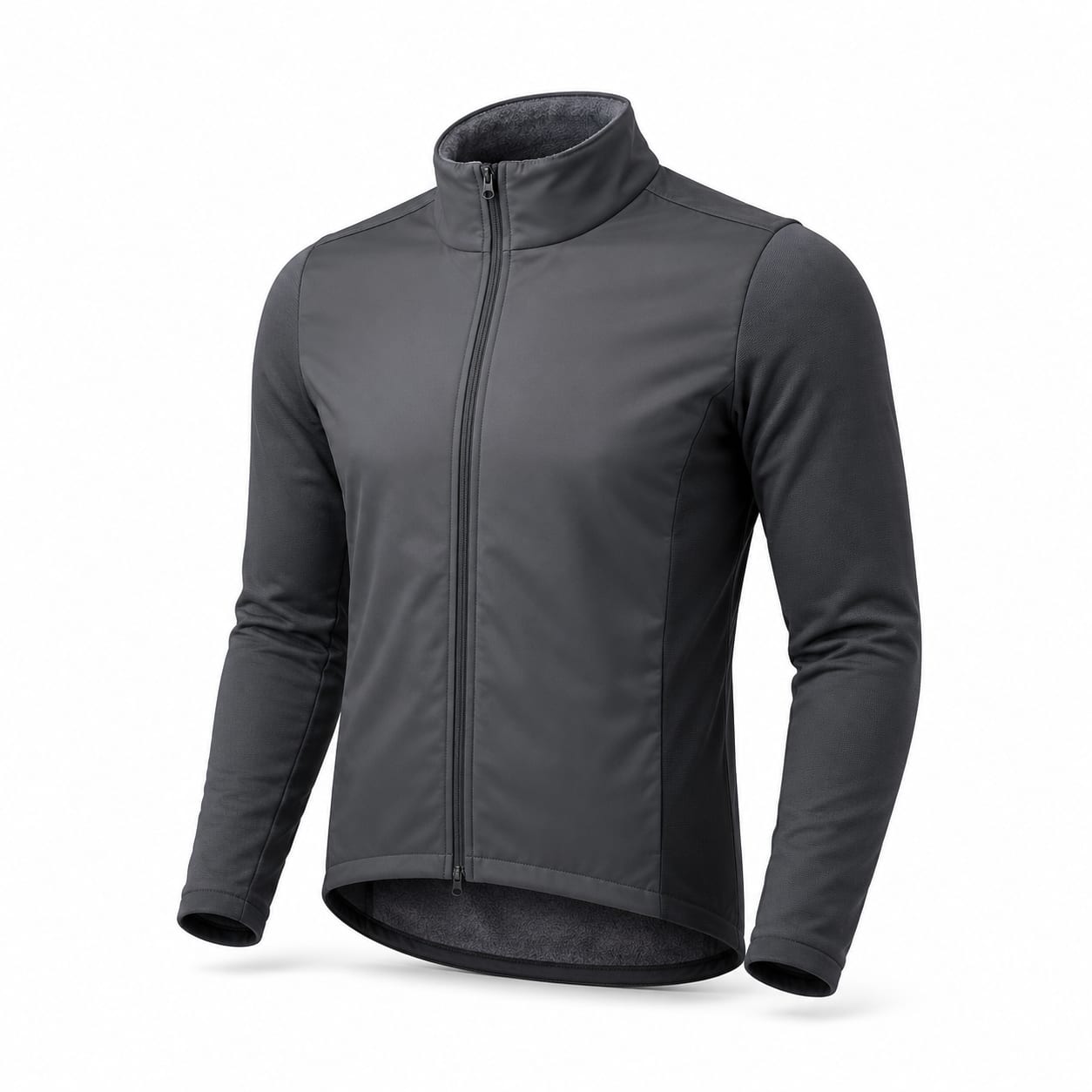
6 topics
Pick a question
Every answer links to the full subcategory guide and related gear types when it helps you decide.
What temperature range is a thermal winter jersey designed for?
Most thermal jerseys are designed for 0–12°C (32–54°F). In the 8–12°C range, you can often wear the thermal jersey with just a lightweight base layer. From 3–8°C, add a medium-weight base layer. Below 3°C, you'll likely need a windproof gilet or shell over the top. Above 12°C, a thermal jersey will cause overheating during effort — switch to a midweight or lightweight jersey.
Read answer →02Do I need a base layer with a thermal jersey?
It depends on the temperature and the jersey. Many thermal jerseys are comfortable against the skin thanks to the soft brushed interior, so a base layer isn't strictly necessary above 8°C. However, a lightweight merino base layer adds warmth, improves moisture management, and is easier to wash than the jersey itself. Below 5°C, a base layer is recommended. The key benefit of a base layer is that it wicks sweat away from your skin, so when you stop working hard, you don't have a cold, damp jersey against your body.
Read answer →03Can a thermal jersey replace a winter jacket?
In moderate cold (3–12°C), yes — a thermal jersey often eliminates the need for a jacket, which is why it's such a popular piece. It breathes better than a jacket and is more comfortable during hard efforts. However, in temperatures below 0°C, in rain, or in very strong wind, you'll still need a windproof or waterproof shell over the top. Think of a thermal jersey as your primary insulation layer, with a shell as your weather protection layer when conditions demand it.
Read answer →04How should a thermal jersey fit compared to a summer jersey?
A thermal jersey should fit close to the body like a summer jersey, but with slightly more room to accommodate a base layer underneath. The key difference is that any gap between the fabric and your skin becomes a cold spot in winter, so the fit needs to be snug. However, don't size down — if anything, size up slightly if you plan to wear thicker base layers. The jersey should seal at the wrists, neck, and waist without being restrictive. Test the fit with your intended base layer on.
Read answer →05Why do thermal jerseys have different fabric on the front and back?
This two-zone construction is the key design principle of thermal jerseys. The front (including shoulders and upper arms) faces the wind, so it uses wind-blocking fabric or laminated panels to prevent cold air from penetrating. The back is sheltered from wind but generates heat during effort, so it uses more breathable thermal fabric that allows sweat vapor to escape. This strategic placement keeps you warm on descents (wind blocked) while preventing overheating on climbs (heat vented). A uniform fabric would either let wind through on descents or trap too much heat on climbs.
Read answer →06How do I know if a thermal jersey has enough wind protection?
Hold the front panel up to a light source or blow through it. If you can see light through the fabric or feel air passing through, it has minimal wind protection. Quality wind-blocking panels will be nearly opaque and block airflow completely. Also check the panel coverage — the best thermal jerseys have wind-blocking fabric on the full front, shoulders, and upper arms. Some budget models only have wind-blocking on the chest, leaving your shoulders and arms exposed to chill.
Read answer →