
This two-zone construction is the key design principle of thermal jerseys. The front (including shoulders and upper arms) faces the wind, so it uses wind-blocking fabric or laminated panels to prevent cold air from penetrating. The back is sheltered from wind but generates heat during effort, so it uses more breathable thermal fabric that allows sweat vapor to escape. This strategic placement keeps you warm on descents (wind blocked) while preventing overheating on climbs (heat vented). A uniform fabric would either let wind through on descents or trap too much heat on climbs.
Cycling Jersey · Thermal / Winter Jersey
Why do thermal jerseys have different fabric on the front and back?
Related gear types
If this answer nudged you toward a different style, these guides compare specs and trade-offs.
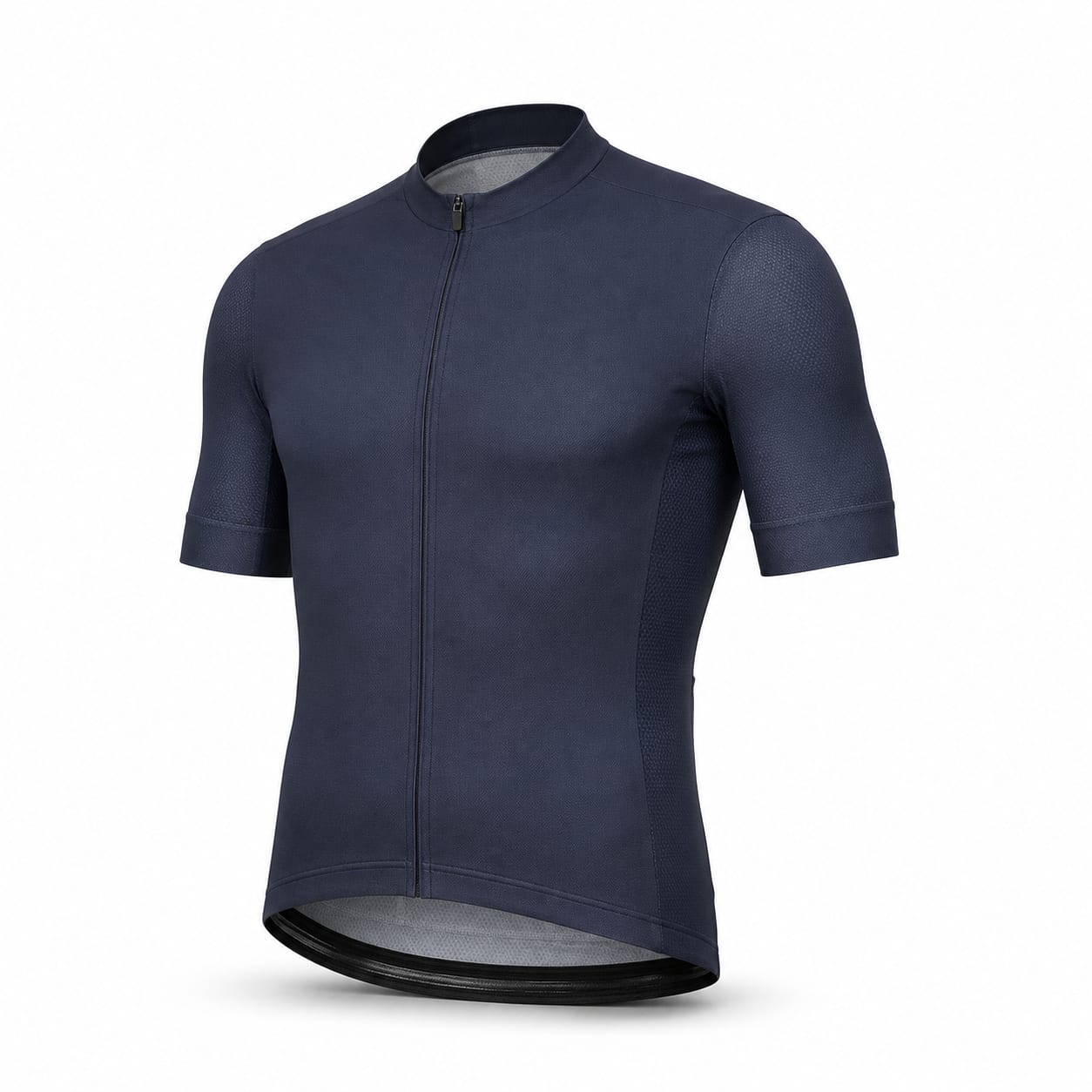
Endurance / Club Road Jersey
$50 – $280
A road cycling jersey balancing performance with comfort for long-distance rides and spirited group rides.
semi-form fitmoisture-wicking fabricsthree rear pockets
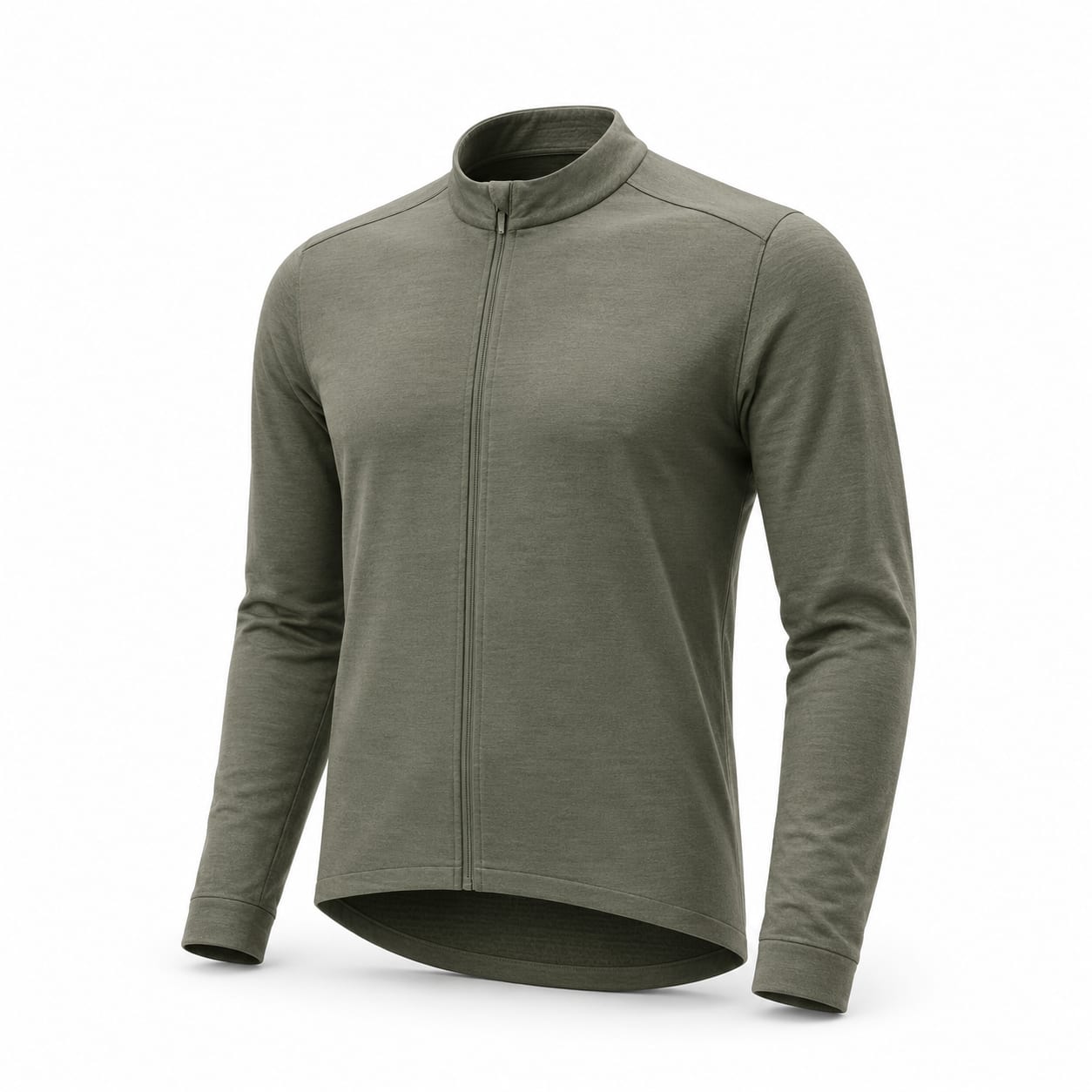
Commuter / Urban Jersey
$40 – $180
Stylish,低调 cycling jersey that blends on-bike performance with off-bike casual aesthetics for daily commuting.
casual stylingsubtle brandingrelaxed fit
More questions
- What temperature range is a thermal winter jersey designed for?
- Do I need a base layer with a thermal jersey?
- Can a thermal jersey replace a winter jacket?
- How should a thermal jersey fit compared to a summer jersey?