Kitvore.com

Kitvore.com

Specs that matter. Gear that fits.

Cycling Jersey · Subcategory

Thermal / Winter Jersey

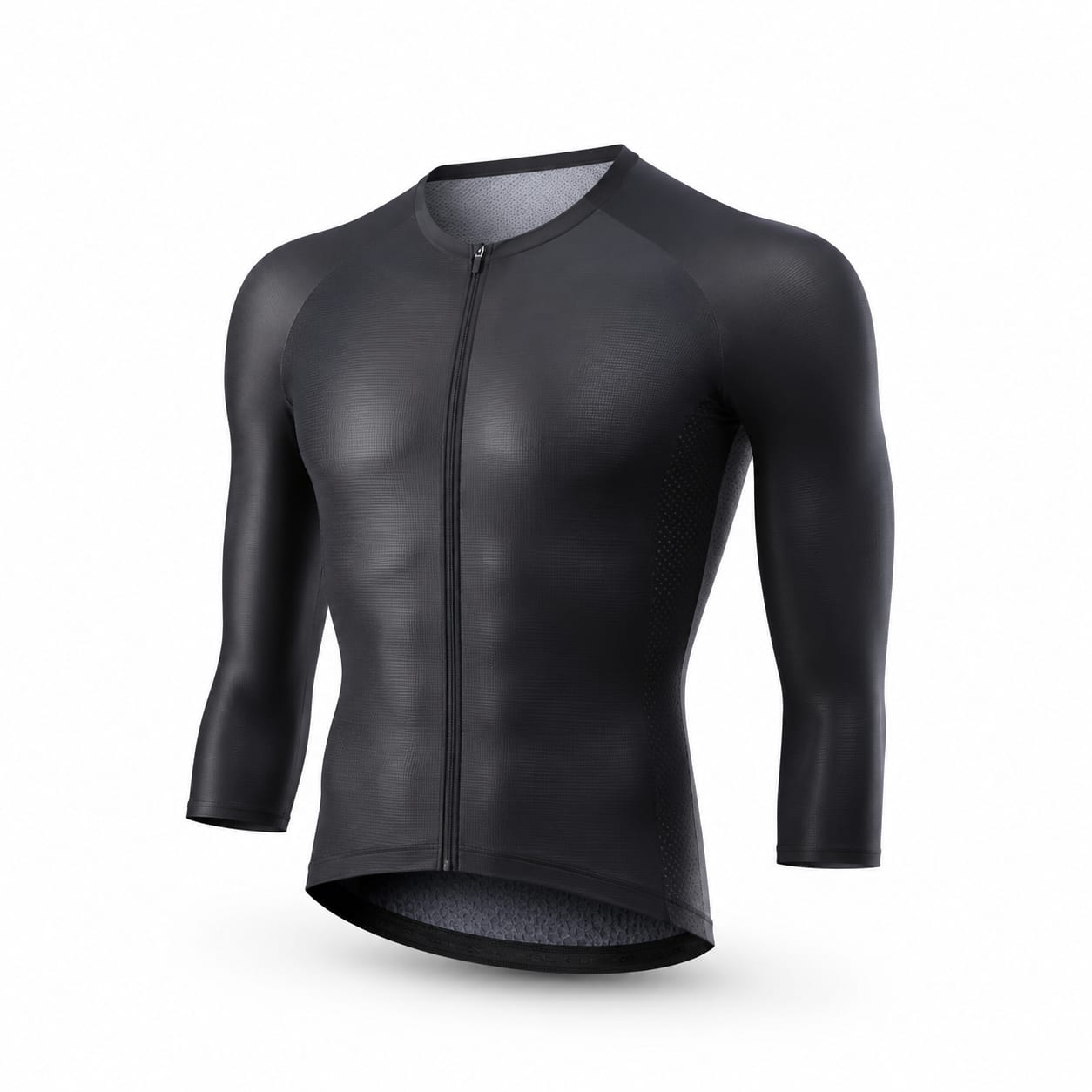
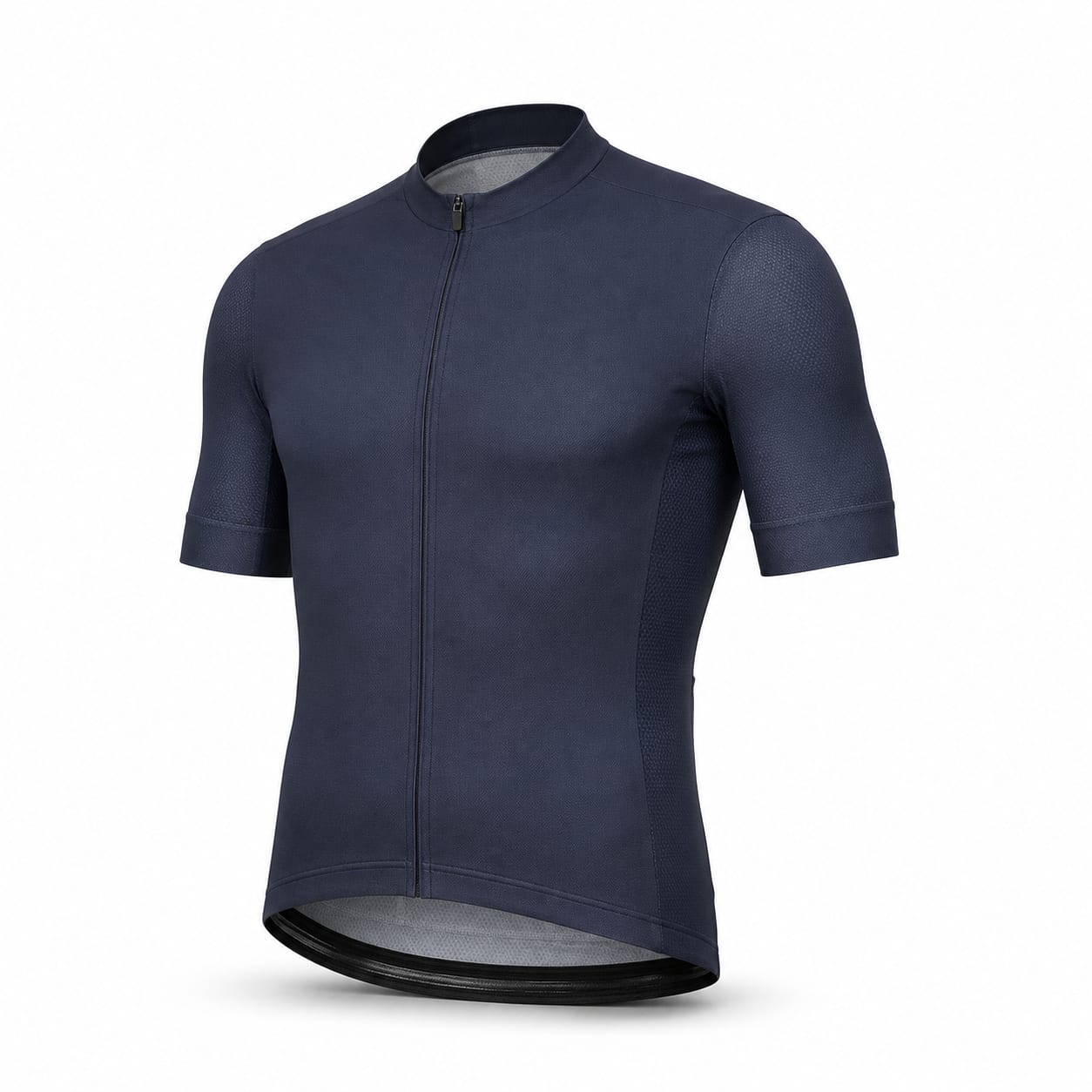
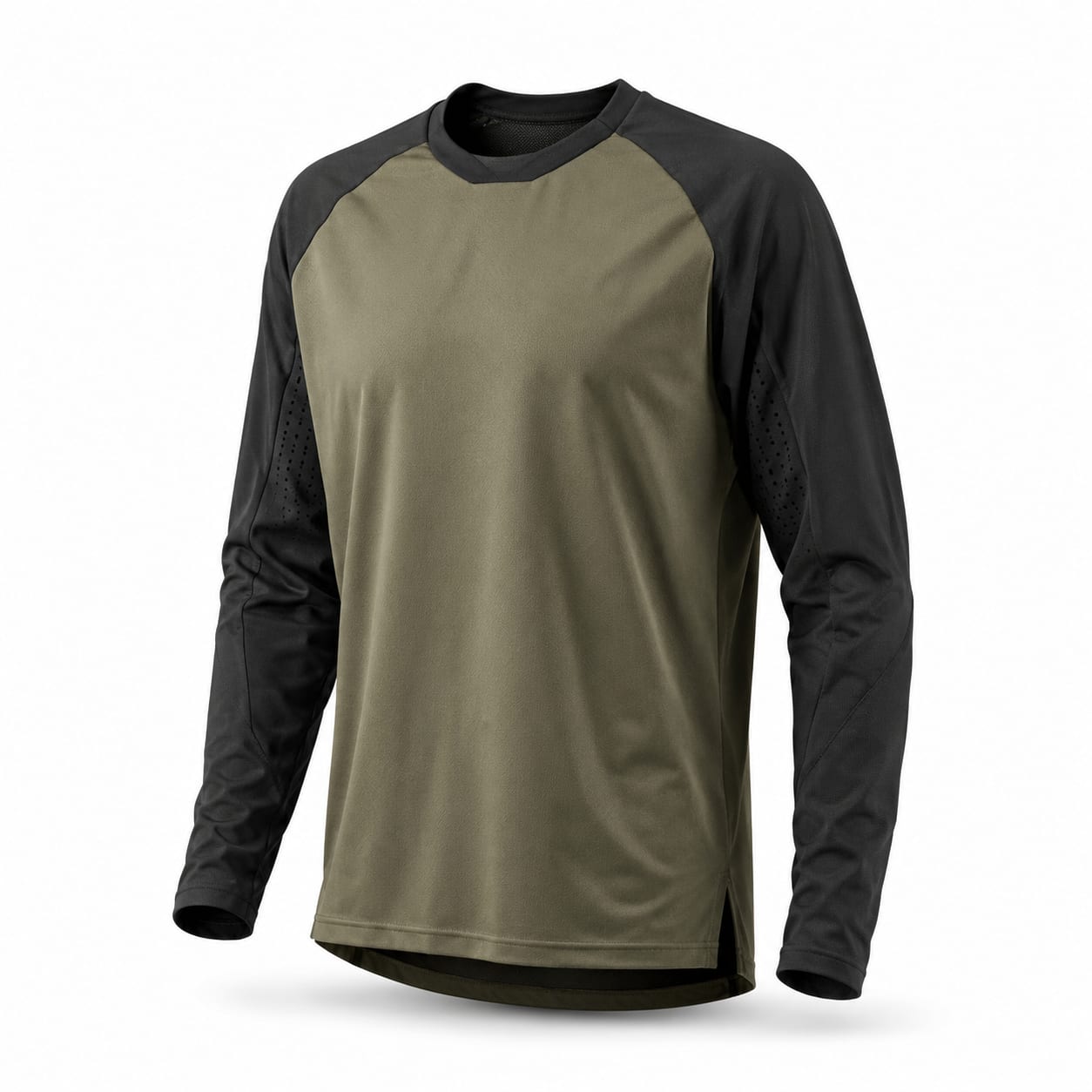
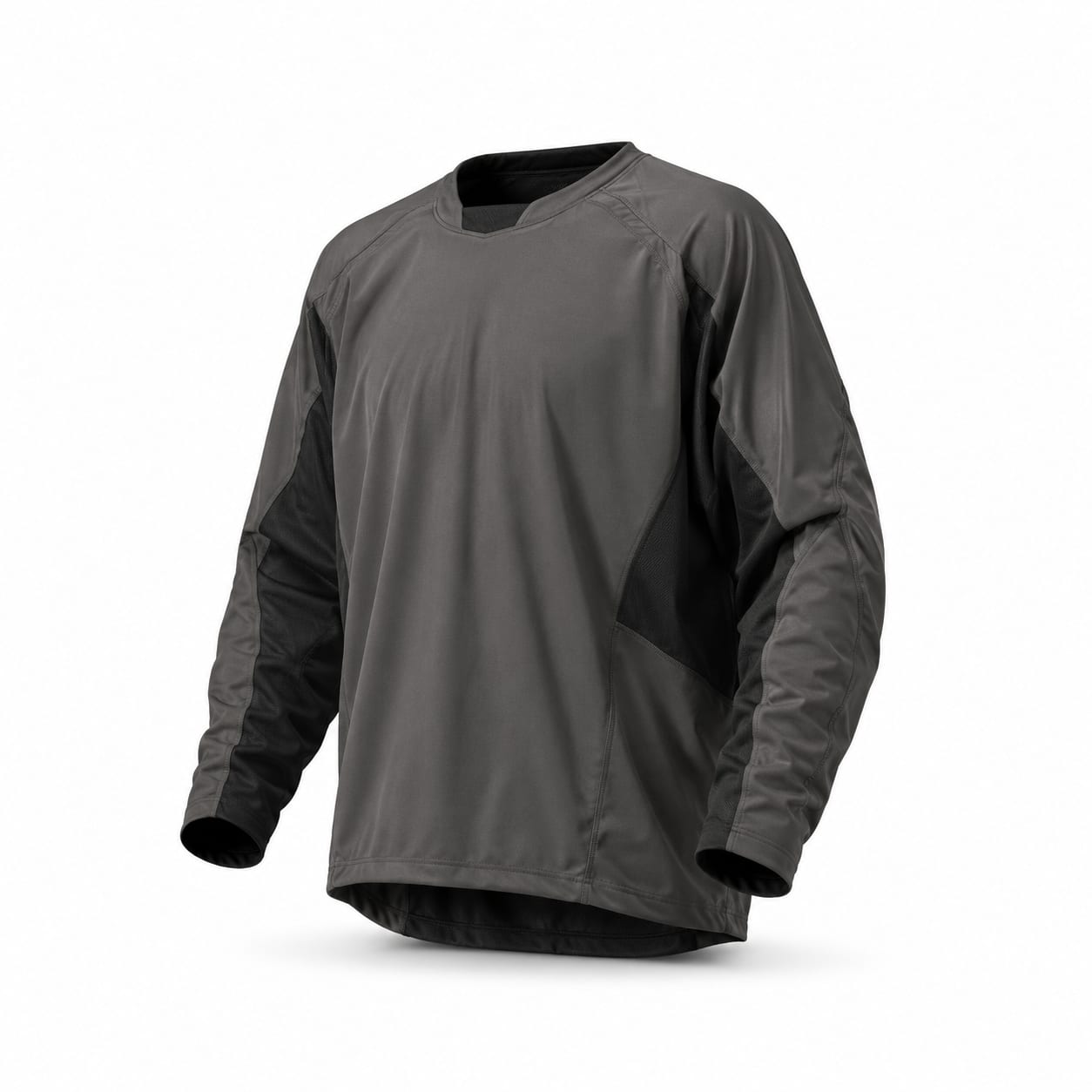
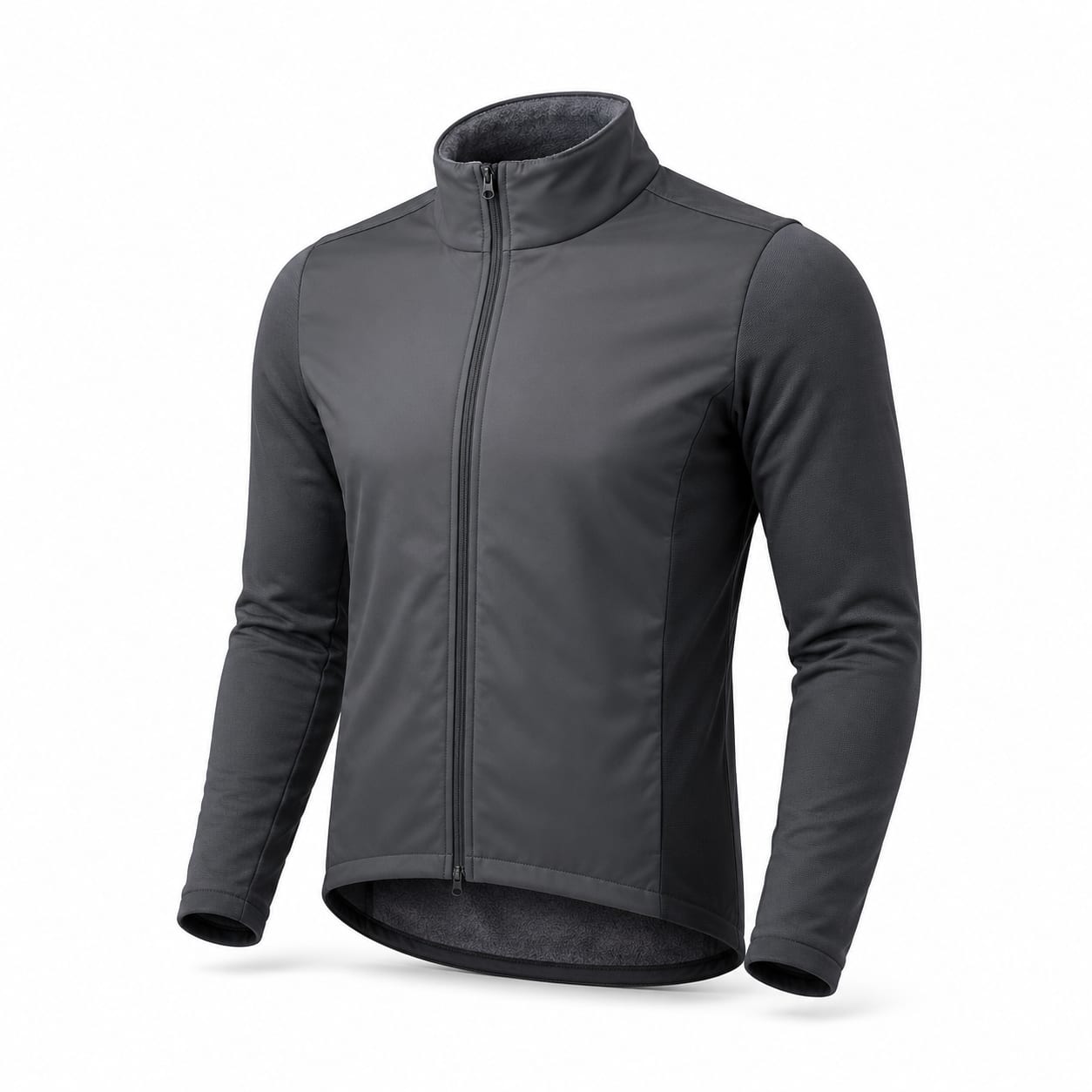
Insulating long-sleeve jersey with brushed interior and wind-blocking panels for cold-weather cycling comfort.

A thermal winter jersey is your core insulation piece for riding in temperatures from 0–12°C (32–54°F). Featuring a soft brushed-fleece interior that traps warm air, wind-resistant front panels, and a snug long-sleeve cut, it bridges the gap between a lightweight jersey and a full jacket — keeping you warm without the bulk or overheating of a shell.

$70 – $350premium tierintermediateadvanced

Best known for

Brushed fleece interior for warmth without a separate base layerWind-blocking front panels that cut chill on descentsReplacing a jacket on moderate cold days with better breathabilityExtended coverage with long sleeves, high collar, and longer tail
Thermal / Winter Jersey

Guide

Detailed overview

Thermal winter jerseys are purpose-built for cold-weather cycling, combining insulation, wind protection, and moisture management in a single garment. Unlike summer jerseys that prioritize maximum airflow, winter jerseys use brushed or roubaix-style fleece fabrics on the interior to create a warm microclimate next to the skin, while the outer face is typically a tighter weave or laminated panel that blocks wind. Most designs feature a two-zone construction: windproof panels on the front, shoulders, and upper arms where you face the most airflow, and more breathable thermal fabric on the back where your body generates heat. This strategic placement prevents the clammy cold feeling on descents while allowing sweat vapor to escape on climbs. The result is a piece that often eliminates the need for a separate jacket in temperatures from 0–12°C, making it one of the most versatile items in a cold-weather cycling wardrobe.

A thermal winter jersey is arguably the most important piece in a cold-weather cyclist's wardrobe because it solves the fundamental problem of winter riding: staying warm without overheating. When you're grinding up a climb, your body produces significant heat, and a full jacket turns into a sauna. But on the descent, wind chill can drop the effective temperature by 10–15°C, freezing the sweat on your skin. The thermal jersey's two-zone construction addresses this directly — wind-blocking panels on the front shield you from the chill, while breathable thermal fabric on the back lets heat and moisture escape during effort.

The brushed interior is the defining feature. Unlike smooth summer jersey fabrics, the interior of a thermal jersey has a soft, slightly fuzzy fleece finish that serves two purposes: it traps a layer of warm air against your body, and it wicks moisture away from the skin so sweat doesn't cool you down when effort drops. This brushed construction, often called 'roubaix' or 'thermofleece,' adds noticeable warmth without adding bulk. In temperatures from 5–12°C, many riders find a thermal jersey alone (with a lightweight base layer) is sufficient without needing a jacket.

Fit is particularly important for winter jerseys because any gap between the fabric and your body becomes a cold spot where air circulates. A good thermal jersey should fit close but not restrictive, with long sleeves that extend to the wrist with minimal gap, a high collar that seals around the neck, and a longer tail that covers your lower back in the riding position. Sleeve grippers and hem grippers matter more in winter because they prevent cold air from sneaking in. Look for cuffs that are snug — loose cuffs funnel cold air up your arms.

Layering strategy matters with thermal jerseys. In the 8–12°C range, a thermal jersey with a lightweight base layer is often perfect. As temperatures drop toward 0–5°C, add a windproof gilet or lightweight shell over the top rather than a thick base layer underneath, which can compromise the jersey's moisture management. The thermal jersey should be your primary insulation layer, with wind protection layered on top as needed. This approach gives you the most flexibility — unzip or remove the outer layer on climbs, put it back on for descents.

When shopping for a thermal jersey, prioritize wind-blocking front panels, a high collar, snug cuffs, and quality fleece-backed fabric. Avoid jerseys that are simply 'thick' without strategic panel placement — a heavy jersey without wind protection will feel warm on the climb but freeze you on the descent. Also consider reflective elements, since winter riding often means low-light conditions. A thermal jersey with moderate to extensive reflective details adds safety without compromising the warm, clean aesthetic.

Quick facts

Primary purpose
Maintaining thermal comfort and wind protection during cold-weather cycling
Popular brands
CastelliAssosRaphaPearl IzumiCraftSportful
Typical terrain
cold weather roadswinter training routesall conditions

What makes it different

Significantly heavier and warmer than standard jerseys; often uses softshell or windproof membrane fabrics; designed as a standalone cool-weather piece or mid-layer

Recommended ranges

How this type usually specs out

Each spec is explained in plain language, then we show what buyers usually look for on this type.

Fit Type

Fit Type

What it means

The overall cut and tightness of the jersey, affecting aerodynamics, comfort, and style. Fit is the single most important decision as it impacts every ride experience.

Typical for this type

Club Or Endurance

In practice

Thermal jerseys typically use a club or endurance fit to accommodate base layers underneath while still maintaining enough body contact for the insulation to work effectively. A race fit is too restrictive with layers; a relaxed fit allows cold air to circulate inside.

Compared to other types

Slightly more forgiving than summer race-fit jerseys to allow for layering, but closer-fitting than casual or relaxed jerseys to maintain thermal efficiency.

Why it matters: Fit directly impacts warmth — any gap between fabric and skin is a cold spot. But you need enough room for a base layer without the jersey flapping and letting wind in.

Sleeve Length

Sleeve Length

What it means

The length of the jersey sleeves, determining coverage, sun protection, and temperature regulation. Some modern jerseys feature extended sleeves for aerodynamic benefit.

Typical for this type

Long

In practice

All thermal winter jerseys feature long sleeves to provide full arm coverage and warmth. This is non-negotiable for the subcategory — short sleeves would defeat the purpose.

Compared to other types

Unlike summer jerseys where short sleeves are the default, thermal jerseys are exclusively long-sleeve. Some riders add arm warmers to short-sleeve jerseys, but a dedicated thermal long-sleeve provides superior warmth and convenience.

Why it matters: Long sleeves are essential for trapping heat around your arms, which are exposed to wind chill. Extended sleeves with snug cuffs seal the system and prevent cold air from entering.

Fabric Weight

Fabric Weight

What it means

The weight class of the jersey fabric, directly correlating to warmth, packability, and intended season of use. Measured informally by category rather than GSM for most consumers.

Typical for this type

Heavyweight (200+ GSM)

In practice

Thermal jerseys use heavyweight fabrics, typically in the 220–320 GSM range. The brushed fleece interior adds bulk and warmth compared to summer jerseys. Some premium models use lighter-weight wind-blocking membranes that achieve warmth with less fabric mass.

Compared to other types

Significantly heavier than lightweight summer jerseys (100–150 GSM) and midweight spring/fall jerseys (150–200 GSM). The weight is a feature, not a drawback — it's the insulation.

Why it matters: Heavier fabric with a brushed interior is what creates the insulating air layer. Going too light sacrifices warmth; going too heavy can cause overheating during hard efforts.

Pocket Count

Pocket Count

What it means

The number of rear pockets on the jersey. Pockets are the primary storage system for ride essentials like food, phone, tools, and spare tubes.

Typical for this type

3 or 4

In practice

The standard three rear pockets are present on nearly all thermal jerseys. A fourth zippered pocket is especially valuable in winter for securing a phone (batteries drain faster in cold) and storing keys or a card without risk of losing them with gloved hands.

Compared to other types

Same pocket count as summer jerseys, but pockets are often cut slightly deeper and with more secure openings to prevent items bouncing out over winter layers.

Why it matters: You carry more in winter — extra gloves, a windproof gilet, food, phone. Pockets need to be deep and secure. A zippered pocket is more valuable in winter than summer because retrieving items with gloved hands is harder.

Zipper Type

Zipper Type

What it means

The front zipper configuration controlling ventilation adjustment. Critical for temperature regulation during variable effort levels and weather.

Typical for this type

Full Zip Or Three Quarter Zip

In practice

Full zip is most common and preferred for thermal jerseys because it allows maximum ventilation control — you can fully unzip on climbs to dump heat, then zip up tight for descents. Three-quarter zip is a good alternative that avoids zipper bulk at the waist.

Compared to other types

Full zip is even more important for thermal jerseys than summer jerseys because the temperature differential between climbing and descending is more extreme in cold weather.

Why it matters: Temperature regulation is critical in winter riding. A full zip lets you adjust from fully sealed (cold descent) to fully open (hot climb) in seconds. Half or quarter zip limits this adaptability.

UV Protection (UPF)

UV Protection (UPF)

What it means

Ultraviolet Protection Factor rating indicating how effectively the fabric blocks UV radiation. Critical for long sun-exposed rides, especially at altitude.

Typical for this type

None Rated to Upf 25

In practice

UPF rating is rarely a priority for winter jerseys since they're used in low sun conditions and the heavier fabric naturally blocks most UV. Most thermal jerseys don't advertise a UPF rating, though the thick fabric typically provides good protection by default.

Compared to other types

Much less of a consideration than for summer jerseys. If you ride at altitude in winter sun, the fabric's natural thickness provides adequate protection even without a UPF rating.

Why it matters: Less relevant for winter jerseys than summer ones. The heavy fabric and long sleeves provide substantial UV blocking even without a formal rating. Winter sun is weaker and rides are often in low-light conditions.

Collar Type

Collar Type

What it means

The style of the neck/collar opening, affecting comfort, sun protection, and layering capability with jackets and base layers.

Typical for this type

Stand Up

In practice

Stand-up collars are the standard for thermal jerseys because they seal the neck opening against cold air and wind. A high, close-fitting collar is one of the most important features for winter comfort — your neck is a major area for heat loss and wind penetration.

Compared to other types

Unlike summer jerseys where crew or zip-guard collars dominate, thermal jerseys almost universally feature stand-up collars for the wind-sealing benefit.

Why it matters: A stand-up collar prevents cold air from funneling down your neck and creates a seal with your chin. This small detail makes a huge difference in perceived warmth, especially on fast descents.

Hem Gripper / Silicone Strip

Hem Gripper / Silicone Strip

What it means

Whether the jersey has silicone or elastic gripper strips at the hem to prevent the jersey from riding up during cycling.

Typical for this type

True (Strongly Recommended)

In practice

Hem grippers are essential on thermal jerseys. A jersey that rides up exposes your lower back to cold air — one of the most uncomfortable sensations in winter riding. The gripper keeps the jersey sealed against your body and maintains the thermal envelope.

Compared to other types

More critical than on summer jerseys. A gap at the waist in summer is uncomfortable; in winter it's a serious chill point that can end your ride.

Why it matters: In winter, a riding-up jersey isn't just annoying — it's a significant heat loss. The gripper keeps the longer tail of winter jerseys in place, especially when pockets are loaded with extra winter gear.

Reflective Elements

Reflective Elements

What it means

Presence and extent of reflective details for visibility in low-light conditions. Important for commuters and riders who may be out in dawn/dusk.

Typical for this type

Moderate to Extensive

In practice

Winter riding often happens in low-light conditions — early mornings, late afternoons, and overcast days. Moderate reflective elements on the back pockets and shoulders are common and recommended. Some winter jerseys go further with extensive reflective detailing.

Compared to other types

More important for thermal jerseys than summer jerseys due to the season of use. Summer jerseys can get away with minimal reflectivity; winter jerseys should have at least moderate reflective elements.

Why it matters: Shorter days mean more riding in dawn, dusk, or darkness. Reflective elements on your jersey are your primary visibility tool since you may not always wear a jacket with reflective details.

Primary Fabric Composition

Primary Fabric Composition

What it means

The main fiber type used in the jersey, affecting moisture management, durability, odor resistance, and environmental impact.

Typical for this type

Polyester + Elastane Spandex; Some With Nylon For Wind Panels

Most common pick: Polyester, Elastane Spandex

In practice

Most thermal jerseys use a polyester-elastane blend for the main body with brushed interior. Front wind-blocking panels may incorporate nylon or a laminated membrane. Merino wool blends appear in premium models for natural odor resistance on multi-day winter training camps.

Compared to other types

Similar to summer jerseys in base fiber (polyester), but the brushed finish and wind-blocking laminates are unique to thermal construction. Merino is more common in thermal jerseys than summer ones because its natural warmth and odor resistance are more valuable in winter.

Why it matters: Polyester provides the best balance of warmth, wicking, and durability for the brushed fleece construction. Elastane ensures the jersey maintains its close fit over layers. Nylon in wind panels adds abrasion resistance and wind-blocking capability.

Intended Season

Intended Season

What it means

The primary season or temperature range the jersey is designed for, guiding fabric choice, ventilation features, and construction.

Typical for this type

winter (0–12°C / 32–54°F)

In practice

Thermal jerseys are designed for winter conditions, typically 0–12°C (32–54°F). Below 0°C, most riders need to add a windproof shell. Above 12°C, a thermal jersey will overheat unless you're riding very easy. The sweet spot is 3–10°C where a thermal jersey with a light base layer is perfect.

Compared to other types

The warmest jersey subcategory. Warmer than spring/fall jerseys by a significant margin. Not a replacement for a summer jersey — it's a dedicated cold-weather piece.

Why it matters: Using a thermal jersey outside its temperature range leads to either freezing or sweating. It's a specialized piece — don't expect it to work in spring conditions without unzipping and rolling up sleeves.

Sleeve Gripper

Sleeve Gripper

What it means

Silicone or elastic gripper at the sleeve opening to keep sleeves in place. Especially important for aero jerseys where sleeve position matters.

Typical for this type

True (Recommended)

In practice

Sleeve grippers on the long sleeves of thermal jerseys serve a dual purpose: they keep the sleeve from riding up during effort, and more importantly, they create a seal at the wrist that prevents cold air from funneling up the sleeve.

Compared to other types

More important on thermal jerseys than summer short-sleeve jerseys. The wrist seal function is unique to long-sleeve designs and is a key winter comfort feature.

Why it matters: A snug wrist seal is critical for winter comfort. Without it, cold air enters the sleeve and chills your entire arm. The gripper also keeps the sleeve from sliding up when you reach for the handlebar, maintaining coverage.

Mesh Ventilation Panels

Mesh Ventilation Panels

What it means

Presence of mesh or perforated panels in high-heat areas (underarms, back, sides) for enhanced airflow and cooling.

Typical for this type

None

In practice

Thermal jerseys intentionally avoid mesh panels to maximize warmth. The back panel is typically a breathable thermal fabric rather than mesh, allowing some heat dissipation without the massive ventilation that would cause chilling. Some models have very small, strategic perforations under the arms.

Compared to other types

The opposite approach from summer jerseys, which maximize mesh. Even spring/fall jerseys may have underarm mesh. Thermal jerseys prioritize warmth over ventilation, relying on the back panel fabric's breathability and the front zipper for temperature regulation.

Why it matters: Mesh panels would undermine the entire purpose of a thermal jersey. The back fabric is chosen to be breathable enough to handle sweat during effort while still providing insulation when you're not working hard.

Cycling Discipline

Cycling Discipline

What it means

The primary cycling discipline the jersey is designed for, affecting fit, durability, pocket placement, and style.

Typical for this type

Road Or Gravel

In practice

Thermal jerseys are most common in road cycling where riders face sustained wind chill at higher speeds. Gravel riders also benefit from thermal jerseys for cold-weather adventures. MTB-specific thermal jerseys exist but are less common — MTB riders often prefer looser-fitting long-sleeve tops with different construction.

Compared to other types

Thermal jerseys are more discipline-specific than summer jerseys because the wind-blocking panel placement is optimized for a particular riding position. A road thermal jersey's wind panels won't align correctly in an upright MTB position.

Why it matters: Road-specific thermal jerseys have the most refined wind-blocking panel placement for the road riding position. Gravel thermal jerseys may have more pockets and durable fabric. Choose based on your primary riding style.

Gender-Specific Design

Gender-Specific Design

What it means

Whether the jersey is designed with gender-specific patterning for anatomical differences in torso length, shoulder width, and chest shape.

Typical for this type

Gender-Specific (Mens Or Womens)

In practice

Thermal jerseys are available in both men's and women's specific cuts. Proper fit is even more important in winter because gaps and loose areas become cold spots. Women's-specific thermal jerseys account for different torso proportions and chest shape to maintain the close contact needed for insulation.

Compared to other types

Fit precision matters more for thermal jerseys than summer jerseys. A loose summer jersey is merely unaero; a loose thermal jersey is cold. Women should especially avoid unisex thermal jerseys that don't account for their proportions.

Why it matters: A poorly fitting thermal jersey with gaps at the waist, neck, or chest will let cold air circulate inside, negating the insulation. Gender-specific cuts ensure the jersey seals properly against the body for maximum warmth.

Total Jersey Weight

Total Jersey Weight

What it means

The total weight of the jersey in grams. Lighter jerseys are preferred for hot weather and racing; heavier jerseys often indicate thermal or durable construction.

Typical for this type

250–350g

Most common pick: 280g

In practice

Thermal jerseys typically weigh 250–350g due to the heavier fleece-backed fabric and wind-blocking panels. This is significantly heavier than summer jerseys but lighter than a full softshell jacket. Premium models with advanced membrane fabrics can achieve similar warmth at lower weights.

Compared to other types

Much heavier than summer jerseys (120–180g) and spring/fall jerseys (180–250g). The weight is a feature — it's the insulation. A 280g thermal jersey replaces a 150g jersey plus a 200g gilet or jacket.

Why it matters: Weight correlates with warmth in thermal jerseys — heavier usually means warmer. However, advanced fabrics can achieve warmth with less weight. Don't chase light weight in a thermal jersey; chase the right warmth-to-breathability ratio.

Evaluation

Strengths and trade-offs

Pros

What this type does best

Eliminates the need for a jacket in moderate cold

Critical

In the 3–12°C range, a thermal jersey with a base layer is often all you need, avoiding the bulk and restricted movement of a jacket. You stay warm without feeling wrapped in plastic.

Strategic wind-blocking panels

Critical

Front panels block wind on descents while breathable back panels vent heat on climbs. This two-zone approach is more comfortable than a uniform jacket that's either too hot or too cold.

Brushed interior feels soft and warm against skin

High

The fleece-lined interior is immediately comfortable from the moment you put it on. It doesn't feel clammy like a jacket lining and provides next-to-skin comfort even without a base layer.

Better breathability than a jacket

High

Because thermal jerseys lack a full membrane, they breathe significantly better than waterproof or windproof jackets. You stay drier during hard efforts, which means you stay warmer when you stop working.

Streamlined layering system

High

One garment replaces the jersey + jacket combination, reducing bulk and simplifying your kit. Fewer layers means less restriction and better mobility on the bike.

High collar seals out wind at the neck

Medium

The stand-up collar on most thermal jerseys is a small detail with outsized impact. Sealing the neck prevents cold air from funneling down your chest, which is one of the fastest ways to lose heat.

Often includes reflective details for low-light visibility

Medium

Since winter means shorter days, many thermal jerseys incorporate reflective elements that summer jerseys lack. This adds safety without requiring a separate high-vis vest.

Snug cuffs and long sleeves seal the thermal envelope

Medium

Well-designed cuffs prevent cold air from entering at the wrists, and long sleeves with grippers maintain full arm coverage throughout the ride. These seals are critical for maintaining the warm microclimate inside the jersey.

Cons

Trade-offs to be aware of

Limited temperature range

Moderate

A thermal jersey is too warm above 12°C and may not be warm enough below 0°C without additional layers. It's a specialized piece with a narrower useful range than a summer jersey, meaning you can't wear it as often.

Overheats on hard climbs

Moderate

Even with full zip and breathable back panels, thermal jerseys can cause overheating during sustained hard efforts. You may need to unzip completely on climbs, which lets cold air in — an uncomfortable trade-off.

Not waterproof

Significant

Thermal jerseys repel light moisture but are not waterproof. Rain soaks through quickly, and a wet thermal jersey becomes a cold, heavy sponge. You need to carry a rain shell if there's any precipitation risk.

Bulky to carry if you need to remove it

Minor

At 250–350g, a thermal jersey takes up significant jersey pocket space if you need to remove it mid-ride. Unlike a lightweight gilet that stuffs small, a thermal jersey is a commitment for the duration of the ride.

Higher price than summer jerseys

Minor

The complex construction with wind-blocking panels, brushed interior, and additional fabric means thermal jerseys typically cost 20–40% more than equivalent summer jerseys from the same brand.

Odor retention in synthetic models

Minor

The heavier polyester fabrics used in thermal jerseys tend to hold odor more than lighter summer fabrics, especially since you may sweat more in them. Merino blends address this but at a higher price point.

Best for

Surfaces & terrain

Road cycling in cold conditionsGravel riding in winterFlat to rolling terrain where wind chill is constantClimbing in cool weather where breathability matters

Riding conditions

Cold and dry (0–12°C / 32–54°F)Overcast winter daysWindy conditions (wind-blocking panels help)Low-light dawn and dusk ridesClear winter days with wind chill

Skill level

IntermediateAdvancedExpert

Riding discipline

Winter trainingCold-weather base milesYear-round commutingGran fondos in cool conditionsSteady endurance rides

Rider profile

Year-round riders who train through winterCommuters who ride in cold morning temperaturesRiders who overheat in jackets but need more than a summer jerseyCyclists who prefer a streamlined kit over bulky layeringRiders in temperate climates with mild winters

Not ideal for

Reasons

Too warm for temperatures above 12°C — you'll overheat quicklyNot waterproof — requires a shell for rain protectionBelow 0°C, you need additional windproof layers over the topRace-fit thermal jerseys can feel restrictive with base layers underneathNot versatile enough to be your only jersey — you still need summer jerseys for warm weather

Surfaces & terrain

Hot weather riding (any terrain)Deep winter sub-zero conditions without additional layersHeavy rain riding

Skill level

Beginners who may not have base layering figured out

Riding discipline

High-intensity interval training in mild temperaturesIndoor trainingRacing in warm conditionsMountain biking where looser fit is preferred

Compare

How it stacks up

This page

Thermal / Winter Jersey

Simpler, more comfortable, and warmer than layering multiple summer pieces. The integrated wind-blocking panels are more effective than a gilet because they cover the shoulders and arms. No gaps between layers for cold air to penetrate.

Alternative

Lightweight Summer Jersey + Arm Warmers + Gilet

More versatile — you can remove layers as temperatures change. Individual pieces work across more seasons. Lower total investment if you already own summer pieces.

Bottom line

Choose the thermal jersey if you ride regularly in cold weather and want the most comfortable solution. Choose the layering approach if you ride in variable conditions or are on a budget and already have summer kit.

This page

Thermal / Winter Jersey

More breathable and less restrictive than a softshell. Better moisture management during hard efforts. Feels more like a jersey and less like outerwear. Often has better pocket placement and access.

Alternative

Softshell Jacket

Warmer and more wind/water resistant. Better for temperatures below 0°C and in wet or very windy conditions. More protective in harsh weather. Can be layered over any jersey.

Bottom line

Choose the thermal jersey for 3–12°C riding where breathability matters. Choose the softshell for sub-zero temperatures, wet conditions, or very windy days. Many riders benefit from owning both.

This page

Thermal / Winter Jersey

Significantly warmer with the brushed interior and wind-blocking panels. Extends your riding into true winter conditions. The high collar and snug cuffs provide better sealing against cold air.

Alternative

Spring/Fall (Midweight) Jersey

More versatile temperature range (10–18°C). Less likely to overheat during variable conditions. Can be used for more months of the year in temperate climates. Often less expensive.

Bottom line

Choose the thermal jersey if you regularly ride below 10°C. Choose the spring/fall jersey if your cold-weather riding is mostly in the 10–15°C range. In a full quiver, you want both — spring/fall for transition seasons, thermal for deep winter.

This page

Thermal / Winter Jersey

One garment instead of three — simpler, more comfortable, and no layering gaps. The thermal jersey's integrated design means wind-blocking panels are exactly where needed. No fumbling with multiple zippers and layers mid-ride.

Alternative

Base Layer + Summer Jersey + Windbreaker

Maximum flexibility — remove or add layers as conditions change. Each piece serves multiple purposes across seasons. Potentially lower cost if you already own the individual pieces.

Bottom line

Choose the thermal jersey for dedicated cold-weather riding where simplicity and comfort matter. Choose the multi-layer approach for highly variable conditions or bikepacking where packability and versatility are priorities.

Shopping

Buying tips

  • 1

    Prioritize wind-blocking front panels — this is the feature that separates a thermal jersey from just a thick jersey. Without wind protection, you'll freeze on descents even if the jersey feels warm in the shop.

  • 2

    Check the collar height and seal. A high, close-fitting stand-up collar is one of the most important features for winter comfort. If the collar is loose or low, cold air will funnel down your chest.

  • 3

    Size up if you plan to wear thick base layers underneath. A thermal jersey that fits perfectly over a thin base layer may be too tight over a heavier merino base layer. Test the fit with your intended layering system.

  • 4

    Look for snug cuffs with minimal stretch. Loose cuffs are the most common failing of budget thermal jerseys. Cold air entering at the wrist chills your entire arm. The cuff should be tight enough to seal but not restrict circulation.

  • 5

    Consider a zippered fourth pocket. In winter, you're more likely to carry a phone (which drains faster in cold) and want to secure it. Fumbling with open pockets while wearing gloves is frustrating.

  • 6

    Don't skip reflective elements. Winter means low light. A thermal jersey with reflective details on the back and shoulders adds safety without requiring a separate high-vis layer.

  • 7

    Test the zipper one-handed with gloves. A full zip is only useful if you can operate it with cold hands or gloves. Stiff or cheap zippers are a dealbreaker for a winter jersey.

  • 8

    If you ride in temperatures near 0°C, look for thermal jerseys with wind-blocking membranes on the front panels. Simple brushed fabric without a membrane won't block enough wind for sub-5°C riding at speed.

Care

Maintenance notes

  • Wash inside out to protect the brushed fleece interior from pilling and maintain its soft texture. The interior is the functional part — damaging it reduces warmth.
  • Close all zippers before washing to prevent the zipper teeth from snagging and damaging the fleece interior or wind-blocking panels.
  • Avoid fabric softener — it clogs the fibers and reduces wicking performance. This is especially important for thermal jerseys where moisture management during hard efforts prevents post-effort chilling.
  • Hang dry rather than using a dryer. High heat can damage wind-blocking membranes and cause the brushed interior to mat down, reducing its insulating loft.
  • Do not iron. Wind-blocking membranes and laminated panels can melt or delaminate under an iron. The brushed interior can also be damaged by direct heat.
  • Wash after every 2–3 rides in winter. Thermal jerseys absorb more sweat than summer jerseys because you're working harder in them, and the heavier fabric holds odor longer.
  • Store hung up rather than folded to maintain the loft of the brushed interior. Compressed storage reduces the insulating air pockets that provide warmth.
  • Check seam tape and wind-blocking panel integrity annually. Delamination at the edges of wind-blocking panels is a common failure mode after 2–3 seasons of regular use.

Progression

Skill development path

Thermal jerseys are straightforward to use but require understanding of layering strategy. Beginners should start with a single lightweight merino base layer under the thermal jersey and adjust by zipping/unzipping. As you gain experience, you'll learn your personal temperature preferences — some riders run hot and can wear just the thermal jersey down to 5°C, while others need a base layer at 10°C. Advanced riders develop a quiver approach: a lighter thermal jersey for 8–12°C, a heavier one with more wind protection for 2–8°C, and a softshell layer to add over the top for sub-zero rides. The key skill is learning to start a ride slightly cold — you'll warm up within 10 minutes, and starting warm means you'll overheat and sweat, which makes you colder later.

FAQ

Common questions

Each question has a dedicated page with a full answer and links to the buying guide.

What temperature range is a thermal winter jersey designed for?

Most thermal jerseys are designed for 0–12°C (32–54°F). In the 8–12°C range, you can often wear the thermal jersey with just a lightweight base layer. From 3–8°C, add a medium-weight base layer. Below 3°C, you'll likely need a windproof gilet or shell over the top. Above 12°C, a thermal jersey will cause overheating during effort — switch to a midweight or lightweight jersey.

Do I need a base layer with a thermal jersey?

It depends on the temperature and the jersey. Many thermal jerseys are comfortable against the skin thanks to the soft brushed interior, so a base layer isn't strictly necessary above 8°C. However, a lightweight merino base layer adds warmth, improves moisture management, and is easier to wash than the jersey itself. Below 5°C, a base layer is recommended. The key benefit of a base layer is that it wicks sweat away from your skin, so when you stop working hard, you don't have a cold, damp jersey against your body.

Can a thermal jersey replace a winter jacket?

In moderate cold (3–12°C), yes — a thermal jersey often eliminates the need for a jacket, which is why it's such a popular piece. It breathes better than a jacket and is more comfortable during hard efforts. However, in temperatures below 0°C, in rain, or in very strong wind, you'll still need a windproof or waterproof shell over the top. Think of a thermal jersey as your primary insulation layer, with a shell as your weather protection layer when conditions demand it.

How should a thermal jersey fit compared to a summer jersey?

A thermal jersey should fit close to the body like a summer jersey, but with slightly more room to accommodate a base layer underneath. The key difference is that any gap between the fabric and your skin becomes a cold spot in winter, so the fit needs to be snug. However, don't size down — if anything, size up slightly if you plan to wear thicker base layers. The jersey should seal at the wrists, neck, and waist without being restrictive. Test the fit with your intended base layer on.