
Most thermal jerseys are designed for 0–12°C (32–54°F). In the 8–12°C range, you can often wear the thermal jersey with just a lightweight base layer. From 3–8°C, add a medium-weight base layer. Below 3°C, you'll likely need a windproof gilet or shell over the top. Above 12°C, a thermal jersey will cause overheating during effort — switch to a midweight or lightweight jersey.
Cycling Jersey · Thermal / Winter Jersey
What temperature range is a thermal winter jersey designed for?
Related gear types
If this answer nudged you toward a different style, these guides compare specs and trade-offs.
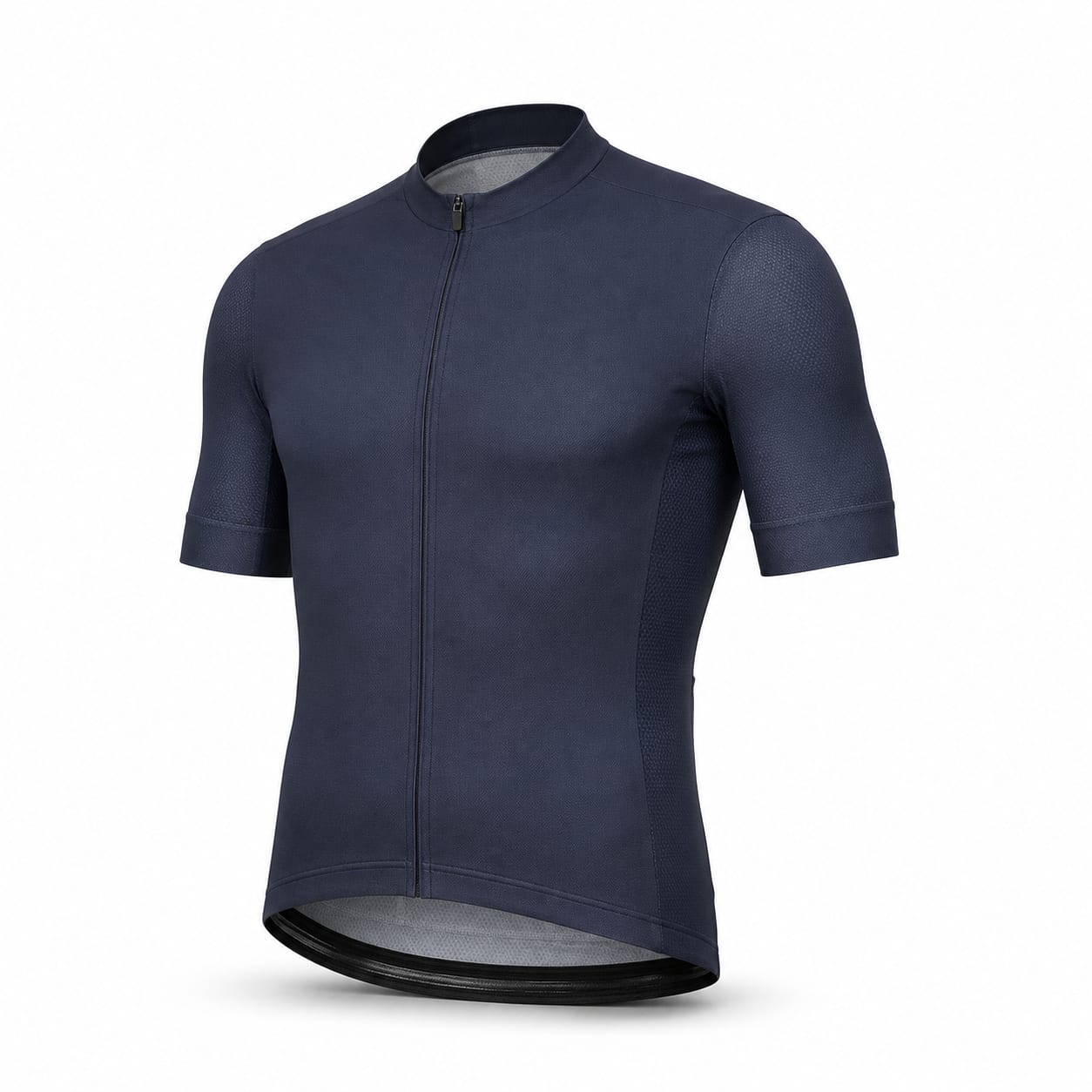
Endurance / Club Road Jersey
$50 – $280
A road cycling jersey balancing performance with comfort for long-distance rides and spirited group rides.
semi-form fitmoisture-wicking fabricsthree rear pockets
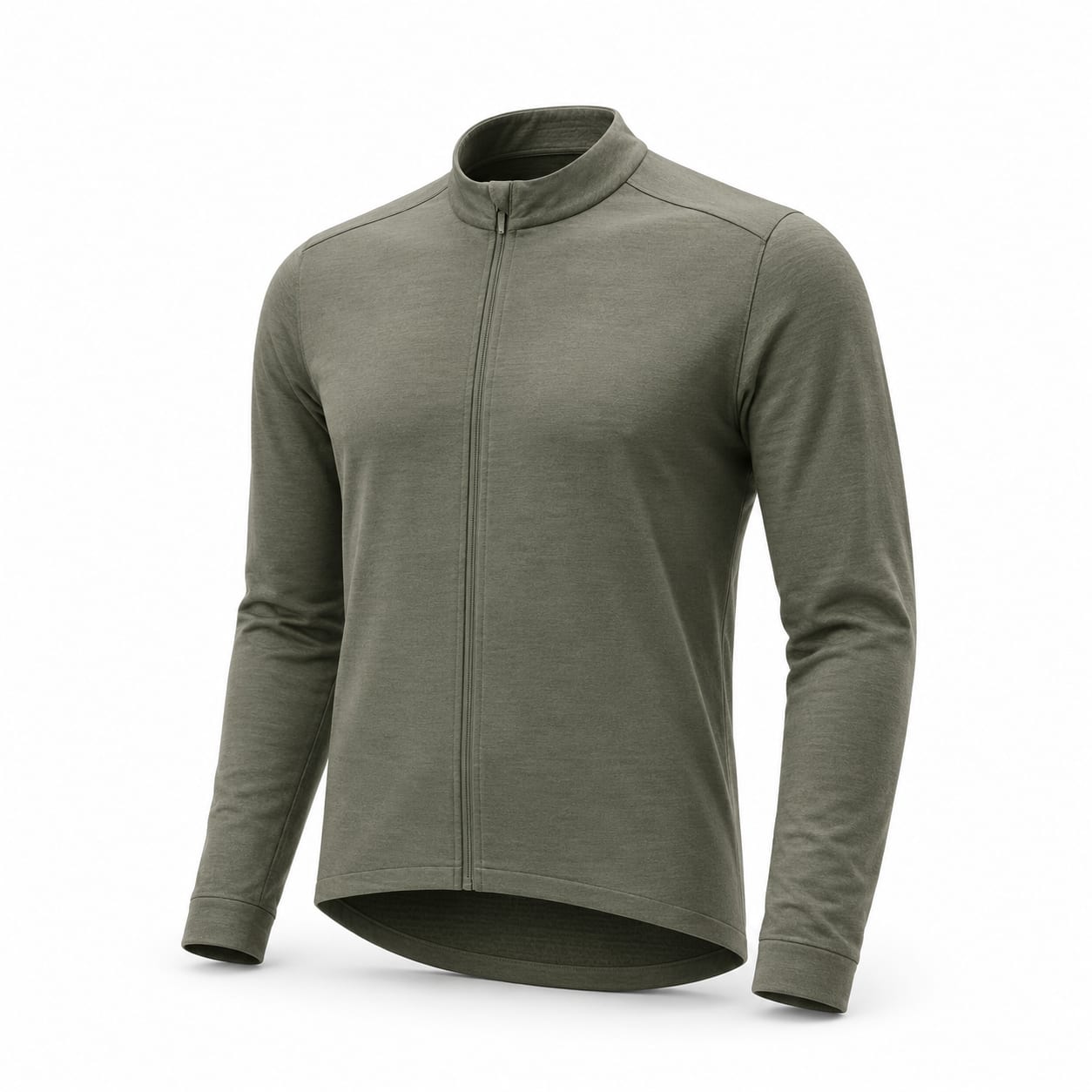
Commuter / Urban Jersey
$40 – $180
Stylish,低调 cycling jersey that blends on-bike performance with off-bike casual aesthetics for daily commuting.
casual stylingsubtle brandingrelaxed fit
More questions
- Do I need a base layer with a thermal jersey?
- Can a thermal jersey replace a winter jacket?
- How should a thermal jersey fit compared to a summer jersey?
- Why do thermal jerseys have different fabric on the front and back?