
Gravel Bike · FAQ
Questions about Gravel Race
Straight answers on fit, specs, and when this type makes sense — each topic has its own page with links back to the buying guide.
Open Gravel Race guide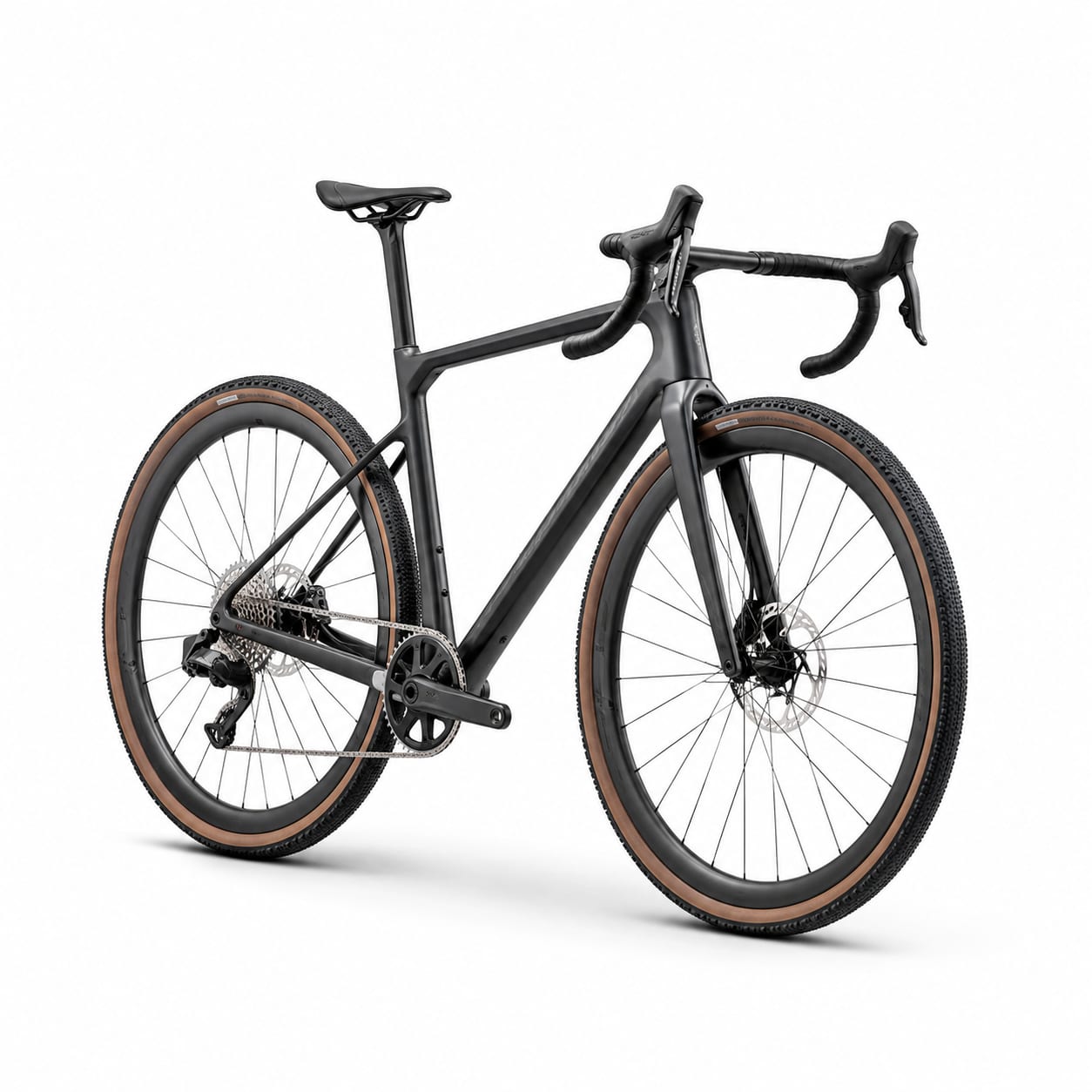
6 topics
Pick a question
Every answer links to the full subcategory guide and related gear types when it helps you decide.
Can I use a Gravel Race bike for bikepacking?
Technically yes, but it's not ideal. Most Gravel Race bikes have limited mounting points (4–8 vs. 12+ on bikepacking-specific frames), shorter chainstays that restrict frame bag space, and no rack or fender eyelets. You'll rely on a hydration vest and handlebar/seat bags rather than frame bags. For single overnighters with minimal gear, it works. For multi-day tours with full loads, you'll want a bike designed for the task.
Read answer →02Is 1x or 2x better for gravel racing?
1x dominates gravel racing for good reason: chain security on rough terrain, simpler cockpit, and fewer mechanical points of failure. The larger gear steps bother some road converts, but most racers adapt within a few rides. 2x makes sense if your race courses include significant pavement where tight gear steps help, or if you're a cadence-sensitive rider who can't tolerate 1x jumps. For most gravel racers, 1x with a 40T chainring and 10-44T cassette is the optimal setup.
Read answer →03What tire width should I race on?
For most gravel races, 35–40mm is the sweet spot. 35–38mm for smooth, fast courses with minimal technical terrain. 38–40mm for mixed courses with moderate roughness. Go wider (40–45mm) only for rough courses with chunky terrain or if you're a lighter rider who benefits from more air volume. Wider tires aren't always slower — on rough surfaces, a 40mm tire at 30 PSI rolls faster than a 35mm tire at 40 PSI because it absorbs rather than deflects over bumps.
Read answer →04Do I need a dropper post for gravel racing?
It depends on your courses. For flat to rolling races with no technical descents, a rigid post saves weight and is fine. For races with steep, loose descents (like many Colorado or Pacific Northwest events), a dropper post dramatically improves confidence and control. Many top gravel racers now run droppers even on relatively non-technical courses because the descending confidence gain outweighs the 200–400g weight penalty. If you're on the fence, try one — most riders who try a dropper never go back.
Read answer →05How much should I spend on a Gravel Race bike?
Competitive race-ready builds start around $2,500–$3,000 with aluminum frames and mid-range groupsets. The sweet spot for serious racers is $3,500–$5,500, where you get a carbon frame, hydraulic disc brakes, and often carbon wheels. Above $6,000, you're paying for marginal gains — electronic shifting, lighter wheels, and premium frames that offer diminishing returns. Invest in wheels, a power meter, and tires before spending on top-tier groupsets or frames.
Read answer →06Can I race gravel on an all-road or adventure gravel bike?
Absolutely — many gravel races are won on non-race-specific bikes, especially by strong riders. The main disadvantages are weight (1–2kg more), a less aerodynamic position, and slightly less responsive handling. If you already own an all-road or adventure gravel bike, race it before buying a dedicated race bike. You may find the comfort advantage on rough courses offsets the speed disadvantage. Only invest in a race-specific bike if you're consistently competitive and the geometry/weight is holding you back.
Read answer →