
1x dominates gravel racing for good reason: chain security on rough terrain, simpler cockpit, and fewer mechanical points of failure. The larger gear steps bother some road converts, but most racers adapt within a few rides. 2x makes sense if your race courses include significant pavement where tight gear steps help, or if you're a cadence-sensitive rider who can't tolerate 1x jumps. For most gravel racers, 1x with a 40T chainring and 10-44T cassette is the optimal setup.
Gravel Bike · Gravel Race
Is 1x or 2x better for gravel racing?
Related gear types
If this answer nudged you toward a different style, these guides compare specs and trade-offs.
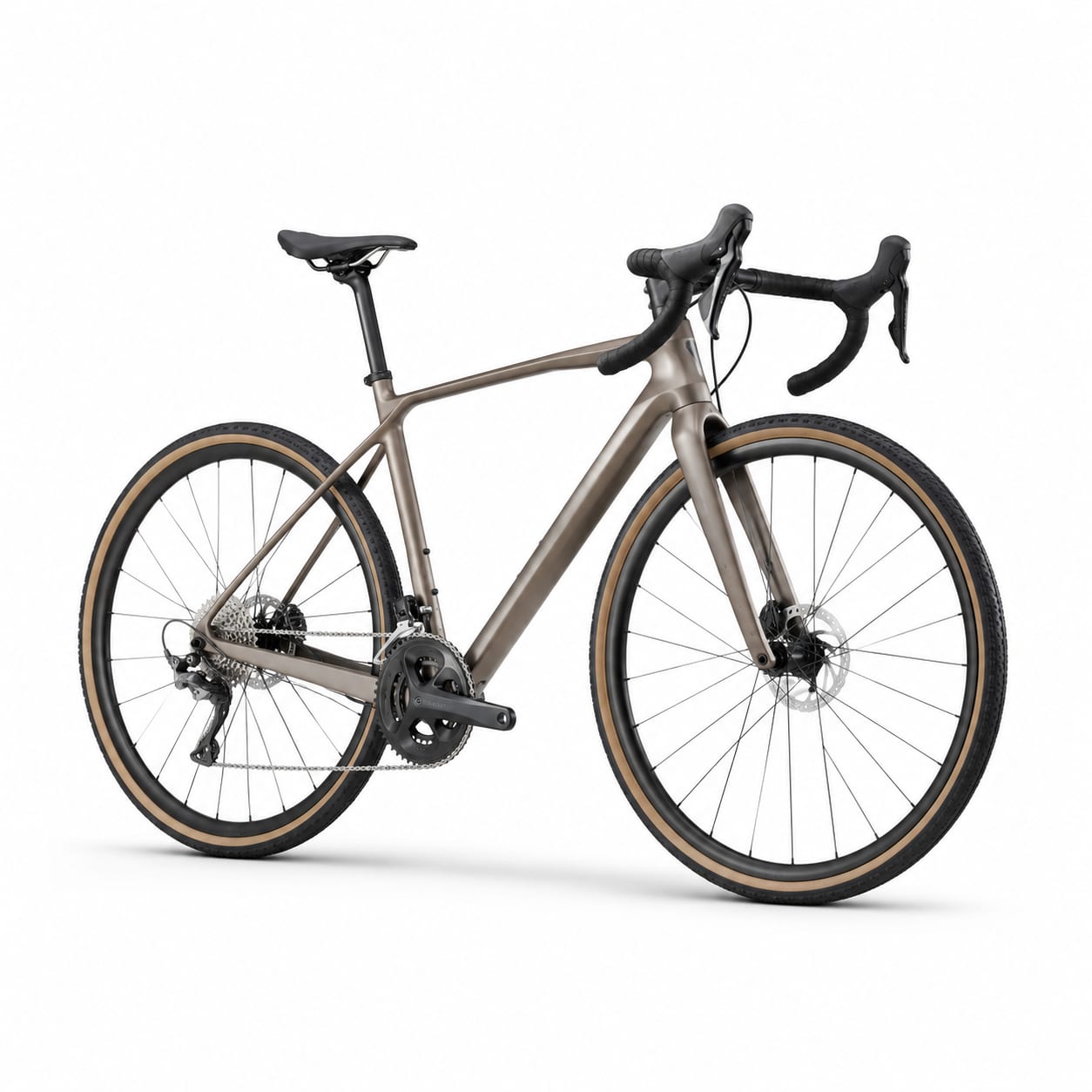
All-Road
$1500 – $10000
Road-oriented gravel bikes with modest tire clearance optimized for smooth gravel and paved surfaces.
Tire clearance 32–38mmRoad-adjacent geometryLower stack and longer reach
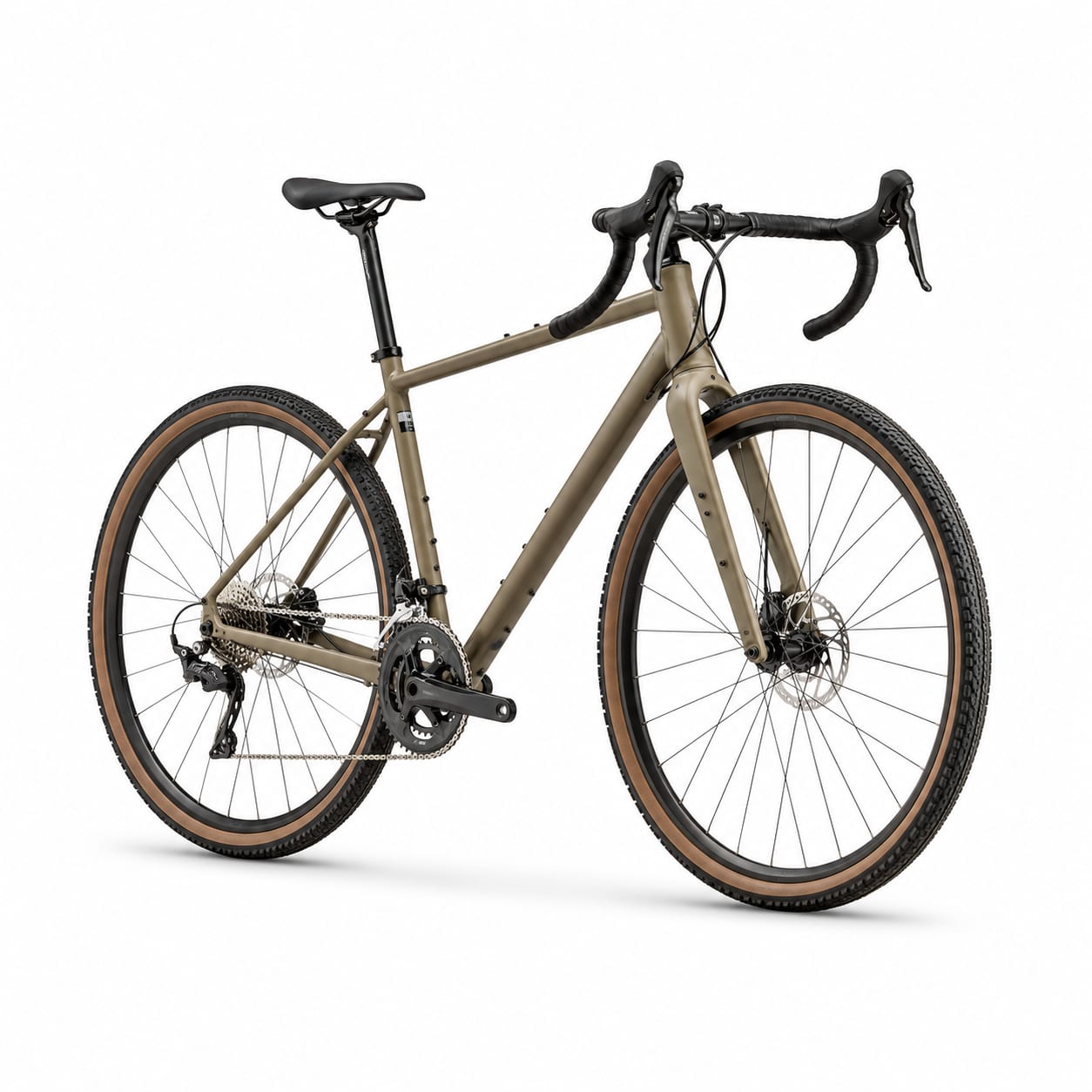
Classic Gravel
$1200 – $8000
The original do-it-all gravel bike with balanced geometry and mid-range tire clearance for mixed-terrain riding.
Tire clearance 38–45mmBalanced endurance geometryMultiple bottle and rack mounts
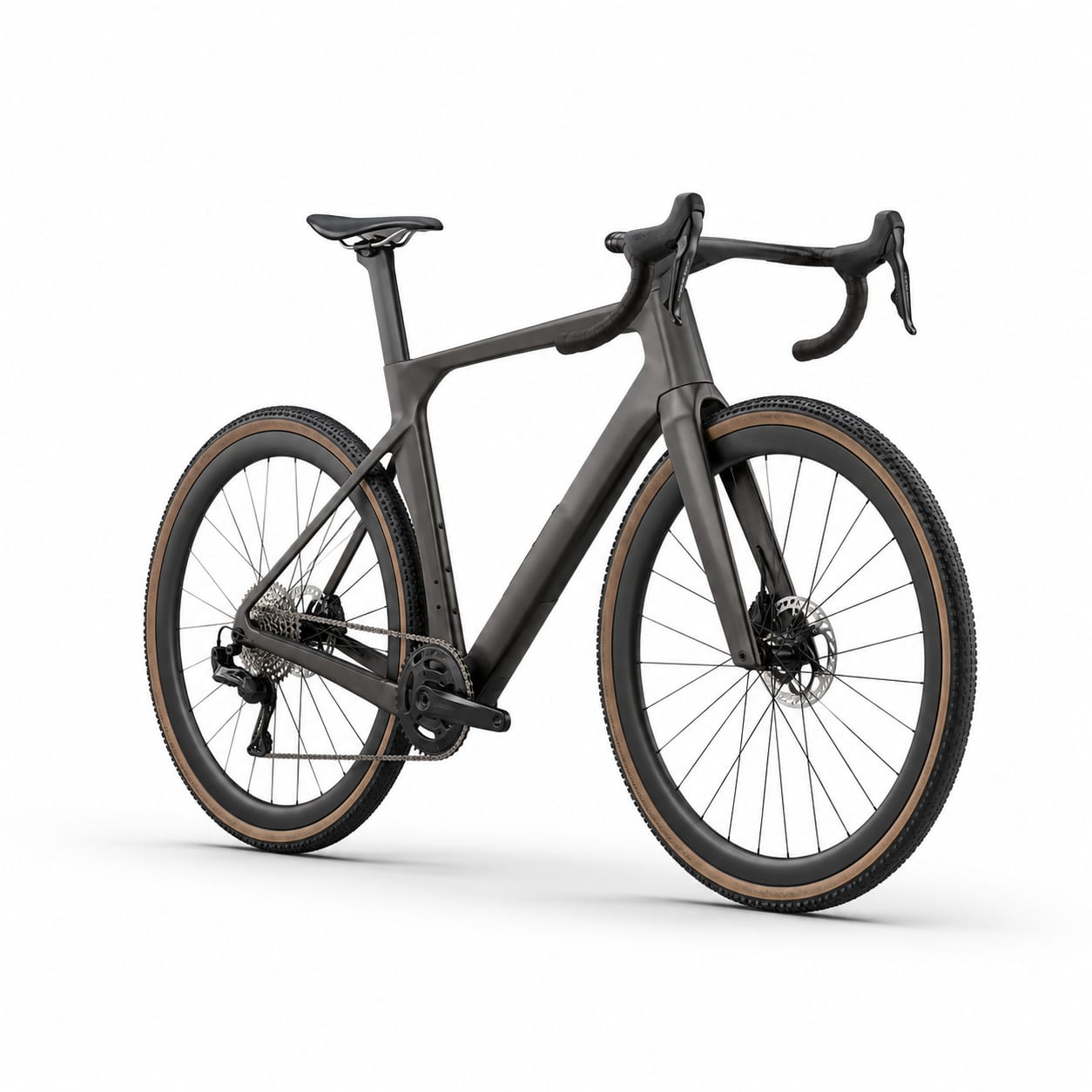
Aero Gravel
$3000 – $12000
Gravel bikes with aerodynamic frame optimization designed for flat and fast gravel racing.
Aero-optimized tube shapesIntegrated cockpitDeep section frame profiles
More questions
- Can I use a Gravel Race bike for bikepacking?
- What tire width should I race on?
- Do I need a dropper post for gravel racing?
- How much should I spend on a Gravel Race bike?