Kitvore.com

Kitvore.com

Specs that matter. Gear that fits.

Gravel Bike · Subcategory

Gravel Race

Purpose-built gravel bikes optimized for speed, efficiency, and competitive performance on mixed-surface courses.

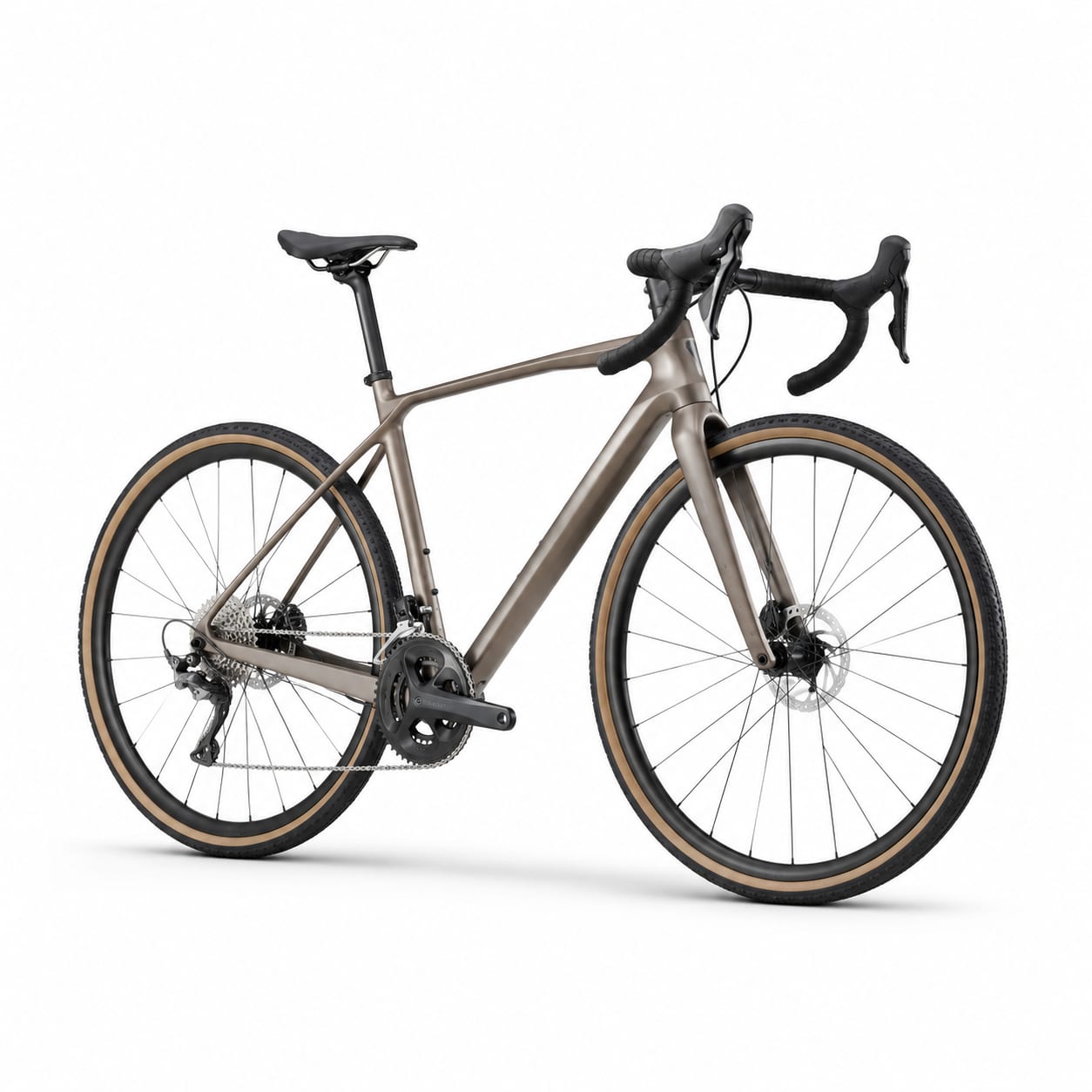
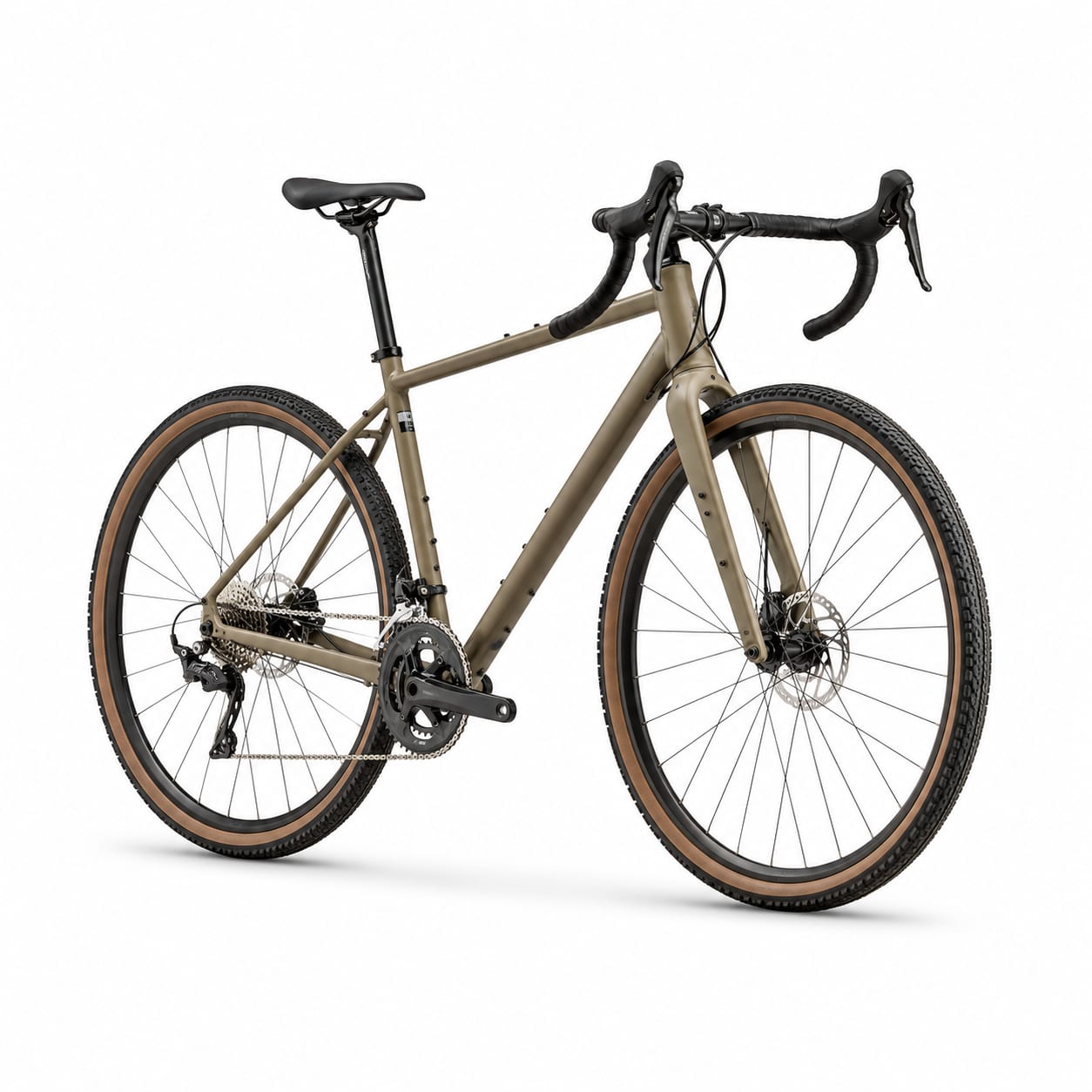
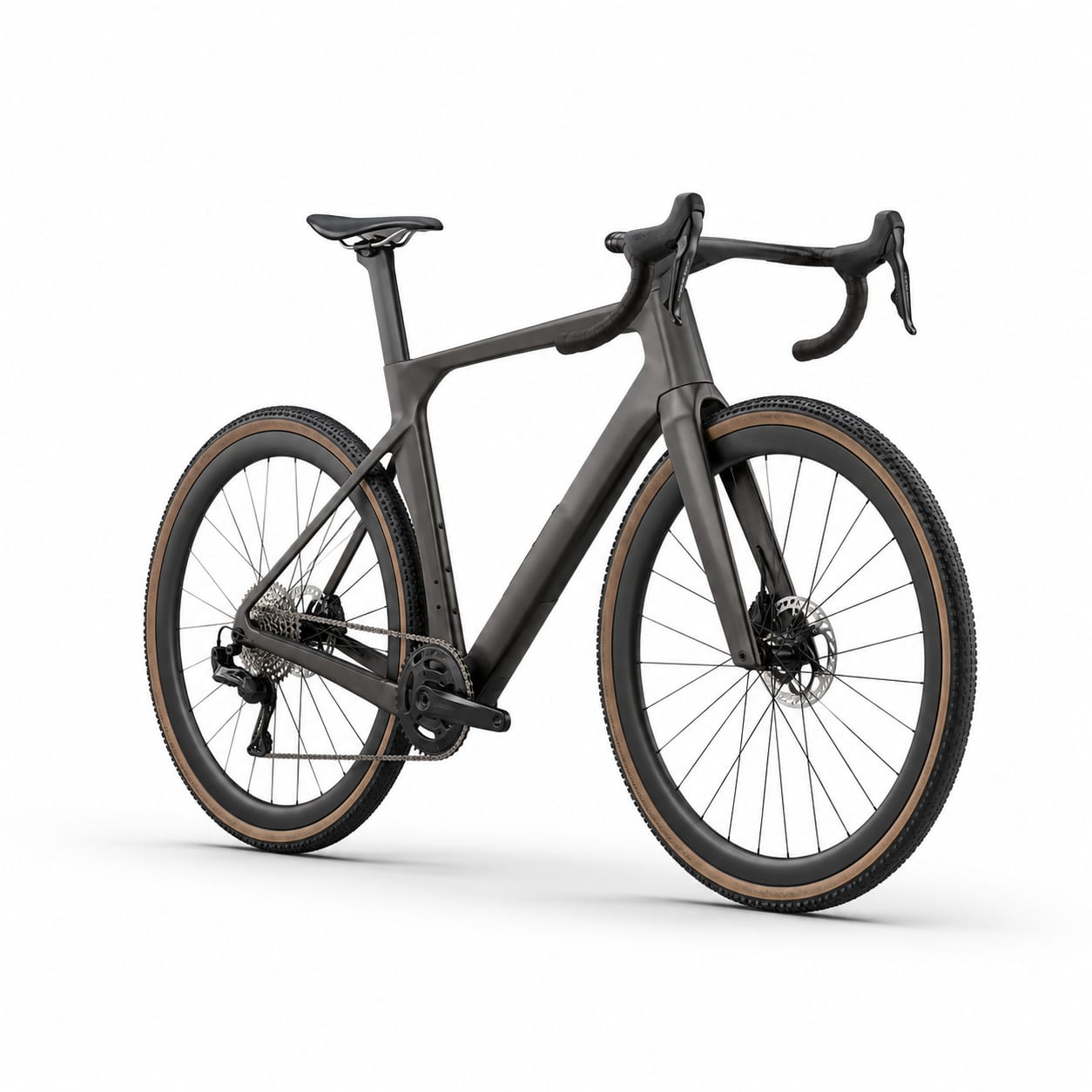
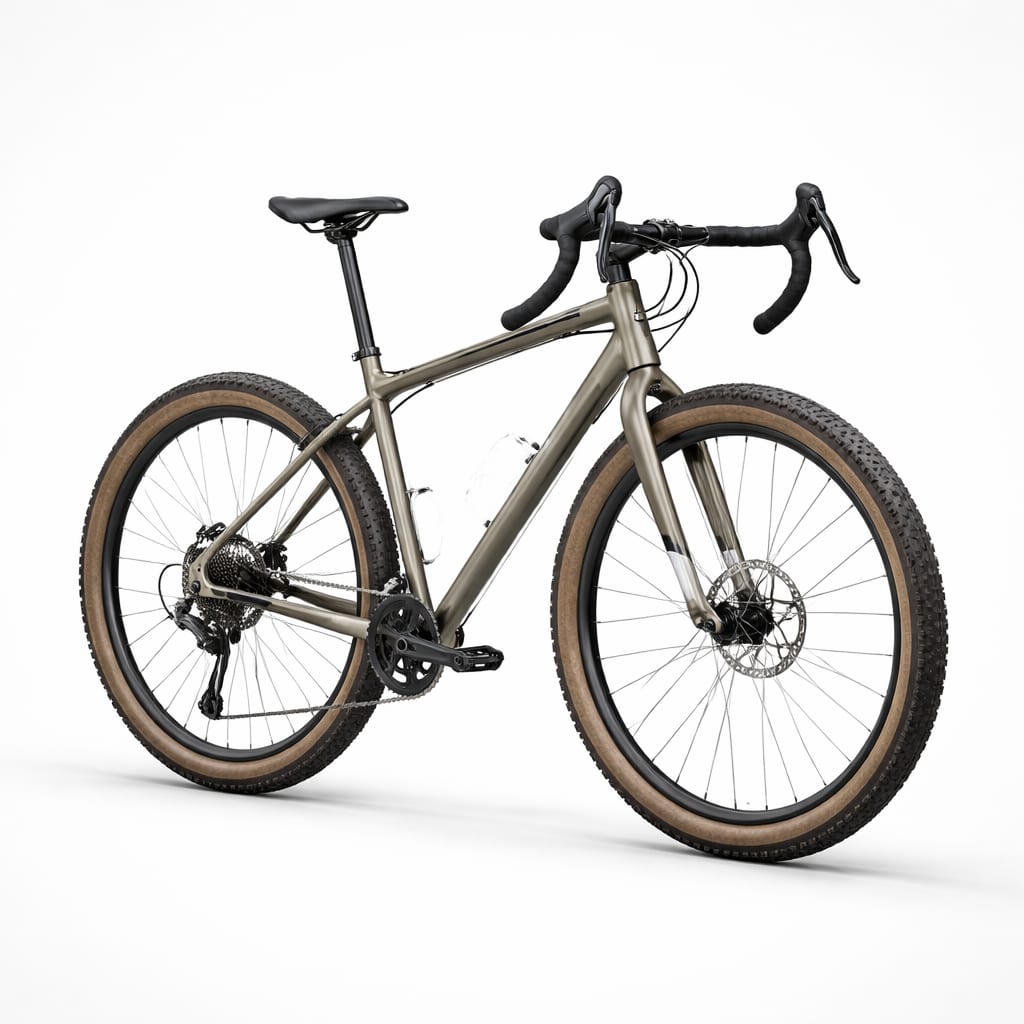
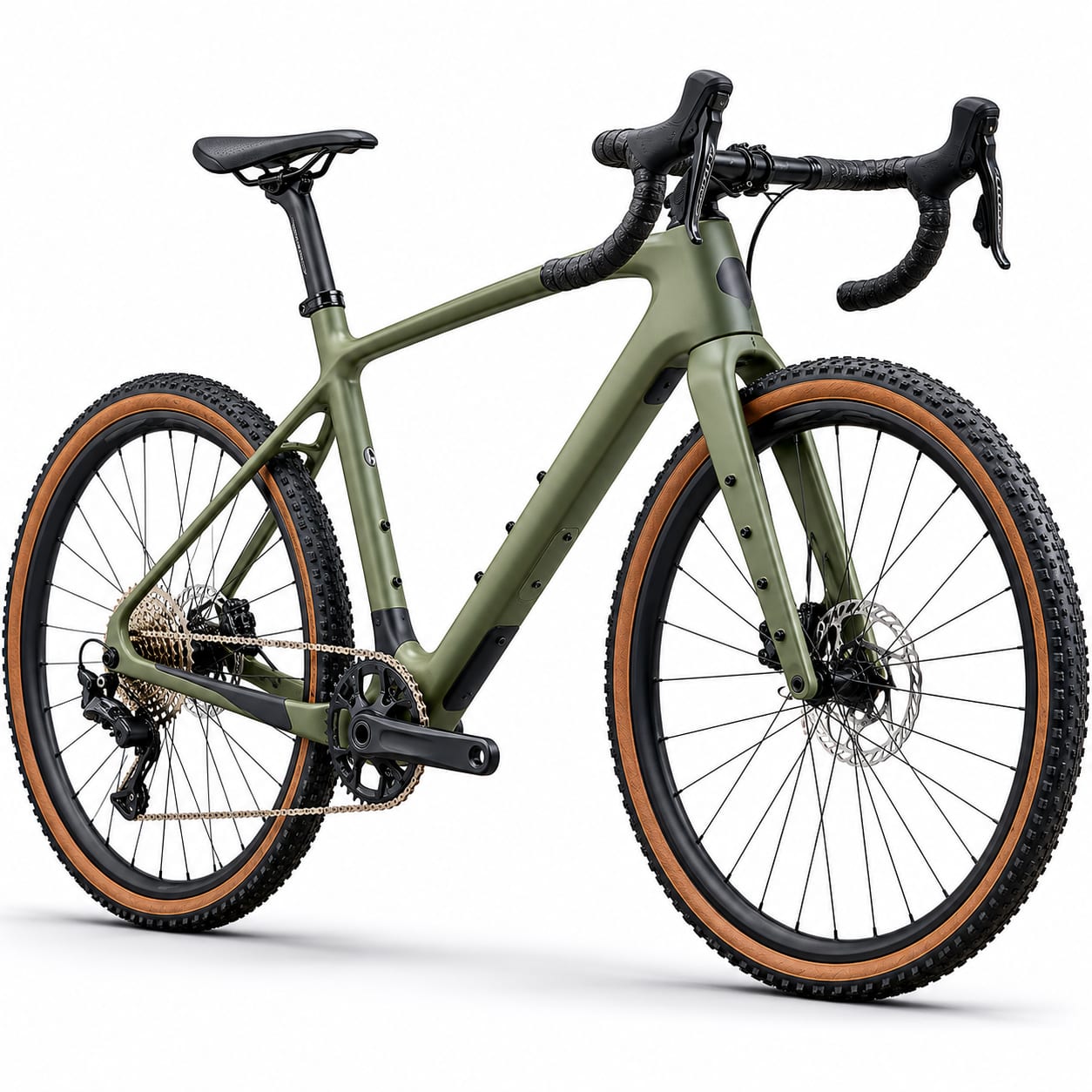
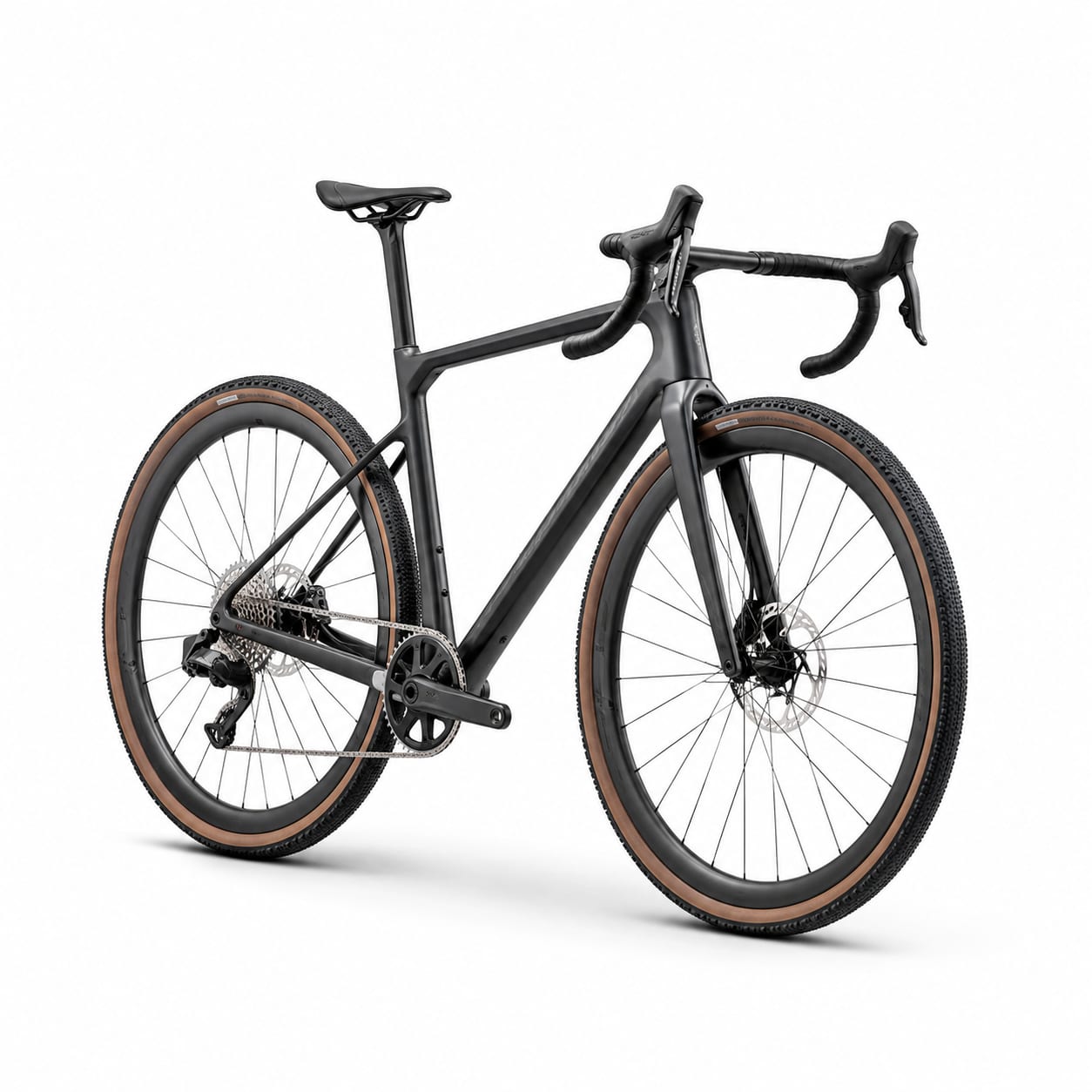
Gravel Race bikes are the thoroughbreds of the gravel world — stripped down, tuned up, and built to go fast across fire roads, doubletrack, and rough pavement. With aggressive geometry, carbon fiber construction, minimal mounting points, and race-day weight, these machines prioritize power transfer, aerodynamic positioning, and razor-sharp handling over cargo capacity and all-day comfort. If your gravel rides are measured in KOMs rather than campsite arrivals, this is your category.

$2500 – $12000premium tieradvancedexpert

Best known for

Aggressive, aerodynamic riding position for sustained power outputLightweight carbon fiber frames optimized for stiffness and efficiencyFast-rolling tire setups in the 35–40mm rangeMinimalist builds that shed every unnecessary gramQuick, responsive handling for technical race course maneuvering
Gravel Race

Guide

Detailed overview

Gravel Race bikes sit at the performance end of the gravel spectrum, designed specifically for competitive gravel events like Unbound Gravel, The Mid South, Grinduro, and fast group rides on mixed surfaces. Unlike all-road or bikepacking-oriented gravel bikes, race models prioritize speed, acceleration, and power transfer over versatility and comfort. The geometry leans toward a road race position — lower stack, longer reach — adapted just enough for off-road stability. Frame materials skew heavily toward carbon fiber with carefully engineered layups that balance stiffness at the bottom bracket with just enough compliance to take the edge off washboard gravel. Tire clearance typically maxes out around 40–45mm, enough for race-day traction without the weight and aerodynamic penalty of larger volumes. Drivetrains are predominantly 1x for chain security and simplicity, though 2x setups remain competitive for riders who want tighter gear steps on rolling courses. Mounting points are kept to a minimum — usually two or three bottle cage mounts and little else — because every unused boss is a few grams the competition doesn't carry. The result is a bike that feels like a road race machine that got lost on a dirt road, and that's exactly the point.

The gravel racing scene has exploded in recent years, and with it, a distinct subcategory of bikes purpose-built for going fast on dirt. Gravel Race bikes represent the convergence of road racing efficiency and off-road capability, filling the niche between all-road endurance bikes and adventure-touring gravel rigs. The defining characteristic is intent: every design choice serves speed, whether that's a lower front end for aerodynamics, shorter chainstays for snappy acceleration out of corners, or a rigid carbon fork that saves weight and maintains precise steering feel on loose surfaces.

Geometry is where Gravel Race bikes most clearly diverge from their adventure-oriented siblings. Stack-to-reach ratios typically fall between 1.38 and 1.48, placing the rider in a position that's aerodynamic and powerful but still sustainable for 4–12 hour events. Head tube angles tend toward 71.5–73 degrees, creating steering that's quick enough to dodge potholes and ruts but stable enough at 25+ mph on loose gravel. Chainstays land in the 415–430mm range, short enough for punchy acceleration but long enough to maintain traction on steep, loose climbs. This geometry rewards confident bike handlers and strong riders who can hold an aggressive position for hours.

Component selection on Gravel Race bikes reflects their no-compromise mission. Carbon wheels are increasingly stock equipment at higher price points, offering aerodynamic and weight advantages that matter when races are won by seconds. 1x drivetrains with wide-range cassettes (10-36T or 10-44T) dominate because chain retention on rough terrain is non-negotiable in a race, and the simplified cockpit keeps the bars clean for single-hand riding while eating or drinking. Hydraulic disc brakes with 160mm rotors are universal, providing consistent stopping power on dusty, loose surfaces where modulation matters more than raw power. Tire setups typically run 35–40mm at race pressures, balancing rolling resistance, grip, and comfort within the constraints of race-day speed.

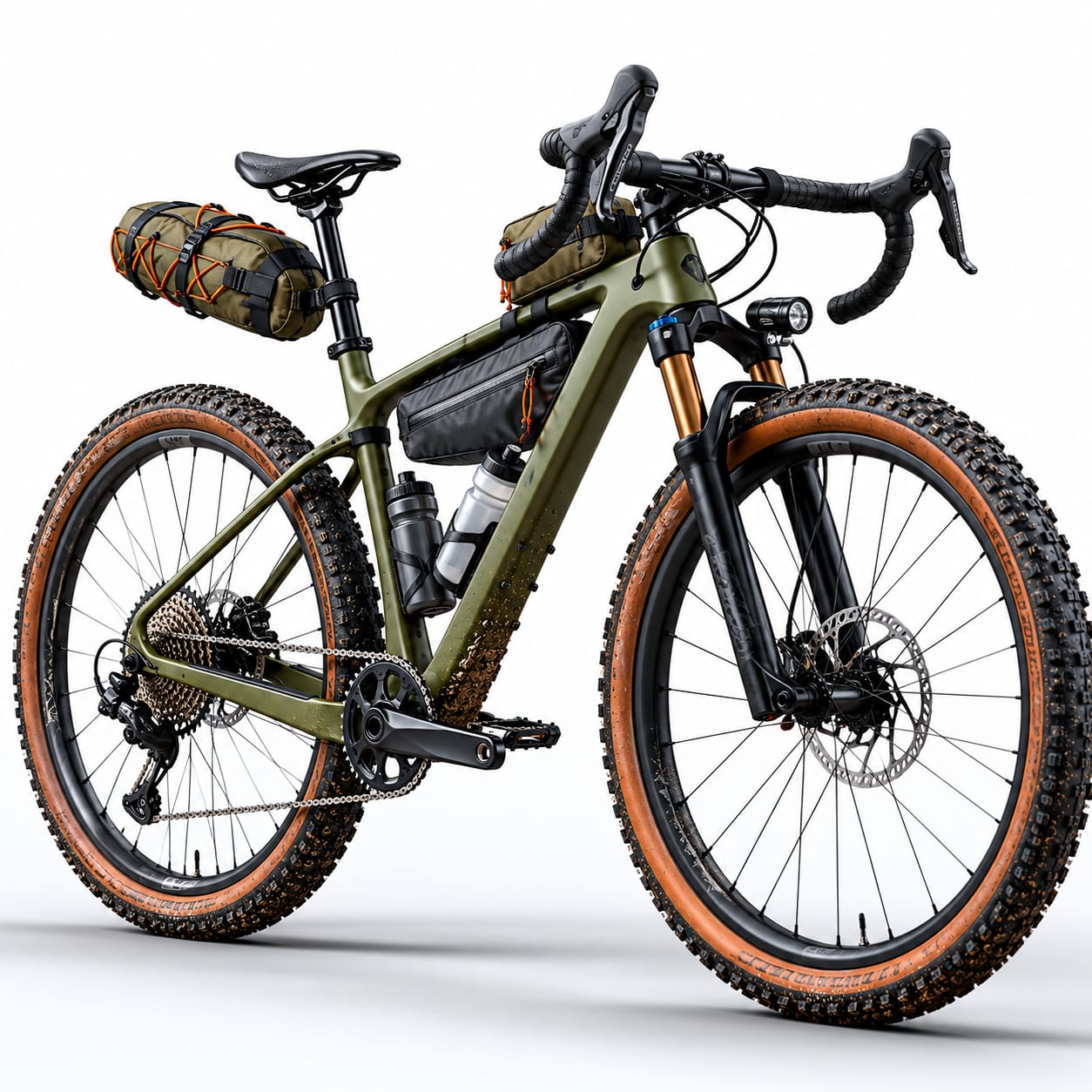
The trade-offs are real and should be acknowledged. Gravel Race bikes are less comfortable on multi-day adventures, less capable on technical singletrack, and less practical for bikepacking than their adventure-focused counterparts. The aggressive position that feels fast on race day can beat you up on a 200-mile gravel grinder if you're not conditioned for it. Limited mounting points mean you'll need a hydration vest rather than frame bags for self-supported events. And the lightweight carbon construction that saves grams is less forgiving of crashes and less repairable than steel or titanium. But for riders whose gravel experience is defined by effort, speed, and competition — not campfires and frame bags — these trade-offs are features, not bugs.

The Gravel Race category continues to evolve rapidly. Micro-suspension forks from Fox and RockShox are appearing on race-oriented builds, blurring the line between rigid efficiency and controlled compliance. Dropper posts are gaining acceptance even among pure racers for the confidence they provide on steep, loose descents. And tire widths have crept upward as research shows that wider tires at lower pressures can actually roll faster on rough surfaces. The modern Gravel Race bike is faster, more capable, and more comfortable than ever — without sacrificing the razor-sharp character that defines the category.

Quick facts

Primary purpose
Competitive gravel racing and fast group gravel rides
Popular brands
3TCervéloFactorCanyonSpecializedTrek
Typical terrain
Gravel roadsFast fire roadsPaved sectionsRacing surfaces

What makes it different

Lower stack, longer reach, and stiffer frame than other gravel bikes; minimal rack/fender mounts; built for speed over comfort; often features aero tube shapes

Recommended ranges

How this type usually specs out

Each spec is explained in plain language, then we show what buyers usually look for on this type.

Frame Material

Frame Material

What it means

The primary material used in frame construction, affecting weight, compliance, durability, and cost.

Typical for this type

Carbon (Aluminum Acceptable At Entry-Level Race)

In practice

Carbon fiber dominates gravel racing due to its superior stiffness-to-weight ratio and tunable compliance. Race-oriented layups prioritize bottom bracket and head tube stiffness for power transfer while engineering flex into the seatstays and seatpost for vibration damping.

Compared to other types

Carbon is near-universal in Gravel Race, whereas adventure and bikepacking subcategories commonly use steel or titanium for durability and compliance under load. Aluminum appears in budget race builds but is less common than in all-road or entry-level gravel.

Why it matters: In racing, every watt matters. Carbon's ability to be stiff where power is applied and compliant where comfort is needed is unmatched. The weight savings of 500–800g over aluminum translates to meaningful climbing advantages over a 100-mile race.

Max Tire Width

Maximum Tire Clearance

What it means

The widest tire the frame and fork can accommodate, measured in millimeters. Determines terrain capability and comfort potential.

Typical for this type

38–45mm

Most common pick: 40mm

In practice

Gravel Race bikes typically offer 38–45mm clearance, with 40mm being the sweet spot for most race courses. This provides enough volume for grip and comfort on loose surfaces without the weight and aerodynamic penalty of larger tires.

Compared to other types

Gravel Race clearance (38–45mm) is narrower than adventure (42–50mm) and bikepacking (45–57mm) subcategories, which prioritize volume and comfort for rough terrain and loaded riding. All-road gravel bikes may go as narrow as 35mm.

Why it matters: Tire width directly affects rolling resistance, grip, comfort, and acceleration. Race courses vary from smooth fire roads to chunky limestone, and 40mm hits the versatile middle ground. Too narrow and you lose traction and comfort; too wide and you carry unnecessary weight and aero drag.

Wheel Size

Wheel Size Compatibility

What it means

The wheel diameter standard the frame supports. Many modern gravel bikes accept both 700c and 650b.

Typical for this type

700c primary, 650b compatible preferred

Most common pick: 700c_and_650b

In practice

Most modern Gravel Race bikes accept both 700c and 650b wheels, though 700c is the race-day standard for its faster rolling characteristics and broader tire availability in race widths.

Compared to other types

Gravel Race bikes increasingly offer dual compatibility like other subcategories, but 700c is the clear race-day choice. Bikepacking-oriented bikes may favor 650b for its larger air volume, while all-road bikes are often 700c-only due to tighter clearances.

Why it matters: 700c wheels with 35–40mm tires are optimal for racing — faster rolling, lighter, and more aerodynamic. 650b compatibility adds versatility for training rides on rougher terrain with higher-volume tires, effectively giving you two bikes in one frame.

Drivetrain

Drivetrain Type

What it means

The gear system configuration including number of chainrings and cassette range, critical for terrain versatility.

Typical for this type

1x preferred; 2x for flat/rolling courses with significant pavement

In practice

1x drivetrains dominate gravel racing for their chain security on rough terrain, simplified cockpit, and reduced mechanical risk. Common setups include 40–44T chainrings with 10-36T or 10-44T cassettes.

Compared to other types

1x is even more dominant in Gravel Race than in other subcategories due to chain security demands. Adventure and bikepacking builds also favor 1x for simplicity, while all-road gravel bikes more commonly use 2x for tighter gear steps on pavement.

Why it matters: Chain drops cost races. A 1x system with a clutch derailleur virtually eliminates chain loss on washboard and rough descents. The simplified shifting (one lever, one direction) also reduces cognitive load during intense efforts. However, gear steps are larger, which can bother riders accustomed to road-style cadence matching.

Lowest Gear (Climbing)

Lowest Gear Ratio

What it means

The gear ratio of the easiest climbing gear, expressed as chainring teeth divided by largest cassette cog. Lower values enable easier climbing.

Typical for this type

0.80–0.95

Most common pick: 0.91

In practice

Gravel Race bikes typically offer lowest gear ratios around 0.91 (e.g., 40T × 11-36T cassette = 40/44 = 0.91). Stronger racers may run 42T chainrings yielding ~0.95, while mountainous courses demand 38T rings with 10-44T cassettes for ~0.86.

Compared to other types

Gravel Race lowest gears (0.80–0.95) are taller than bikepacking (0.68–0.83) and adventure (0.75–0.88) subcategories, which must account for heavy loads and lower speeds. All-road gravel may go even taller (0.90–1.0) for flat, fast courses.

Why it matters: Running out of gears on a steep, loose climb forces you to expend anaerobic energy that you can't recover. In a 4+ hour race, a gear that's too tall will cost you more time than a slightly heavier cassette. Know your course profile and err toward easier gears.

Front Suspension

Front Suspension Type

What it means

The type of front impact absorption system, ranging from rigid to short-travel suspension forks.

Typical for this type

Rigid Carbon For Pure Racing; Micro-Suspension For Rough, Long-Distance Events

Most common pick: Rigid Carbon

In practice

Rigid carbon forks are the standard for gravel racing, offering the lightest weight, simplest maintenance, and most direct steering feel. Micro-suspension forks (Fox 32TC, RockShox Rudy) are gaining acceptance for rough courses like Unbound.

Compared to other types

Gravel Race overwhelmingly uses rigid carbon forks. Adventure and bikepacking subcategories may use rigid steel for durability under load, or micro-suspension for multi-day comfort. The Future Shock system appears on some Specialized race models as a compromise.

Why it matters: Rigid forks save 400–600g and maintain precise steering feedback on loose surfaces where suspension can feel vague. However, on 200+ mile races with miles of washboard, micro-suspension can reduce hand fatigue enough to justify the weight penalty. Choose based on your typical race conditions.

Stack/Reach Ratio

Stack-to-Reach Ratio

What it means

The ratio of frame stack height to reach length. Higher values indicate a more upright, endurance-oriented position. Key indicator of a gravel bike's intended riding style.

Typical for this type

1.38–1.48

Most common pick: 1.44

In practice

Gravel Race bikes typically have stack/reach ratios of 1.38–1.48, placing the rider in a low, aerodynamic position that's still sustainable for long efforts. This is significantly lower than endurance-oriented gravel bikes.

Compared to other types

Gravel Race ratios (1.38–1.48) are notably lower than adventure gravel (1.48–1.58) and bikepacking (1.55–1.70) subcategories. All-road gravel spans the middle ground (1.45–1.55). Race geometry rewards strong, flexible riders; adventure geometry prioritizes all-day comfort.

Why it matters: The stack/reach ratio is the single best indicator of a bike's intended use. A lower ratio means a more aggressive, aerodynamic position that generates more power and less drag but requires flexibility and core strength to maintain for hours. It directly affects your ability to sustain power output over race distances.

Chainstay Length

Chainstay Length

What it means

Distance from bottom bracket center to rear axle. Affects stability, traction, and bikepacking bag clearance.

Typical for this type

415–430mm

Most common pick: 425mm

In practice

Gravel Race bikes use shorter chainstays (415–430mm) for quicker acceleration, nimble handling, and a more responsive feel. This contrasts with longer stays on bikepacking bikes that prioritize stability and bag clearance.

Compared to other types

Gravel Race chainstays (415–430mm) are the shortest in the gravel category. Adventure gravel uses 425–440mm for balanced handling, while bikepacking bikes extend to 435–460mm for stability under load and frame bag clearance. Short stays are a key differentiator of race intent.

Why it matters: Shorter chainstays make the bike feel lively and responsive — you accelerate out of corners faster and the bike feels more connected to the terrain. In racing, this translates to better positioning in groups and faster responses to attacks. The trade-off is slightly less inherent stability at speed on loose surfaces.

Head Tube Angle

Head Tube Angle

What it means

The angle of the head tube from horizontal. Steeper angles create quicker steering; slacker angles add stability.

Typical for this type

71.5–73.0°

Most common pick: 72.0°

In practice

Gravel Race bikes use steeper head tube angles (71.5–73°) for quicker, more responsive steering that allows rapid line changes and confident handling at race pace. This is closer to road race geometry than mountain bike geometry.

Compared to other types

Gravel Race head angles (71.5–73°) are the steepest in the gravel category. Adventure gravel spans 71–72.5°, and bikepacking bikes go as slack as 69–71° for loaded stability. The steeper angle reflects racing's priority on responsiveness over raw stability.

Why it matters: Steeper head angles create faster steering response, which is critical for dodging obstacles at race speed and maintaining your line in loose gravel. Too slack and the bike feels sluggish when you need to react; too steep and high-speed stability suffers on rough descents.

Brakes

Brake Type

What it means

The braking system type. Hydraulic disc brakes are the standard for gravel; flat-mount vs post-mount affects frame compatibility.

Typical for this type

Hydraulic Disc (Flat-Mount), 160mm rotors minimum

Most common pick: Hydraulic Disc Flat

In practice

Flat-mount hydraulic disc brakes are universal on Gravel Race bikes, offering the best modulation and power for loose, dusty conditions. 160mm rotors front and rear are standard; 180mm front rotors appear on bikes designed for rougher courses or heavier riders.

Compared to other types

All gravel subcategories now use hydraulic disc brakes as standard. Gravel Race bikes exclusively use flat-mount for weight and aero savings, while some adventure/bikepacking bikes use post-mount for broader compatibility with MTB-derived components. Mechanical disc is not found in this subcategory.

Why it matters: Gravel racing demands precise brake modulation — locking a wheel on loose gravel causes instant loss of traction and control. Hydraulic brakes provide the fine control needed to modulate at the limit of traction. Flat-mount is the modern standard, keeping the caliper tucked close to the fork for clean aerodynamics.

Mount Points

Mounting Points Count

What it means

Total number of threaded mounting bosses on the frame and fork for bottles, racks, and fenders. Indicates bikepacking and touring capability.

Typical for this type

4–8 points

Most common pick: 6

In practice

Gravel Race bikes keep mounting points to a minimum — typically two bottle cage mounts inside the main triangle, one under the down tube, and fork mounts if offered. No rack or fender eyelets on most pure race frames.

Compared to other types

Gravel Race has the fewest mounting points (4–8) in the gravel category. Adventure gravel offers 8–12 points for fenders and racks, while bikepacking bikes provide 12–20 points including fork blade mounts, top tube feeds, and multiple down tube positions. Race bikes sacrifice versatility for weight savings.

Why it matters: Fewer mounts mean less weight, cleaner aerodynamics, and a frame designed purely for structural efficiency rather than accommodating bosses. For racing, you'll typically use a hydration vest and two bottles on the frame, making additional mounts unnecessary. However, this limits the bike's versatility for bikepacking.

Seatpost

Seatpost Type

What it means

The seatpost design, which significantly affects saddle compliance and off-road comfort on gravel terrain.

Typical for this type

Standard Rigid Carbon For Pure Racing; Dropper For Technical Courses

Most common pick: Standard Rigid

In practice

Standard rigid carbon seatposts are most common on Gravel Race bikes for their light weight and simplicity. Dropper posts are increasingly spec'd on race bikes intended for technical courses, and some riders add compliance posts for rough, long-distance events.

Compared to other types

Gravel Race bikes most commonly use rigid posts or droppers. Adventure gravel bikes often spec compliance posts for long-distance comfort, while bikepacking bikes increasingly use droppers for technical terrain confidence. The rigid post remains the race-day choice for weight savings.

Why it matters: A rigid carbon post is the lightest option and provides some vibration damping through material flex, especially in 27.2mm diameter. Dropper posts add 200–400g but transform descending confidence on steep, loose terrain — a worthwhile trade-off for courses with technical descents. Compliance posts reduce fatigue on 200+ mile events.

Bar Flare

Handlebar Flare

What it means

The outward angle of the drop sections from the hoods position. Flare improves control in the drops on rough terrain and widens the stance for stability.

Typical for this type

8–16°

Most common pick: 12°

In practice

Gravel Race bikes typically use bars with 8–16° of flare, providing better control in the drops on rough terrain without making the hoods position feel excessively wide. 12° is the most common spec.

Compared to other types

Gravel Race flare (8–16°) is moderate compared to adventure gravel (10–20°) and bikepacking (12–25°) subcategories, which prioritize drops control for rough terrain. All-road gravel bikes may use 0–8° flare for a more road-like feel. Race bikes favor moderate flare that doesn't compromise hoods comfort.

Why it matters: Flare improves leverage and control when riding in the drops on loose surfaces — critical for fast descents and sprinting out of corners. However, excessive flare makes the hoods position feel wide and awkward, which is where you'll spend most of your time. 8–16° balances drops control with comfortable hoods positioning.

Weight

Complete Bike Weight

What it means

Total weight of the complete bicycle without pedals or accessories. Affects acceleration, climbing, and handling.

Typical for this type

7.5–9.0kg

Most common pick: 8.2kg

In practice

Gravel Race bikes typically weigh 7.5–9.0kg complete, with high-end builds approaching the UCI minimum. Carbon frames, carbon wheels, and minimalist builds keep weight low. Mid-range race bikes with aluminum wheels typically land around 8.5–9.0kg.

Compared to other types

Gravel Race bikes (7.5–9.0kg) are the lightest in the gravel category. Adventure gravel spans 8.5–10.5kg, and bikepacking bikes range 9.5–12.5kg due to heavier frames, additional mounts, and durability-focused construction. The weight gap reflects the race category's singular focus on speed.

Why it matters: Weight directly affects climbing speed and acceleration. On a course with 3,000m of climbing, a 500g weight difference translates to roughly 30–60 seconds of time gain for a mid-pack racer. More importantly, lighter bikes feel more responsive and rewarding to ride hard, which has psychological benefits during intense efforts.

Bottom Bracket

Bottom Bracket Standard

What it means

The bottom bracket shell standard affecting crank compatibility, maintenance ease, and frame stiffness.

Typical for this type

PF30 Or T47 Preferred; BSA Acceptable

Most common pick: Pf30

In practice

Press-fit standards (PF30, BB86) are common on carbon race frames for weight savings and wider shell stiffness. T47 threaded is gaining traction as the ideal gravel standard, combining threaded reliability with press-fit width benefits.

Compared to other types

Gravel Race bikes use PF30 and BB86 more frequently than other subcategories due to carbon frame construction and weight priorities. Adventure and bikepacking subcategories lean toward BSA and T47 threaded standards for easier field maintenance and creak resistance under heavy, wet use.

Why it matters: Bottom bracket choice affects long-term maintenance more than ride quality. Press-fit saves ~30g and allows stiffer frame construction but can creak in wet, muddy conditions common in gravel racing. T47 offers the best of both worlds but isn't yet universal. For racing, any standard works; for ownership satisfaction, threaded is preferable.

Front Axle

Front Axle Standard

What it means

The front wheel axle standard, affecting wheel compatibility and stiffness. Thru-axles are standard on modern gravel bikes.

Typical for this type

12x100mm (standard)

In practice

12x100mm thru-axle is the universal standard for Gravel Race bikes, providing maximum wheel compatibility with road and gravel wheelsets. 15x100mm appears only on bikes with suspension forks.

Compared to other types

All gravel subcategories use 12x100mm as the default, with 15x100mm appearing only on bikes with suspension forks across any subcategory. This dimension doesn't meaningfully differentiate race from other gravel subcategories.

Why it matters: 12x100mm is the gravel/road standard, meaning any modern gravel or road wheelset will fit. This matters for race-day wheel changes, training wheel swaps, and access to the widest range of carbon wheel options. 15x100mm limits you to MTB-derived wheels.

Evaluation

Strengths and trade-offs

Pros

What this type does best

Fastest gravel bike subcategory

Critical

Aggressive geometry, lightweight construction, and aerodynamic positioning make Gravel Race bikes the quickest option across mixed surfaces. They accelerate faster, climb faster, and maintain higher speeds on rolling terrain than any other gravel subcategory.

Superior power transfer

Critical

Stiffer frames, shorter chainstays, and race-oriented carbon layups ensure minimal energy loss from pedal to tire. Every watt you produce reaches the ground, which is the defining advantage when races are won by seconds.

Responsive, precise handling

High

Steeper head angles, shorter chainstays, and lower stack create a bike that responds instantly to rider input. This inspires confidence for high-speed cornering on loose surfaces and quick line changes to avoid obstacles at race pace.

Lightest complete bike weights

High

Minimal mounting points, carbon construction, and race-oriented component specs yield the lightest gravel bikes available. Sub-8kg builds are achievable, making a tangible difference on long climbs and repeated accelerations.

Aerodynamic rider position

High

The lower stack and longer reach put the rider in a flatter, more aerodynamic position that reduces drag. Over 100+ miles at race speeds, the aero savings from position alone can save several minutes.

Clean, purposeful aesthetics

Medium

Without the clutter of rack mounts, fender eyelets, and extra bottle bosses, race frames have a sleek, purposeful look. The minimalist design also makes frame inspection and cleaning easier after muddy events.

1x drivetrain simplicity and chain security

High

The dominant 1x setup eliminates front shifting complexity and virtually eliminates chain drops on rough terrain — a critical reliability advantage in racing where a dropped chain can cost minutes or a podium position.

Dual wheel size compatibility on most models

Medium

Most modern Gravel Race frames accept both 700c and 650b wheels, letting you run fast 700c race wheels and swap to high-volume 650b for training on rougher terrain. Two bikes in one frame.

Cons

Trade-offs to be aware of

Aggressive position demands fitness and flexibility

Significant

The low, aerodynamic position that makes race bikes fast also requires core strength, hip flexibility, and conditioning to maintain for hours. Riders without this baseline will experience neck, shoulder, and lower back pain on long events.

Limited bikepacking and touring capability

Moderate

Minimal mounting points, short chainstays that limit frame bag space, and no rack/fender eyelets make Gravel Race bikes poor choices for bikepacking. You'll need a hydration vest and can't run full frame bags or racks.

Harsher ride quality on rough terrain

Moderate

Stiffer frames, shorter chainstays, and narrower tires transmit more vibration and impacts to the rider. On rough, washboard gravel over long distances, this adds up to significantly more fatigue compared to compliance-oriented builds.

Narrower tire clearance limits rough terrain capability

Moderate

Most race bikes max out at 40–45mm, which is adequate for race courses but limiting on rough singletrack, deep mud, or chunky terrain where 50mm+ tires provide dramatically better control and comfort.

Carbon frames are less crash-tolerant

Minor

Carbon fiber is strong under normal loads but can crack or delaminate under impact — a real risk in gravel racing where crashes on loose surfaces are common. Steel and titanium frames are more crash-resistant and field-repairable.

Higher cost for race-day performance

Minor

The carbon construction, premium components, and lightweight builds that define this subcategory come at a premium price. Race-oriented complete bikes typically start around $2,500 and high-end builds exceed $8,000, more than comparable adventure or aluminum gravel bikes.

Best for

Surfaces & terrain

Fire roads and forest service roadsSmooth to moderate gravelMixed pavement and dirtRolling prairie doubletrackLimestone and crushed stone rail trails

Riding conditions

Dry to damp gravel and dirtHardpack with loose overburdenWashboard gravel at speedMixed surface events with road transitions

Skill level

Intermediate to advancedExperienced road racers transitioning to gravelStrong cyclists comfortable with aggressive positioning

Riding discipline

Gravel racing and competitive eventsFast group rides on mixed surfacesStrava segment hunting on gravelInterval training on dirt roadsTime trial efforts on gravel

Rider profile

Competitive gravel racers targeting podium finishesRoad cyclists adding gravel speed without sacrificing positionStrong riders who prioritize speed over comfortExperienced bike handlers comfortable at high speeds on loose surfacesAthletes training for specific gravel events

Not ideal for

Reasons

Aggressive geometry causes discomfort for riders lacking flexibility or fitnessLimited tire clearance and mounting points restrict bikepacking and rough terrain capabilityStiff, race-oriented frame transmits more vibration on long, rough ridesCarbon construction is less durable under impact than steel or titanium alternativesHigher price point with features focused on racing rather than everyday versatility

Surfaces & terrain

Technical singletrackDeep mud and boggy conditionsRocky, chunky 4x4 trailsSandy desert terrain requiring floatation

Skill level

Beginners uncomfortable with aggressive positioningRiders with limited flexibility or core strengthCasual cyclists who prefer comfort over speed

Riding discipline

Bikepacking and multi-day touringSlow-paced exploration ridesCommututing with heavy loadsTechnical off-road descending

Compare

How it stacks up

This page

Gravel Race

Significantly faster and more efficient — lower weight, stiffer frame, more aerodynamic position, and quicker handling. Better power transfer and climbing speed for competitive efforts.

Alternative

All-Road

More comfortable endurance position, wider tire clearance for rougher terrain, and more mounting points for versatility. Better all-day comfort and practicality for riders who don't race.

Bottom line

Choose Gravel Race if you compete or ride fast group rides. Choose All-Road if you want one bike for fast training, comfortable century rides, and light bikepacking without race-specific geometry.

This page

Gravel Race

Lighter, faster, more responsive handling, and more efficient power transfer. The race bike accelerates harder, climbs faster, and holds higher speeds with less effort.

Alternative

Gravel Adventure

Dramatically more comfortable on rough terrain, wider tire clearance for technical surfaces, abundant mounting points for bikepacking, and more stable handling under load. Better for multi-day self-supported events.

Bottom line

Choose Gravel Race for competition and speed-focused rides. Choose Gravel Adventure if your gravel riding includes bikepacking, rough terrain exploration, or multi-day events where comfort and capability matter more than pure speed.

This page

Gravel Race

Much lighter, faster climbing, more responsive handling, and a more aerodynamic position. The race bike is a sports car; the bikepacking bike is an SUV — different tools for different missions.

Alternative

Gravel Bikepacking

Built specifically for loaded touring with massive tire clearance, extensive mounting points, stable geometry under load, and durable frame materials. Can carry a week's worth of gear that a race bike simply cannot accommodate.

Bottom line

Choose Gravel Race for day rides, fast events, and training. Choose Gravel Bikepacking if your primary use involves multi-day tours with frame bags, racks, or panniers. These subcategories serve fundamentally different purposes.

This page

Gravel Race

Wider tire clearance for off-road grip and comfort, more stable geometry for loose surfaces, and better chain retention with 1x drivetrains. Can handle terrain that would be dangerous or impossible on an endurance road bike.

Alternative

Endurance Road

Faster on pure pavement due to narrower tires, lighter weight, and more aerodynamic frame design. Tighter gear steps with 2x drivetrains for optimal cadence on rolling roads. Better road feel and handling at high speeds on smooth surfaces.

Bottom line

Choose Gravel Race if more than 30% of your riding is on dirt or gravel. Choose Endurance Road if you primarily ride pavement with only occasional smooth gravel sections. The gravel bike's versatility is worth the small pavement speed penalty if you regularly leave the road.

Shopping

Buying tips

  • 1

    Prioritize fit over components — the aggressive geometry of race bikes means getting the right stack/reach ratio is critical. A bike that's too aggressive will cause pain; too relaxed and you've bought the wrong category. Test ride if possible, or carefully compare geometry charts to bikes you've ridden.

  • 2

    Invest in wheels, not just the frame — carbon wheels are the single biggest performance upgrade on a gravel race bike. If choosing between a better frame with alloy wheels or a good frame with carbon wheels, the latter will be faster in most race scenarios.

  • 3

    Don't over-gear your 1x drivetrain — most racers need a 38T or 40T chainring, not 42T or 44T. You'll spend far more time climbing than sprinting in a gravel race, and running out of gears on a steep, loose climb costs far more time than a slightly lower top gear.

  • 4

    Consider micro-suspension if your target events are rough — for races like Unbound Gravel with miles of washboard, a Fox 32TC or RockShox Rudy fork can save your hands and lower back. The 400g weight penalty is worth it over 200 miles of chatter.

  • 5

    Budget for a power meter over premium groupset — in gravel racing, pacing is everything. A power meter on a mid-range groupset will make you faster than a top-tier groupset without one. Consider Shimano GRX 810 with a power meter over GRX Di2 without.

  • 6

    Check tire clearance carefully — some race frames claim 40mm clearance but only fit 38mm with reasonable mud room. Measure actual tire width on your rims, as tires often measure 2–4mm wider than nominal. Tight clearance in muddy races leads to wheel lockup.

  • 7

    Don't dismiss aluminum race frames — modern alloy gravel race frames like the Cannondale Topstone and Trek Checkpoint ALR offer near-carbon performance at half the price. The weight penalty is 500–700g, which matters less than your engine.

  • 8

    Think about your second wheelset from day one — if you buy a 700c race bike, budget for a 650b wheelset with 47mm tires for training on rough terrain. This transforms the bike's capability and preserves your race wheels for competition.

Care

Maintenance notes

  • Clean and inspect the drivetrain after every muddy or dusty ride — gravel racing conditions accelerate chain, cassette, and chainring wear. A worn chain can snap under race-level power output. Replace chains at 0.5% stretch to preserve cassette life.
  • Check thru-axle torque before every race — loose thru-axles cause brake rotor rub and can allow the wheel to shift under hard cornering. Use a torque wrench to verify 12–15 Nm on both axles.
  • Inspect carbon frame for damage after any crash or impact — look for cracks, delamination, or soft spots, particularly around the head tube, bottom bracket, and chainstay bridge. Carbon damage can be invisible until catastrophic failure.
  • Bleed hydraulic brakes at least twice per season — gravel racing generates significant brake heat on long descents, and contaminated or old fluid reduces modulation. Fresh fluid ensures consistent lever feel when you need it most.
  • Seal and lubricate cable housing entry points — gravel dust infiltrates cable housing faster than road riding. Use drip lubricant at housing ends and consider full-length housing for mechanical drivetrains.
  • Monitor tire sidewalls for cuts and abrasion — gravel racing at low pressures stresses sidewalls more than road riding. Replace tires with significant casing damage before race day; sidewall failures at speed are dangerous.
  • Service the bottom bracket annually — press-fit bottom brackets are prone to creaking in wet gravel conditions. Remove, clean, and re-grease cups yearly, or upgrade to a threaded conversion insert if creaking persists.

Progression

Skill development path

Gravel Race bikes reward a specific skill set that develops over time. Beginners should start with tire pressures 5–10 PSI higher than optimal to build confidence, then gradually lower pressures as bike handling on loose surfaces improves. The key progression milestones are: (1) Learning to modulate braking on loose surfaces — threshold braking without locking wheels. (2) Developing the core strength and flexibility to hold the aggressive position for 2+ hours. (3) Mastering 1x drivetrain gear selection — anticipating terrain changes and shifting early under load. (4) Building descending confidence on loose gravel at speed — looking through corners, weighting the outside pedal, and trusting the tires. (5) Learning to ride washboard efficiently — floating over the chatter rather than fighting it, with relaxed arms and legs. (6) Developing race-specific pacing using power or heart rate — gravel races are won by riders who pace the middle 60% correctly, not those who start hardest. Most riders need 1–2 seasons of regular gravel riding to fully exploit a race bike's capabilities.

FAQ

Common questions

Each question has a dedicated page with a full answer and links to the buying guide.

Can I use a Gravel Race bike for bikepacking?

Technically yes, but it's not ideal. Most Gravel Race bikes have limited mounting points (4–8 vs. 12+ on bikepacking-specific frames), shorter chainstays that restrict frame bag space, and no rack or fender eyelets. You'll rely on a hydration vest and handlebar/seat bags rather than frame bags. For single overnighters with minimal gear, it works. For multi-day tours with full loads, you'll want a bike designed for the task.

Is 1x or 2x better for gravel racing?

1x dominates gravel racing for good reason: chain security on rough terrain, simpler cockpit, and fewer mechanical points of failure. The larger gear steps bother some road converts, but most racers adapt within a few rides. 2x makes sense if your race courses include significant pavement where tight gear steps help, or if you're a cadence-sensitive rider who can't tolerate 1x jumps. For most gravel racers, 1x with a 40T chainring and 10-44T cassette is the optimal setup.

What tire width should I race on?

For most gravel races, 35–40mm is the sweet spot. 35–38mm for smooth, fast courses with minimal technical terrain. 38–40mm for mixed courses with moderate roughness. Go wider (40–45mm) only for rough courses with chunky terrain or if you're a lighter rider who benefits from more air volume. Wider tires aren't always slower — on rough surfaces, a 40mm tire at 30 PSI rolls faster than a 35mm tire at 40 PSI because it absorbs rather than deflects over bumps.

Do I need a dropper post for gravel racing?

It depends on your courses. For flat to rolling races with no technical descents, a rigid post saves weight and is fine. For races with steep, loose descents (like many Colorado or Pacific Northwest events), a dropper post dramatically improves confidence and control. Many top gravel racers now run droppers even on relatively non-technical courses because the descending confidence gain outweighs the 200–400g weight penalty. If you're on the fence, try one — most riders who try a dropper never go back.