
For most gravel races, 35–40mm is the sweet spot. 35–38mm for smooth, fast courses with minimal technical terrain. 38–40mm for mixed courses with moderate roughness. Go wider (40–45mm) only for rough courses with chunky terrain or if you're a lighter rider who benefits from more air volume. Wider tires aren't always slower — on rough surfaces, a 40mm tire at 30 PSI rolls faster than a 35mm tire at 40 PSI because it absorbs rather than deflects over bumps.
Gravel Bike · Gravel Race
What tire width should I race on?
Related gear types
If this answer nudged you toward a different style, these guides compare specs and trade-offs.
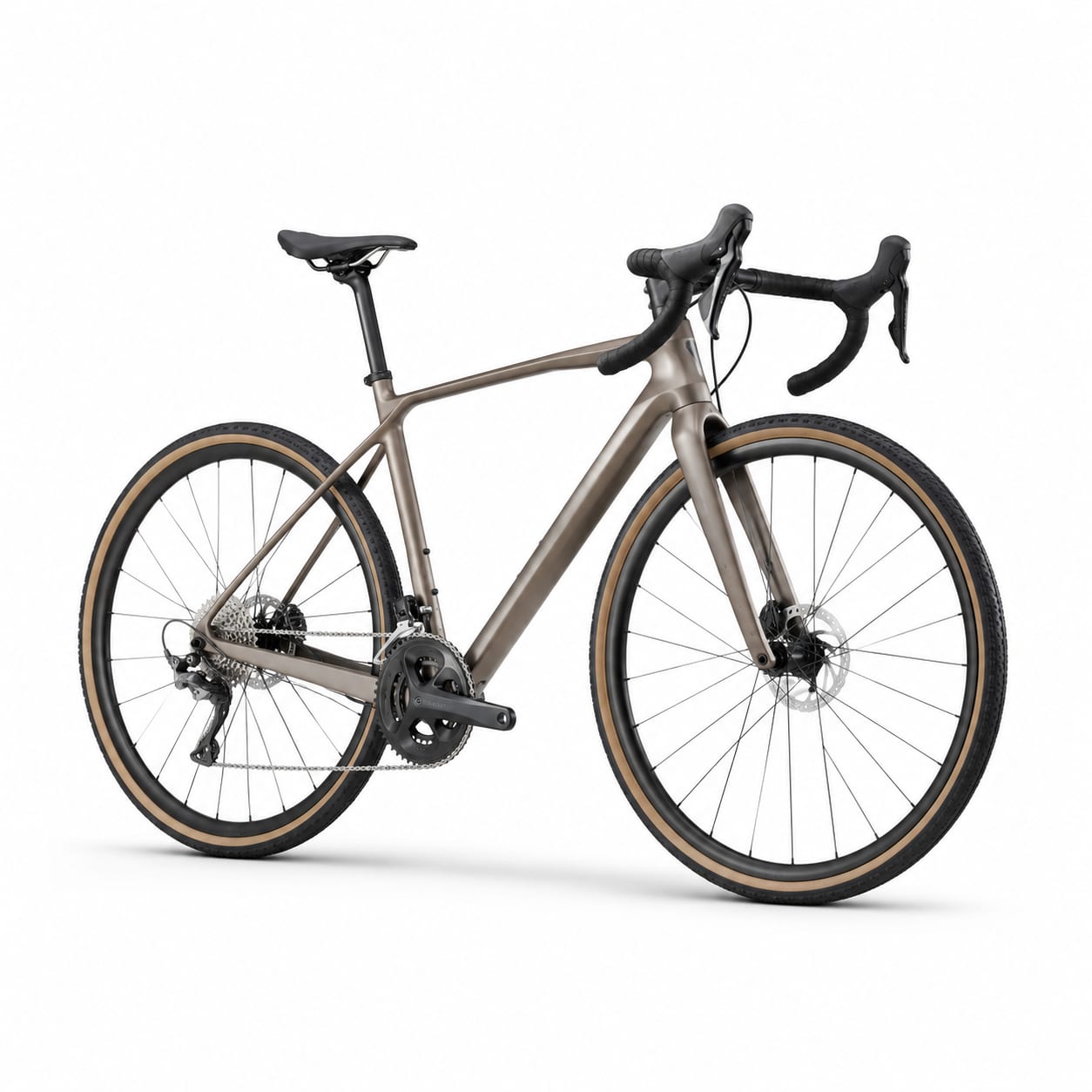
All-Road
$1500 – $10000
Road-oriented gravel bikes with modest tire clearance optimized for smooth gravel and paved surfaces.
Tire clearance 32–38mmRoad-adjacent geometryLower stack and longer reach
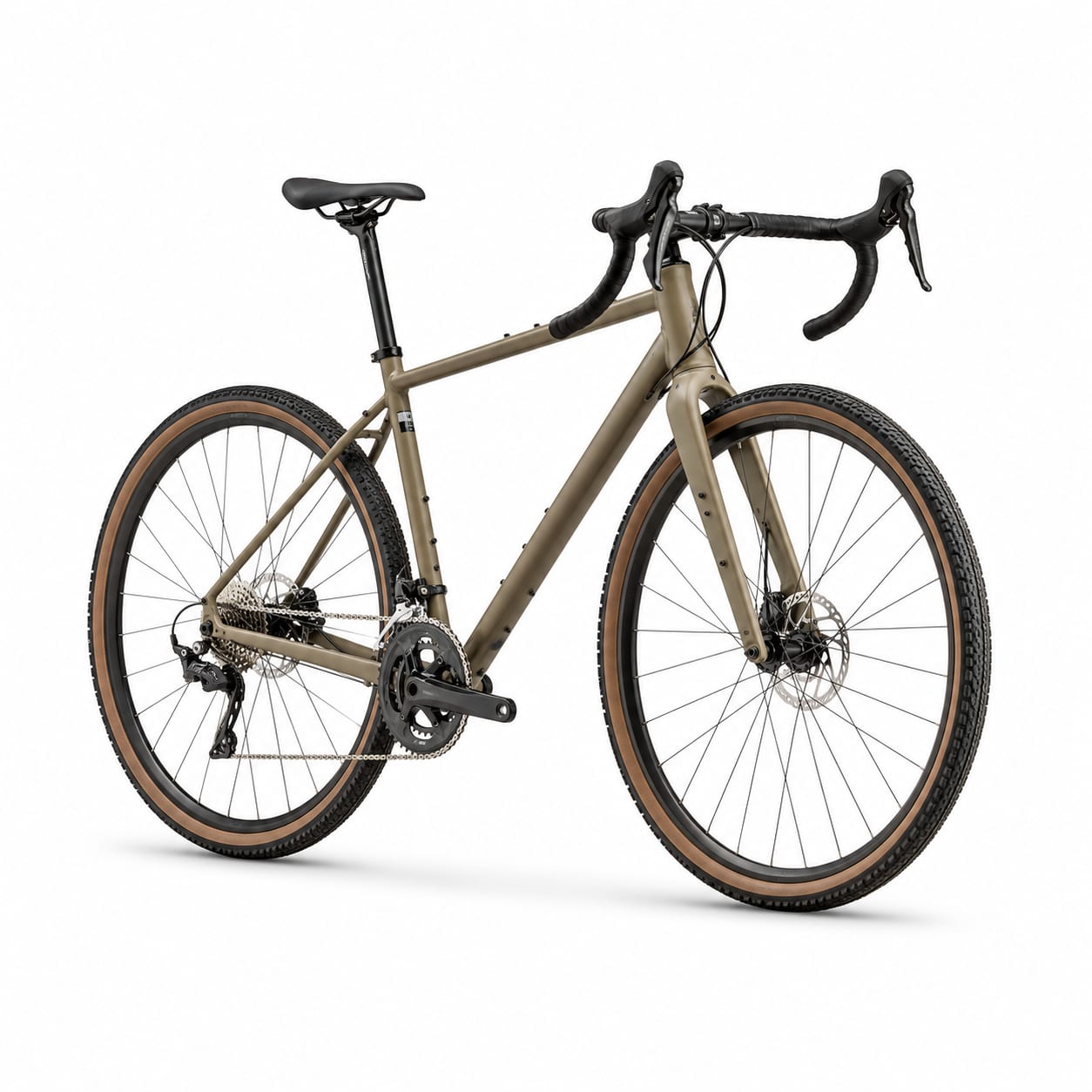
Classic Gravel
$1200 – $8000
The original do-it-all gravel bike with balanced geometry and mid-range tire clearance for mixed-terrain riding.
Tire clearance 38–45mmBalanced endurance geometryMultiple bottle and rack mounts
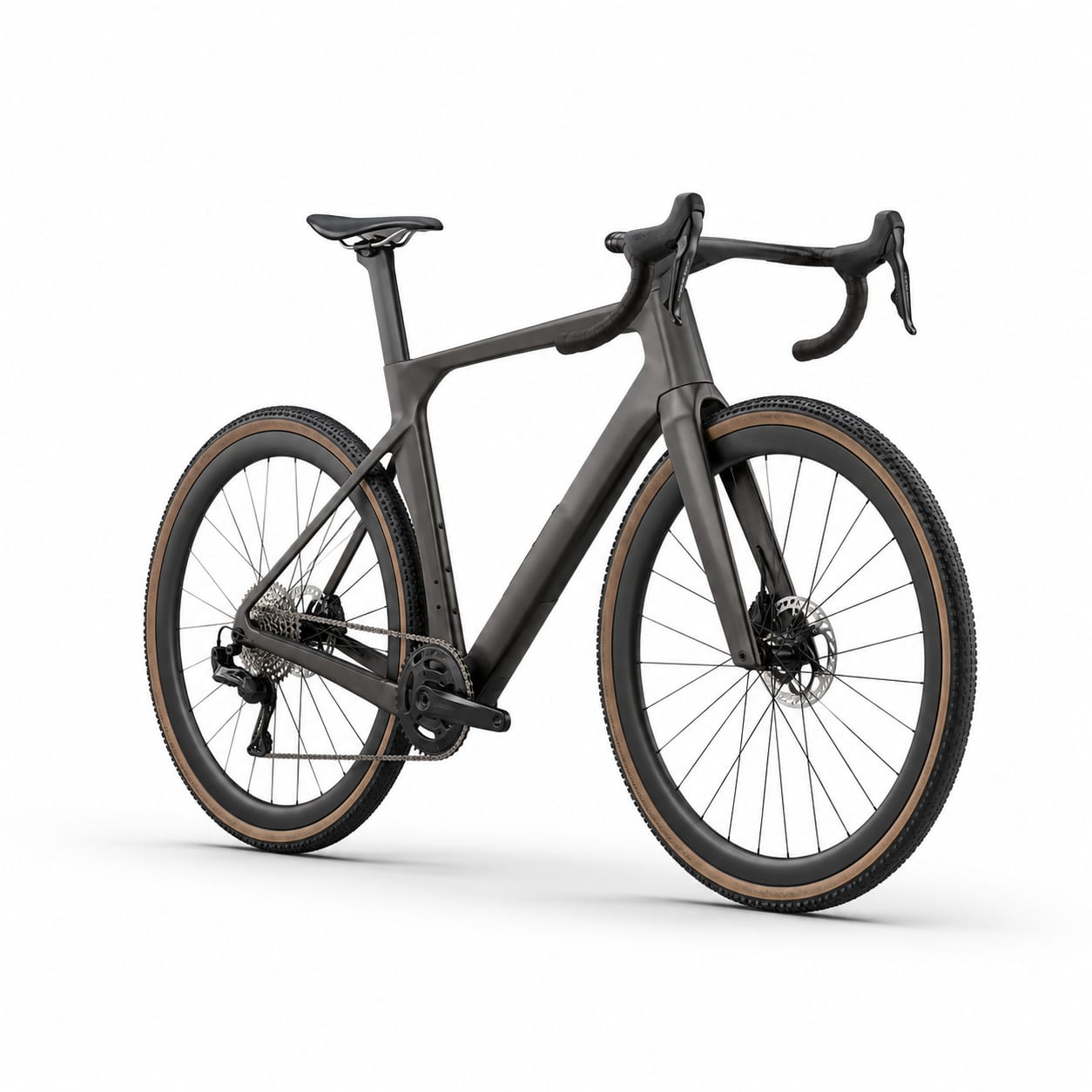
Aero Gravel
$3000 – $12000
Gravel bikes with aerodynamic frame optimization designed for flat and fast gravel racing.
Aero-optimized tube shapesIntegrated cockpitDeep section frame profiles
More questions
- Can I use a Gravel Race bike for bikepacking?
- Is 1x or 2x better for gravel racing?
- Do I need a dropper post for gravel racing?
- How much should I spend on a Gravel Race bike?