
Ski Balaclava · FAQ
Questions about Merino Wool Balaclava
Straight answers on fit, specs, and when this type makes sense — each topic has its own page with links back to the buying guide.
Open Merino Wool Balaclava guide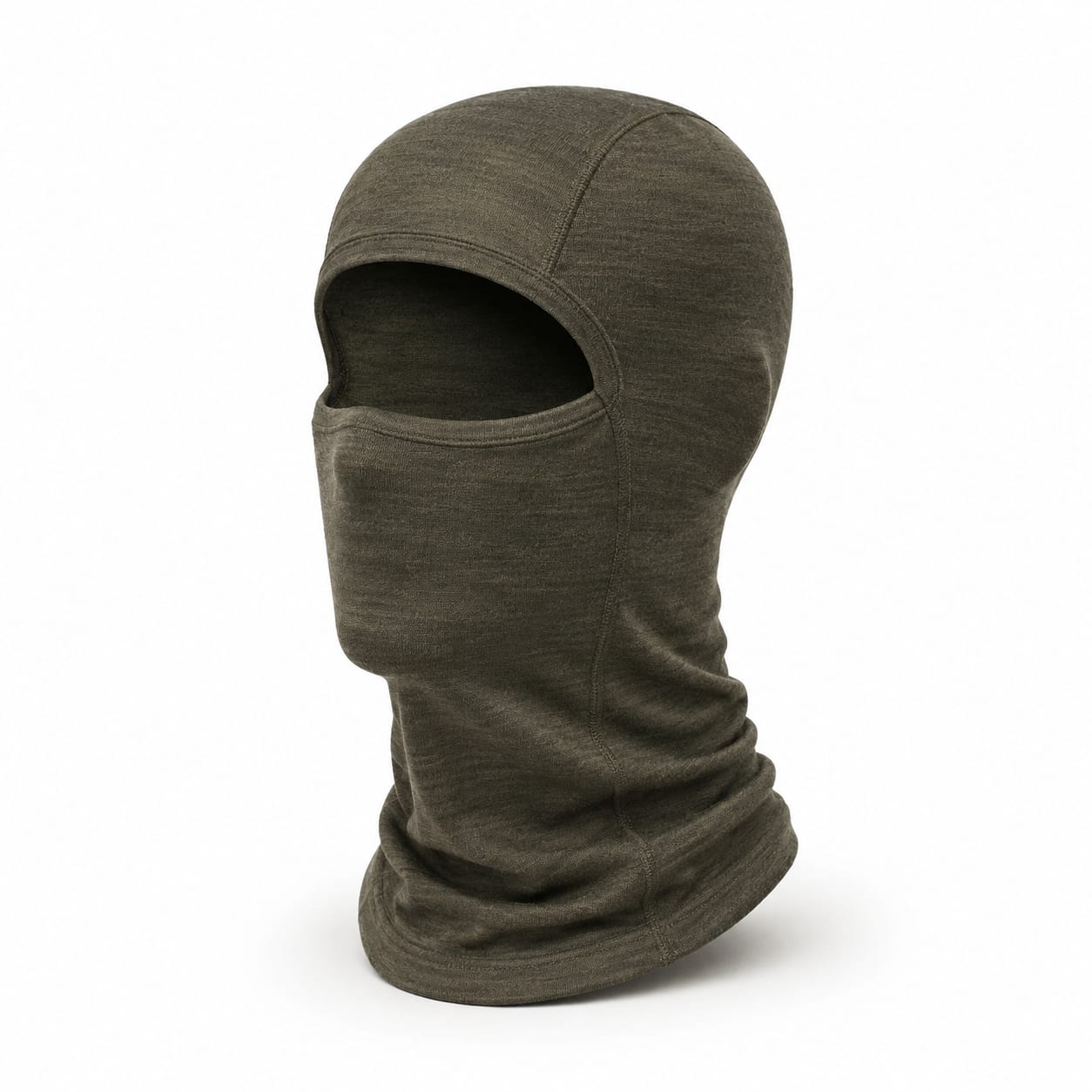
6 topics
Pick a question
Every answer links to the full subcategory guide and related gear types when it helps you decide.
Can I really wear a merino wool balaclava for multiple days without washing?
Yes, this is merino wool's signature advantage. The fiber naturally resists odor-causing bacteria, allowing 3–7 days of active skiing without developing noticeable odor. Many skiers report wearing merino balaclavas for entire week-long trips without washing. Air drying between uses helps maintain freshness. This eliminates the need to pack multiple balaclavas for multi-day trips.
Read answer →02Is merino wool itchy against the face?
Quality merino wool used in balaclavas features ultrafine fibers (17–22 microns) that are significantly finer than traditional wool and bend easily against the skin, eliminating itch. If you've had itchy experiences with wool in the past, it was likely not merino or was a coarse grade. Modern merino balaclavas from reputable brands are exceptionally soft and comfortable against facial skin, even for extended wear.
Read answer →03How does merino wool handle wind compared to windproof balaclavas?
Merino wool provides moderate wind resistance—it significantly reduces wind chill compared to bare skin but allows some air penetration at speed. It cannot match the wind blocking of windstopper membrane fabrics. For exposed alpine conditions with sustained high winds, consider a merino blend with tighter weave, a hybrid design with windproof panels, or layering your merino balaclava under a thin windproof shell. For most resort skiing with moderate wind exposure, merino alone is sufficient.
Read answer →04Should I choose pure merino or a merino blend?
For ski balaclavas, a merino blend (typically 85–95% merino with nylon or elastane) is generally recommended over pure merino. The synthetic component improves stretch recovery, shape retention, and durability—addressing pure merino's tendency to lose shape when damp and develop holes at stress points. The small percentage of synthetic fiber doesn't significantly compromise merino's natural benefits. Pure merino is acceptable if you prefer 100% natural fibers and are willing to handle it more carefully.
Read answer →05Will a merino balaclava cause my goggles to fog?
Merino wool's moisture management actually helps reduce goggle fogging compared to non-wicking fabrics. The fiber absorbs breath moisture vapor before it reaches your goggle lenses. However, merino balaclavas typically lack dedicated breath management features like mesh panels or directed exhaust that are more effective at fogging prevention. If fogging is a severe problem for you, look for merino models with mesh breath zones, or consider a hybrid design with dedicated fogging features.
Read answer →06How long will a merino wool balaclava last compared to synthetic options?
With proper care, a quality merino blend balaclava typically lasts 2–4 seasons of regular use (30–60 days per season). Pure merino may last 1–3 seasons due to lower durability. Synthetic balaclavas can last 3–5+ seasons. Merino's lifespan is extended by choosing blends, washing properly (cold water, lay flat to dry), rotating between two balaclavas, and storing correctly between seasons. The higher initial cost of merino is partially offset by its permanent performance properties—unlike antimicrobial synthetics whose treatments wash out, merino's benefits last the garment's lifetime.
Read answer →