
Merino wool provides moderate wind resistance—it significantly reduces wind chill compared to bare skin but allows some air penetration at speed. It cannot match the wind blocking of windstopper membrane fabrics. For exposed alpine conditions with sustained high winds, consider a merino blend with tighter weave, a hybrid design with windproof panels, or layering your merino balaclava under a thin windproof shell. For most resort skiing with moderate wind exposure, merino alone is sufficient.
Ski Balaclava · Merino Wool Balaclava
How does merino wool handle wind compared to windproof balaclavas?
Related gear types
If this answer nudged you toward a different style, these guides compare specs and trade-offs.
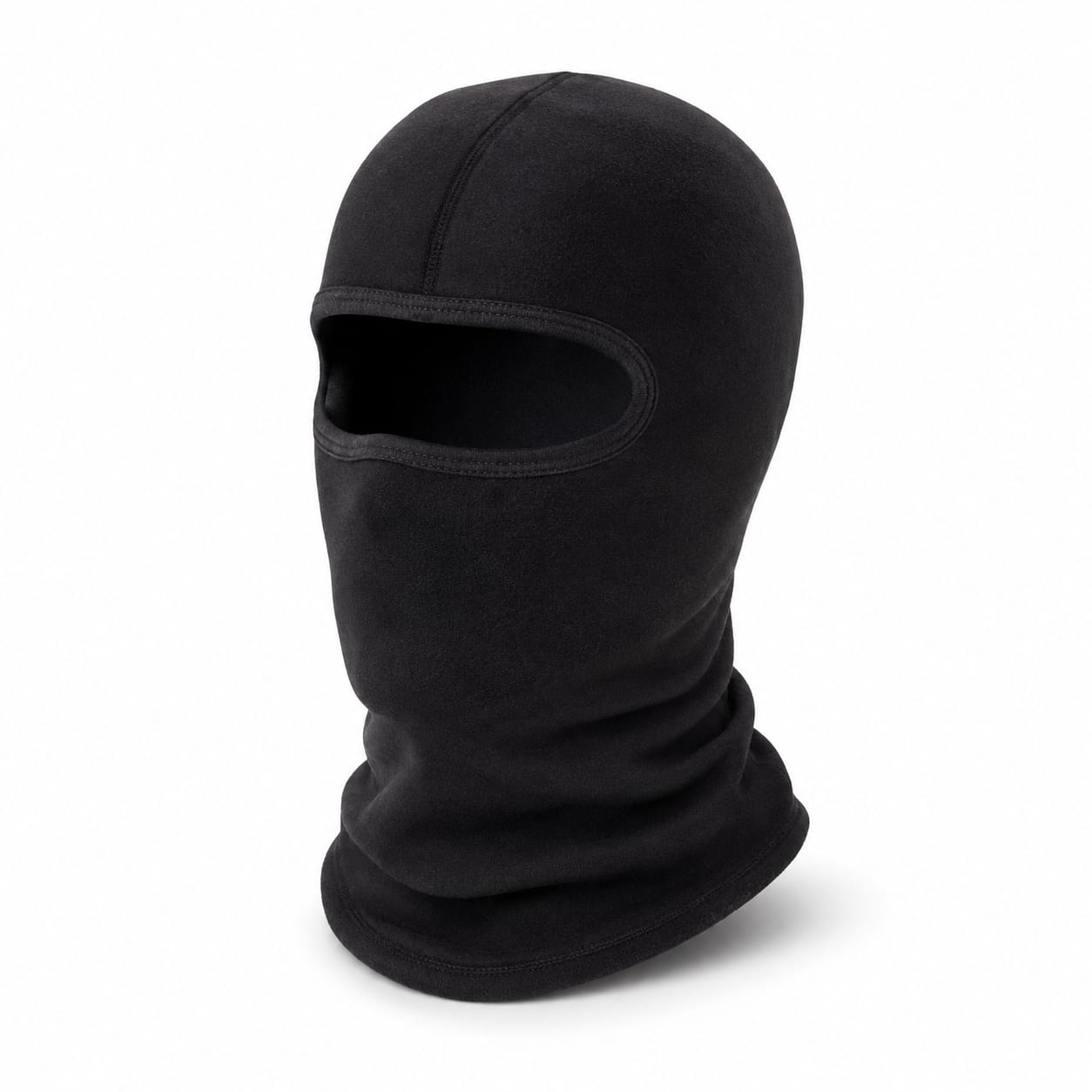
Full Face Balaclava
$12 – $55
Traditional balaclava with single eye opening providing complete head, face, and neck coverage.
Single eye openingFull head and neck coverageTucks into jacket collar
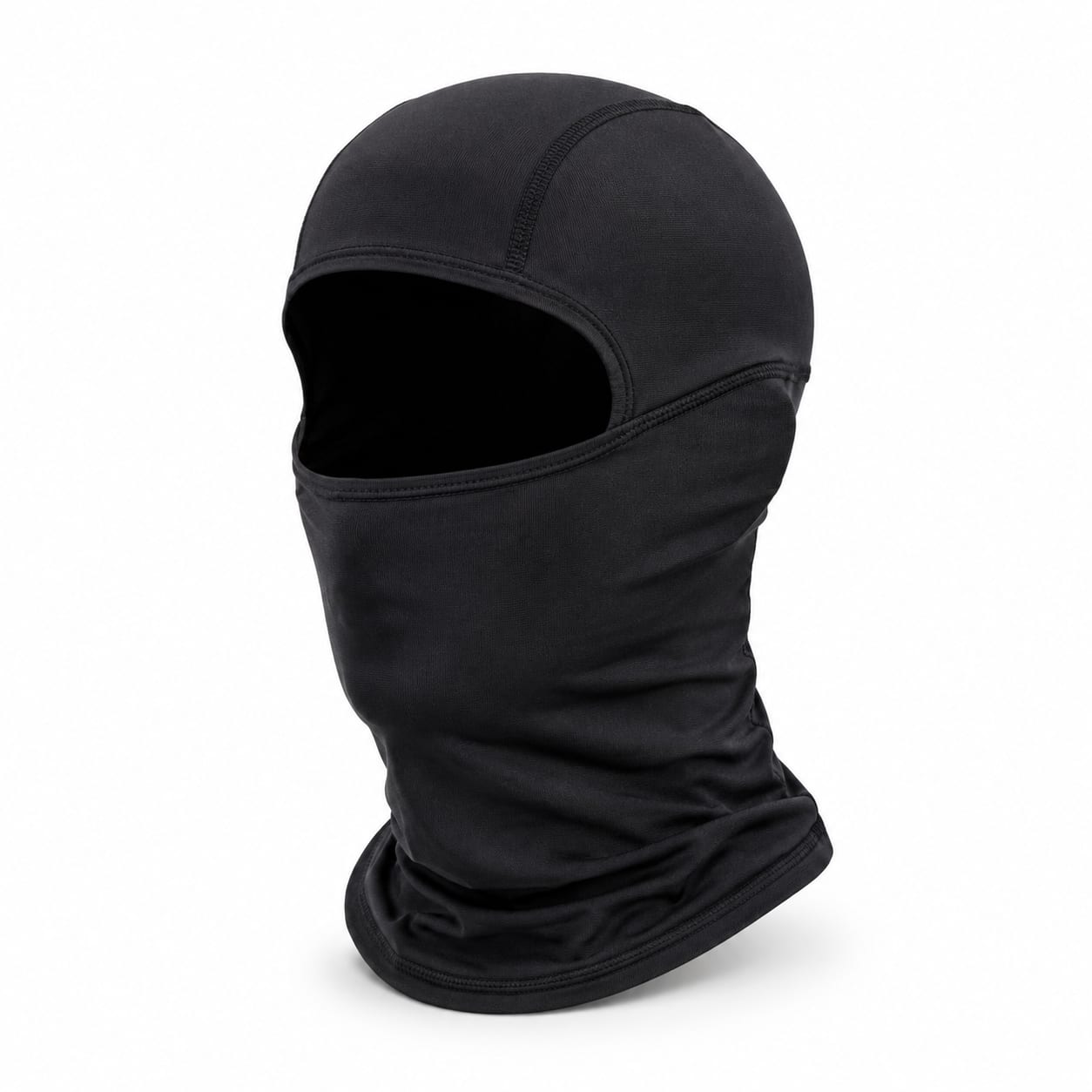
Helmet Liner Balaclava
$15 – $50
Ultra-thin balaclava engineered to fit seamlessly under a ski helmet without altering fit or comfort.
Ultra-thin constructionFlatlock seamsMoisture-wicking
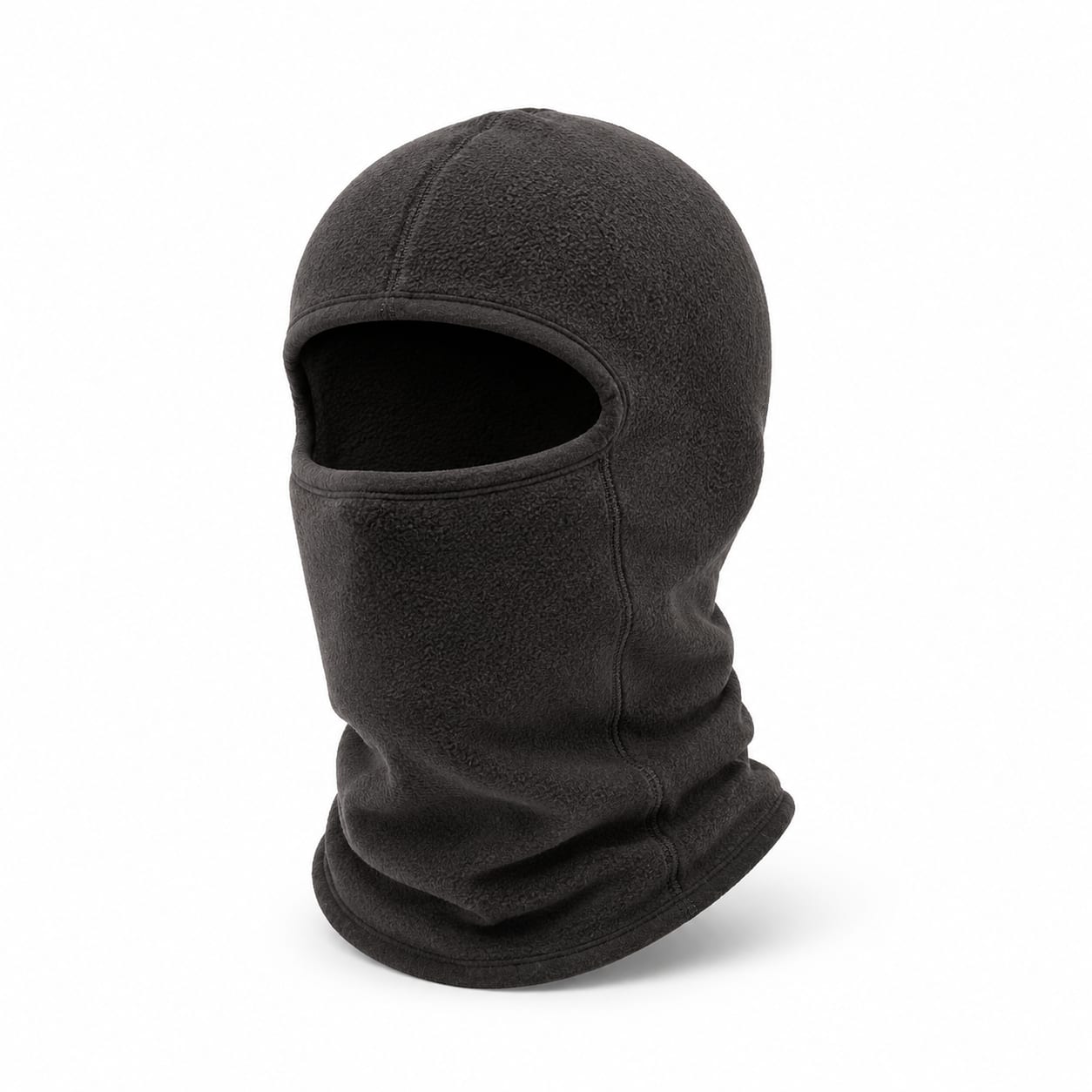
Fleece Balaclava
$8 – $35
Soft, warm balaclava made from polyester fleece, offering reliable insulation at an affordable price point.
Fleece constructionSoft hand feelQuick drying
More questions
- Can I really wear a merino wool balaclava for multiple days without washing?
- Is merino wool itchy against the face?
- Should I choose pure merino or a merino blend?
- Will a merino balaclava cause my goggles to fog?