Kitvore.com

Kitvore.com

Specs that matter. Gear that fits.

Ski Balaclava · Subcategory

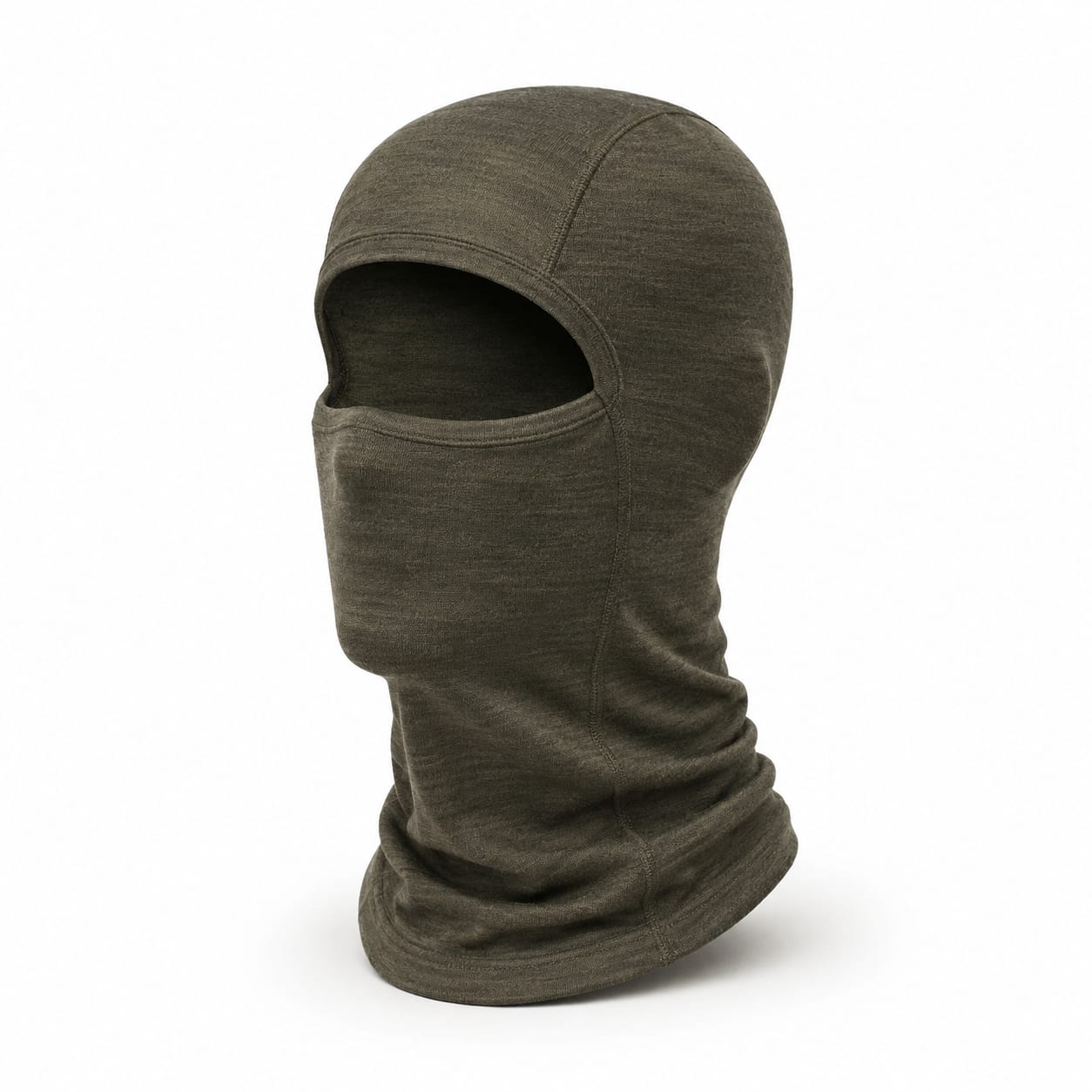
Merino Wool Balaclava

A naturally odor-resistant, temperature-regulating balaclava built with merino wool for multi-day comfort on the mountain.

Merino wool balaclavas are the gold standard for skiers who demand natural odor resistance, adaptive warmth, and next-to-skin softness. Unlike synthetic options that develop smells after a single day, merino can be worn for multiple consecutive days on ski trips without washing. The fiber's unique crimp structure traps insulating air while actively wicking moisture, keeping you warm when it's cold and preventing overheating when you're working hard. For riders who prioritize comfort, sustainability, and low-maintenance gear, merino wool is the premium choice.

$25 – $75premium tierbeginnerintermediateadvanced

Best known for

Exceptional odor resistance for multi-day wearNatural temperature regulation across varying conditionsSoft, itch-free comfort against skinMoisture management without chemical treatments
Merino Wool Balaclava

Guide

Detailed overview

Merino wool balaclavas represent the premium natural-fiber option in ski face protection. Sourced from merino sheep bred for their ultrafine wool fibers—typically 17–22 microns in diameter—these balaclavas deliver a level of comfort and performance that synthetic fabrics struggle to replicate. The key differentiator is merino's inherent ability to resist odor-causing bacteria, allowing the garment to be worn for multiple days without developing unpleasant smells. This makes merino balaclavas the preferred choice for multi-day ski trips, backcountry tours, and any rider who wants low-maintenance gear. Beyond odor resistance, merino wool's complex fiber structure provides adaptive thermal regulation: the natural crimp traps pockets of insulating air for warmth, while the fiber's hygroscopic nature absorbs and releases moisture vapor to prevent clamminess. Modern merino balaclavas often blend a small percentage of synthetic fibers (typically 5–20% nylon or elastane) to enhance durability and stretch, addressing pure merino's tendency to lose shape when wet. The result is a garment that combines the best of natural performance with practical resilience for demanding ski conditions.

Merino wool has earned its reputation as the thinking skier's fabric of choice, and for good reason. When you're spending full days on the mountain—especially on multi-day trips where laundry isn't an option—odor resistance isn't a luxury, it's a necessity. Merino wool fibers naturally resist bacterial growth thanks to the fiber's unique surface structure and ability to absorb moisture vapor into the core of the fiber, leaving the surface dry and inhospitable to odor-causing microbes. This means you can wear a merino balaclava for three, four, even five days of active skiing and it will still smell fresh. Try that with a polyester balaclava and you'll be reaching for a replacement by day two.

The temperature regulation properties of merino are equally impressive and particularly relevant for skiing, where conditions fluctuate constantly. On a cold chairlift ride, the fiber's natural crimp traps still air for insulation. When you start skiing aggressively and generating heat, merino actively wicks moisture vapor away from your skin before it condenses into sweat. This dynamic response means fewer moments of being too cold on the lift and too warm on the run—a common complaint with synthetic fabrics that provide static insulation regardless of output level. The breath condensation management is especially important for balaclavas, where exhaled moisture can accumulate, freeze, and create discomfort.

Comfort against the skin is where merino truly separates itself from other natural fibers and many synthetics. Quality merino wool used in balaclavas features ultrafine fibers (under 22 microns) that bend easily against the skin, eliminating the itch associated with traditional wool. The fabric has a natural softness and drape that conforms to facial contours without feeling restrictive. For skiers with sensitive skin or those who find synthetic fabrics irritating during extended wear, merino offers a noticeably more pleasant experience. The fiber also has a natural UV protection factor, typically UPF 25–50+ depending on knit density, providing an additional layer of defense at altitude.

The primary trade-offs with merino wool are cost, durability, and wind resistance. Merino balaclavas typically cost 30–50% more than comparable synthetic options, reflecting the premium nature of the raw material and more complex manufacturing. Pure merino is less durable than synthetic fabrics—particularly when wet and under tension—and can develop holes at stress points over time. This is why most performance merino balaclavas blend in nylon or elastane for reinforcement. Wind resistance is another consideration: merino wool alone provides only moderate wind blocking compared to windproof membrane fabrics. For exposed alpine conditions with significant wind chill, you may need to layer a merino balaclava under a windproof shell or choose a hybrid design with windproof panels. Despite these trade-offs, for the majority of resort and backcountry skiers, the comfort, odor resistance, and natural performance of merino wool make it the superior choice for a balaclava that will be worn all day, every day.

Quick facts

Primary purpose
Natural-fiber face protection with odor control and temperature regulation
Popular brands
SmartwoolIcebreakerMinus33IbexDevold
Typical terrain
All mountainBackcountryMulti-day tripsTouring

What makes it different

Natural fiber with inherent antimicrobial properties; stays fresh over multiple days of use

Recommended ranges

How this type usually specs out

Each spec is explained in plain language, then we show what buyers usually look for on this type.

Coverage Style

Coverage Style

What it means

The extent and configuration of face and head coverage provided by the balaclava, determining how much skin is exposed and how the garment interfaces with goggles and helmets.

Typical for this type

Full Face Or Half Face

In practice

Merino wool balaclavas are most commonly found in full-face or half-face configurations. Full-face provides maximum warmth and takes full advantage of merino's odor-resistant properties across the entire face. Half-face offers better breathability for high-output skiing while still covering the critical head, ear, and neck zones.

Compared to other types

Merino balaclavas are less commonly found in convertible styles compared to synthetic options, as the fabric's natural stretch and drape make convertible hinges less necessary—you can simply pull the lower face section down. Mesh breath panel options in merino are rare but emerging.

Why it matters: Coverage style determines how much of merino's natural temperature regulation and odor resistance you benefit from. Full-face coverage maximizes these advantages but requires attention to breath management to prevent goggle fogging.

Primary Fabric Material

Primary Fabric Material

What it means

The main material used in construction, which determines warmth, breathability, moisture management, stretch, and feel against skin.

Typical for this type

100% merino or merino blend (80–95% merino with nylon/elastane)

Most common pick: Merino Wool

In practice

This is the defining characteristic of the subcategory. Most quality merino balaclavas use 17–22 micron merino wool, often blended with 5–20% nylon or elastane for durability and stretch. Fabric weight typically ranges from 180–260 g/m² for ski applications.

Compared to other types

Merino wool is the only fabric that offers natural odor resistance without chemical treatments. It provides better temperature regulation than polyester fleece and better moisture management than nylon-spandex blends, but less wind resistance than windstopper fabrics and less durability than pure synthetics.

Why it matters: The merino fiber provides natural odor resistance, temperature regulation, and moisture management that no synthetic can fully replicate. The blend ratio affects durability—higher merino content is softer but less durable; blends last longer.

Weight

Weight

What it means

The total weight of the balaclava in grams, affecting packability, layering comfort, and perceived bulk under a helmet.

Typical for this type

55–110g

Most common pick: 75g

In practice

Merino wool balaclavas typically weigh between 55–110g depending on fabric weight and coverage style. Lightweight merino (180 g/m² fabric) produces balaclavas around 55–70g, while midweight (250 g/m² fabric) yields 75–110g. The natural density of wool fiber makes pure merino slightly heavier than equivalent synthetic constructions.

Compared to other types

Merino balaclavas are typically 10–20% heavier than equivalent polyester fleece options and 20–40% heavier than nylon-spandex blends. They are comparable in weight to windstopper/softshell options. The weight premium is offset by merino's superior odor resistance and temperature regulation.

Why it matters: Weight affects packability and under-helmet comfort. Merino's superior warmth-to-weight ratio means you get more insulation per gram compared to basic fleece, but windproof membrane fabrics can be lighter for the same wind protection.

Wind Resistance

Wind Resistance

What it means

The degree to which the balaclava blocks wind penetration, critical for comfort on exposed chairlifts and high-speed descents.

Typical for this type

Moderately Wind Resistant to Highly Wind Resistant

In practice

Pure merino wool knit construction provides moderate wind resistance—significantly reducing wind chill compared to bare skin but allowing some air penetration at speed. Tightly woven merino blends with nylon can achieve highly wind resistant ratings. Pure merino cannot match windproof membrane fabrics.

Compared to other types

Merino wool provides less wind resistance than windstopper/softshell and nylon-spandex blend balaclavas. It is comparable to polyester fleece and better than polypropylene. For extreme wind conditions, merino works best as a base layer under a windproof shell or choose a hybrid merino design with windproof panels.

Why it matters: Wind resistance is merino's primary weakness compared to synthetic alternatives. On exposed chairlifts and high-speed descents, you may feel wind penetration through pure merino. Consider a merino-blend with tighter weave or a hybrid design if wind is a major concern.

Breathability

Breathability

What it means

The ability of the fabric to allow moisture vapor (sweat) to escape, preventing clamminess and reducing goggle fogging.

Typical for this type

Good to Excellent

In practice

Merino wool offers good to excellent breathability due to the fiber's ability to absorb moisture vapor (up to 35% of its weight) and release it to the exterior. The fiber actively transports moisture rather than just allowing passive vapor transmission. This dynamic breathability adapts to exertion level better than most synthetics.

Compared to other types

Merino wool breathability is superior to windstopper/softshell and comparable to polyester fleece and polypropylene. Its adaptive breathability—improving as moisture levels increase—gives it an edge over synthetics in variable-output activities like skiing where you alternate between high exertion and stationary lift rides.

Why it matters: Merino's breathability is one of its key advantages for skiing. The fiber's hygroscopic nature means it manages both sweat and breath condensation effectively, reducing goggle fogging and preventing the clammy feeling common with less breathable fabrics during stop-and-go skiing.

Helmet Compatibility

Helmet Compatibility

What it means

How well the balaclava fits and functions under a ski helmet, including bulk, seam placement, and integration with helmet straps and goggle straps.

Typical for this type

Compatible to Optimized Helmet Fit

In practice

Most merino wool balaclavas are compatible with ski helmets, and premium models are optimized for helmet fit. Merino's natural drape and low-bulk construction conform smoothly under helmets. The fabric's stretch accommodates different head shapes without creating pressure points. Flatlock or seamless construction in quality models further enhances under-helmet comfort.

Compared to other types

Merino balaclavas generally offer better under-helmet comfort than windstopper/softshell options (which are stiffer) and are comparable to polyester fleece. They are more comfortable than nylon-spandex blends for extended wear due to the fabric's softness and moisture management. The natural drape of merino eliminates the bunching that can occur with stiffer fabrics.

Why it matters: Merino's softness and natural drape make it inherently comfortable under helmets. The fabric doesn't create the stiff pressure points that thicker synthetic constructions can cause. However, ensure the specific model has flatlock or seamless construction, as merino's stretch can cause seam shifting during active movement.

Goggle Integration

Goggle Integration

What it means

How well the balaclava interfaces with ski goggles, including gap elimination, fogging prevention, and strap compatibility.

Typical for this type

Good Integration to Seamless Integration

In practice

Merino wool balaclavas generally provide good goggle integration. The fabric's natural stretch and drape allow it to conform around goggle frames, minimizing gaps. Premium merino models feature contoured eye openings designed to interface with common goggle shapes. The fabric's breathability helps reduce fogging at the goggle-to-face junction.

Compared to other types

Merino provides better goggle integration than windstopper/softshell balaclavas (which are stiffer and less conforming) and is comparable to polyester fleece. The natural moisture management gives merino an advantage in fogging prevention over all synthetic options except polypropylene and hybrid designs with dedicated mesh breath panels.

Why it matters: Merino's moisture management directly benefits goggle integration by reducing the condensation that causes fogging. The fabric's ability to absorb and wick breath moisture means less vapor reaches your goggle lenses. However, the stretch that provides good conformity can also cause the eye opening to shift during active skiing.

Moisture Wicking

Moisture Wicking

What it means

The ability of the fabric to actively pull moisture (sweat and breath condensation) away from the skin surface to the exterior where it can evaporate.

Typical for this type

Active Wicking

In practice

Merino wool provides active wicking through a unique mechanism: the fiber core absorbs moisture vapor (up to 35% of its weight) while the hydrophobic exterior repels liquid water. This creates a one-way moisture transport system that actively moves perspiration and breath condensation away from skin. Unlike synthetic wicking that relies on capillary action, merino's moisture absorption is a thermodynamic process that continues working even when the fabric is damp.

Compared to other types

Merino wool's moisture wicking is superior to polyester fleece and nylon-spandex blends in sustained performance. While polypropylene initially wicks liquid moisture faster, merino provides more consistent wicking over time and doesn't develop the cold-clammy feeling that saturated synthetics can produce. Merino is the only fabric that actively absorbs moisture vapor, making it particularly effective at managing breath condensation.

Why it matters: Active wicking is critical for balaclava comfort because the face generates significant moisture from both sweat and breath condensation. Merino's ability to absorb moisture without feeling wet—combined with its continued wicking performance when damp—means it stays comfortable longer than synthetics that lose wicking efficiency once saturated.

UV Protection (UPF)

UV Protection (UPF)

What it means

The Ultraviolet Protection Factor rating indicating how effectively the fabric blocks UV radiation, important at high altitude where UV exposure is significantly stronger.

Typical for this type

Upf 30 To 49 to Upf 50 Plus

In practice

Merino wool naturally provides good UV protection due to the fiber's protein structure and the fabric's typical knit density. Most merino balaclavas achieve UPF 30–49 naturally, and tightly woven models can reach UPF 50+. The UV protection is inherent to the fiber and does not degrade with washing, unlike applied chemical treatments.

Compared to other types

Merino wool provides better inherent UV protection than polyester fleece and nylon-spandex blends without treatments. Its UPF rating is permanent and doesn't degrade with washing, unlike antimicrobial-treated synthetics. Windstopper/softshell fabrics may offer higher UPF ratings due to their dense membrane construction, but merino's natural protection is more than adequate for most skiing conditions.

Why it matters: At ski area altitudes, UV radiation is significantly stronger than at sea level, and snow reflects up to 80% of UV back onto exposed skin. Merino's natural UV protection provides consistent defense without relying on chemical treatments that wash out over time.

Size / Fit

Size / Fit

What it means

The sizing system and general fit characteristics of the balaclava, affecting comfort, coverage, and compatibility with other gear.

Typical for this type

One Size (With Stretch) Or Sized Options For Extreme Head Sizes

In practice

Most merino wool balaclavas come in one-size-fits-most construction, relying on the fabric's natural stretch to accommodate different head sizes. Merino blends with elastane provide better stretch recovery than pure merino. Some premium brands offer S/M and L/XL sizing for better fit on smaller or larger heads.

Compared to other types

Merino balaclavas are comparable to polyester fleece in sizing availability but may be less forgiving than nylon-spandex blends which have more stretch. The natural drape of merino means it conforms well to intermediate head sizes but may be too loose on very small heads or too tight on very large heads in one-size models.

Why it matters: Merino's natural stretch and drape make one-size construction more forgiving than in stiffer fabrics. However, pure merino can lose shape over the day, especially when damp from perspiration. Blends with elastane maintain fit better. If you have a particularly small or large head, seek out sized options.

Seam Construction

Seam Construction

What it means

The type and placement of seams in the balaclava, affecting comfort against skin, pressure points under helmets, and durability.

Typical for this type

Flatlock Seams to Seamless

In practice

Quality merino wool balaclavas typically feature flatlock seam construction, which lies flat against the skin and minimizes pressure points under helmets. Premium models use seamless or bonded construction for maximum comfort. The softness of merino fiber makes even flatlock seams less noticeable than in synthetic fabrics.

Compared to other types

Merino balaclavas are more likely to feature flatlock or seamless construction than budget polyester fleece options. The softness of merino fiber means that even when flatlock seams are present, they are less noticeable against skin compared to the same seam type in synthetic fabrics. Seamless merino construction is available at premium price points.

Why it matters: Seam construction directly affects under-helmet comfort and all-day wearability. Merino's softness makes seam irritation less severe than with stiffer synthetics, but flatlock or seamless construction is still recommended for helmeted skiing to avoid pressure points on the forehead and temples.

Odor Resistance

Odor Resistance

What it means

The fabric's ability to resist developing unpleasant odors over multi-day use, important for ski trips where daily washing isn't possible.

Typical for this type

Natural Odor Resistant

In practice

This is merino wool's signature advantage. The fiber naturally resists odor-causing bacteria through its unique surface structure, moisture absorption properties, and slightly acidic pH. Merino balaclavas can be worn for 3–7 days of active skiing without developing noticeable odor, compared to 1–2 days for untreated synthetics. This resistance is permanent and does not degrade with washing.

Compared to other types

Merino wool's odor resistance is vastly superior to all synthetic options. Polyester fleece and nylon-spandex blends develop odor after 1–2 days. Antimicrobial-treated synthetics provide moderate improvement but the treatment degrades over washes. Merino's odor resistance is inherent to the fiber and permanent. Only merino allows confident multi-day wear without odor concerns.

Why it matters: For multi-day ski trips, odor resistance is arguably the most important balaclava feature. A merino balaclava can last an entire week-long ski trip without washing, eliminating the need to pack multiple balaclavas or deal with unpleasant smells. This is merino's single most compelling advantage over all synthetic alternatives.

Thermal Insulation Class

Thermal Insulation Class

What it means

The warmth category of the balaclava, indicating the temperature range and conditions it is designed to handle comfortably.

Typical for this type

Cold to Cool

In practice

Merino wool balaclavas typically fall in the 'cold' insulation class, suitable for temperatures from approximately -15°C to -5°C (5°F to 23°F). The fiber's natural crimp provides excellent warmth-to-weight ratio, and midweight merino (250 g/m²) handles standard winter conditions comfortably. Lightweight merino (180 g/m²) falls in the 'cool' class for milder days or high-exertion skiing.

Compared to other types

Merino provides comparable warmth to polyester fleece at the same fabric weight but with better temperature regulation. It provides less maximum warmth than extreme-cold windstopper/softshell balaclavas but is more versatile across conditions. Merino's adaptive insulation makes it the best choice for variable conditions where you need both warmth on lifts and breathability during runs.

Why it matters: Merino's adaptive insulation—providing more warmth when you're stationary and better breathability when you're active—makes it particularly well-suited for the stop-and-go nature of skiing. You're less likely to overheat during runs and less likely to freeze on lifts compared to static synthetic insulation.

Nose/Mouth Breath Feature

Nose/Mouth Breath Feature

What it means

Specific design features around the nose and mouth area that manage breath direction and moisture to reduce goggle fogging and improve comfort.

Typical for this type

Mesh Breath Zone to Directed Exhaust

Most common pick: No Special Feature

In practice

Traditional merino wool balaclavas often lack specialized breath management features, relying on the fabric's natural breathability to handle exhaled moisture. However, newer models are increasingly incorporating mesh breath zones or directed exhaust designs. Merino's natural moisture absorption provides some inherent fogging reduction compared to non-wicking fabrics.

Compared to other types

Merino balaclavas are less likely to feature dedicated breath management than hybrid/multi-zone designs, which almost always include mesh panels. They are comparable to polyester fleece in breath feature availability. Merino's natural moisture absorption provides some advantage over non-wicking fabrics even without special features, but dedicated breath features are still superior for fogging prevention.

Why it matters: While merino's moisture management helps with breath condensation, dedicated breath features significantly reduce goggle fogging. If fogging is a persistent problem, look for merino balaclavas with mesh breath zones or directed exhaust features, which are becoming more common in premium models.

Neck Coverage Length

Neck Coverage Length

What it means

How far down the neck the balaclava extends, affecting how well it seals with your base layer or jacket collar and prevents cold air entry.

Typical for this type

Standard Neck to Extended Neck

In practice

Merino wool balaclavas typically feature standard neck coverage extending to just below the collarbone, with some models offering extended neck coverage that tucks deep into base layers. The fabric's natural drape and stretch allow it to conform to the neck and stay tucked in during movement better than stiffer fabrics.

Compared to other types

Merino balaclavas offer comparable neck coverage to polyester fleece options and better conformability than windstopper/softshell designs. The natural drape of merino means it stays tucked into collars more reliably than stiffer fabrics. Extended neck options are available in merino but less common than in synthetic designs.

Why it matters: Neck coverage is important for preventing cold air from entering at the collar. Merino's drape means it stays in place better during head movement compared to stiffer fabrics that can pull out of collars. Extended neck coverage is recommended for cold conditions to ensure no gap appears when turning your head.

Stretch / Flexibility

Stretch / Flexibility

What it means

The degree of stretch in the fabric and construction, affecting how the balaclava conforms to different head shapes and moves with the wearer.

Typical for this type

2_way_stretch to 4_way_stretch

In practice

Merino wool naturally provides 2-way stretch due to the fiber's crimp and the knit construction. Merino blends with elastane achieve 4-way stretch for superior conformability. Pure merino has moderate stretch that can lose recovery over the day, especially when damp. Blends with 5–10% elastane maintain stretch recovery throughout extended wear.

Compared to other types

Merino wool provides less stretch than nylon-spandex blends and comparable stretch to polyester fleece. Pure merino has less stretch recovery than synthetic fabrics, meaning it may loosen over the day. Merino-elastane blends close this gap significantly. Windstopper/softshell fabrics have the least stretch due to their membrane construction.

Why it matters: Stretch affects how well the balaclava conforms to your face and stays in place during movement. Merino blends with elastane are recommended for the best combination of natural fiber benefits and stretch performance. Pure merino may require more adjustment throughout the day as the fabric relaxes.

Evaluation

Strengths and trade-offs

Pros

What this type does best

Exceptional Odor Resistance

Critical

Merino wool naturally resists odor-causing bacteria, allowing 3–7 days of active skiing without washing. This is the single most compelling advantage for multi-day ski trips where laundry access is limited.

Adaptive Temperature Regulation

Critical

Merino's fiber structure provides dynamic insulation—trapping warm air when you're stationary on chairlifts and actively wicking moisture when you're skiing hard. This reduces the too-cold-on-the-lift, too-hot-on-the-run problem common with synthetic fabrics.

Superior Next-to-Skin Comfort

High

Ultrafine merino fibers (17–22 microns) are incredibly soft and flexible, bending easily against skin without causing itch or irritation. The fabric's natural drape conforms to facial contours without feeling restrictive or stiff.

Active Moisture Management

High

Merino absorbs up to 35% of its weight in moisture vapor without feeling wet, actively transporting perspiration and breath condensation away from skin. Unlike synthetics that rely on capillary action, merino's moisture absorption continues working even when the fabric is damp.

Permanent Performance Properties

High

Merino's odor resistance, moisture management, and UV protection are inherent to the fiber and do not degrade with washing. Synthetic treatments like antimicrobial coatings wash out over time; merino's benefits last the life of the garment.

Natural UV Protection

Medium

Merino wool naturally provides UPF 30–50+ protection depending on knit density, without chemical treatments. This inherent UV defense is permanent and particularly valuable at high-altitude ski areas where UV exposure is amplified by snow reflection.

Sustainable and Biodegradable

Medium

Merino wool is a renewable, biodegradable natural fiber. At end of life, pure merino decomposes in soil within months, unlike synthetic fabrics that persist for centuries. For environmentally conscious skiers, merino offers a lower-impact alternative.

Reduced Goggle Fogging

Medium

Merino's ability to absorb and wick breath moisture reduces the condensation that causes goggle fogging. While not as effective as dedicated mesh breath panels, merino's natural moisture management provides noticeable improvement over non-wicking fabrics.

Cons

Trade-offs to be aware of

Higher Cost

Moderate

Merino wool balaclavas typically cost 30–50% more than comparable synthetic options. The premium reflects the cost of merino fiber, which is significantly more expensive than polyester or nylon. Quality merino balaclavas generally range from $35–$65 versus $15–$35 for synthetics.

Moderate Wind Resistance

Significant

Pure merino wool knit provides only moderate wind resistance, allowing some air penetration at speed. On exposed chairlifts and during high-speed descents in windy conditions, you may feel wind chill through the fabric. This is merino's most significant performance weakness for skiing.

Durability Concerns

Moderate

Pure merino wool is less durable than synthetic fabrics, particularly when wet and under tension. It can develop holes at stress points and may lose shape over the course of a day. Merino-elastane blends improve durability significantly but pure merino requires careful handling and washing.

Shape Loss When Wet

Moderate

Merino wool can lose shape and sag when damp from perspiration or precipitation, especially in pure merino constructions without elastane. This can cause the balaclava to shift position, potentially creating gaps around goggles or exposing skin. Blends with elastane mitigate this issue.

Slower Drying Than Synthetics

Minor

While merino manages moisture well by absorbing it into the fiber core, it dries slower than synthetic fabrics that don't absorb moisture at all. If the balaclava becomes soaked from heavy perspiration or precipitation, it will take longer to dry out during a break.

Limited Breath Management Features

Minor

Merino balaclavas are less likely to include specialized breath management features like mesh panels or directed exhaust compared to hybrid/multi-zone designs. The fabric's natural breathability helps, but dedicated features are more effective at preventing goggle fogging.

Best for

Terrain

All-mountain resort skiingTree skiing and gladesBackcountry touringGroomed runs

Snow conditions

Standard winter conditions (-15°C to -5°C)Variable temperaturesMulti-day trips with limited washingModerate wind conditions

Skill level

IntermediateAdvancedExpert

Riding style

All-mountainFreerideBackcountry touringNordic skiing

Rider profile

Multi-day ski trippers who can't wash gear dailyRiders with sensitive skin or synthetic fabric irritationEnvironmentally conscious skiers preferring natural fibersSkiers who run hot and need adaptive temperature regulationRiders who prioritize comfort for all-day wear

Not ideal for

Reasons

Moderate wind resistance is insufficient for sustained high-wind alpine conditionsHigher cost may not be justified for occasional skiers who only need a balaclava for a few days per seasonPure merino durability concerns for aggressive daily use over multiple seasonsLimited breath management features for riders with severe goggle fogging issues

Terrain

Extremely exposed alpine with sustained high windsLift-served backcountry with long exposed traverses

Skill level

Beginners who may not justify the cost for occasional use

Riding style

High-speed racing where wind resistance is criticalExtreme cold expeditions requiring maximum wind protection

Compare

How it stacks up

This page

Merino Wool Balaclava

Dramatically superior odor resistance allowing multi-day wear; better temperature regulation; softer against skin; permanent performance properties that don't wash out; more sustainable material.

Alternative

Fleece Balaclava

Lower cost (typically 30–50% less); faster drying; better durability and shape retention; comparable warmth at lower price; more widely available in various styles.

Bottom line

Choose merino if you ski multiple days in a row, have sensitive skin, or value natural fibers. Choose polyester fleece if you're budget-conscious, ski only occasionally, or need maximum durability for daily aggressive use.

This page

Merino Wool Balaclava

Far superior breathability and moisture management; much better odor resistance; softer and more comfortable against skin; more versatile across temperature ranges; lower bulk under helmet.

Alternative

Windstopper/Softshell Balaclava

Dramatically better wind resistance—blocks virtually all wind; better for extreme cold and exposed conditions; more specialized for harsh alpine environments; often includes windproof membranes.

Bottom line

Choose merino for general skiing in moderate conditions where comfort and odor resistance matter. Choose windstopper/softshell if you regularly ski in extreme wind or exposed alpine conditions where wind chill is your primary concern. Consider layering merino under a windproof shell for the best of both.

This page

Merino Wool Balaclava

Superior odor resistance; more consistent fabric feel across the entire garment; natural fiber benefits throughout; typically softer overall; simpler construction with fewer potential failure points.

Alternative

Hybrid/Multi-Zone Balaclava

Zone-specific optimization—windproof panels where needed, mesh where breathability matters; better goggle fogging prevention through dedicated breath management; more targeted performance for specific conditions.

Bottom line

Choose merino if odor resistance and natural comfort are your priorities, especially for multi-day trips. Choose hybrid/multi-zone if you need optimized performance across different zones—particularly if goggle fogging is a persistent problem that mesh breath panels could solve.

This page

Merino Wool Balaclava

Much better odor resistance; superior moisture management through absorption rather than just wicking; better temperature regulation; softer feel; natural UV protection without treatments.

Alternative

Nylon-Spandex Blend Balaclava

Better stretch and shape retention; lower bulk; faster drying; more durable; often less expensive; tighter weave provides better wind resistance in a lightweight package.

Bottom line

Choose merino for multi-day comfort, odor resistance, and natural fiber benefits. Choose nylon-spandex if you prioritize low bulk, stretch performance, and durability, or if you need a lightweight under-helmet layer for spring skiing where odor resistance is less critical.

Shopping

Buying tips

  • 1

    Choose a merino-elastane blend (typically 85–95% merino, 5–15% elastane) over pure merino for better stretch recovery, shape retention, and durability. The small amount of synthetic fiber doesn't compromise merino's natural benefits significantly.

  • 2

    Look for fabric weight of 200–260 g/m² for standard winter skiing. Go lighter (180 g/m²) for spring skiing or if you run hot. Heavier weights provide more warmth but may cause overheating during aggressive skiing.

  • 3

    If wind resistance is a concern, look for merino balaclavas with a tighter knit or blended with nylon for improved wind blocking. Alternatively, consider layering your merino balaclava under a thin windproof shell for exposed conditions.

  • 4

    Check for flatlock or seamless construction if you wear a helmet. Merino's softness makes seams less irritating than in synthetics, but flatlock seams still provide noticeably better under-helmet comfort.

  • 5

    Size up rather than down if you're between sizes. A slightly loose merino balaclava will conform through stretch, while an overly tight one will pull at the eye opening and shift during movement, creating gaps around your goggles.

  • 6

    For multi-day trips, merino is the clear choice—pack one balaclava for the entire trip instead of two or three synthetic alternatives. The weight savings in your luggage offsets merino's slightly higher garment weight.

  • 7

    If goggle fogging is a persistent issue, look for merino balaclavas with mesh breath zones over the nose and mouth. These are less common in merino than in hybrid designs but are increasingly available from premium brands.

  • 8

    Wash merino balaclavas in cold water on a gentle cycle and lay flat to dry. Never use fabric softener or bleach, and avoid hot dryers. Proper care significantly extends the life of merino garments.

Care

Maintenance notes

  • Wash in cold water (30°C/86°F maximum) on a gentle or wool cycle. Hot water causes merino fibers to felt and shrink, permanently damaging the garment.
  • Use a wool-specific detergent or mild soap. Standard detergents can strip the natural lanolin that contributes to merino's odor resistance and moisture management. Never use fabric softener, which coats the fibers and impairs wicking.
  • Lay flat to dry away from direct heat sources. Do not tumble dry. Merino retains shape best when dried flat; hanging can cause stretching, especially when the garment is wet and heavy with absorbed moisture.
  • Store clean and dry between seasons. Merino is attractive to moths, so store in a sealed container or with cedar blocks. Avoid storing in plastic bags, which can trap moisture and promote mildew.
  • Address pilling gently. Merino can develop small pills (fiber balls) at friction points, especially under helmet straps. Remove pills carefully with a fabric comb or by hand—never pull aggressively, which can damage the fabric.
  • Rotate between two merino balaclavas if skiing daily to allow each garment to fully dry and recover shape between uses. This extends the life of both garments significantly compared to wearing one continuously.
  • Treat stains promptly with cold water and mild soap. Avoid rubbing aggressively, which can felt the merino fibers. Blot gently and rinse thoroughly.

Progression

Skill development path

Merino wool balaclavas are suitable for intermediate through expert skiers who have enough experience to appreciate the nuanced benefits of natural fiber performance. Beginners may not notice the difference between merino and synthetic options and may not justify the higher cost for occasional use. As skiers progress to multi-day trips, backcountry touring, and longer days on the mountain, merino's advantages—particularly odor resistance and adaptive temperature regulation—become increasingly valuable. Expert skiers who spend full days in variable conditions often consider merino essential gear, appreciating how the fabric's dynamic performance matches the stop-and-go nature of advanced skiing. The investment in merino is most justified for skiers who are committed enough to the sport to benefit from multi-day wear and who have developed preferences for comfort and performance that synthetic alternatives cannot satisfy.

FAQ

Common questions

Each question has a dedicated page with a full answer and links to the buying guide.

Can I really wear a merino wool balaclava for multiple days without washing?

Yes, this is merino wool's signature advantage. The fiber naturally resists odor-causing bacteria, allowing 3–7 days of active skiing without developing noticeable odor. Many skiers report wearing merino balaclavas for entire week-long trips without washing. Air drying between uses helps maintain freshness. This eliminates the need to pack multiple balaclavas for multi-day trips.

Is merino wool itchy against the face?

Quality merino wool used in balaclavas features ultrafine fibers (17–22 microns) that are significantly finer than traditional wool and bend easily against the skin, eliminating itch. If you've had itchy experiences with wool in the past, it was likely not merino or was a coarse grade. Modern merino balaclavas from reputable brands are exceptionally soft and comfortable against facial skin, even for extended wear.

How does merino wool handle wind compared to windproof balaclavas?

Merino wool provides moderate wind resistance—it significantly reduces wind chill compared to bare skin but allows some air penetration at speed. It cannot match the wind blocking of windstopper membrane fabrics. For exposed alpine conditions with sustained high winds, consider a merino blend with tighter weave, a hybrid design with windproof panels, or layering your merino balaclava under a thin windproof shell. For most resort skiing with moderate wind exposure, merino alone is sufficient.

Should I choose pure merino or a merino blend?

For ski balaclavas, a merino blend (typically 85–95% merino with nylon or elastane) is generally recommended over pure merino. The synthetic component improves stretch recovery, shape retention, and durability—addressing pure merino's tendency to lose shape when damp and develop holes at stress points. The small percentage of synthetic fiber doesn't significantly compromise merino's natural benefits. Pure merino is acceptable if you prefer 100% natural fibers and are willing to handle it more carefully.