
For ski balaclavas, a merino blend (typically 85–95% merino with nylon or elastane) is generally recommended over pure merino. The synthetic component improves stretch recovery, shape retention, and durability—addressing pure merino's tendency to lose shape when damp and develop holes at stress points. The small percentage of synthetic fiber doesn't significantly compromise merino's natural benefits. Pure merino is acceptable if you prefer 100% natural fibers and are willing to handle it more carefully.
Ski Balaclava · Merino Wool Balaclava
Should I choose pure merino or a merino blend?
Related gear types
If this answer nudged you toward a different style, these guides compare specs and trade-offs.
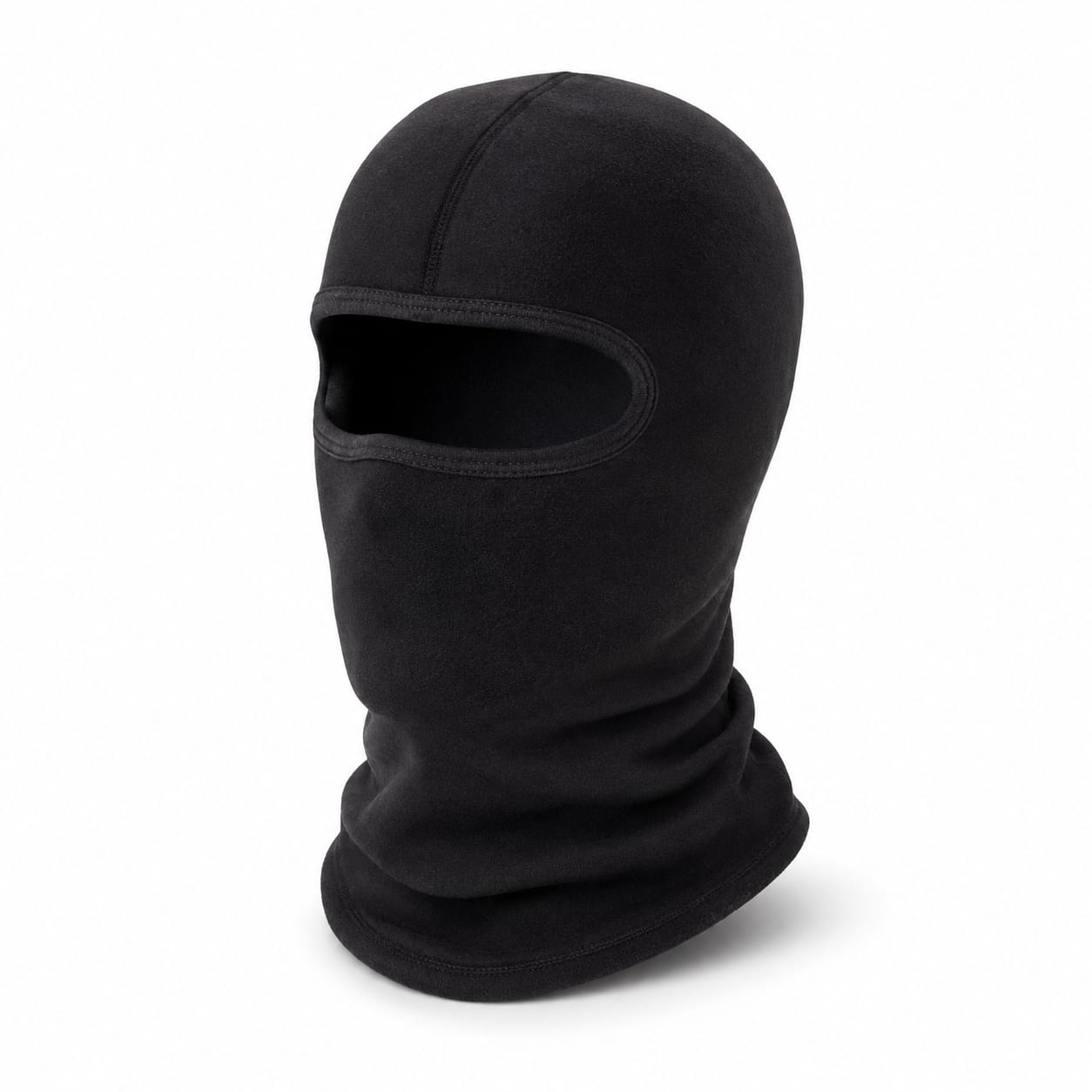
Full Face Balaclava
$12 – $55
Traditional balaclava with single eye opening providing complete head, face, and neck coverage.
Single eye openingFull head and neck coverageTucks into jacket collar
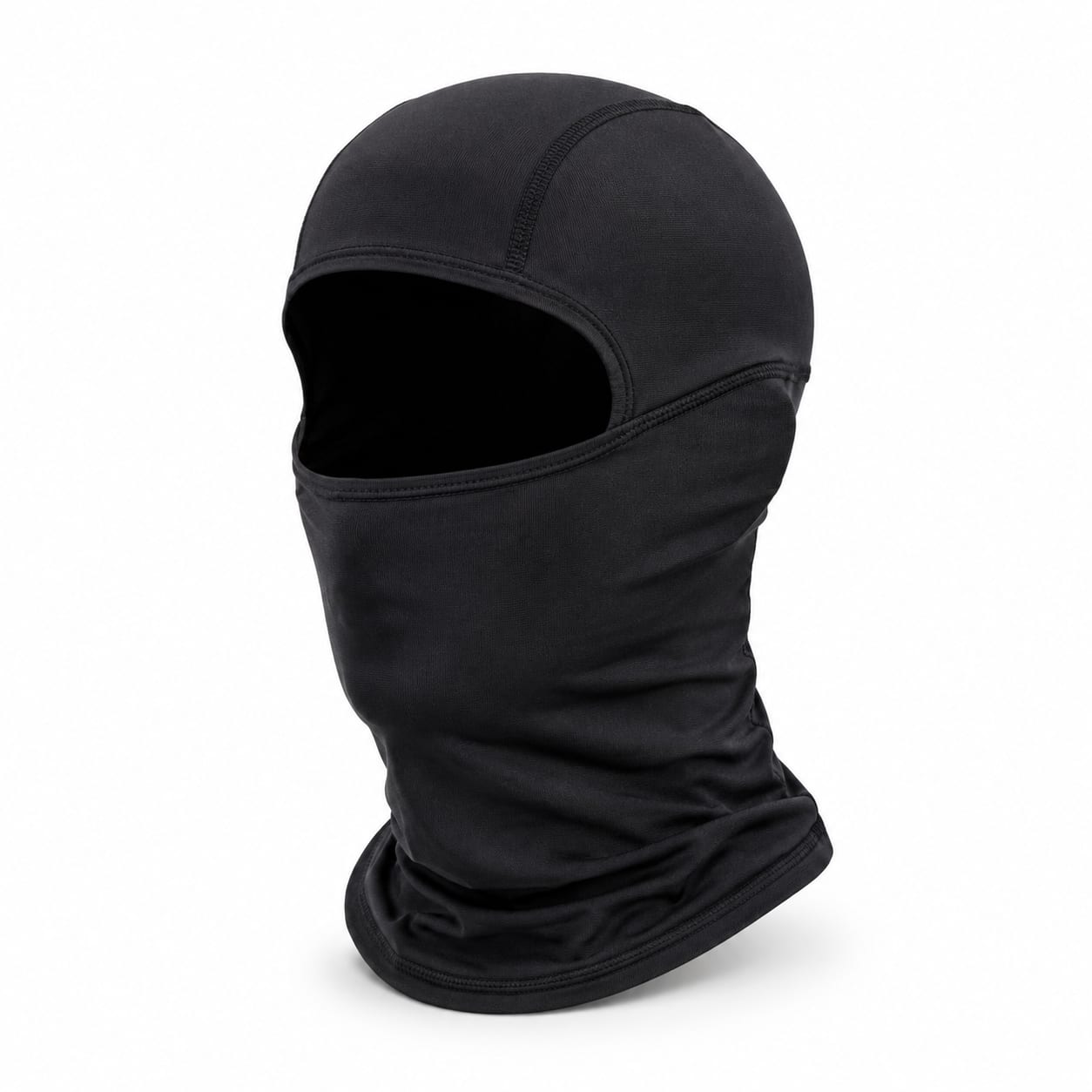
Helmet Liner Balaclava
$15 – $50
Ultra-thin balaclava engineered to fit seamlessly under a ski helmet without altering fit or comfort.
Ultra-thin constructionFlatlock seamsMoisture-wicking
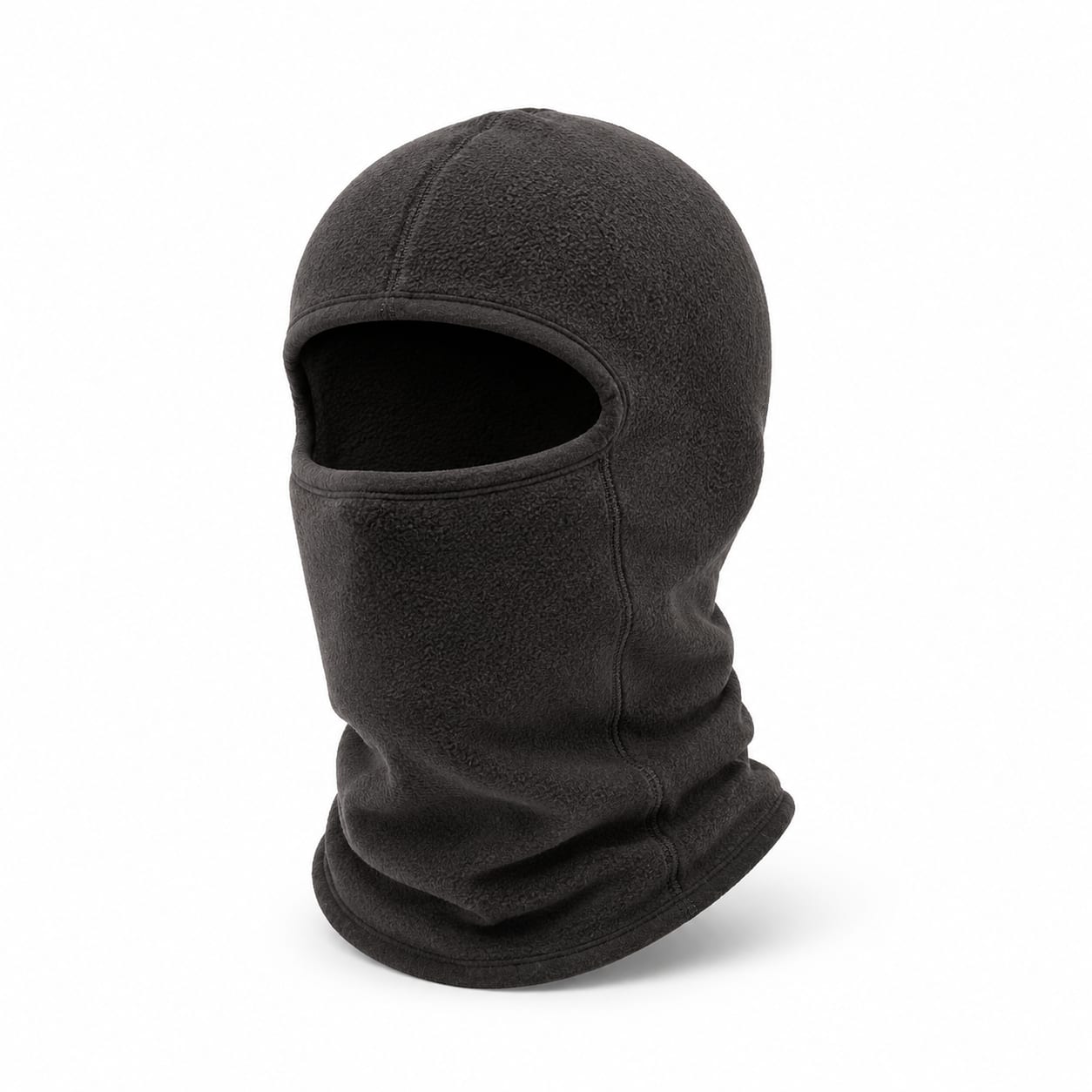
Fleece Balaclava
$8 – $35
Soft, warm balaclava made from polyester fleece, offering reliable insulation at an affordable price point.
Fleece constructionSoft hand feelQuick drying
More questions
- Can I really wear a merino wool balaclava for multiple days without washing?
- Is merino wool itchy against the face?
- How does merino wool handle wind compared to windproof balaclavas?
- Will a merino balaclava cause my goggles to fog?