
Ski Balaclava · FAQ
Questions about Neoprene Face Mask
Straight answers on fit, specs, and when this type makes sense — each topic has its own page with links back to the buying guide.
Open Neoprene Face Mask guide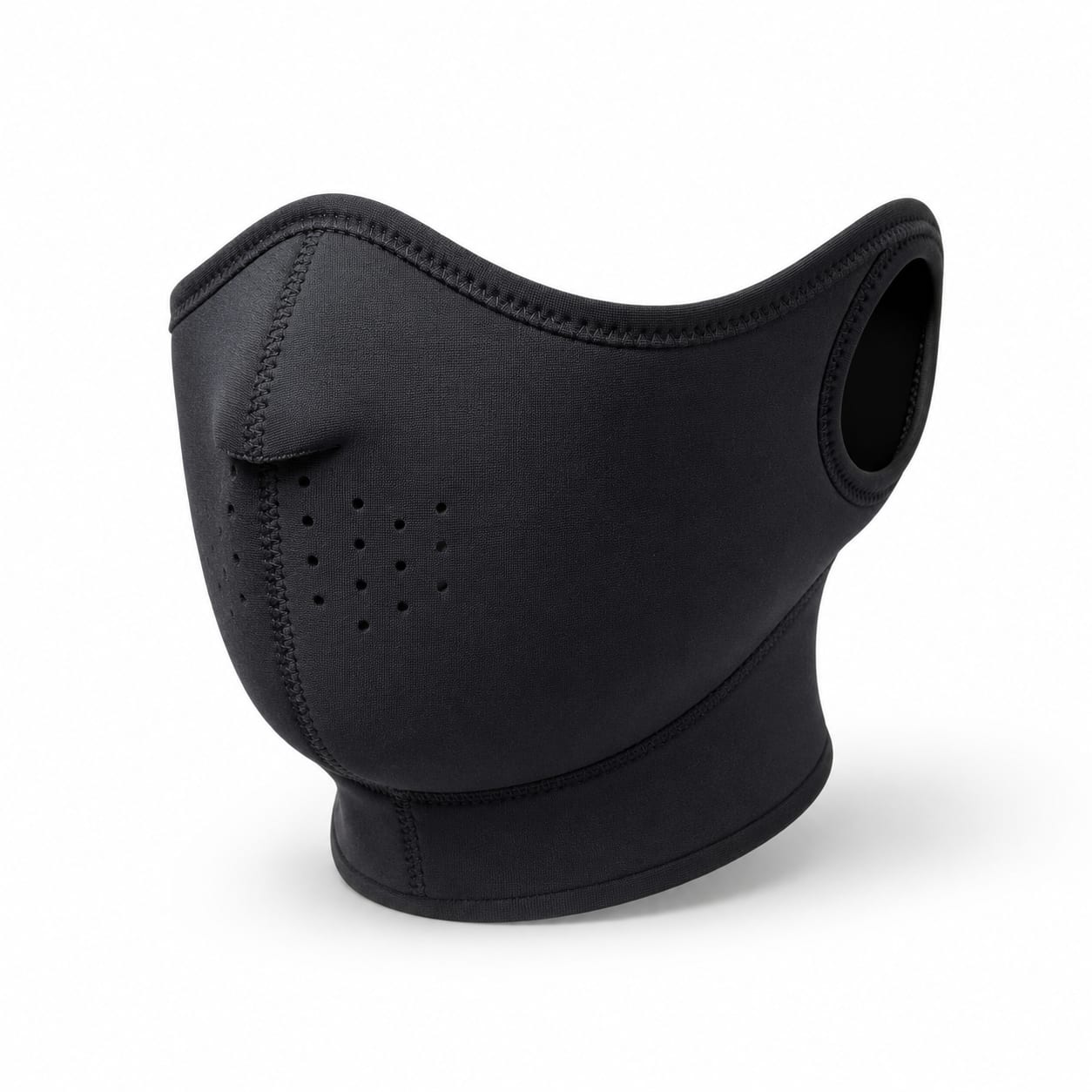
6 topics
Pick a question
Every answer links to the full subcategory guide and related gear types when it helps you decide.
Will a neoprene face mask make my goggles fog?
Yes, fogging is the most common complaint with neoprene masks. The non-breathable material traps exhaled breath and redirects it upward toward your goggles. Models with mesh breathing zones or directed exhaust channels reduce this significantly but don't eliminate it entirely. If fogging is a deal-breaker, consider a windstopper balaclava instead, which offers similar wind protection with much better breathability.
Read answer →02Can I wear a neoprene mask for backcountry touring?
Neoprene is generally not recommended for backcountry touring or any high-exertion climbing activity. The lack of breathability causes rapid moisture buildup during skinning, which can freeze when you stop for transitions. For backcountry use, a breathable fleece or merino balaclava is almost always better. Some tourers carry a neoprene mask just for windy descents and switch to a breathable option for the climb.
Read answer →03How does neoprene compare to windstopper fabric for wind protection?
Both provide excellent wind protection, but they work differently. Neoprene is a solid rubber barrier that blocks all air penetration, while windstopper fabric uses a microporous membrane that blocks wind but allows some moisture vapor to escape. In practice, windstopper balaclavas provide nearly equivalent wind protection with significantly better breathability. Neoprene's advantage is a more complete seal at edges and seams, and better durability against abrasion.
Read answer →04Is neoprene safe for people with latex allergies?
Yes, neoprene (polychloroprene) is a synthetic rubber that does not contain the latex proteins that trigger allergic reactions. It is generally considered safe for people with latex allergies. However, some neoprene masks use adhesive or elastic components that may contain latex, so check with the manufacturer if you have a severe latex allergy.
Read answer →05How thick should my neoprene face mask be?
For most ski conditions, 1.5–2mm neoprene provides sufficient wind protection and warmth without excessive bulk. Thicker 3mm neoprene is available for extreme cold but adds significant weight and can feel claustrophobic. Thinner 1mm neoprene exists but offers less insulation—the windproofing is the same, but you lose the warmth from the insulating air layer in the neoprene cells.
Read answer →06Can I wear a neoprene mask under my helmet comfortably?
Most neoprene ski masks are designed to be helmet-compatible, but the fit will be tighter than with a thin fleece balaclava. If your helmet already fits snugly without a balaclava, the added bulk of neoprene may create pressure points, especially on the forehead and temples. Try the combination before committing to a full day. Riders with adjustable helmet sizing may need to increase the fit slightly.
Read answer →