Coverage Style
Coverage Style
What it means
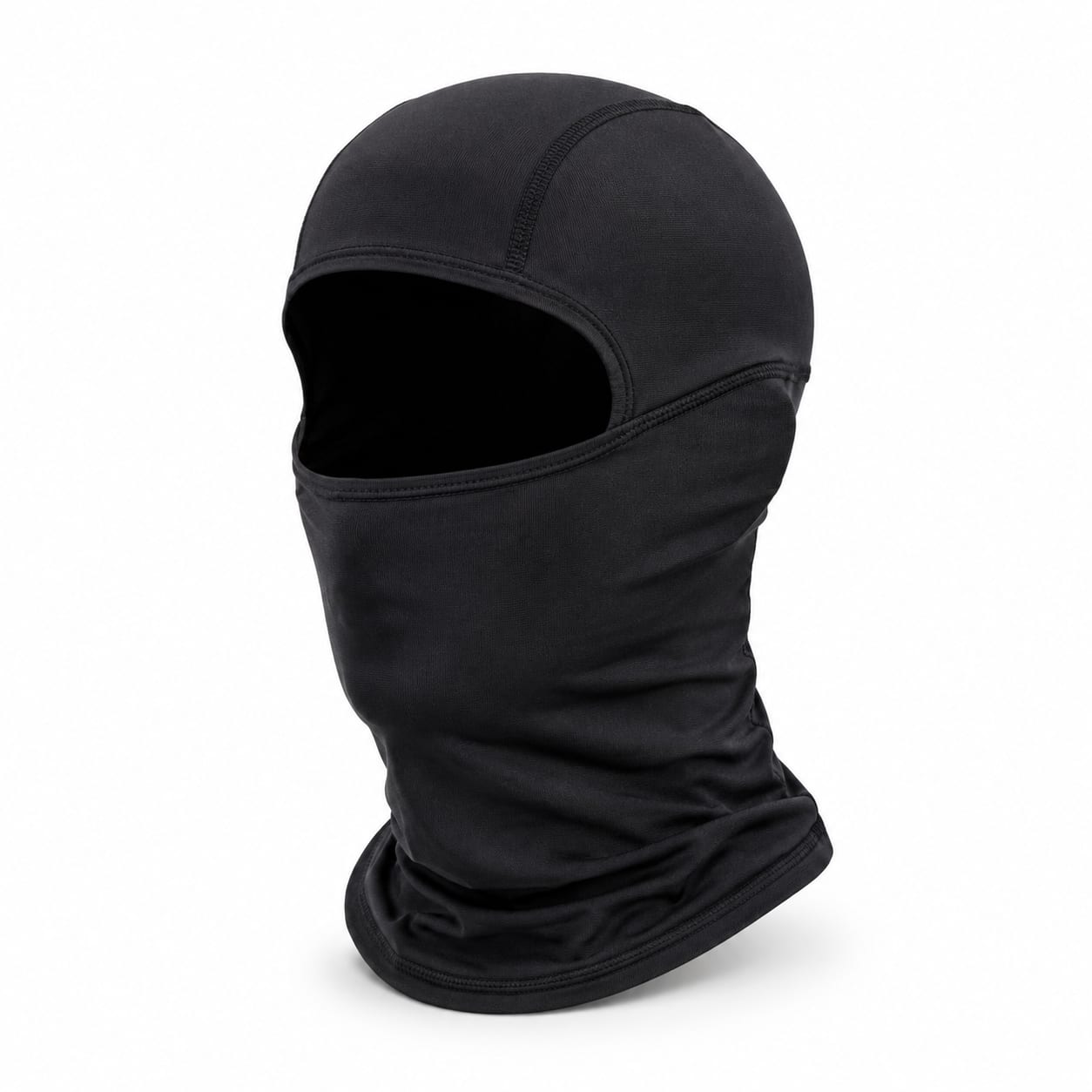
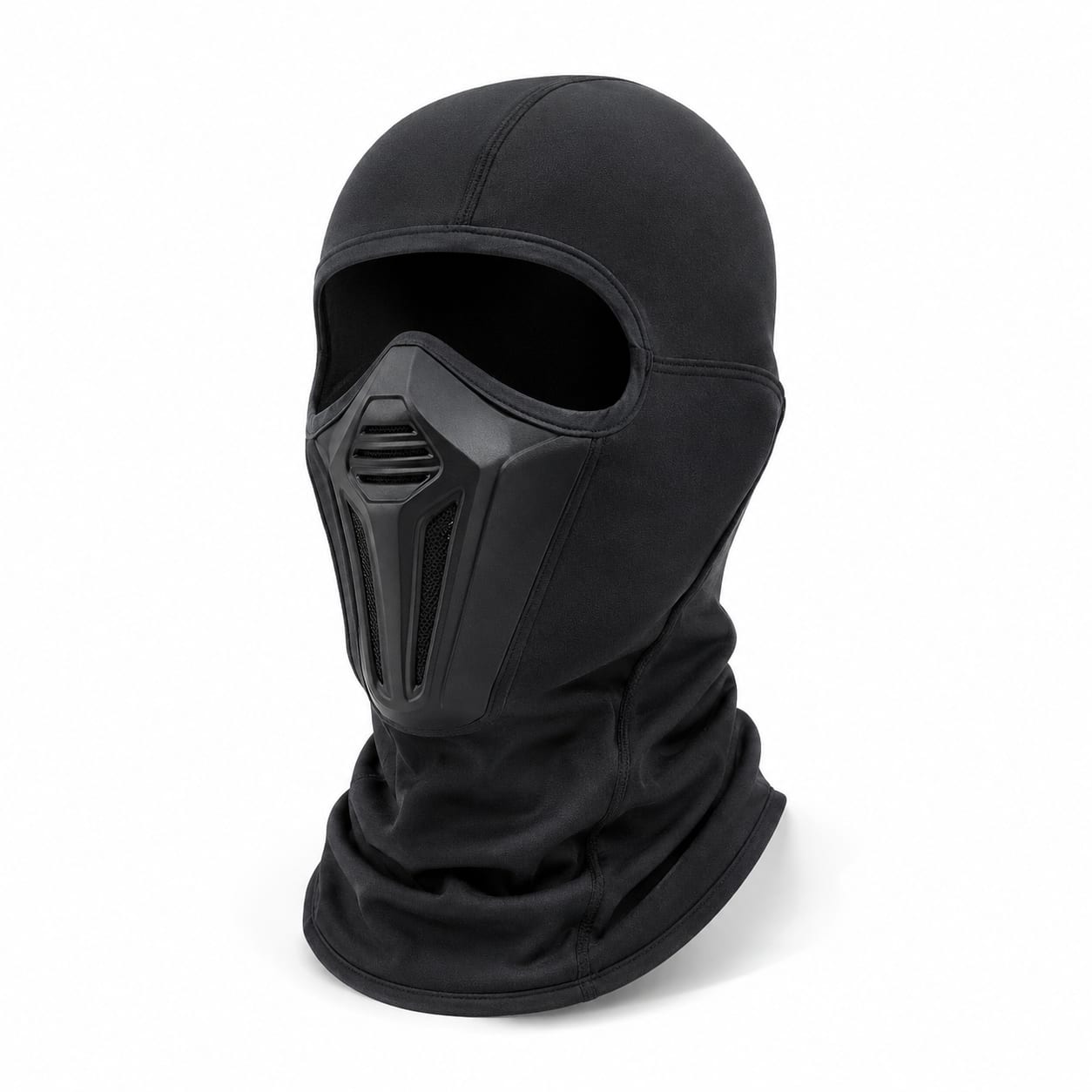
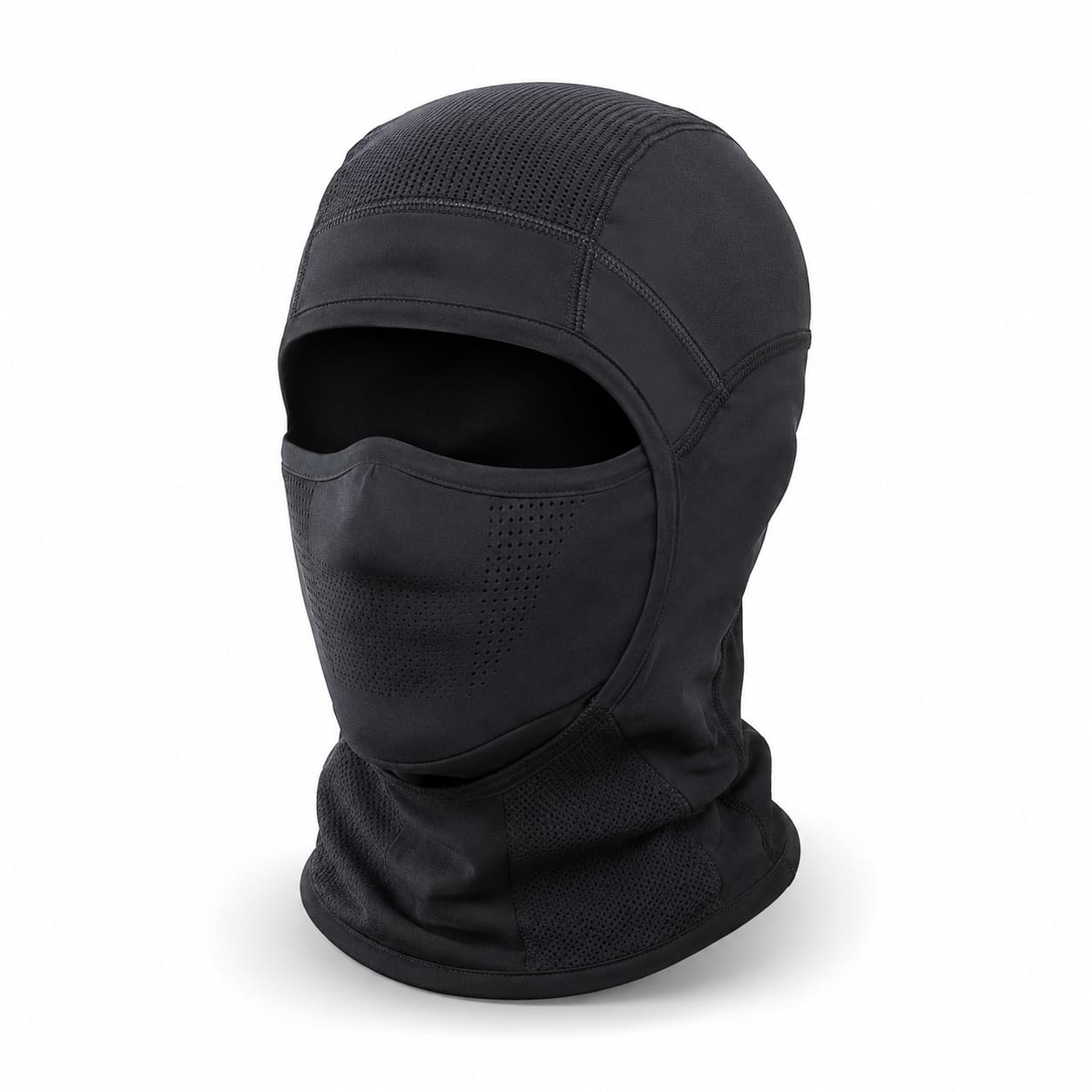
The extent and configuration of face and head coverage provided by the balaclava, determining how much skin is exposed and how the garment interfaces with goggles and helmets.
Typical for this type
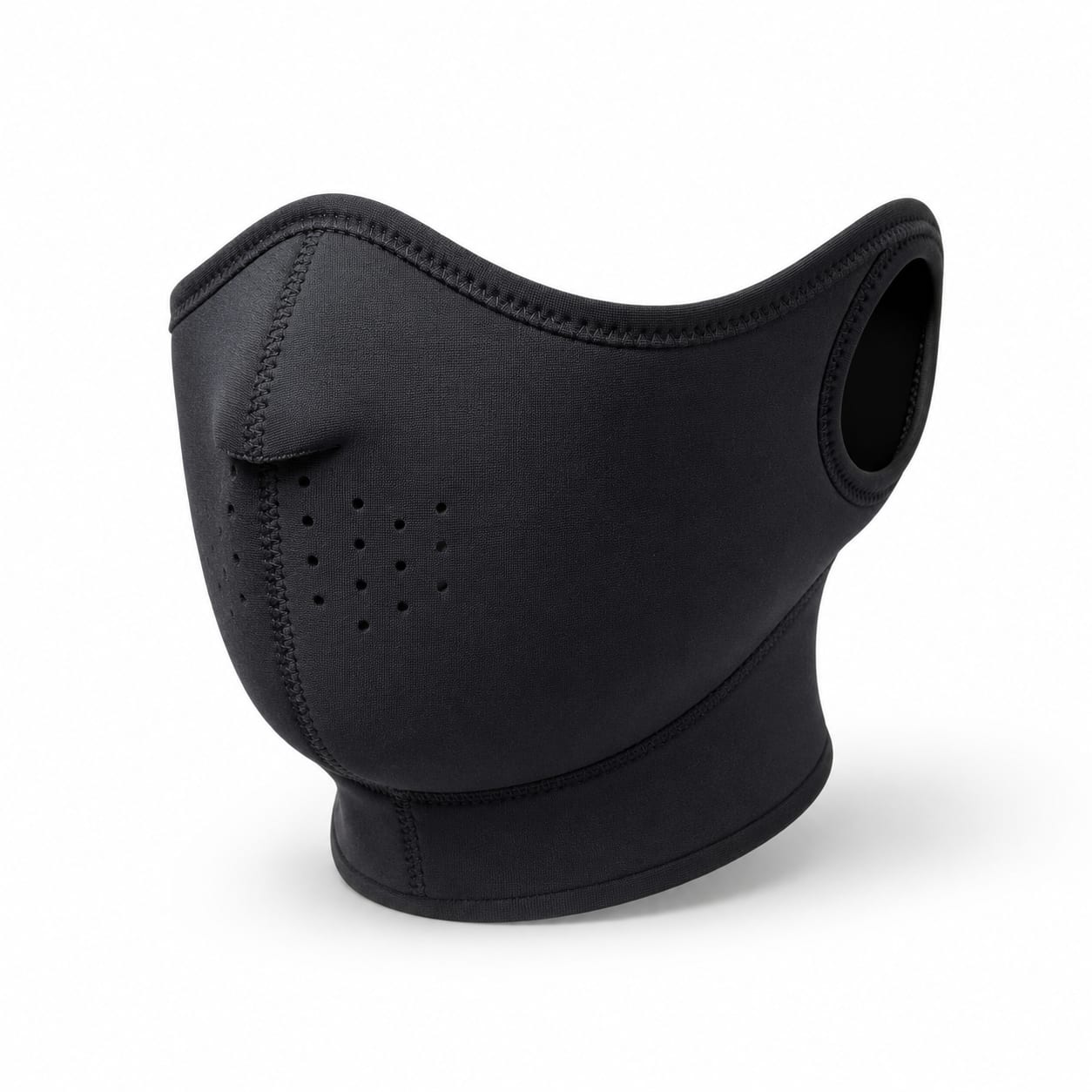
Full Face Or Mesh Breath Panel
In practice
Neoprene face masks most commonly use full face coverage to maximize wind protection, though models with mesh breath panels are popular to address the fogging issues inherent to neoprene's low breathability.
Compared to other types
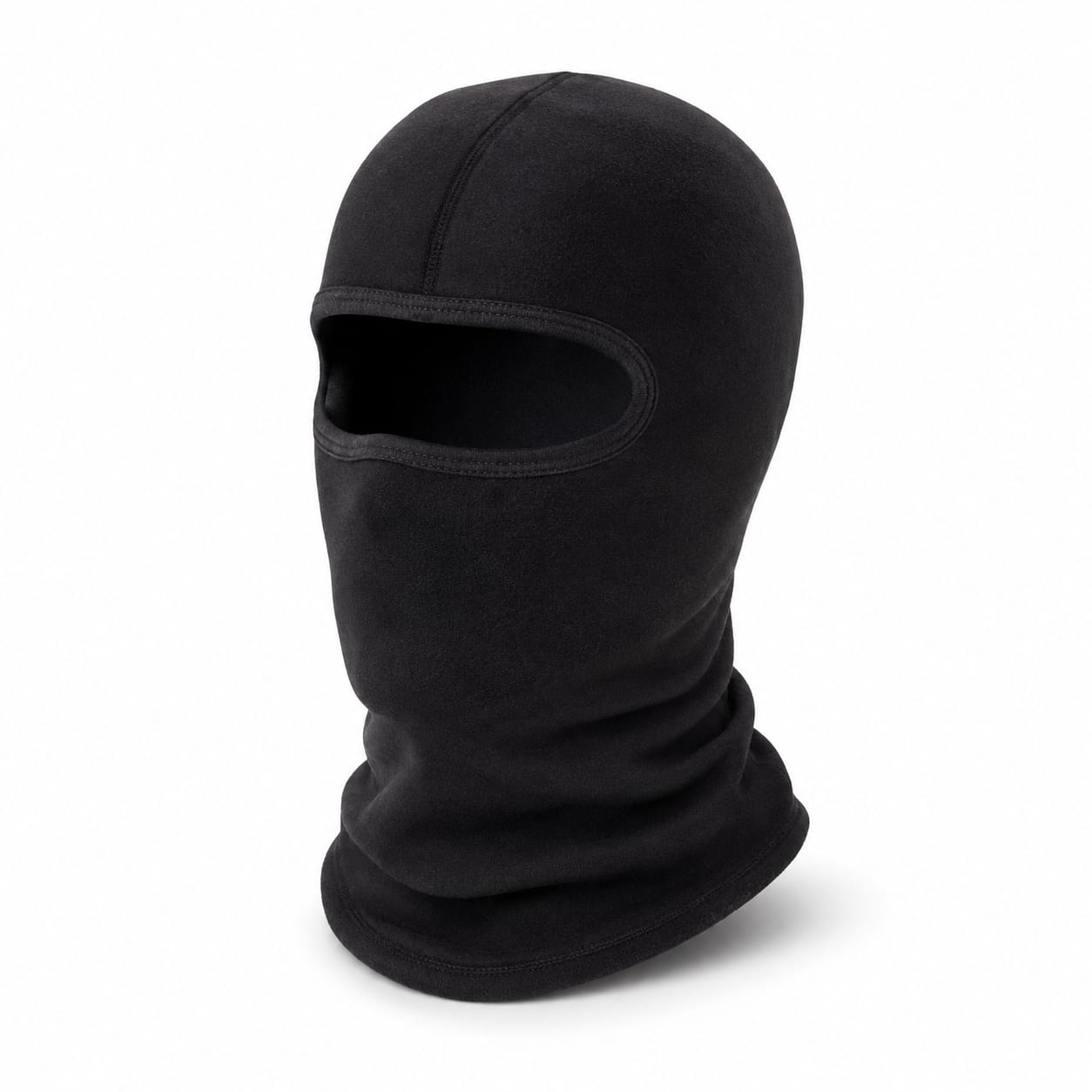
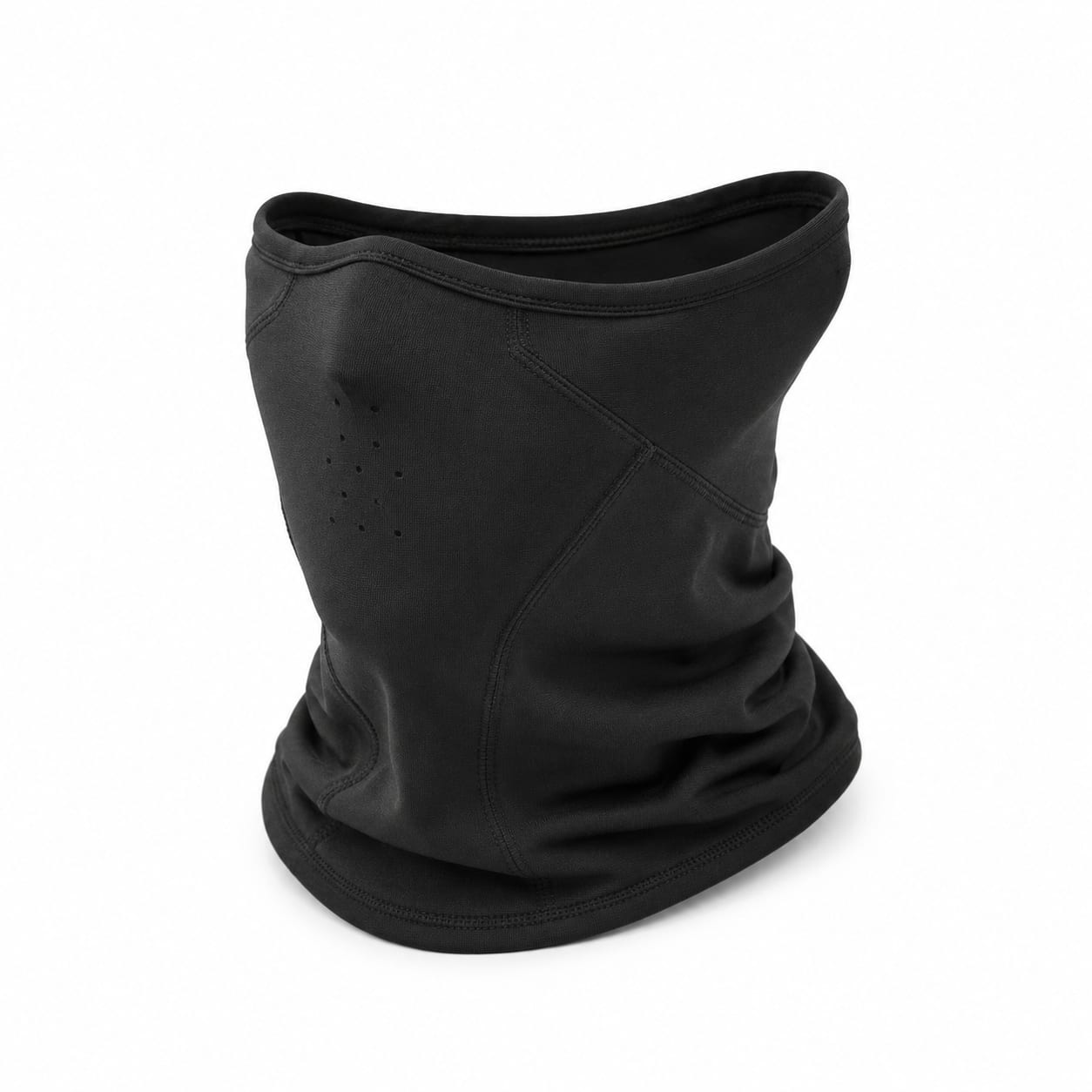
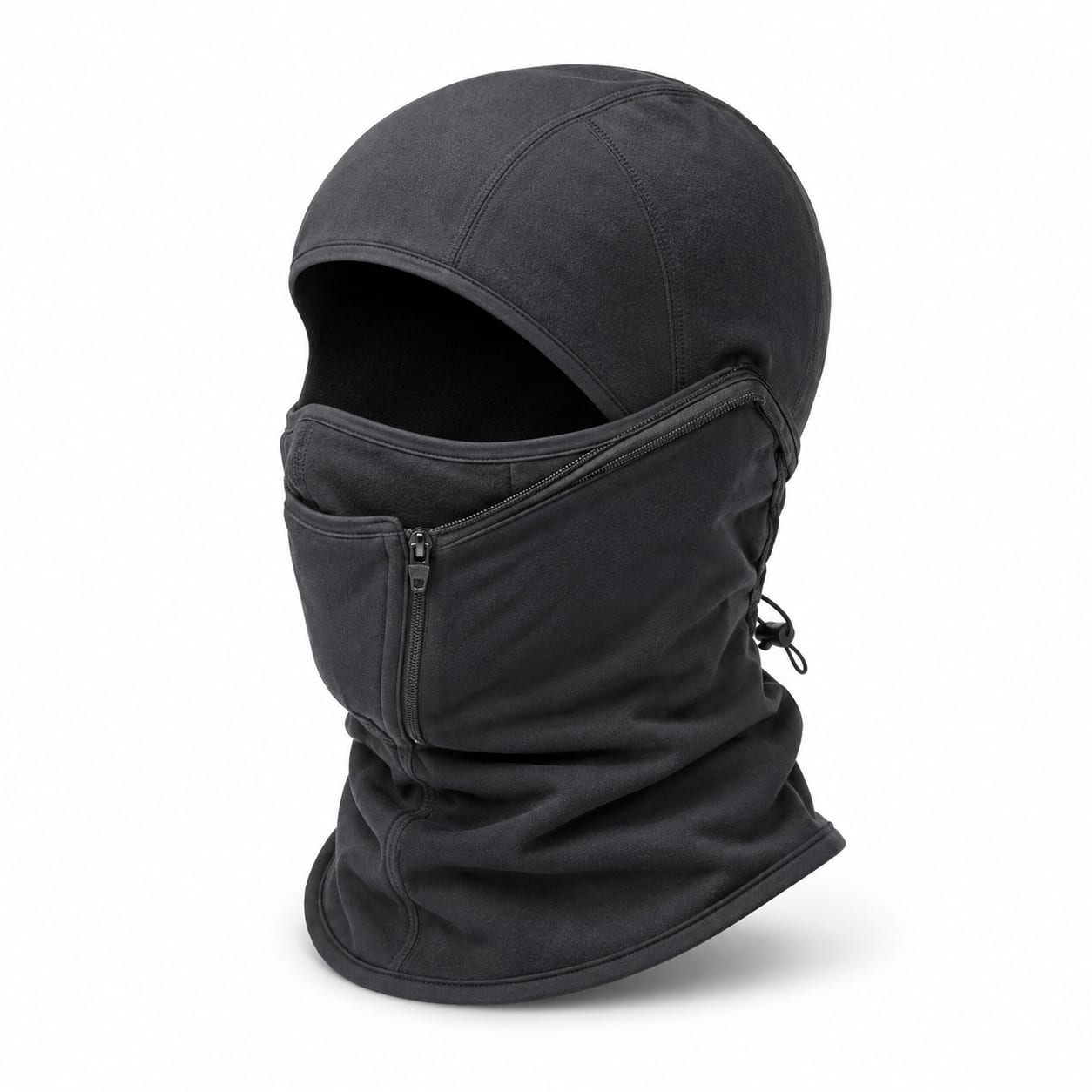
Neoprene masks almost exclusively use full face or mesh breath panel coverage, whereas fleece and merino balaclavas offer more variety including convertible and open face styles. The windproof nature of neoprene makes partial coverage less useful since the material's advantage is total wind blocking.
Why it matters: Full face coverage ensures no exposed skin in extreme wind, but the mesh breath panel variant significantly reduces goggle fogging—a common problem with neoprene. Choose based on whether wind chill or fogging is your bigger concern.
Primary Fabric Material
Primary Fabric Material
What it means
The main material used in construction, which determines warmth, breathability, moisture management, stretch, and feel against skin.
Typical for this type
Hybrid Multi Zone
In practice
Most quality neoprene ski masks are hybrid designs combining neoprene wind-blocking panels with mesh breathing zones and sometimes fleece lining at the neck and interior. Pure neoprene construction exists but is less common in ski-specific models.
Compared to other types
Unlike merino wool or polyester fleece subcategories that use a single primary fabric, neoprene masks almost always employ multi-zone construction because the material's strengths (windproofing) and weaknesses (breathability) are so extreme that blending fabrics is necessary for functional ski wear.
Why it matters: The hybrid approach addresses neoprene's breathability weakness while maintaining its windproofing strength. Pure neoprene traps moisture aggressively, making it uncomfortable for active skiing without ventilation zones.
What it means
The total weight of the balaclava in grams, affecting packability, layering comfort, and perceived bulk under a helmet.
Typical for this type
80–140g
Most common pick: 105g
In practice
Neoprene is a dense, rubber-based material that weighs significantly more than fleece or merino wool. Typical neoprene ski face masks fall in the 80–140g range, with hybrid designs on the lighter end and full neoprene construction on the heavier end.
Compared to other types
Neoprene masks are 50–100% heavier than comparable fleece balaclavas (typically 40–80g) and merino wool options (50–90g). Only extreme-cold heavyweight fleece balaclavas approach neoprene's weight range.
Why it matters: The added weight is the trade-off for windproof performance. Heavier masks provide more protection but can feel bulky under helmets and less comfortable for all-day wear. The weight is noticeable compared to a 50g fleece balaclava.
Wind Resistance
Wind Resistance
What it means
The degree to which the balaclava blocks wind penetration, critical for comfort on exposed chairlifts and high-speed descents.
Typical for this type
Windproof
In practice
Neoprene's closed-cell rubber structure is inherently windproof—it blocks virtually all air penetration. This is the primary reason skiers choose neoprene face masks over other materials.
Compared to other types
Neoprene is the only common balaclava material that achieves true windproof status without requiring an additional membrane layer. Fleece balaclavas are typically moderately wind resistant, and even windstopper/softshell models may allow slight air penetration at seams and edges that neoprene's molded construction eliminates.
Why it matters: Windproofing is the defining advantage of neoprene. On exposed chairlifts with 30+ mph winds, the difference between a windproof neoprene mask and a wind-resistant fleece balaclava is immediately noticeable and can mean the difference between comfort and painful windburn.
Breathability
Breathability
What it means
The ability of the fabric to allow moisture vapor (sweat) to escape, preventing clamminess and reducing goggle fogging.
Typical for this type
Moderate (With Mesh Panels) to Low (Pure Neoprene)
In practice
Neoprene rubber is inherently non-breathable—moisture vapor cannot pass through the material. Most ski-specific neoprene masks incorporate mesh breathing zones that improve effective breathability to moderate levels, but pure neoprene construction rates low.
Compared to other types
Neoprene masks have the worst breathability of any balaclava subcategory. Merino wool and polyester fleece offer good to excellent breathability. Even windstopper/softshell models breathe better than neoprene. This is the key trade-off for neoprene's superior wind protection.
Why it matters: Low breathability is neoprene's biggest drawback. Moisture from sweat and breath condensation accumulates inside the mask, leading to dampness, potential freezing in extreme cold, and significant goggle fogging. Mesh panels help but don't fully solve this issue.
Helmet Compatibility
Helmet Compatibility
What it means
How well the balaclava fits and functions under a ski helmet, including bulk, seam placement, and integration with helmet straps and goggle straps.
Typical for this type
Compatible to Optimized Helmet Fit
In practice
Most neoprene ski masks are designed to work under helmets with relatively low-profile construction. The material's stretch helps it conform without excessive bunching. However, the thicker neoprene panels add more bulk than thin fleece liners.
Compared to other types
Neoprene masks are less helmet-friendly than ultralight nylon-spandex liners (optimized helmet fit) but comparable to midweight fleece balaclavas. The rubber material doesn't compress as much as fleece under helmet pressure, which can be noticeable.
Why it matters: Neoprene's thickness can create a tighter helmet fit, especially around the temples and forehead. While not typically bulky enough to cause problems, riders with snug-fitting helmets should test the combination before committing to a full day.
Goggle Integration
Goggle Integration
What it means
How well the balaclava interfaces with ski goggles, including gap elimination, fogging prevention, and strap compatibility.
Typical for this type
Good Integration to Seamless Integration
In practice
Neoprene's form-fitting nature creates a good seal around goggle edges, and many models are designed with goggle-compatible eye openings. However, the breathability issues can cause fogging that undermines goggle performance regardless of the physical fit.
Compared to other types
Neoprene masks achieve better physical gap elimination than most fleece balaclavas due to their form-fitting nature, but the fogging issue means practical goggle integration is worse than breathable alternatives. Mesh breath panel models narrow this gap significantly.
Why it matters: The physical seal between neoprene mask and goggles is typically excellent—the material conforms tightly and eliminates gaps. The challenge is that exhaled breath trapped by the non-breathable neoprene redirects upward toward goggles, causing fogging that no amount of physical integration can solve.
Moisture Wicking
Moisture Wicking
What it means
The ability of the fabric to actively pull moisture (sweat and breath condensation) away from the skin surface to the exterior where it can evaporate.
Typical for this type
Minimal Wicking to Moderate Wicking (With Interior Lining)
In practice
Neoprene rubber does not wick moisture—it traps sweat and condensation against the skin. Some models add a moisture-wicking inner lining (typically polyester or fleece) that improves performance to moderate levels, but the neoprene outer layer still blocks moisture escape.
Compared to other types
Neoprene is the worst moisture-wicking material used in ski balaclavas. Merino wool and polypropylene offer active wicking, and even standard polyester fleece provides moderate wicking. This is neoprene's most significant functional disadvantage beyond breathability.
Why it matters: Poor moisture wicking means the inside of a neoprene mask can become damp and clammy during active skiing. In extreme cold, this moisture can freeze when you stop moving, creating an uncomfortable and potentially dangerous situation.
UV Protection (UPF)
UV Protection (UPF)
What it means
The Ultraviolet Protection Factor rating indicating how effectively the fabric blocks UV radiation, important at high altitude where UV exposure is significantly stronger.
Typical for this type
Upf 50 Plus
In practice
Neoprene rubber is inherently opaque and blocks virtually all UV radiation. Even thin neoprene provides UPF 50+ protection without any special treatment or weave construction.
Compared to other types
Neoprene provides the most reliable UV protection of any balaclava material because it's a solid rubber barrier rather than a woven fabric that can allow UV penetration when stretched. Merino wool and fleece may lose UPF effectiveness when stretched across the face.
Why it matters: At high altitude where UV radiation is significantly amplified and snow reflects up to 80% of UV back upward, neoprene's complete UV blocking is a genuine advantage for sun-sensitive skiers and those prone to facial sunburn.
What it means
The sizing system and general fit characteristics of the balaclava, affecting comfort, coverage, and compatibility with other gear.
Typical for this type
One Size (With S/M And L/XL Preferred When Available)
In practice
Most neoprene face masks come in one-size-fits-all designs that rely on the material's natural stretch. However, because neoprene doesn't stretch as easily as fleece, some manufacturers offer S/M and L/XL sizing for better fit.
Compared to other types
Neoprene masks benefit more from specific sizing than stretchy fleece balaclavas because the material has less inherent give. One-size fleece balaclavas accommodate a wider range of head sizes comfortably.
Why it matters: Neoprene's moderate stretch means one-size masks can be too tight on larger heads (causing pressure and headache) or too loose on smaller heads (allowing wind gaps). If available, sized options provide a noticeably better fit and seal.
Seam Construction
Seam Construction
What it means
The type and placement of seams in the balaclava, affecting comfort against skin, pressure points under helmets, and durability.
Typical for this type
Flatlock Seams to Seamless
In practice
Neoprene face masks commonly use flatlock seams similar to wetsuit construction, which lay relatively flat against the skin. Some premium models use glued and blind-stitched seams or seamless molded construction for maximum comfort.
Compared to other types
Neoprene masks are more likely to use wetsuit-style seam techniques (glued, blind-stitched, or flatlock) compared to fleece balaclavas that typically use standard overlock or flatlock seams. The seam construction is generally more robust but can be bulkier.
Why it matters: Seam construction matters more with neoprene than with softer materials because the rubber-like neoprene doesn't compress as easily under helmet pressure. Raised seams can create noticeable pressure points on the forehead and temples during all-day wear.
Odor Resistance
Odor Resistance
What it means
The fabric's ability to resist developing unpleasant odors over multi-day use, important for ski trips where daily washing isn't possible.
Typical for this type
Minimal Odor Resistance to Antimicrobial Treated
In practice
Neoprene itself has no inherent odor resistance and the trapped moisture creates an environment where bacteria thrive. Some models add antimicrobial treatments to the interior lining, but untreated neoprene develops odor quickly with active use.
Compared to other types
Neoprene masks have the worst odor resistance of any balaclava subcategory. Merino wool is naturally odor resistant for multiple days, and even standard polyester fleece outperforms neoprene. Antimicrobial treatments help but degrade over washes.
Why it matters: For multi-day ski trips, a neoprene mask without antimicrobial treatment will develop noticeable odor after one to two days of active skiing. The combination of trapped sweat and non-breathable material accelerates odor development compared to more breathable alternatives.
Thermal Insulation Class
Thermal Insulation Class
What it means
The warmth category of the balaclava, indicating the temperature range and conditions it is designed to handle comfortably.
Typical for this type
Cold to Extreme Cold
In practice
Neoprene provides excellent insulation due to its closed-cell structure that traps a thin layer of warmed air against the skin. Most neoprene ski masks are rated for cold conditions (-15°C to -5°C), with thicker models suitable for extreme cold below -15°C.
Compared to other types
Neoprene provides more warmth per millimeter of thickness than fleece because it blocks wind completely. A 2mm neoprene mask can feel warmer than a midweight fleece balaclava in windy conditions, though the fleece would be more comfortable during high exertion.
Why it matters: Neoprene's insulation comes from both the material's thickness and its windproof nature—without wind penetration to strip away the warm air layer, even thin neoprene feels surprisingly warm. This makes it effective at lower thicknesses than fleece.
Nose/Mouth Breath Feature
Nose/Mouth Breath Feature
What it means
Specific design features around the nose and mouth area that manage breath direction and moisture to reduce goggle fogging and improve comfort.
Typical for this type
Mesh Breath Zone to Directed Exhaust
In practice
Because neoprene is non-breathable, virtually all ski-specific neoprene masks incorporate mesh breathing zones or directed exhaust channels at the nose and mouth. This is not optional—it's essential for functional use with goggles.
Compared to other types
Neoprene masks are more dependent on breath features than any other subcategory. While a fleece balaclava without breath features will cause some fogging, a neoprene mask without them is nearly unusable with goggles. This makes breath feature selection critical for neoprene buyers.
Why it matters: Without a breath management feature, a neoprene mask will redirect all exhaled breath upward toward your goggles, causing immediate and persistent fogging. The mesh breath zone or directed exhaust is what makes a neoprene mask usable for skiing rather than just a wind blocker.
Neck Coverage Length
Neck Coverage Length
What it means
How far down the neck the balaclava extends, affecting how well it seals with your base layer or jacket collar and prevents cold air entry.
Typical for this type
Standard Neck to Extended Neck
In practice
Most neoprene face masks feature standard neck coverage extending to just below the collarbone. Extended neck options are available for extreme cold conditions where a complete seal with base layers is essential.
Compared to other types
Neoprene masks benefit more from extended neck coverage than breathable alternatives because wind penetrating a neck gap is more jarring when the rest of your face is completely windproof. The contrast between protected and unprotected skin is more extreme.
Why it matters: Neoprene's windproof nature means any gap at the neck is immediately noticeable as a cold spot. Extended neck coverage that tucks securely into your base layer or jacket collar eliminates this vulnerability, especially when turning your head on the chairlift.
Stretch / Flexibility
Stretch / Flexibility
What it means
The degree of stretch in the fabric and construction, affecting how the balaclava conforms to different head shapes and moves with the wearer.
Typical for this type
2_way_stretch to 4_way_stretch
In practice
Neoprene has good stretch in two directions (typically width and length) but doesn't stretch diagonally like 4-way stretch fabrics. The material provides a snug, conforming fit but with slightly more resistance than high-stretch fleece blends.
Compared to other types
Neoprene offers less stretch flexibility than 4-way stretch fleece or nylon-spandex blends but more than minimal-stretch windstopper shells. The 2-way stretch is sufficient for a good fit but doesn't provide the unrestricted feel of more elastic materials.
Why it matters: Neoprene's 2-way stretch creates a secure, form-fitting seal that stays in place during aggressive skiing—a significant advantage over looser balaclavas. However, the limited stretch means the mask doesn't move as naturally with facial expressions and head turns, which some riders find restrictive.