
For most ski conditions, 1.5–2mm neoprene provides sufficient wind protection and warmth without excessive bulk. Thicker 3mm neoprene is available for extreme cold but adds significant weight and can feel claustrophobic. Thinner 1mm neoprene exists but offers less insulation—the windproofing is the same, but you lose the warmth from the insulating air layer in the neoprene cells.
Ski Balaclava · Neoprene Face Mask
How thick should my neoprene face mask be?
Related gear types
If this answer nudged you toward a different style, these guides compare specs and trade-offs.
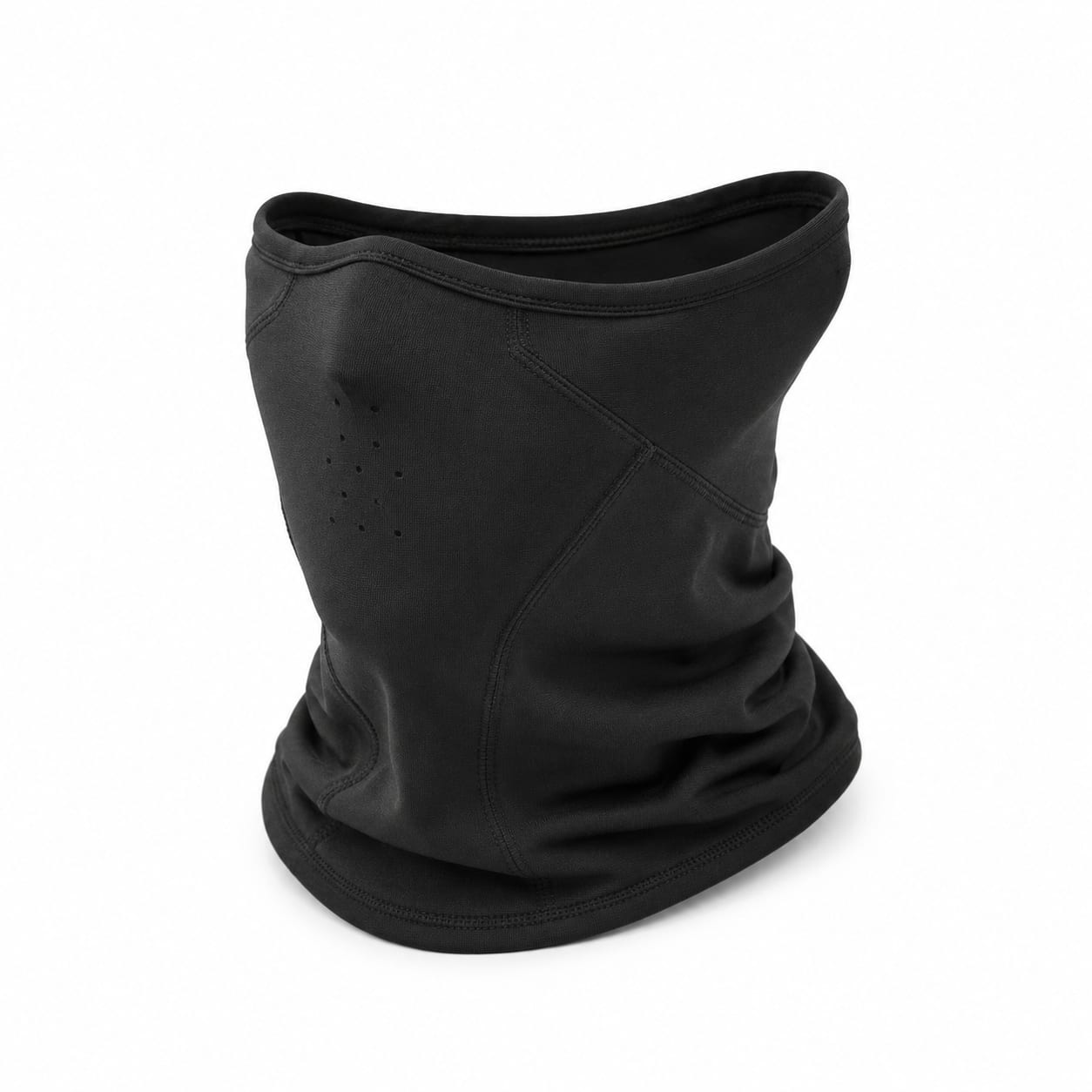
Half Face Balaclava
$10 – $40
Lower face and neck covering that leaves the top of the head exposed for helmet compatibility.
Exposes top of headCovers nose to neckHelmet-friendly
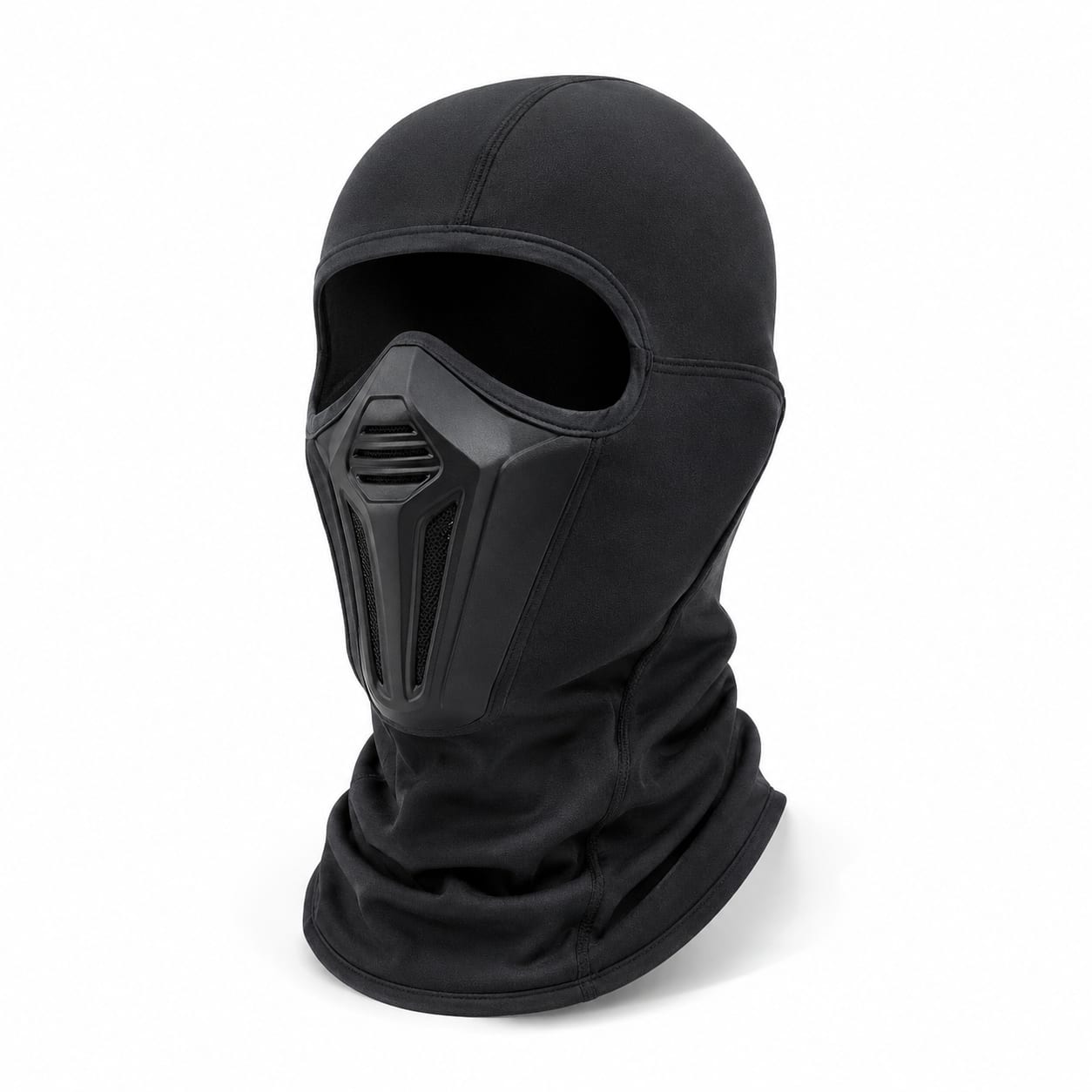
Breath Box Balaclava
$30 – $90
Balaclava with structured breathing chamber that deflects exhaled air away from goggles to prevent fogging.
Structured breath chamberDownward air channelingGoggle fog prevention
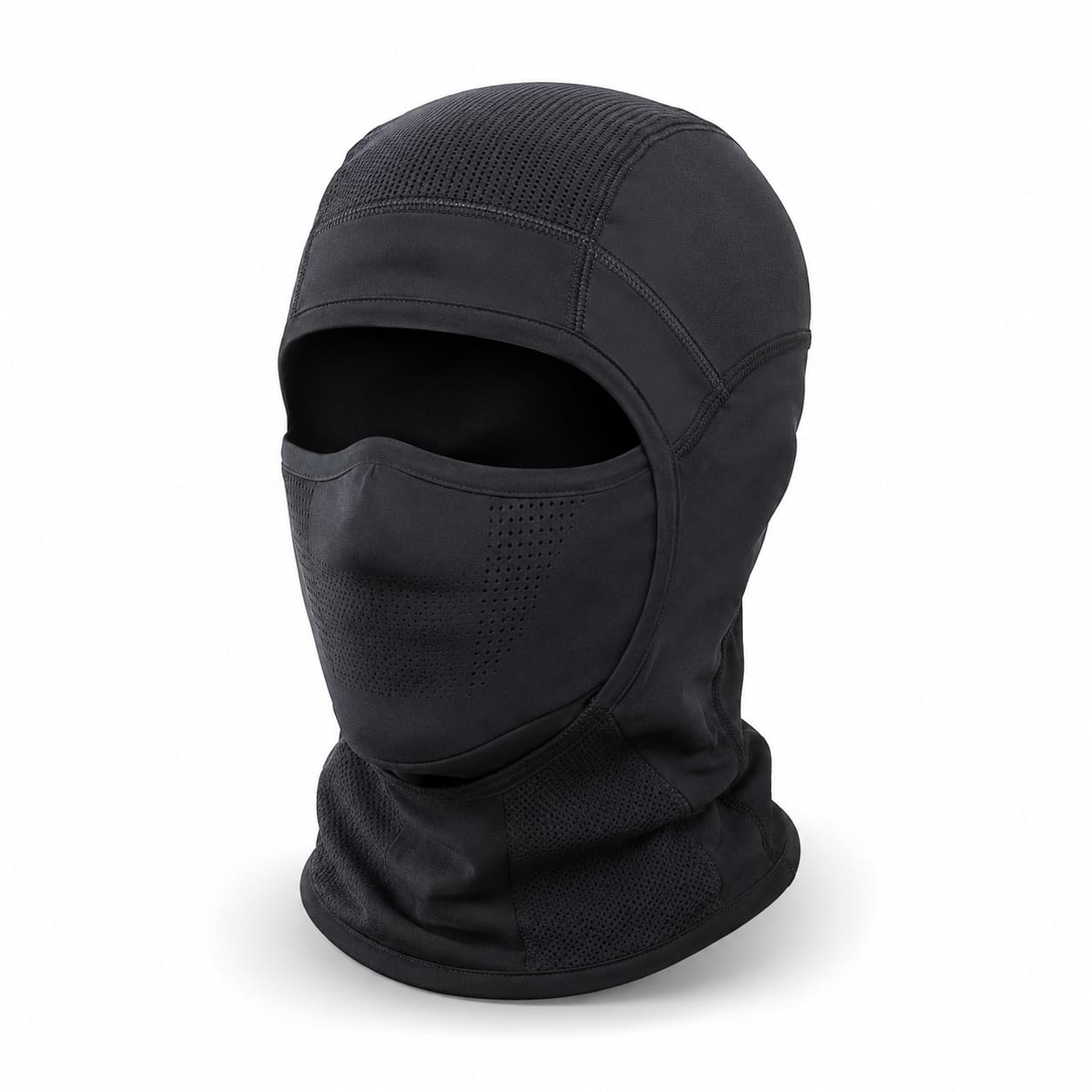
Windproof Balaclava
$30 – $85
Balaclava incorporating wind-blocking membranes like Gore-Tex Windstopper for maximum wind chill protection.
Windproof membrane panelsStrategic panel placementBreathable zones
More questions
- Will a neoprene face mask make my goggles fog?
- Can I wear a neoprene mask for backcountry touring?
- How does neoprene compare to windstopper fabric for wind protection?
- Is neoprene safe for people with latex allergies?