
Neoprene is generally not recommended for backcountry touring or any high-exertion climbing activity. The lack of breathability causes rapid moisture buildup during skinning, which can freeze when you stop for transitions. For backcountry use, a breathable fleece or merino balaclava is almost always better. Some tourers carry a neoprene mask just for windy descents and switch to a breathable option for the climb.
Ski Balaclava · Neoprene Face Mask
Can I wear a neoprene mask for backcountry touring?
Related gear types
If this answer nudged you toward a different style, these guides compare specs and trade-offs.
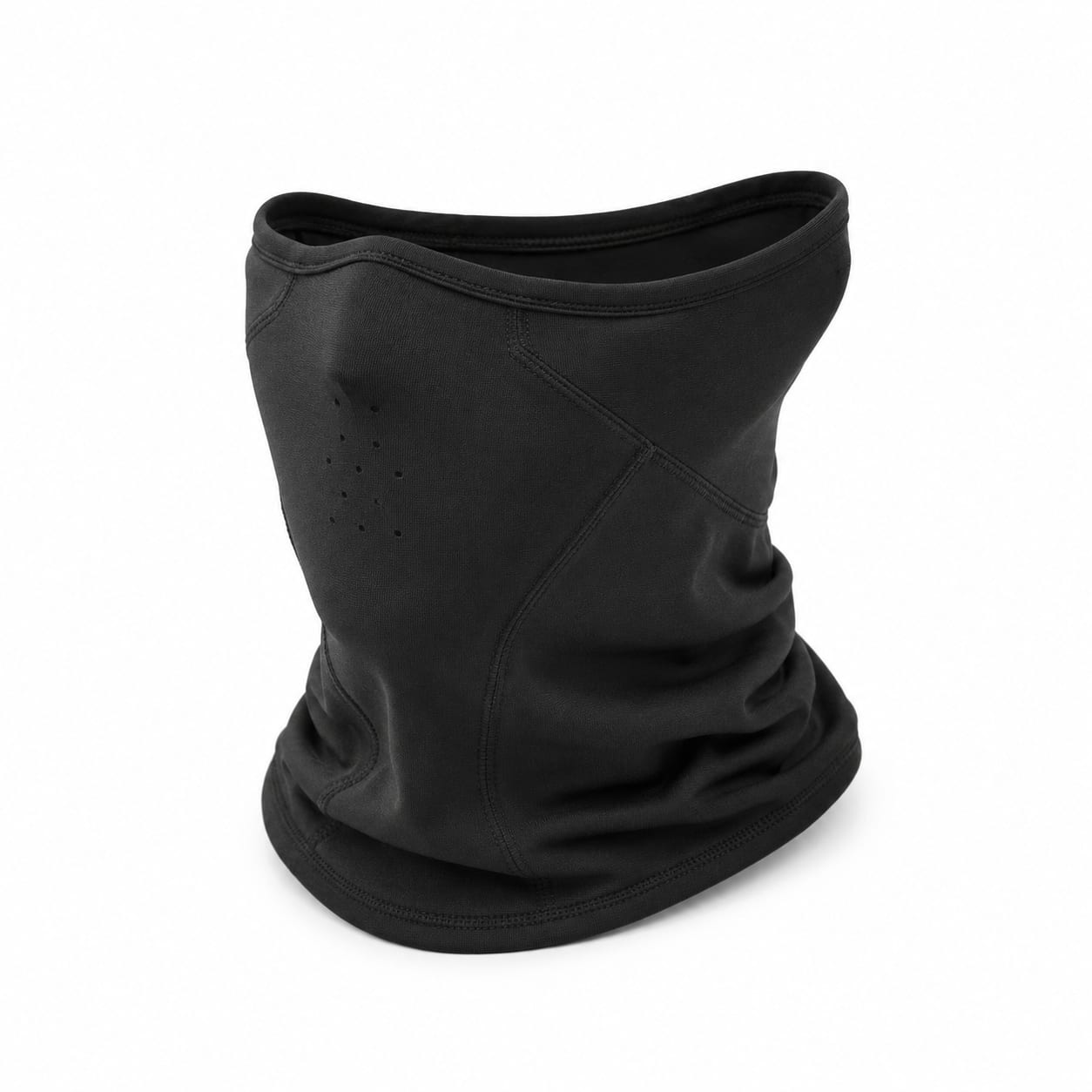
Half Face Balaclava
$10 – $40
Lower face and neck covering that leaves the top of the head exposed for helmet compatibility.
Exposes top of headCovers nose to neckHelmet-friendly
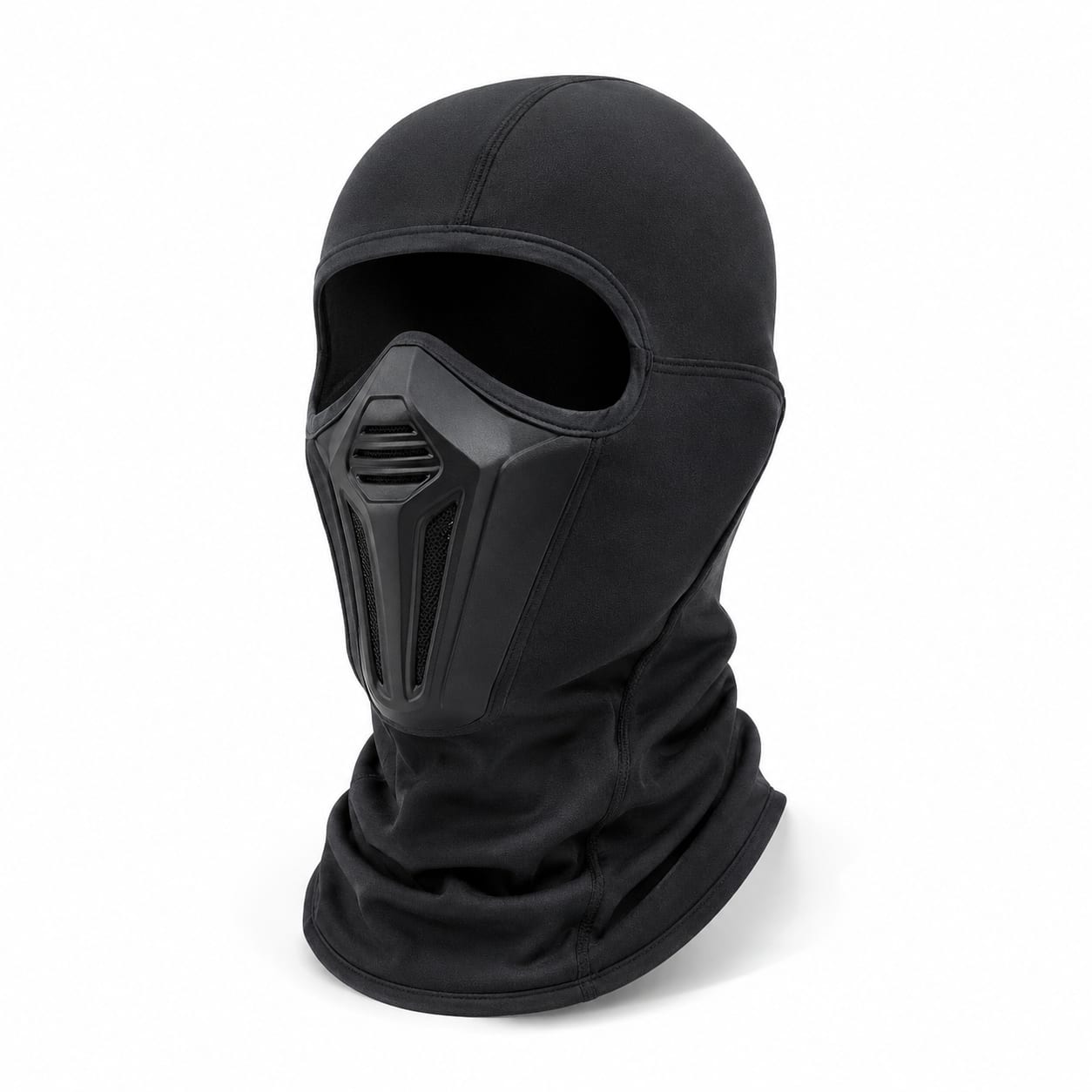
Breath Box Balaclava
$30 – $90
Balaclava with structured breathing chamber that deflects exhaled air away from goggles to prevent fogging.
Structured breath chamberDownward air channelingGoggle fog prevention
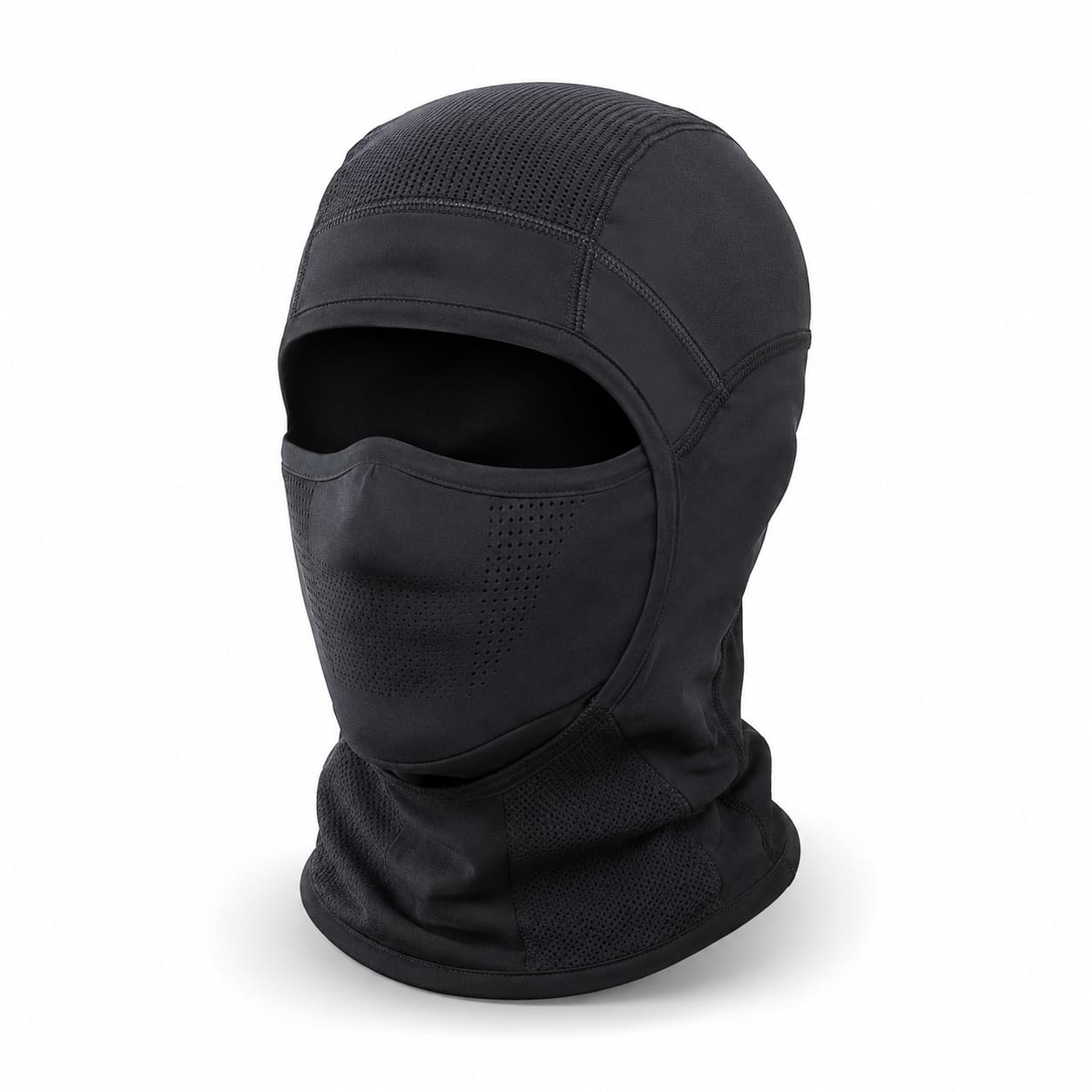
Windproof Balaclava
$30 – $85
Balaclava incorporating wind-blocking membranes like Gore-Tex Windstopper for maximum wind chill protection.
Windproof membrane panelsStrategic panel placementBreathable zones
More questions
- Will a neoprene face mask make my goggles fog?
- How does neoprene compare to windstopper fabric for wind protection?
- Is neoprene safe for people with latex allergies?
- How thick should my neoprene face mask be?