
Ski Goggles · FAQ
Questions about Night Skiing Goggles
Straight answers on fit, specs, and when this type makes sense — each topic has its own page with links back to the buying guide.
Open Night Skiing Goggles guide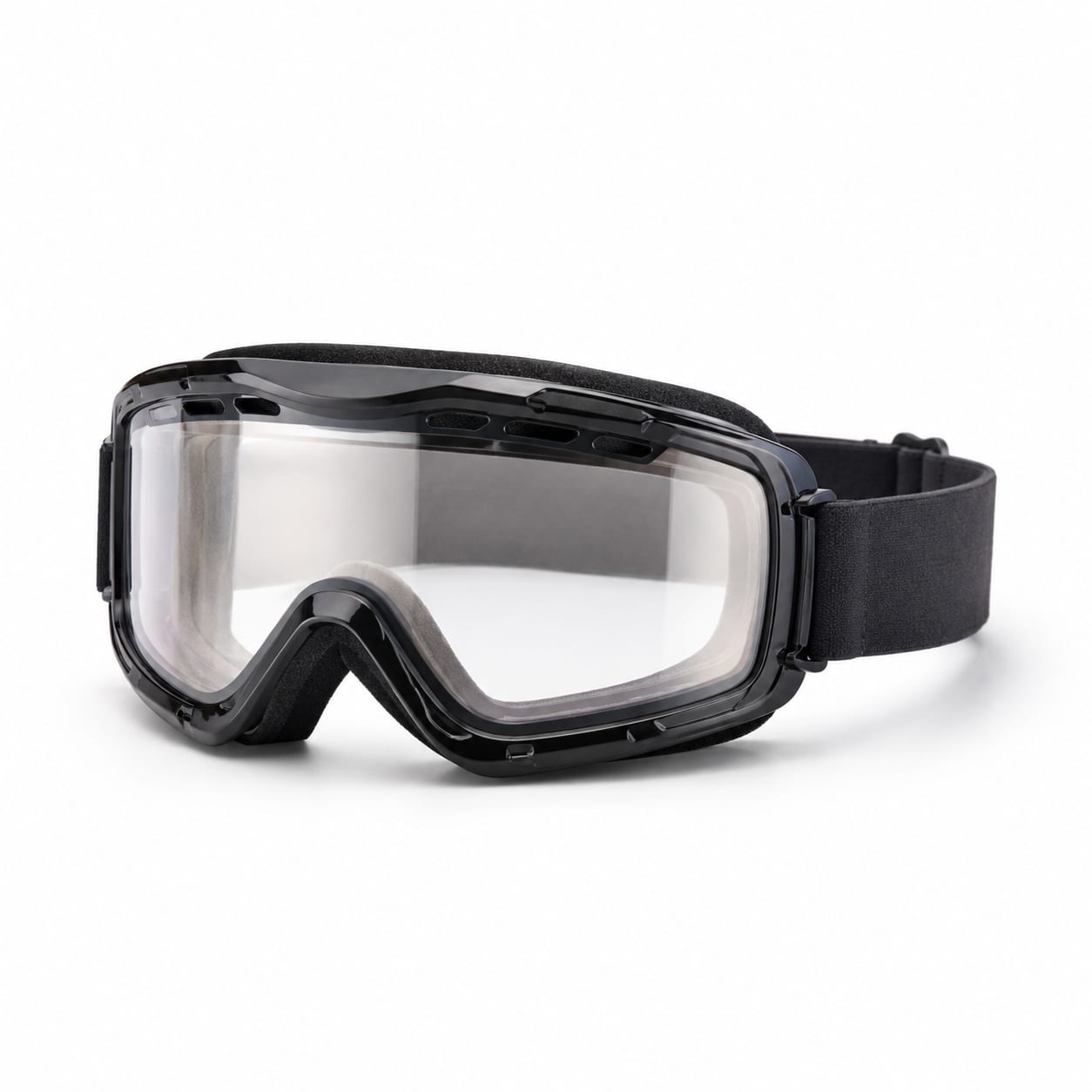
6 topics
Pick a question
Every answer links to the full subcategory guide and related gear types when it helps you decide.
Can I just use my regular goggles for night skiing?
You can, but you'll severely limit your visibility. Most all-mountain goggle lenses have VLT ratings of 19–45%, which means they block 55–81% of available light. Under floodlights, that's not enough light to see terrain features, ice patches, or slope changes clearly. A dedicated night lens with 70–95% VLT transforms the experience from guessing to confident skiing.
Read answer →02Should I get clear or yellow lenses for night skiing?
It depends on your resort's lighting. Clear lenses (85–95% VLT) provide the most natural vision under bright, modern LED floodlights and are the best choice for well-lit resorts. Yellow/gold lenses (70–85% VLT) add contrast enhancement that helps define terrain on partially lit trails, older lighting systems, or during dusk transitions. If unsure, yellow/gold is the safer all-around choice for night skiing.
Read answer →03Why do my goggles fog so much more at night?
Night air temperatures are significantly colder than daytime, creating a larger temperature differential between your warm face and the goggle lens. This differential drives condensation—warm, moist air from your face hits the cold inner lens surface and fogs instantly. Night goggles address this with premium anti-fog coatings, enhanced ventilation, and dual-lens thermal barriers, but some fogging may still occur during high exertion.
Read answer →04Do I need a separate goggle for night skiing, or can I just swap lenses?
If your current goggles have a quick-swap lens system (magnetic or mechanical), buying a night-specific spare lens is the most cost-effective and convenient solution. You can swap lenses on the lift in seconds. If your goggles use traditional frame-swap or fixed lenses, a dedicated second goggle for night skiing is more practical than struggling with lens changes in the cold.
Read answer →05Are photochromic lenses good enough for night skiing?
Photochromic lenses are convenient for day-to-night transitions but have two limitations for pure night skiing. First, they typically max out at 70–80% VLT in their clearest state, which is lower than dedicated clear night lenses at 85–95%. Second, the transition from dark to clear can be slow in cold temperatures. For occasional night skiing, they're adequate. For regular night sessions, a dedicated clear lens provides superior visibility.
Read answer →06Is UV protection really necessary for night skiing goggles?
Yes, UV400 protection is still important. Many night skiing sessions begin during dusk or late afternoon when UV radiation remains significant. UV is invisible and independent of visible light levels—your eyes can sustain UV damage even when the light seems dim. Additionally, snow reflects UV radiation, and altitude amplifies exposure. UV400 adds no cost and ensures complete protection regardless of conditions.
Read answer →