
Night air temperatures are significantly colder than daytime, creating a larger temperature differential between your warm face and the goggle lens. This differential drives condensation—warm, moist air from your face hits the cold inner lens surface and fogs instantly. Night goggles address this with premium anti-fog coatings, enhanced ventilation, and dual-lens thermal barriers, but some fogging may still occur during high exertion.
Ski Goggles · Night Skiing Goggles
Why do my goggles fog so much more at night?
Related gear types
If this answer nudged you toward a different style, these guides compare specs and trade-offs.
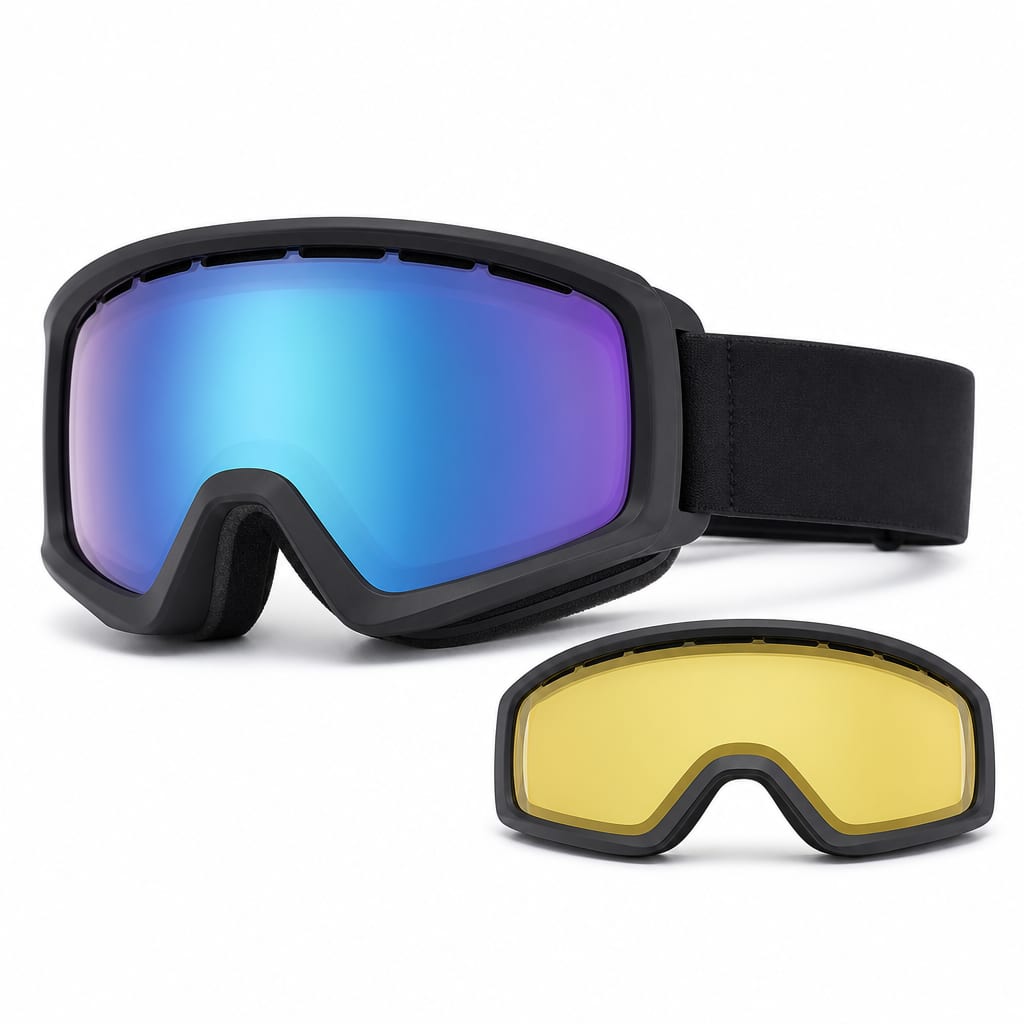
All-Mountain Ski Goggles
$50 – $250
Versatile goggles designed for general use across varied terrain and light conditions.
versatile lens tintshelmet-compatible framesmoderate VLT range
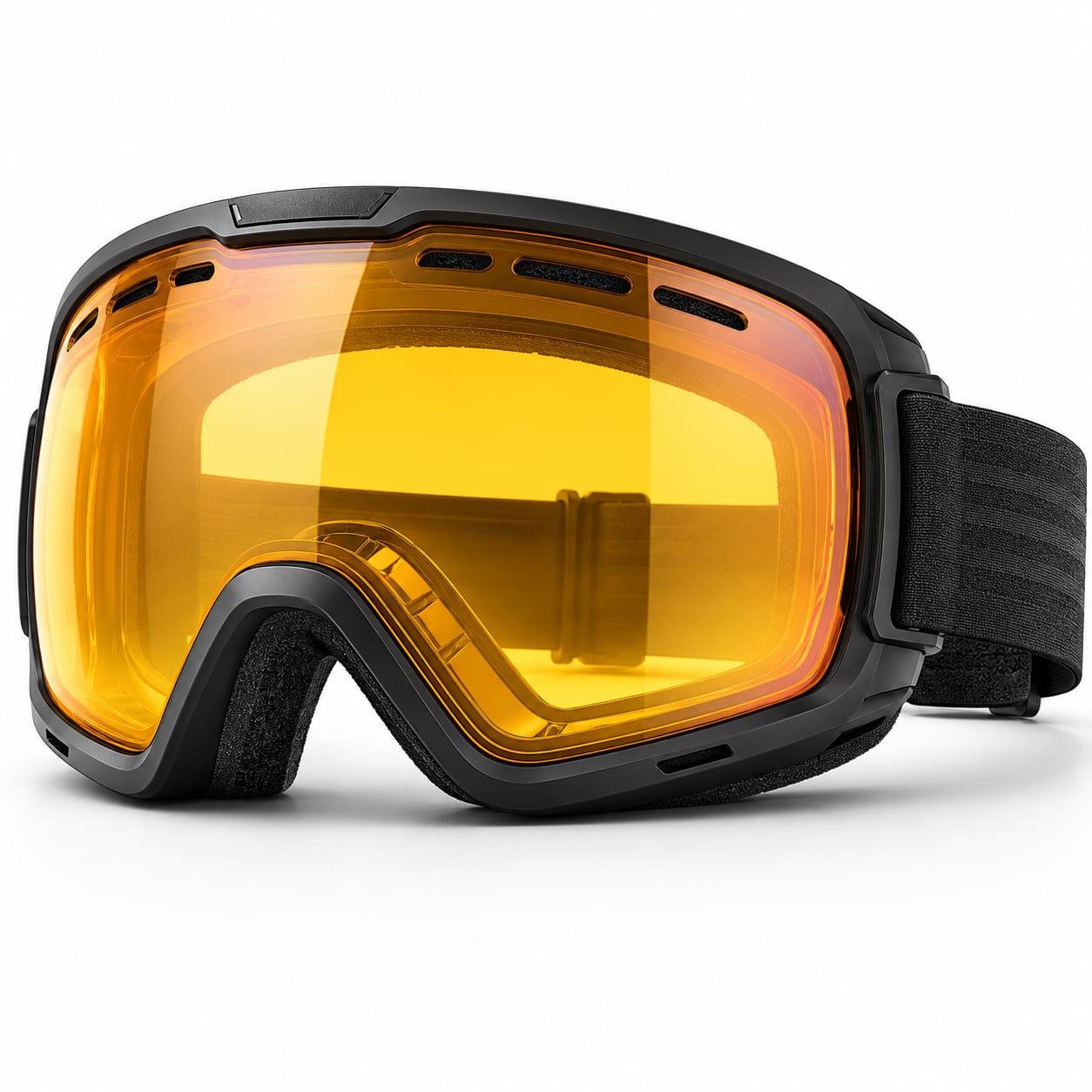
Low-Light / Storm Ski Goggles
$60 – $250
Goggles optimized for flat light, overcast skies, and storm conditions with high-VLT lenses.
high VLT lenses (60-90%)contrast-enhancing tintsyellow/amber/rose lens colors
More questions
- Can I just use my regular goggles for night skiing?
- Should I get clear or yellow lenses for night skiing?
- Do I need a separate goggle for night skiing, or can I just swap lenses?
- Are photochromic lenses good enough for night skiing?