
Photochromic lenses are convenient for day-to-night transitions but have two limitations for pure night skiing. First, they typically max out at 70–80% VLT in their clearest state, which is lower than dedicated clear night lenses at 85–95%. Second, the transition from dark to clear can be slow in cold temperatures. For occasional night skiing, they're adequate. For regular night sessions, a dedicated clear lens provides superior visibility.
Ski Goggles · Night Skiing Goggles
Are photochromic lenses good enough for night skiing?
Related gear types
If this answer nudged you toward a different style, these guides compare specs and trade-offs.
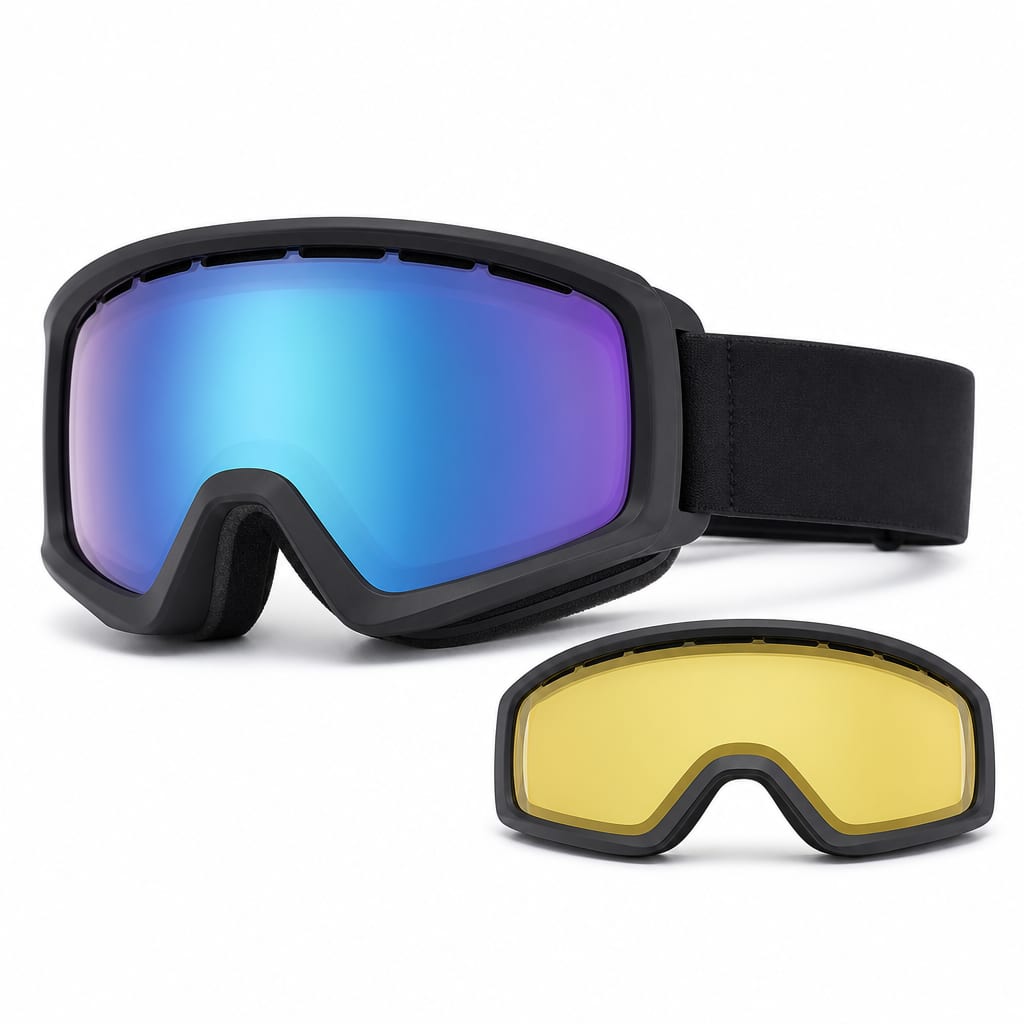
All-Mountain Ski Goggles
$50 – $250
Versatile goggles designed for general use across varied terrain and light conditions.
versatile lens tintshelmet-compatible framesmoderate VLT range
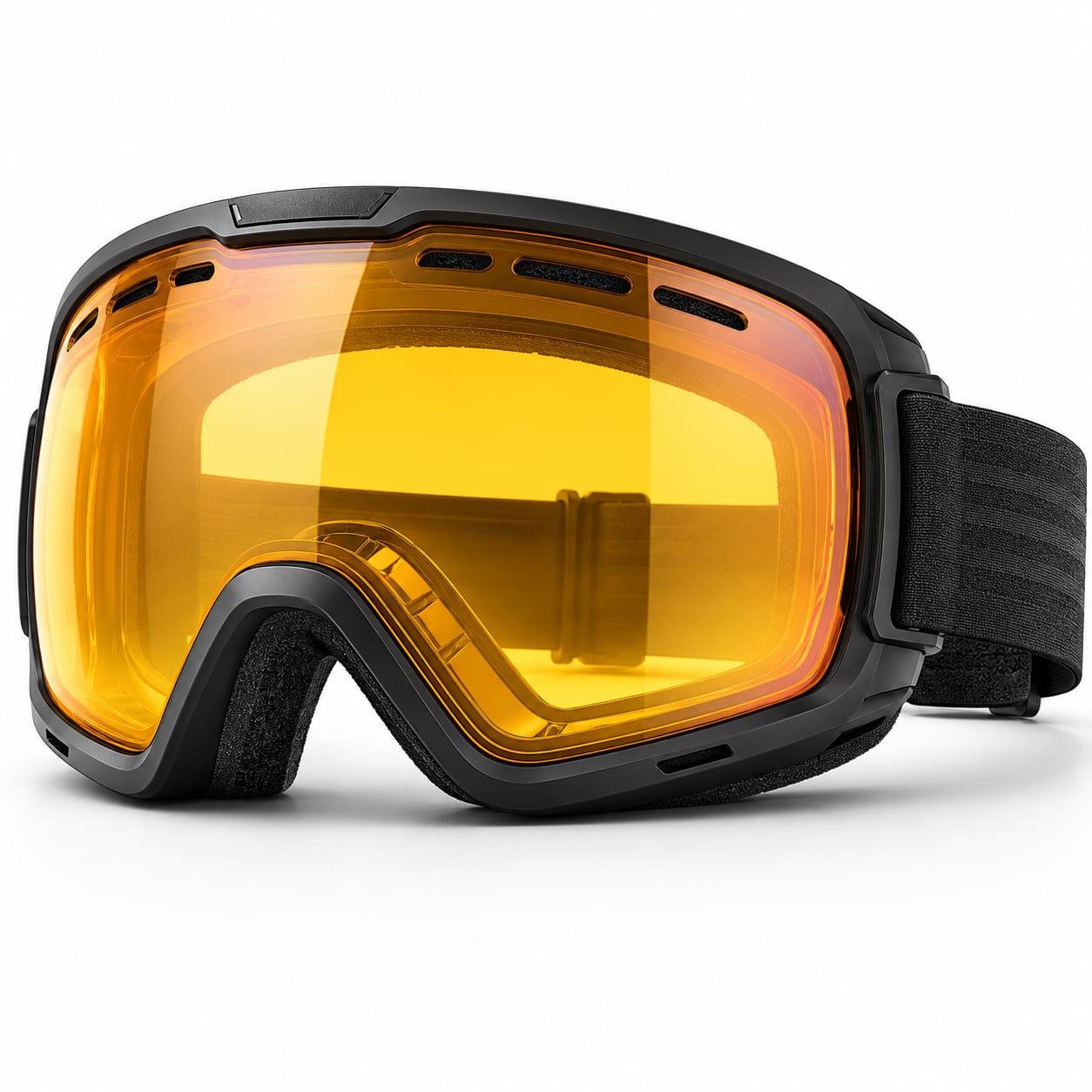
Low-Light / Storm Ski Goggles
$60 – $250
Goggles optimized for flat light, overcast skies, and storm conditions with high-VLT lenses.
high VLT lenses (60-90%)contrast-enhancing tintsyellow/amber/rose lens colors
More questions
- Can I just use my regular goggles for night skiing?
- Should I get clear or yellow lenses for night skiing?
- Why do my goggles fog so much more at night?
- Do I need a separate goggle for night skiing, or can I just swap lenses?