
Ski Handwear · FAQ
Questions about Backcountry / Touring Gloves
Straight answers on fit, specs, and when this type makes sense — each topic has its own page with links back to the buying guide.
Open Backcountry / Touring Gloves guide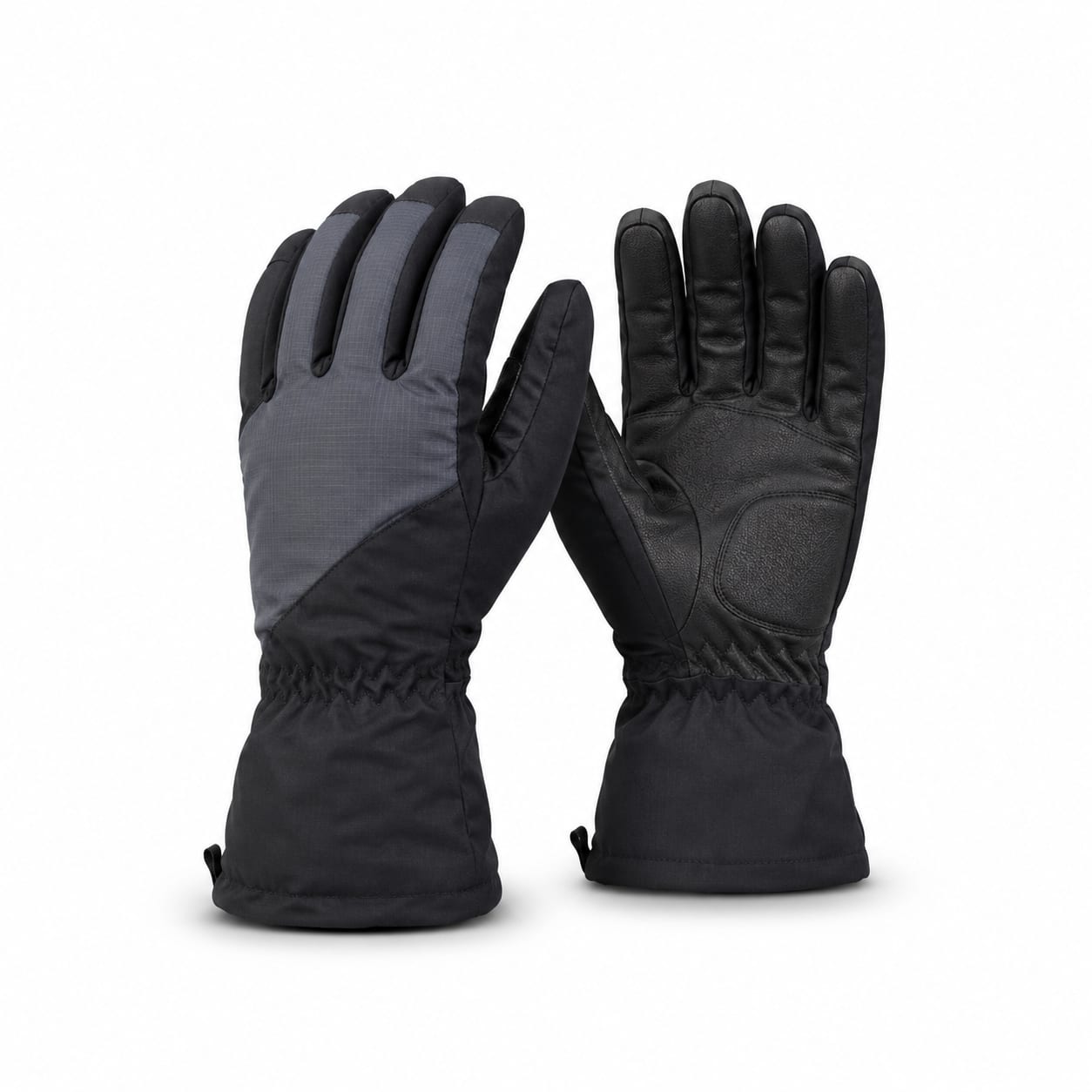
6 topics
Pick a question
Every answer links to the full subcategory guide and related gear types when it helps you decide.
Do I really need a separate glove for touring, or can I use my resort gloves?
You can use resort gloves for touring, but you will likely find them too warm and insufficiently breathable on the climb, leading to sweaty hands that get cold on the descent. Touring-specific gloves are designed to manage the dramatic temperature swings of human-powered skiing. If you tour occasionally, your resort gloves will work, but if you tour regularly, dedicated touring gloves are a worthwhile investment that significantly improves comfort and safety.
Read answer →02Should I get one glove or two for touring?
A two-glove system is the most effective approach for most touring conditions. Use a lightweight, breathable softshell or uninsulated glove for the uphill climb, then switch to a more insulated glove for the descent. This prevents the common problem of soaking your insulation with sweat on the climb. If you prefer simplicity, a single midweight glove with a removable liner offers a reasonable compromise, allowing you to remove the liner for the climb and add it for the descent.
Read answer →03How important is touchscreen compatibility for backcountry gloves?
Touchscreen compatibility is highly valuable for backcountry use because you will frequently need to check GPS navigation, review avalanche forecasts, and operate camera or communication devices. Removing gloves for phone use in the backcountry exposes your hands to cold that can quickly impair the dexterity needed for subsequent gear handling. It is not a dealbreaker if absent, but it is a feature worth prioritizing in your selection.
Read answer →04Can I use touring gloves for resort skiing too?
Yes, touring gloves work fine for resort skiing on all but the coldest days. Their dexterity and breathability are advantages even at the resort. The main limitation is warmth—on very cold days with long lift rides, touring gloves may not provide enough insulation. If you ski both resort and backcountry, a midweight touring glove with a removable liner can serve double duty effectively.
Read answer →05What is the best way to dry touring gloves on a multi-day trip?
Remove the liners from shell gloves and dry each component separately. Sleep with liners inside your sleeping bag—your body heat will dry them overnight. Place shell gloves inside the sleeping bag if space allows, or tuck them between your sleeping pad and bag. Never place gloves directly on a heat source like a wood stove, which damages leather and melts synthetic materials. Stuffing gloves with dry newspaper or spare socks absorbs moisture effectively.
Read answer →06Why do touring gloves use leather palms instead of more waterproof options?
Leather provides the best combination of grip, tactile feedback, and durability for the diverse handling demands of backcountry travel—pole grips, skin tail clips, boot buckles, and ski edges. While leather requires waterproofing treatment and absorbs some moisture, its grip remains reliable even when damp, unlike many synthetic alternatives. For touring, confident gear handling in variable conditions is more important than absolute waterproofing on the palm.
Read answer →