
Leather provides the best combination of grip, tactile feedback, and durability for the diverse handling demands of backcountry travel—pole grips, skin tail clips, boot buckles, and ski edges. While leather requires waterproofing treatment and absorbs some moisture, its grip remains reliable even when damp, unlike many synthetic alternatives. For touring, confident gear handling in variable conditions is more important than absolute waterproofing on the palm.
Ski Handwear · Backcountry / Touring Gloves
Why do touring gloves use leather palms instead of more waterproof options?
Related gear types
If this answer nudged you toward a different style, these guides compare specs and trade-offs.
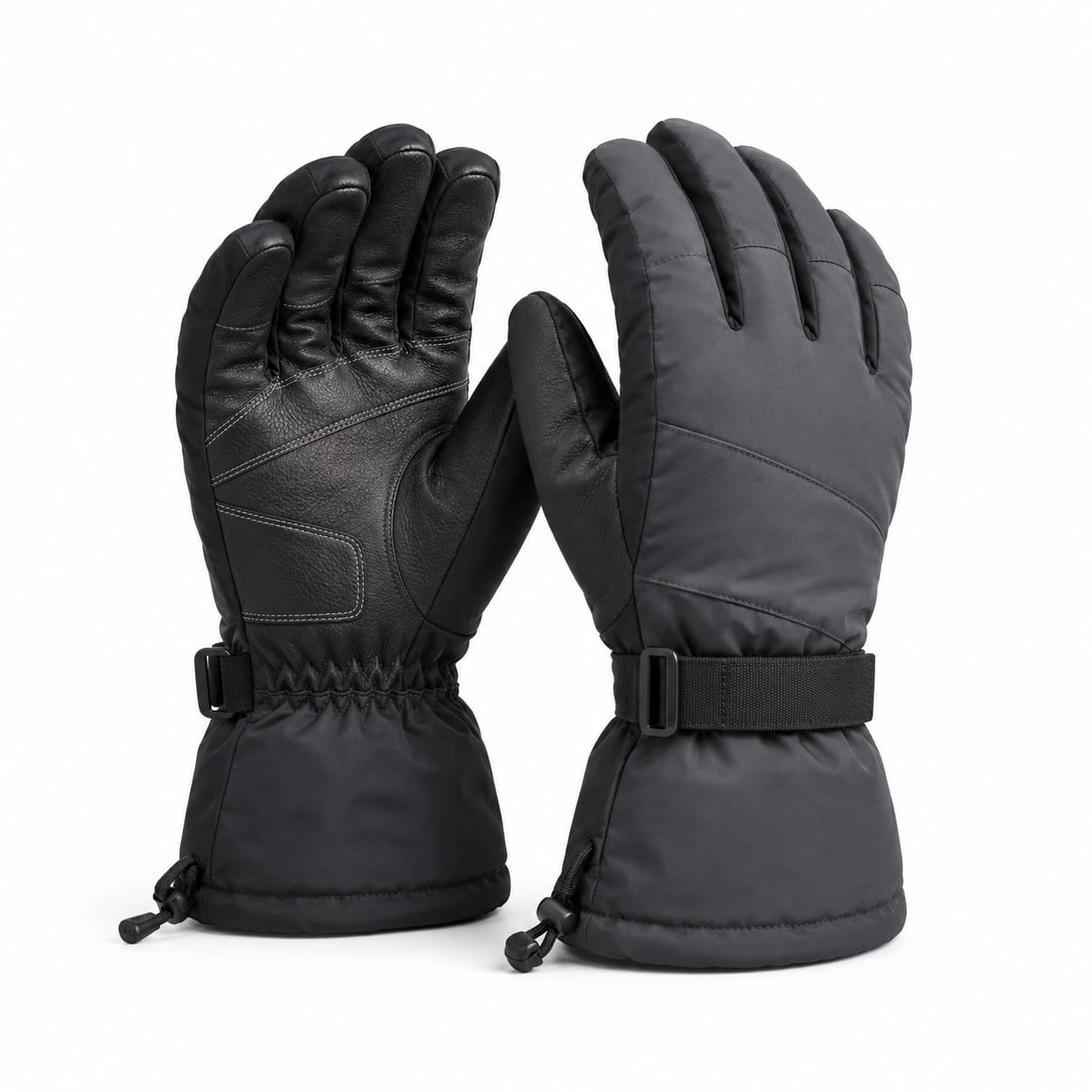
Insulated Ski Gloves
$40 – $220
Fully fingered, insulated gloves providing warmth, waterproofing, and dexterity for all-mountain skiing.
Individual fingers for dexterityWaterproof-breathable membraneSynthetic or down insulation
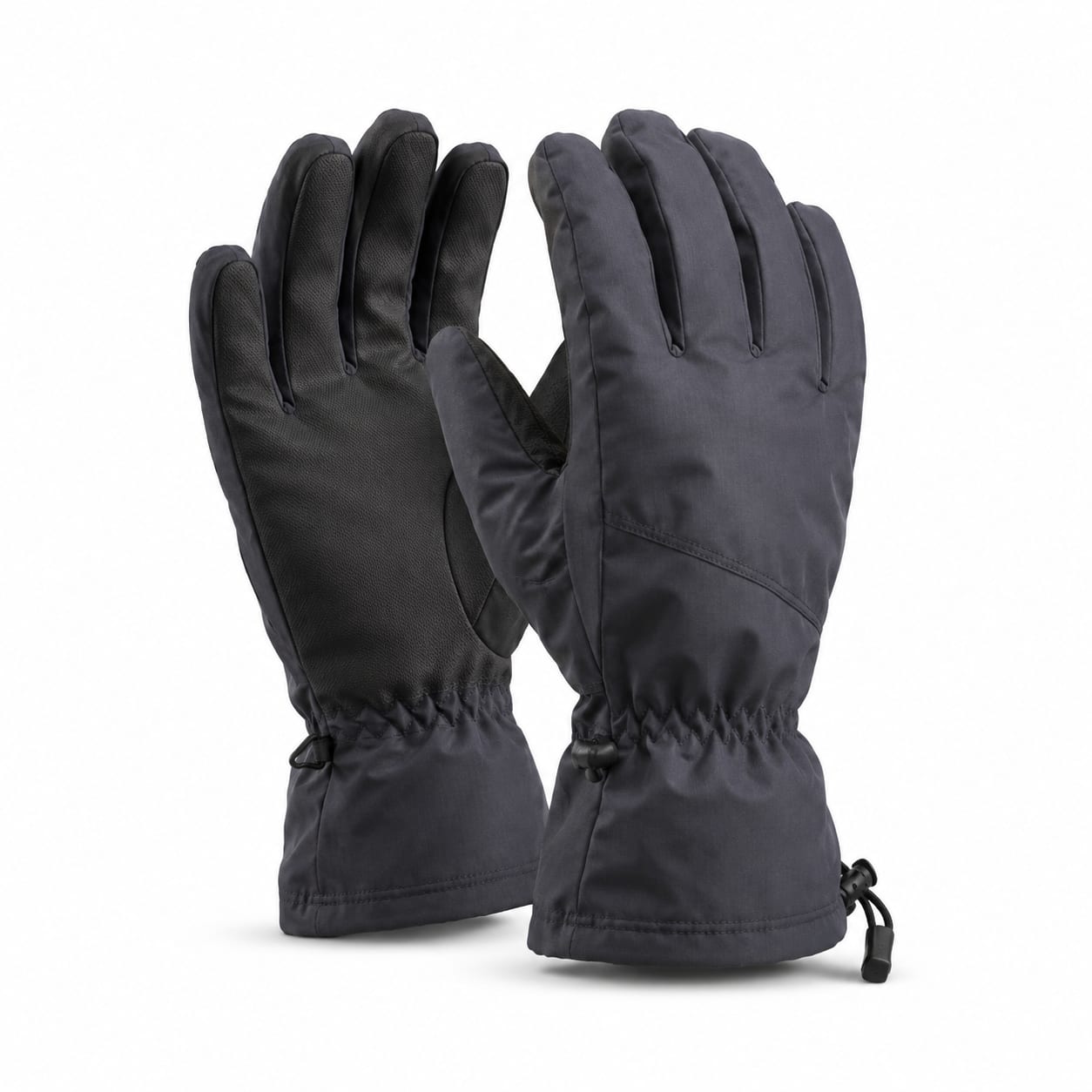
Shell Gloves / Shells
$50 – $200
Uninsulated waterproof-breathable gloves designed as outer layers in a layering system or standalone in mild conditions.
No insulationWaterproof-breathable membraneDesigned to layer over liners
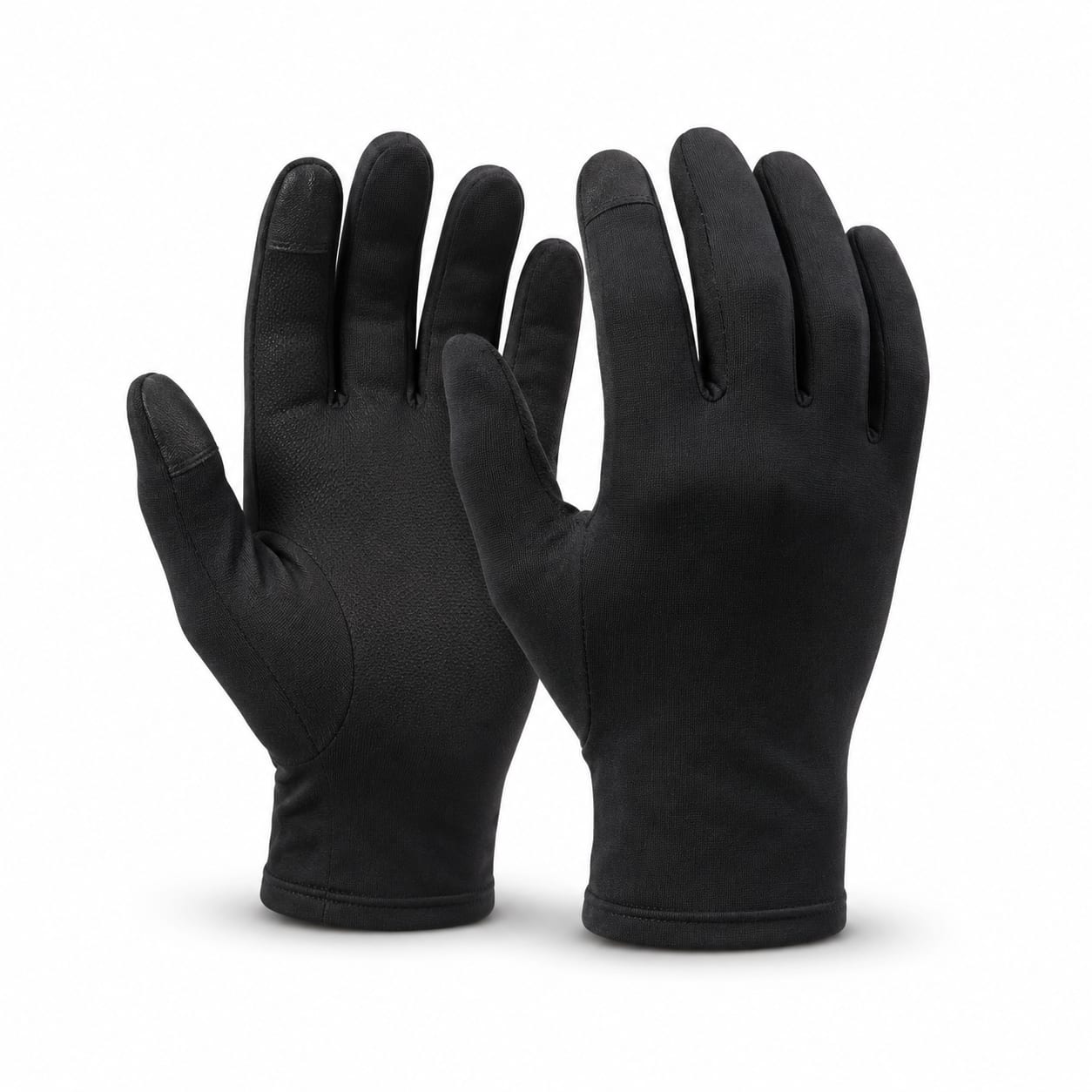
Liner Gloves
$15 – $55
Thin base-layer gloves worn under shells or alone in mild conditions for minimal warmth and moisture management.
Thin, close-fitting constructionMoisture-wicking materialsTouchscreen-compatible fingertips
More questions
- Do I really need a separate glove for touring, or can I use my resort gloves?
- Should I get one glove or two for touring?
- How important is touchscreen compatibility for backcountry gloves?
- Can I use touring gloves for resort skiing too?