
A two-glove system is the most effective approach for most touring conditions. Use a lightweight, breathable softshell or uninsulated glove for the uphill climb, then switch to a more insulated glove for the descent. This prevents the common problem of soaking your insulation with sweat on the climb. If you prefer simplicity, a single midweight glove with a removable liner offers a reasonable compromise, allowing you to remove the liner for the climb and add it for the descent.
Ski Handwear · Backcountry / Touring Gloves
Should I get one glove or two for touring?
Related gear types
If this answer nudged you toward a different style, these guides compare specs and trade-offs.
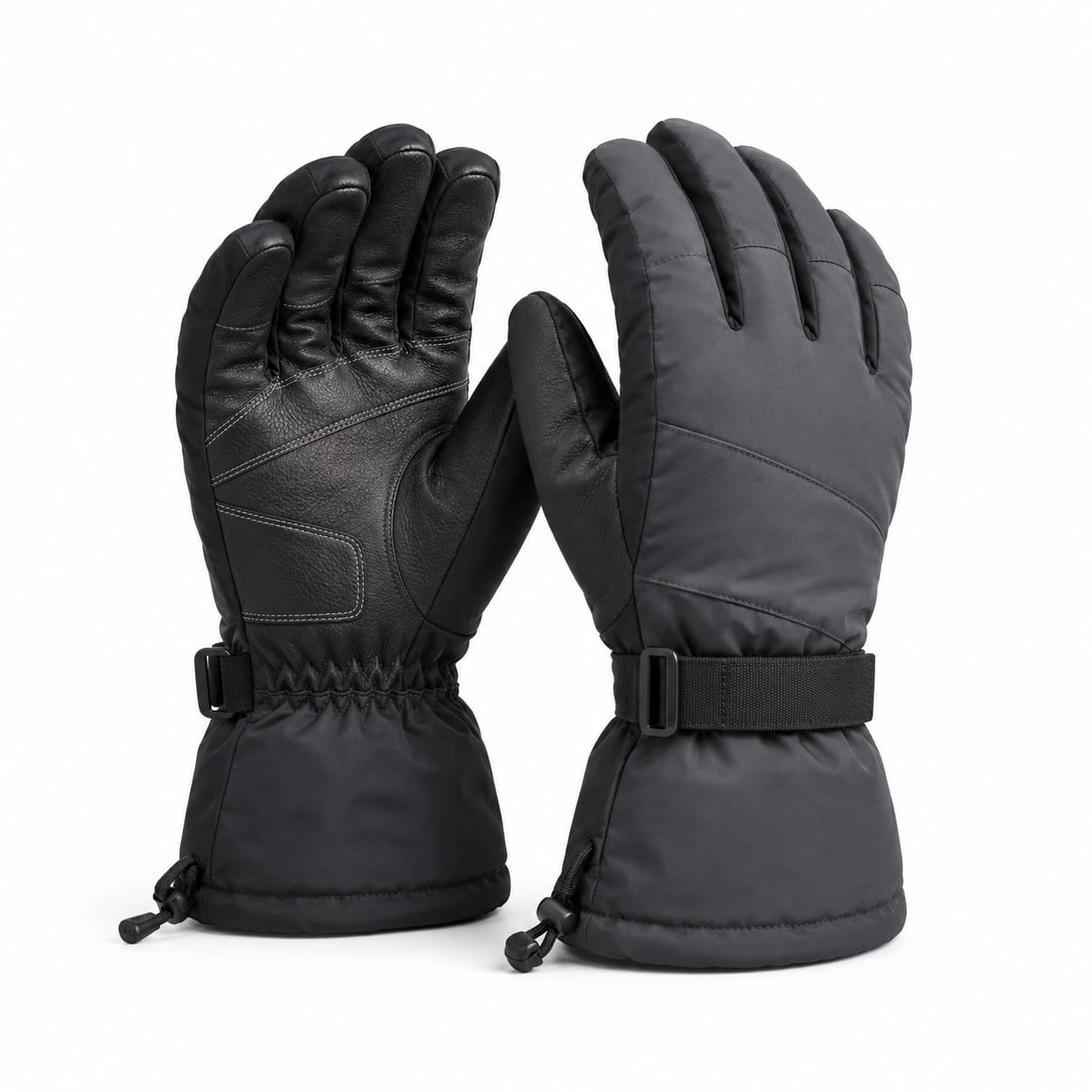
Insulated Ski Gloves
$40 – $220
Fully fingered, insulated gloves providing warmth, waterproofing, and dexterity for all-mountain skiing.
Individual fingers for dexterityWaterproof-breathable membraneSynthetic or down insulation
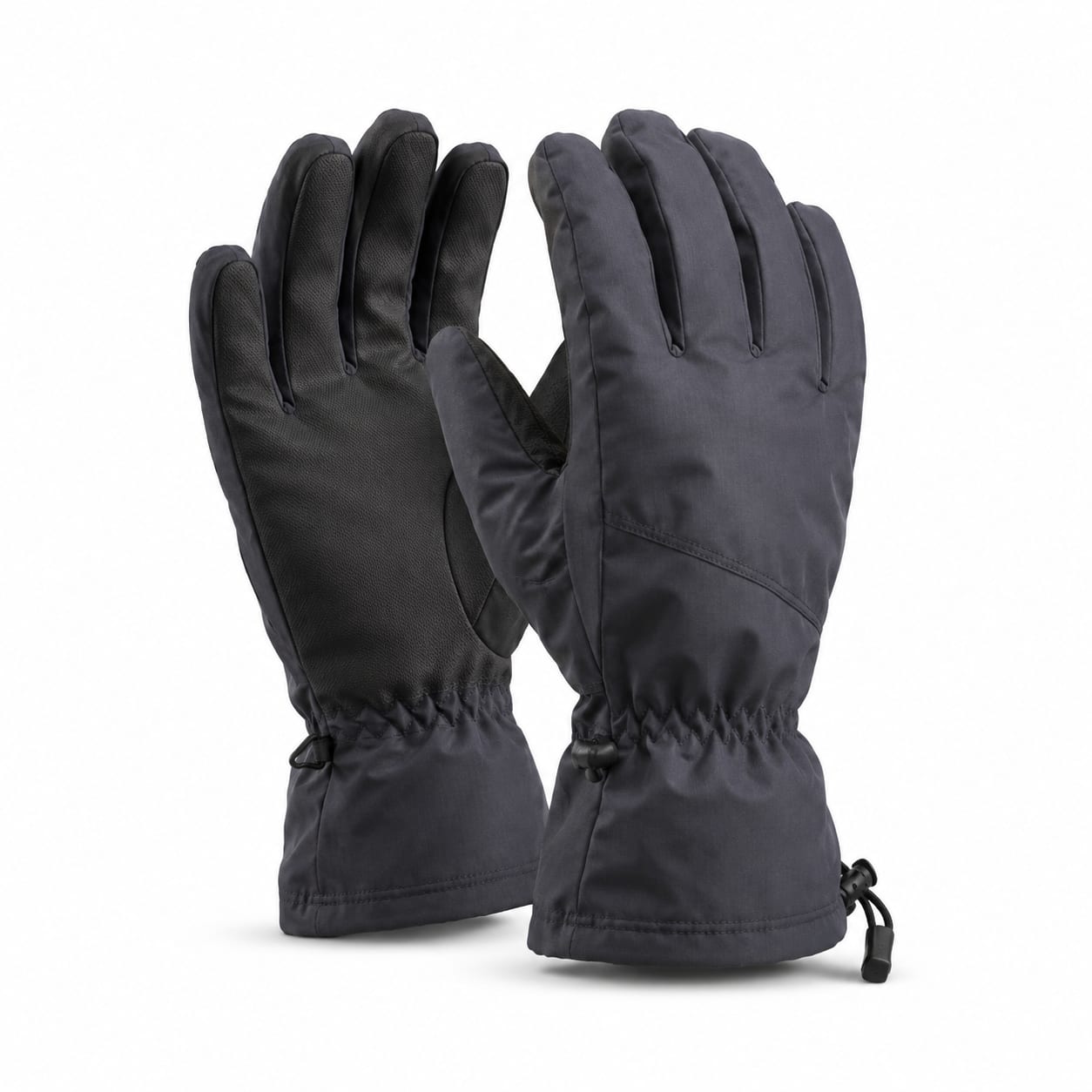
Shell Gloves / Shells
$50 – $200
Uninsulated waterproof-breathable gloves designed as outer layers in a layering system or standalone in mild conditions.
No insulationWaterproof-breathable membraneDesigned to layer over liners
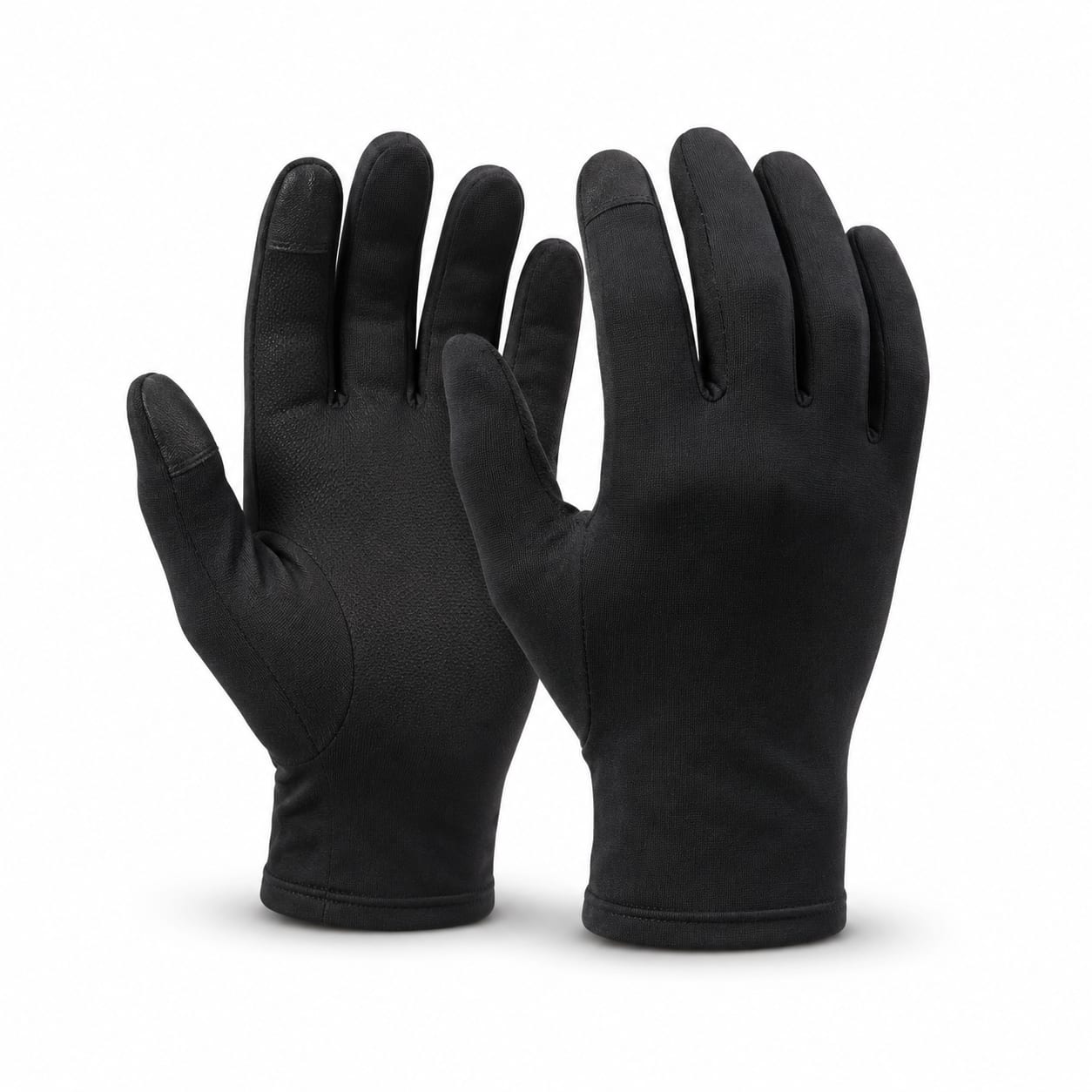
Liner Gloves
$15 – $55
Thin base-layer gloves worn under shells or alone in mild conditions for minimal warmth and moisture management.
Thin, close-fitting constructionMoisture-wicking materialsTouchscreen-compatible fingertips
More questions
- Do I really need a separate glove for touring, or can I use my resort gloves?
- How important is touchscreen compatibility for backcountry gloves?
- Can I use touring gloves for resort skiing too?
- What is the best way to dry touring gloves on a multi-day trip?