What it means
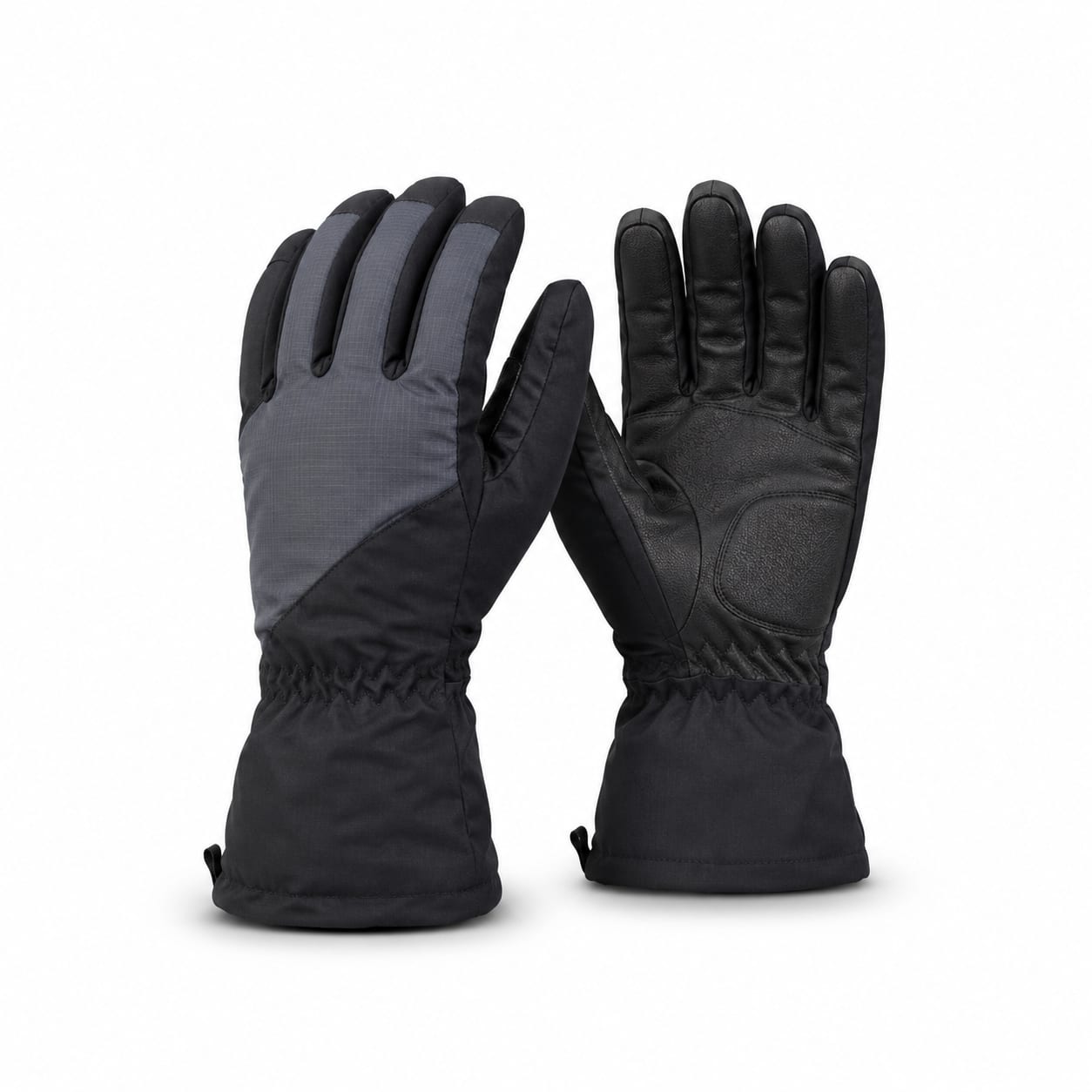
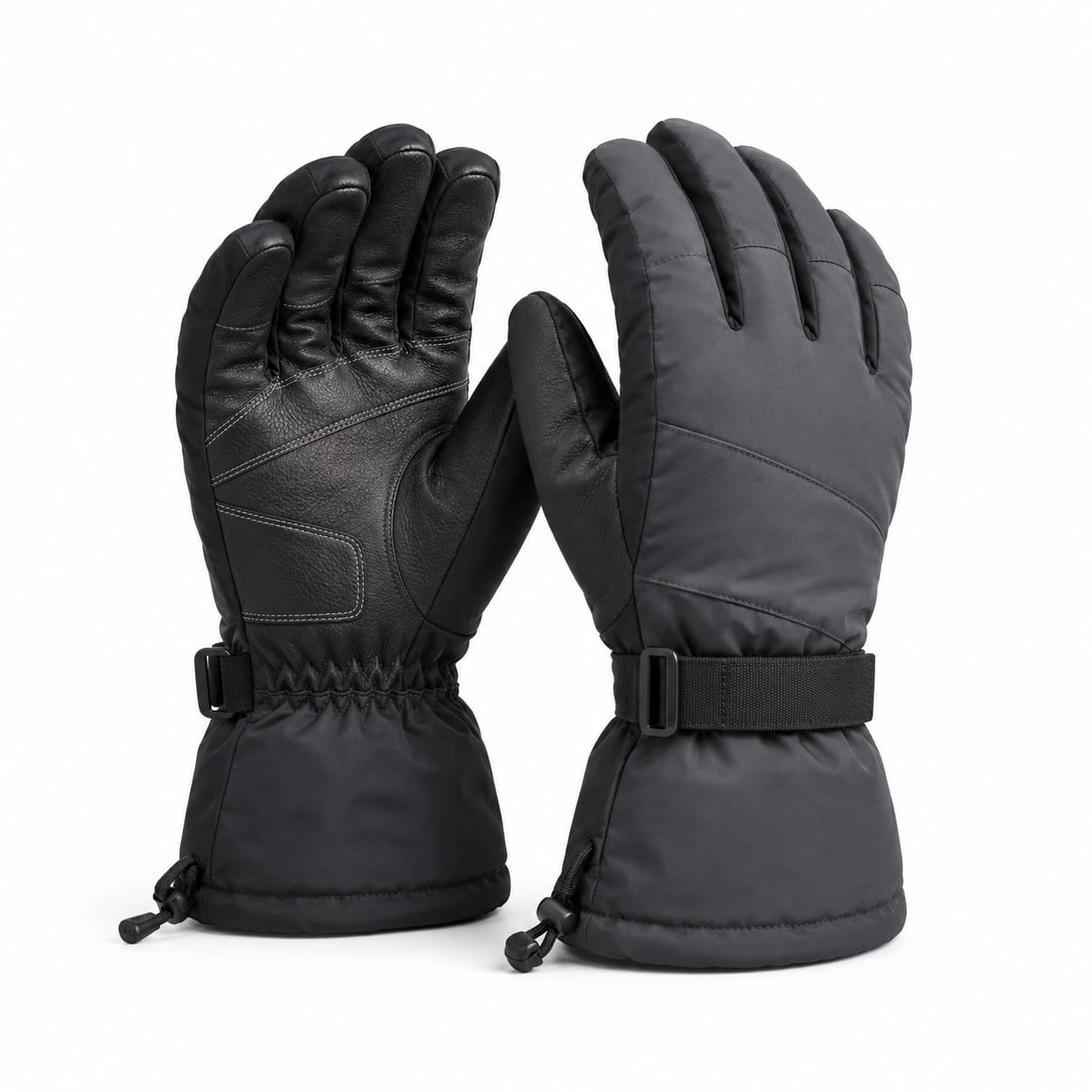
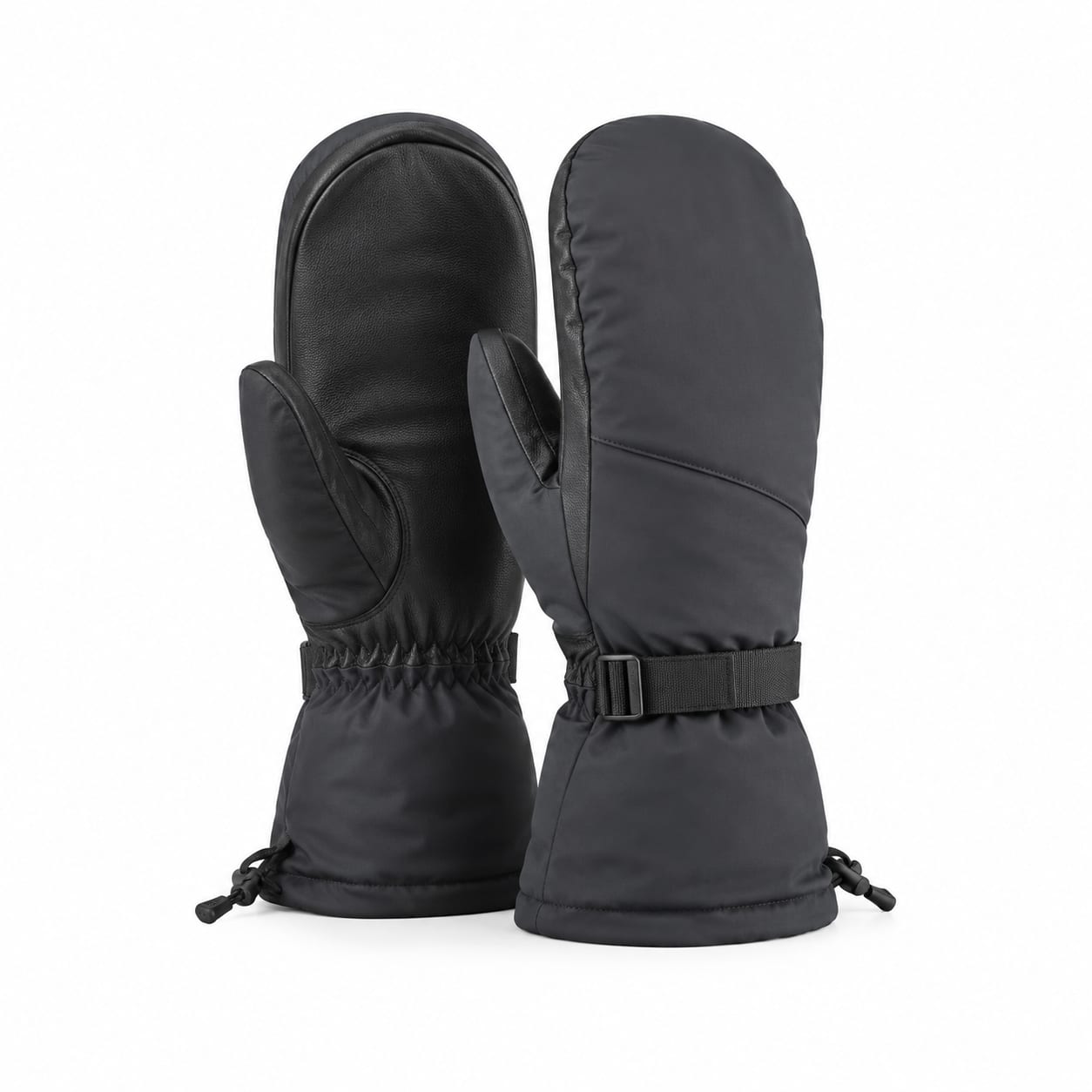
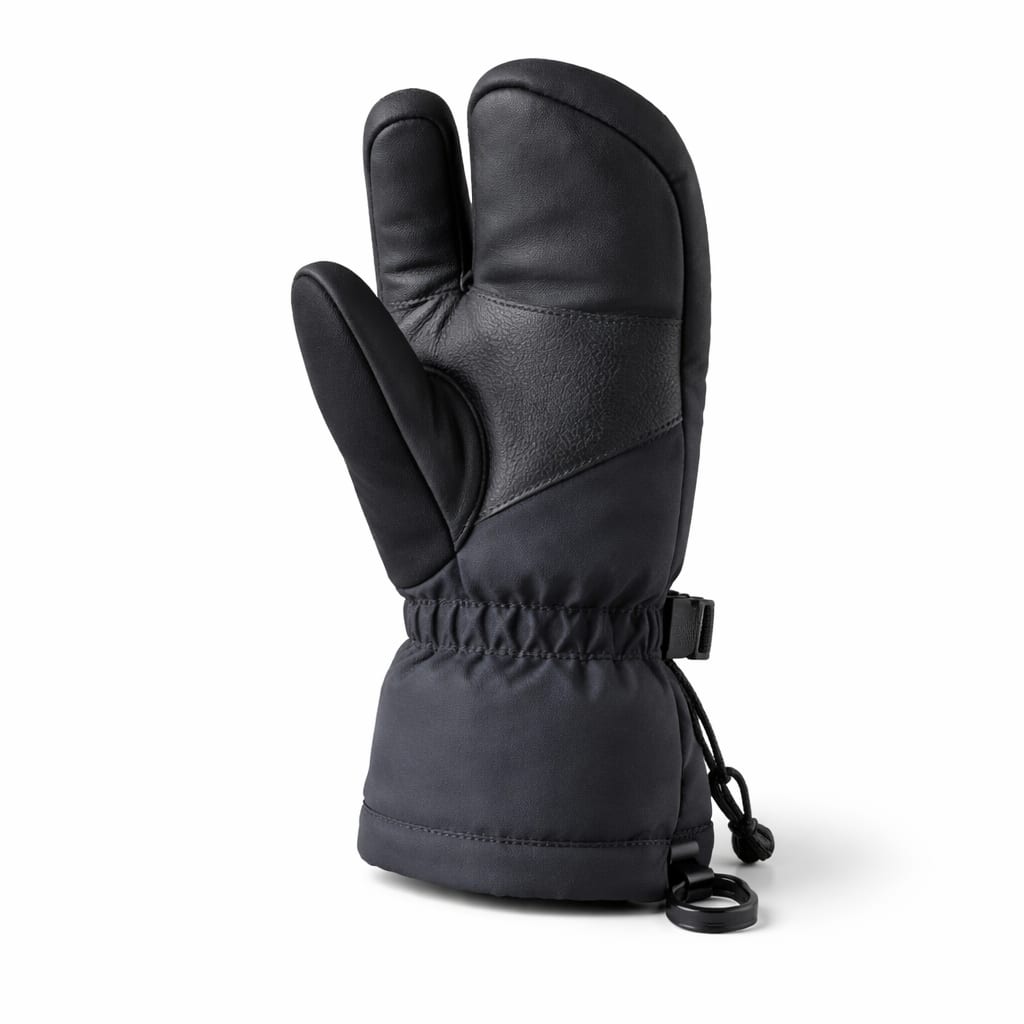
The fundamental construction style of the handwear, determining finger separation and overall warmth-to-dexterity ratio.
Typical for this type
Glove Or Three Finger
In practice
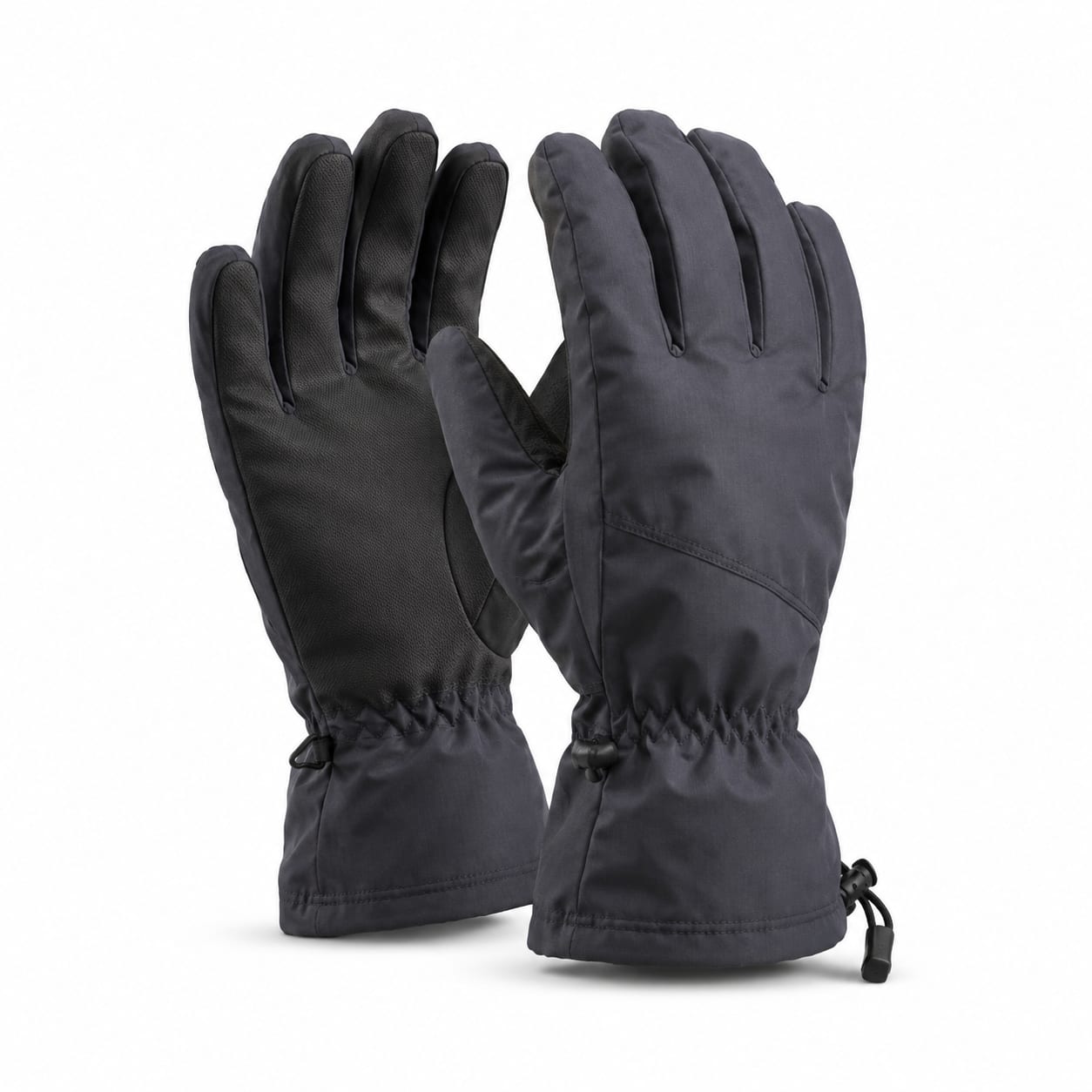
Full gloves dominate backcountry touring because dexterity for gear manipulation is essential. Three-finger designs are a strong alternative for those who run cold but still need pole grip and the ability to operate buckles and skins.
Compared to other types
Unlike resort gloves where mittens are common for warmth, touring almost universally requires gloves or 3-finger designs because the operational demands of backcountry travel require finger independence.
Why it matters: In the backcountry, you must frequently adjust skins, boot buckles, and avalanche gear with gloves on. Mittens make these tasks extremely difficult and potentially dangerous in avalanche scenarios where speed matters.
Insulation
Insulation Type
What it means
The primary insulating material used inside the handwear, affecting warmth, packability, moisture resistance, and weight.
Typical for this type
Synthetic Or None (Shell-Only For Layering)
In practice
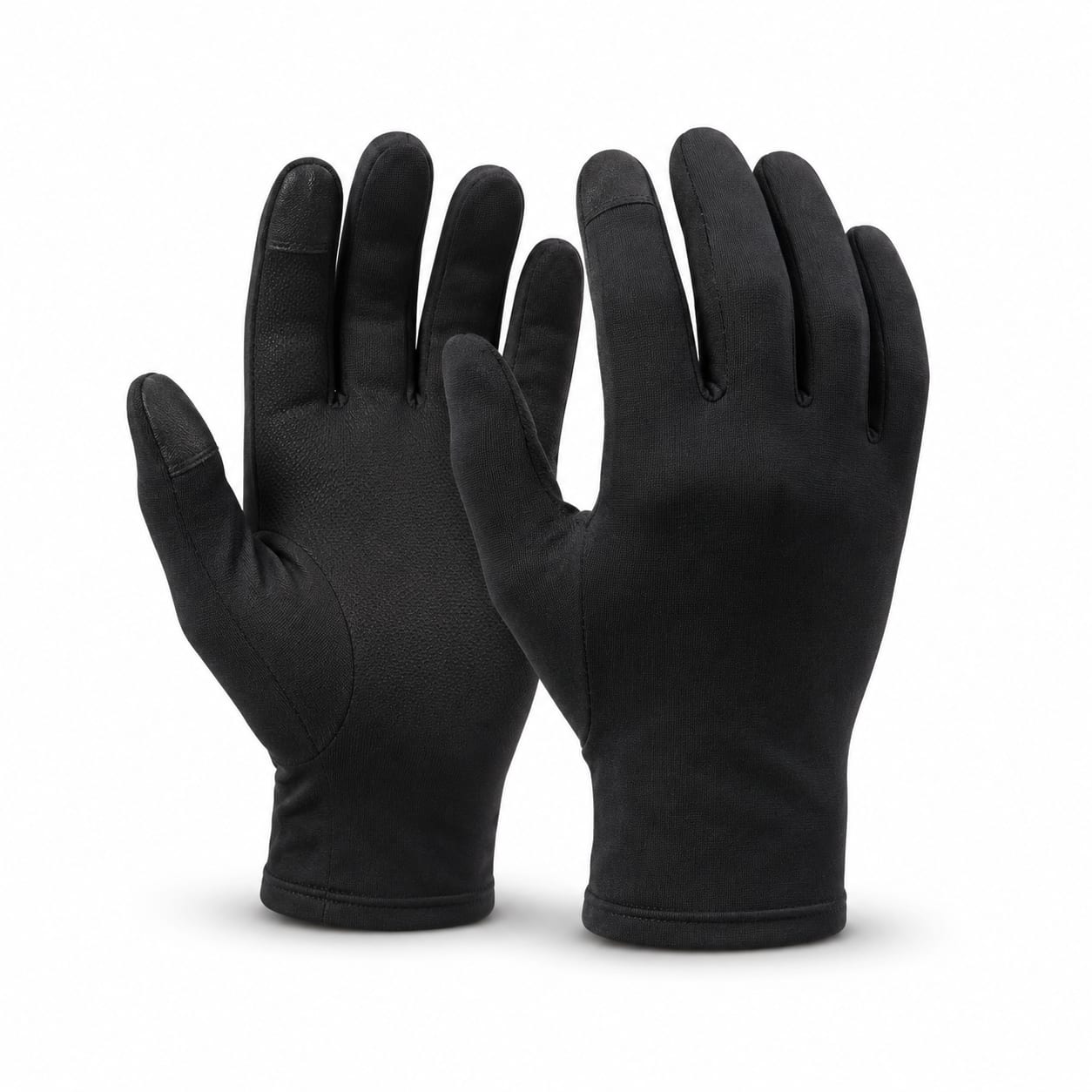
Synthetic insulation like PrimaLoft is the most common choice because it retains warmth when damp from sweat—a frequent condition during touring. Shell-only gloves paired with separate liners offer the most versatility for managing the uphill-downhill temperature swing.
Compared to other types
Resort gloves more commonly use down or heavy synthetic because breathability and moisture management are less critical when riding lifts. Touring gloves prioritize insulation that performs when damp and systems that allow modulation.
Why it matters: Your hands will sweat on the ascent. Synthetic insulation continues to warm even when damp, while down clumps and loses effectiveness. Shell-only systems let you customize warmth for each phase of the tour.
Insulation Weight
Insulation Weight
What it means
The thickness or gram weight of insulation, directly correlating with warmth level. Often described as lightweight, midweight, or heavyweight.
Typical for this type
Lightweight (40-100g) For Uphill Glove; Midweight (100-200g) For Descent Glove
In practice
Lightweight insulation is typical for touring gloves because the high output of uphill travel generates significant body heat. Many tourers carry a midweight insulated glove for the descent and use a lightweight or uninsulated glove for the climb.
Compared to other types
Resort gloves typically use midweight to heavyweight insulation because riders are less active and exposed to wind chill on lifts. Touring gloves lean lighter because the user generates more heat and needs to manage moisture actively.
Why it matters: Over-insulating for the climb causes sweaty hands that freeze on the descent. Under-insulating for the descent leaves you miserable. Matching insulation to each phase of the tour—or using a versatile midweight compromise—is critical.
Waterproofing
Waterproof Rating
What it means
The water column rating (mm) of the waterproof membrane or treatment, indicating resistance to water penetration under pressure.
Typical for this type
10000mm for descent glove; water_resistant or 5000mm for uphill glove
In practice
A 10,000mm rating provides reliable protection for descent skiing in powder and variable snow conditions. For the uphill phase, many tourists prefer water-resistant softshells that breathe better, accepting that hands may get damp but will stay warmer through moisture management.
Compared to other types
Resort gloves in wet coastal climates often target 20,000mm because riders sit in wet snow on lifts. Touring gloves prioritize the breathability-to-waterproofing balance more carefully because moisture from sweat is a bigger threat than external wetness.
Why it matters: Backcountry snow is often drier than resort snow, but body heat melts snow on contact with gloves. You need enough waterproofing for the descent and skin handling, but not so much that it creates a sauna on the climb.
Membrane
Waterproof Membrane
What it means
The specific waterproof-breathable membrane technology used in the handwear construction.
Typical for this type
Gore Tex Infinium For Uphill; Gore Tex For Descent
In practice
Gore-Tex Infinium is increasingly popular for touring gloves because it maximizes breathability and windproofing without the condensation issues of fully waterproof membranes during high-output climbing. For the descent glove, standard Gore-Tex provides the waterproofing needed for powder and wet snow.
Compared to other types
Resort gloves almost universally use standard Gore-Tex or proprietary waterproof membranes because breathability is less critical during low-output lift-served skiing. Touring gloves are the primary market for Infinium and breathable softshell constructions.
Why it matters: A fully waterproof membrane can trap sweat during the climb, creating the very moisture problem you are trying to avoid. Infinium and similar breathable membranes let vapor escape while blocking wind, which is often the bigger comfort factor during active touring.
Shell Material
Shell Material
What it means
The outer face fabric of the handwear, affecting durability, weather resistance, dexterity, and feel.
Typical for this type
Softshell For Uphill; Nylon Or Leather For Descent
In practice
Softshell stretch-woven fabrics dominate the uphill touring glove category because they offer the best combination of breathability, dexterity, and comfort during high-output movement. For descent-specific gloves, nylon or leather shells provide better weather protection and durability.
Compared to other types
Resort gloves typically use nylon or leather shells for maximum weather protection and durability. Touring gloves uniquely favor softshell construction because the breathability and mobility benefits outweigh the weather protection tradeoffs during active travel.
Why it matters: Softshell material moves with your hands, breathes during the climb, and provides excellent dexterity for gear handling. The stretch eliminates the bunching and stiffness that makes precise tasks difficult with harder-shell gloves.
Palm Material
Palm Material
What it means
The material on the palm and fingers that contacts ski poles and surfaces, affecting grip, durability, and feel.
Typical for this type
Leather Or Synthetic Suede
In practice
Leather (especially goatskin) is the preferred palm material for touring gloves because it provides the best grip on poles, ski edges, and skin tail clips in both dry and damp conditions. Synthetic suede is a close second for those who prefer lower maintenance.
Compared to other types
Touring gloves strongly favor leather and synthetic suede palms over rubberized or textured nylon options because tactile feel for gear manipulation is more critical than the maximum wet grip that rubberized palms provide. Resort gloves more commonly use synthetic suede or textured nylon as cost-saving measures.
Why it matters: Backcountry touring requires confident grip in diverse situations—pole plants on steep skin tracks, handling sharp ski edges during kick turns, and manipulating small skin clips. Leather provides the most reliable grip and tactile feedback across these varied demands.
What it means
The design of the glove opening and how it interfaces with jacket sleeves, affecting snow seal, warmth, and ease of use.
Typical for this type
Gauntlet Or Hybrid Cuff
In practice
Gauntlet cuffs are standard for backcountry gloves because they seal out powder during deep-snow descents and skin track wallowing. Hybrid cuffs offer a lower-profile option that still provides reasonable snow protection.
Compared to other types
Resort gloves offer more cuff variety including under-cuff styles for a streamlined look. Touring gloves skew heavily toward gauntlet cuffs because the consequences of snow ingress are more severe and powder exposure is more frequent.
Why it matters: In the backcountry, you encounter deep powder without groomed runs. Snow ingress past the cuff is not just uncomfortable—it can wet out your insulation and create a safety concern miles from shelter. Gauntlet cuffs provide the most reliable seal.
What it means
The mechanism used to secure the glove at the wrist, affecting fit adjustment, ease of use, and snow seal.
Typical for this type
Drawcord Or Velcro Strap
In practice
Drawcord closures on gauntlet-style touring gloves provide the most effective seal against powder snow and can be operated with one hand while holding poles. Velcro straps are common on shorter-cuff touring gloves and offer easy adjustment.
Compared to other types
Touring gloves favor drawcord closures more than resort gloves because the gauntlet cuff style is more common in backcountry, and the one-handed operation is valued during transitions when you are managing multiple tasks simultaneously.
Why it matters: A secure closure prevents snow from entering during a tumble in deep powder and seals out wind on exposed ridges. Drawcords are particularly effective because they can be quickly cinched tight with a single pull, even with cold hands.
What it means
The inner lining or removable liner of the handwear, affecting comfort, moisture management, warmth, and drying capability.
Typical for this type
Removable Fleece Or No Liner (Shell-Only)
In practice
Removable fleece liners offer the versatility to dry the liner separately on multi-day tours and to wear the liner alone during spring ascents. Shell-only gloves are equally popular among experienced tourists who prefer to choose their own liner system.
Compared to other types
Resort gloves commonly use fixed fleece liners because day-trip drying is less critical. Touring gloves strongly favor removable or no-liner designs because the multi-day drying challenge and layering versatility are significant practical concerns.
Why it matters: On multi-day backcountry trips, drying gloves overnight is a major challenge. Removable liners can be separated and dried against the body in a sleeping bag. Shell-only systems let you select the perfect liner weight for each day's conditions.
What it means
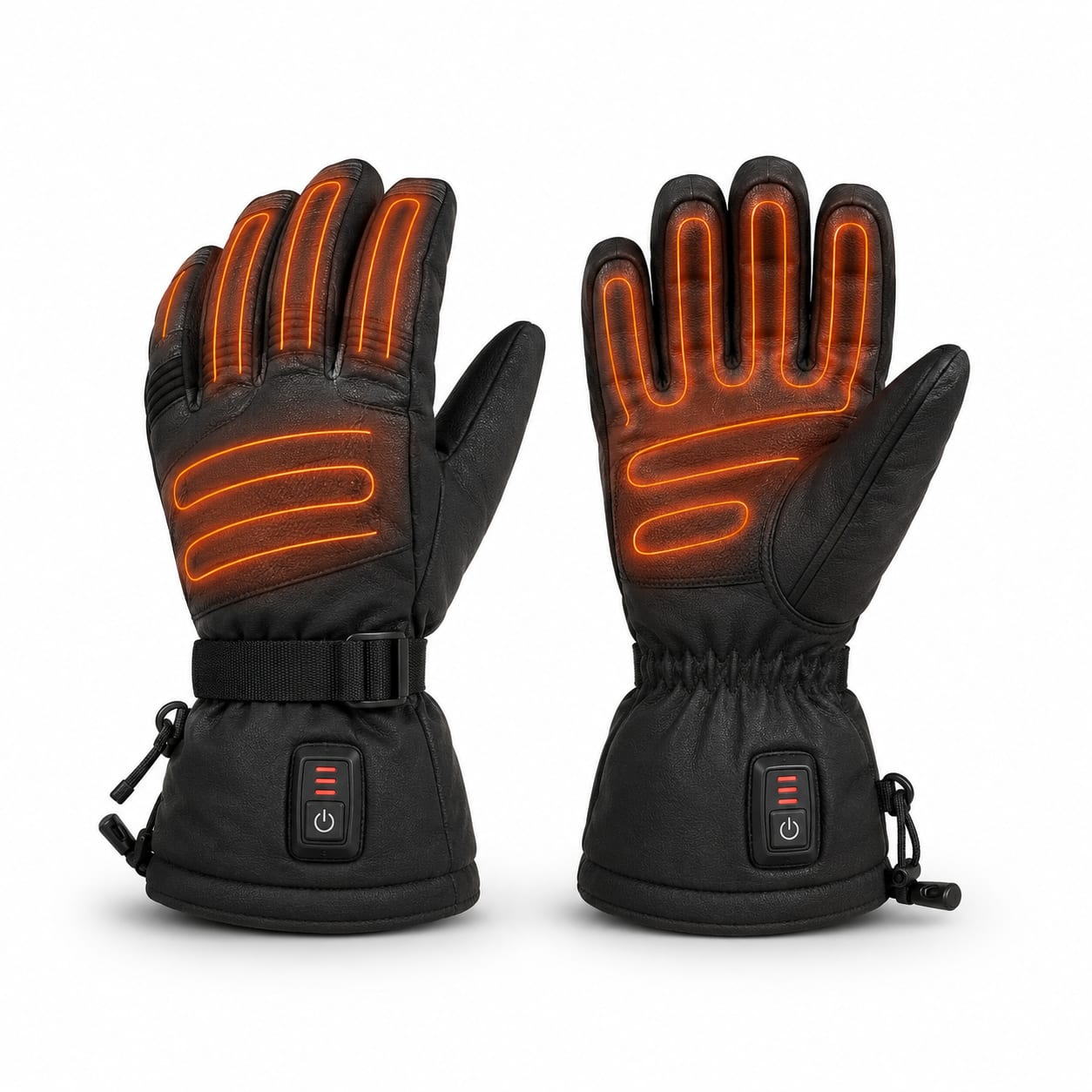
Whether the handwear includes battery-powered heating elements for active warmth generation.
Typical for this type
False (Non-Heated)
In practice
Heated gloves are rare in backcountry touring due to the weight penalty of batteries, the difficulty of charging on multi-day trips, and the bulk that reduces dexterity. The active nature of touring generates enough body heat for most riders.
Compared to other types
Resort skiing sees more heated glove adoption because battery charging is easy, weight matters less, and the passive nature of lift riding provides less natural warmth. Touring gloves almost universally rely on passive insulation and layering systems.
Why it matters: Battery weight and charging logistics are significant concerns in the backcountry where every gram matters and power sources are absent. The high output of touring also means most riders generate sufficient hand warmth through activity.
Touchscreen
Touchscreen Compatible
What it means
Whether the glove includes conductive material on fingertips allowing smartphone and touchscreen use without removing gloves.
Typical for this type
True (Strongly Recommended)
In practice
Touchscreen compatibility is highly valued in touring gloves because backcountry travelers frequently use smartphones for GPS navigation, avalanche forecast apps, camera operation, and emergency communication.
Compared to other types
Touring gloves prioritize touchscreen compatibility more than resort gloves because navigation and communication tools are essential backcountry safety equipment, not just convenience features. Resort riders use phones more casually and can wait for the lodge.
Why it matters: Removing gloves to operate a phone in the backcountry exposes hands to cold that can quickly impair dexterity for subsequent gear handling. Touchscreen fingertips let you check navigation or send a location pin without risking cold injury.
What it means
A soft fabric panel on the thumb or back of hand designed for wiping the nose and face without irritating skin.
Typical for this type
True (Recommended)
In practice
A nose wipe panel is a valued feature on touring gloves because cold-induced runny noses are universal in the backcountry, and there are no lodge restrooms for tissue breaks.
Compared to other types
Nose wipe panels are common across most ski glove categories, but they are especially appreciated in touring gloves where the duration of continuous cold exposure is longer and there are no warm-up breaks indoors.
Why it matters: Hours of cold exposure in the backcountry guarantee runny noses, and the alternatives—wiping on rough shell fabric or removing gloves for a tissue—are uncomfortable and impractical. This small feature has an outsized impact on daily comfort.
What it means
A loop or cord attached to the glove that goes around the wrist, preventing gloves from falling off or being lost when removed.
Typical for this type
True (Strongly Recommended)
In practice
Wrist leashes are strongly recommended for touring gloves because dropping a glove in deep backcountry powder can make it unrecoverable, and losing hand protection miles from the trailhead is a safety emergency.
Compared to other types
Wrist leashes are valuable for all ski gloves but are especially critical for touring because the consequences of loss are more severe (no lodge to retreat to) and the likelihood of removal is higher (frequent transitions and gear adjustments).
Why it matters: In the backcountry, a dropped glove does not simply mean a trip to the lost-and-found—it can mean dangerously cold hands for the rest of the tour, potentially leading to frostbite. Wrist leashes are cheap insurance against a serious problem.
Reinforcements
Reinforcement Areas
What it means
Additional material layers in high-wear areas to improve durability where gloves typically wear out first.
Typical for this type
Palm And Thumb Crotch At Minimum
Most common pick: Palm, Thumb Crotch
In practice
Palm reinforcement extends glove life against pole grip friction during long approaches, while thumb crotch reinforcement prevents the most common blowout point. These two areas see the most wear from the pole-heavy nature of touring.
Compared to other types
Touring gloves focus reinforcement on palm and thumb crotch from pole use, while resort gloves may also include knuckle protection for gate racers and freestyle riders. Touring gloves generally avoid knuckle reinforcement to save weight and maintain dexterity.
Why it matters: Touring involves hours of pole plants on the ascent, and gloves without palm reinforcement can wear through in a single season of heavy use. The thumb crotch fails first because it experiences stress during every pole grip and skin handling operation.
What it means
The sizing and overall fit profile of the handwear, critical for warmth, dexterity, and comfort. Proper fit ensures insulation works effectively.
Typical for this type
Snug But Not Tight; Sized to Accommodate Liner If Using Layering System
Most common pick: Varies By Individual
In practice
Touring gloves should fit closer than resort gloves to maximize dexterity for gear handling, but must still allow a thin air gap for insulation effectiveness. If using a layering system, the outer glove must accommodate the liner without becoming baggy.
Compared to other types
Touring gloves demand a more precise fit than resort gloves because the operational requirements are higher—adjusting avalanche gear with numb fingers is dangerous. Resort gloves can be slightly looser because the dexterity demands are lower.
Why it matters: Too-tight touring gloves restrict circulation and cause cold hands, while too-loose gloves make skin and buckle adjustments clumsy and frustrating. The fit must balance warmth, dexterity, and the ability to layer underneath.
What it means
The intended gender fit of the handwear, affecting palm width, finger length, and overall proportions.
Typical for this type
Gender-Specific Fit Recommended For Best Performance
Most common pick: Unisex
In practice
Many touring gloves are offered in unisex sizing, but gender-specific models provide better proportions for palm width and finger length. Women's-specific touring gloves are increasingly available from major brands.
Compared to other types
Touring gloves have a higher proportion of unisex models compared to resort gloves, partly because the backcountry market has historically been male-dominated. However, gender-specific touring gloves offer meaningful fit advantages for dexterity-critical tasks.
Why it matters: Proper proportions ensure the dexterity that touring demands. Women wearing men's or unisex gloves often find excess material at the fingertips that reduces tactile feel for gear manipulation, or a palm width that prevents secure pole grip.