
Ski Handwear · FAQ
Questions about Shell Gloves / Shells
Straight answers on fit, specs, and when this type makes sense — each topic has its own page with links back to the buying guide.
Open Shell Gloves / Shells guide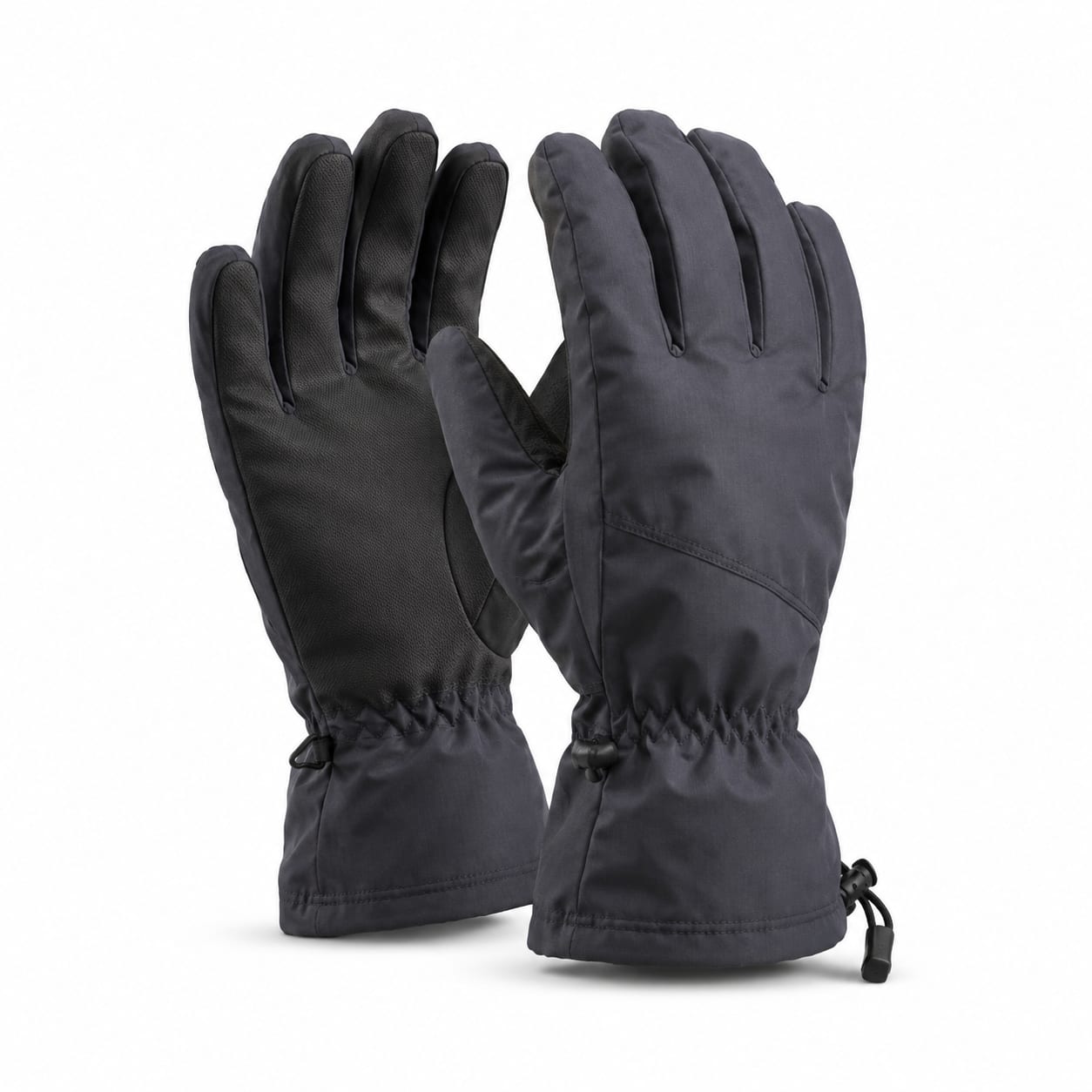
6 topics
Pick a question
Every answer links to the full subcategory guide and related gear types when it helps you decide.
Can I wear shell gloves without a liner?
Technically yes, but it's not recommended for most skiing. Shell gloves provide no insulation, so your hands will get cold quickly in anything but the warmest spring conditions. The seam tape and membrane against bare skin can also feel clammy and uncomfortable. At minimum, wear a thin liner for comfort and basic warmth.
Read answer →02What liner should I pair with my shell gloves?
It depends on conditions. For spring skiing and touring, a lightweight silk or synthetic liner (1-2mm thick) is ideal. For average winter days, a midweight fleece or synthetic liner provides good warmth. For cold days, choose a heavyweight merino wool liner. Many skiers own two or three liner weights and choose based on the daily forecast. Brands like Hestra, Black Diamond, and Outdoor Research make liners specifically designed to pair with their shells.
Read answer →03Are shell gloves warm enough for deep winter?
Yes, but only with the right liner. A shell glove over a heavyweight merino or thick fleece liner can handle temperatures down to 0°F (-18°C) for most people. However, for sustained extreme cold below -10°F (-23°C), a dedicated insulated mitten will outperform even the thickest liner-under-shell combination because mittens allow finger grouping for shared warmth.
Read answer →04How do I prevent the liner from bunching inside the shell?
Look for shell-and-liner systems designed to mate together — many use internal clips, loops, or snap systems that connect the liner to the shell. If your liner and shell aren't a mated system, choose a liner that fits snugly (not loose) and a shell that fits smoothly over it without excess room. Putting the liner on first, then sliding the shell over it while gently pulling each fingertip into place minimizes bunching.
Read answer →05Why are shell gloves popular with backcountry skiers?
Backcountry skiing involves huge temperature swings — you generate massive heat on the uphill and then freeze on the downhill. Shell gloves handle this perfectly: wear just the liner on the skin track for breathability, then pull the shell on at the transition for wind and snow protection on the descent. They also pack down tiny as emergency backup, dry fast on multi-day trips, and provide the dexterity needed for beacon checks, binding adjustments, and snow pit work.
Read answer →06Are shell gloves more expensive than insulated gloves?
The shell itself is often similarly priced to a mid-range insulated glove, but the total system cost is higher because you need to purchase liners separately. A quality shell ($80-150) plus two liners ($20-40 each) runs $120-230 total. However, the system replaces what would otherwise require two or three separate insulated gloves for different conditions, so the cost can even out over time. Liners are also replaceable when they wear out, extending the shell's useful life.
Read answer →