Kitvore.com

Kitvore.com

Specs that matter. Gear that fits.

Ski Handwear · Subcategory

Shell Gloves / Shells

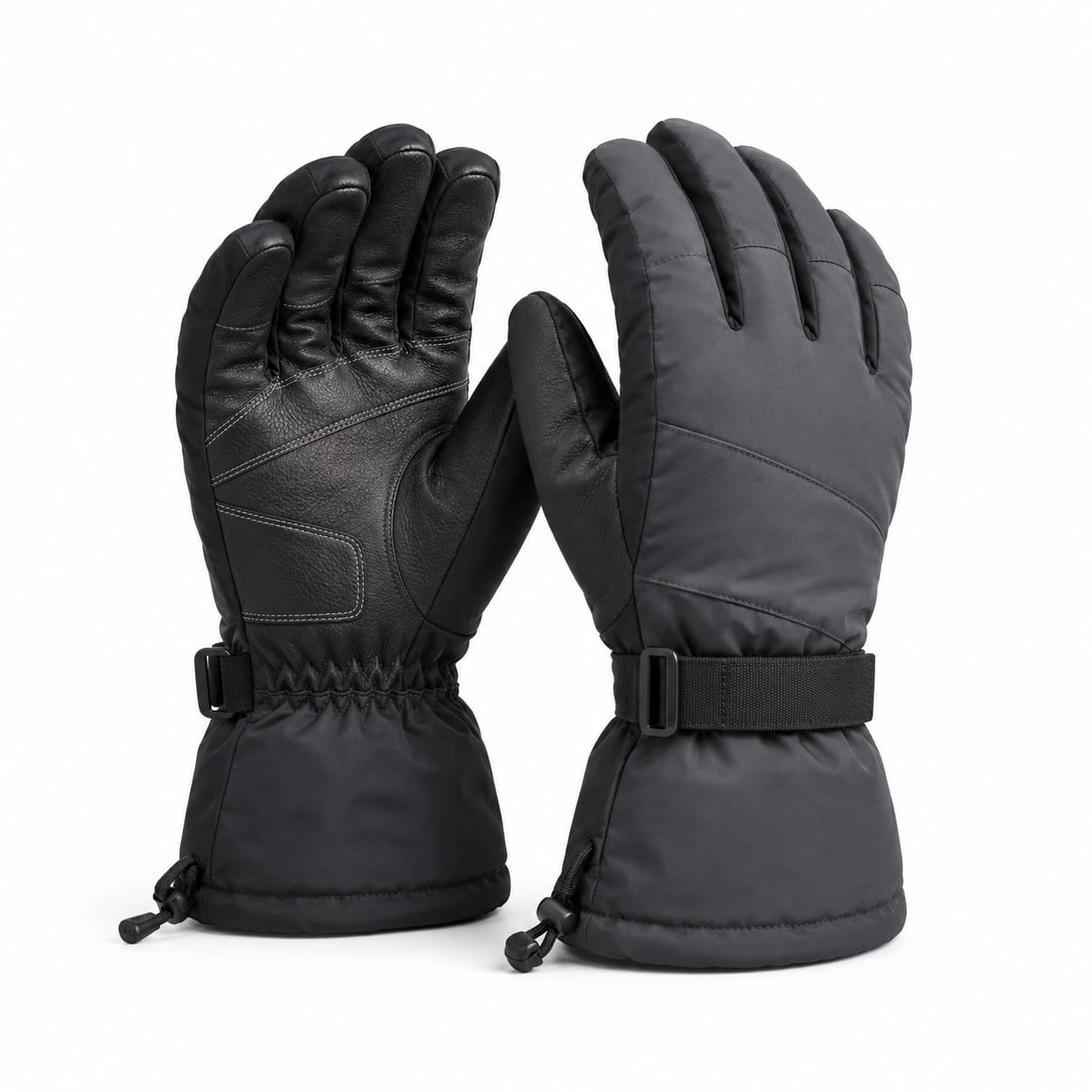
Uninsulated waterproof gloves designed to be worn over liner gloves for maximum layering versatility.

Shell gloves are the ultimate layering tool for skiers who demand adaptability. By stripping away built-in insulation, these gloves let you customize warmth by pairing them with any liner — from lightweight silk for spring touring to thick merino for deep winter. The result is a single glove system that handles the full spectrum of conditions, breathes better than any insulated option, and dries faster because there's no internal padding to trap moisture.

$50 – $200premium tieradvancedexpert

Best known for

Maximum layering versatility across all conditionsSuperior breathability compared to insulated glovesFast drying after wet daysLightweight and packable emergency backupPopular with backcountry skiers and guides
Shell Gloves / Shells

Guide

Detailed overview

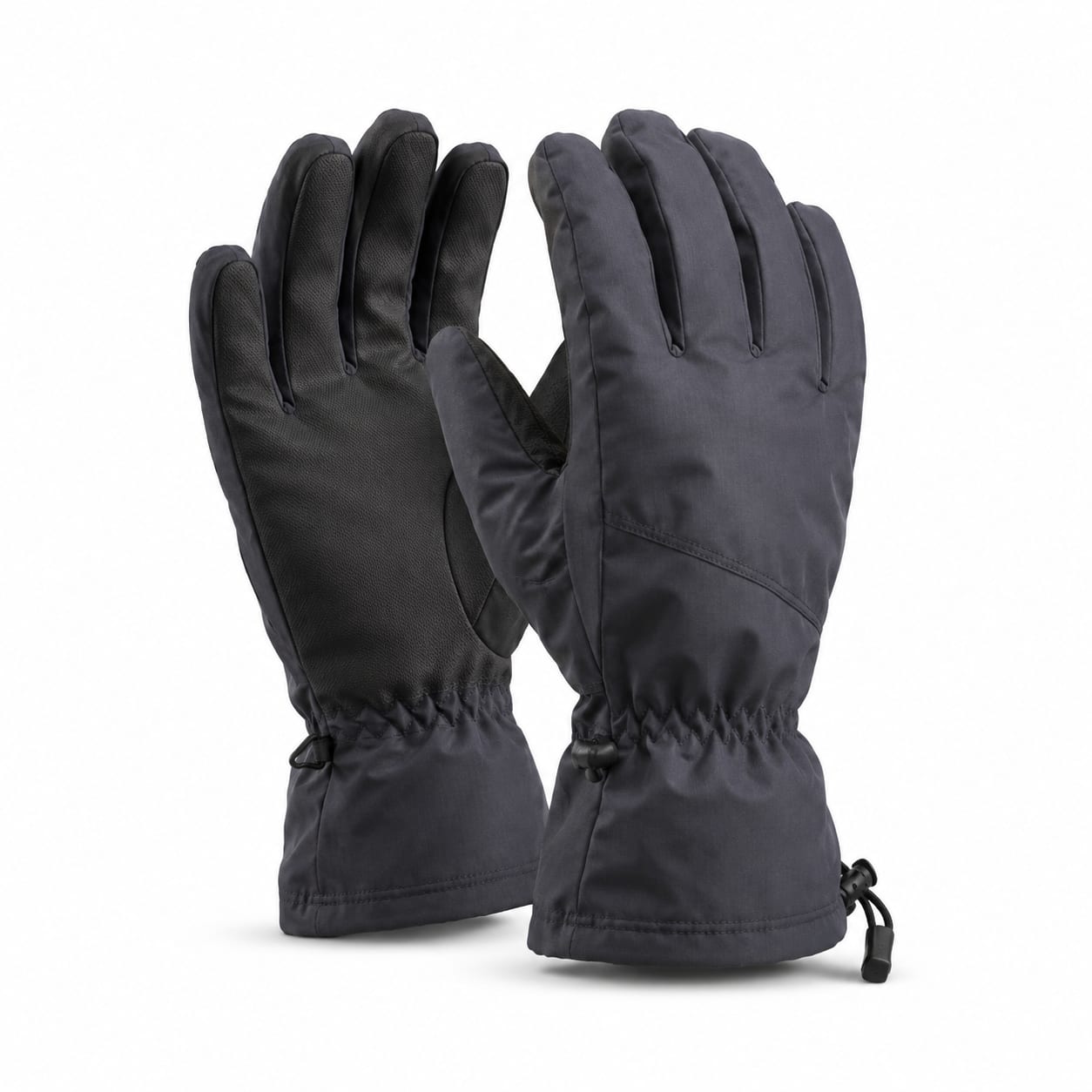
Shell gloves are minimalist handwear stripped of all built-in insulation, designed exclusively to serve as a protective outer layer in a glove layering system. Their sole job is to block wind, rain, and snow while allowing moisture vapor from perspiration to escape. Without insulation adding bulk, shell gloves offer exceptional dexterity and tactile feel — closer to what you'd experience wearing just a liner — making them ideal for tasks requiring fine motor control like adjusting bindings, operating beacons, or manipulating zippers in nasty weather. The lack of insulation also means they pack down incredibly small, making them a favorite emergency stowaway in touring packs.

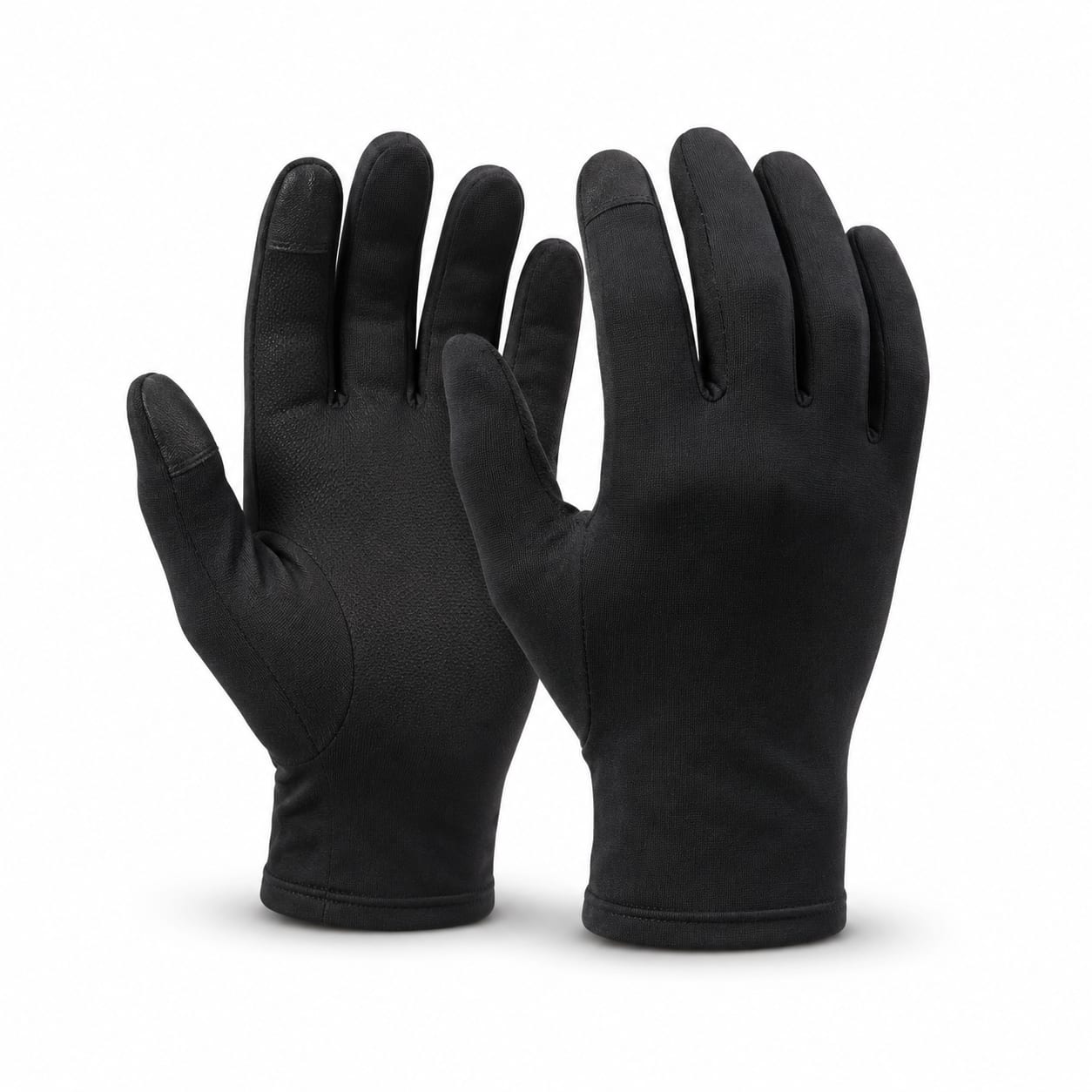
Shell gloves represent the purest expression of the layering principle that backcountry skiers and mountain professionals have relied on for decades. Rather than locking you into a single warmth level, shell gloves give you a weatherproof shield that adapts to whatever liner you pair underneath. On a warm spring tour, wear them over a lightweight silk liner. On a cold resort day, layer them over a thick merino or fleece liner. In extreme cold, double up with a wool liner and a synthetic mid-layer. This modularity means one glove system can replace two or three pairs of traditional insulated gloves.

The breathability advantage of shell gloves cannot be overstated. Insulated gloves trap warm, moist air inside, and when you're working hard on a skin track or hiking to a line, that moisture has nowhere to go. Shell gloves, especially those with high-quality membranes like Gore-Tex, allow perspiration vapor to escape far more efficiently because there's no insulation layer impeding that transfer. The result is drier hands that stay warmer over the long run — because wet insulation is worthless insulation, and damp liner gloves dry overnight much faster than damp insulated gloves.

For backcountry skiers, shell gloves are often the primary glove in the pack. A typical setup might include a lightweight liner for the uphill, a shell glove to block wind at transitions and on the descent, and a warm insulated mitt for rest stops and emergency bivouacs. The shell glove fills the critical middle ground where you need weather protection but still want dexterity for handling equipment. Many guides consider a shell-and-liner system non-negotiable for professional work.

The trade-off is clear: shell gloves require more thought and management than insulated gloves. You must own and carry appropriate liners, and you need to think about your layering combination each morning. There's also a gap risk at the cuff between liner and shell if they're not designed as a mated system. And on the coldest days, even the thickest liner under a shell may not match the warmth of a purpose-built insulated mitt. But for skiers who value versatility, breathability, and smart packing, shell gloves are the foundation of an intelligent handwear system.

Quick facts

Primary purpose
Weather protection as part of a modular layering system with adjustable warmth
Popular brands
Black DiamondOutdoor ResearchArc'teryxHestraMarmot
Typical terrain
BackcountrySpring conditionsVariable temperaturesTouring

What makes it different

Lack of insulation allows modular temperature regulation by pairing with different liner weights

Recommended ranges

How this type usually specs out

Each spec is explained in plain language, then we show what buyers usually look for on this type.

Type

Handwear Type

What it means

The fundamental construction style of the handwear, determining finger separation and overall warmth-to-dexterity ratio.

Typical for this type

Glove Or Mitten

In practice

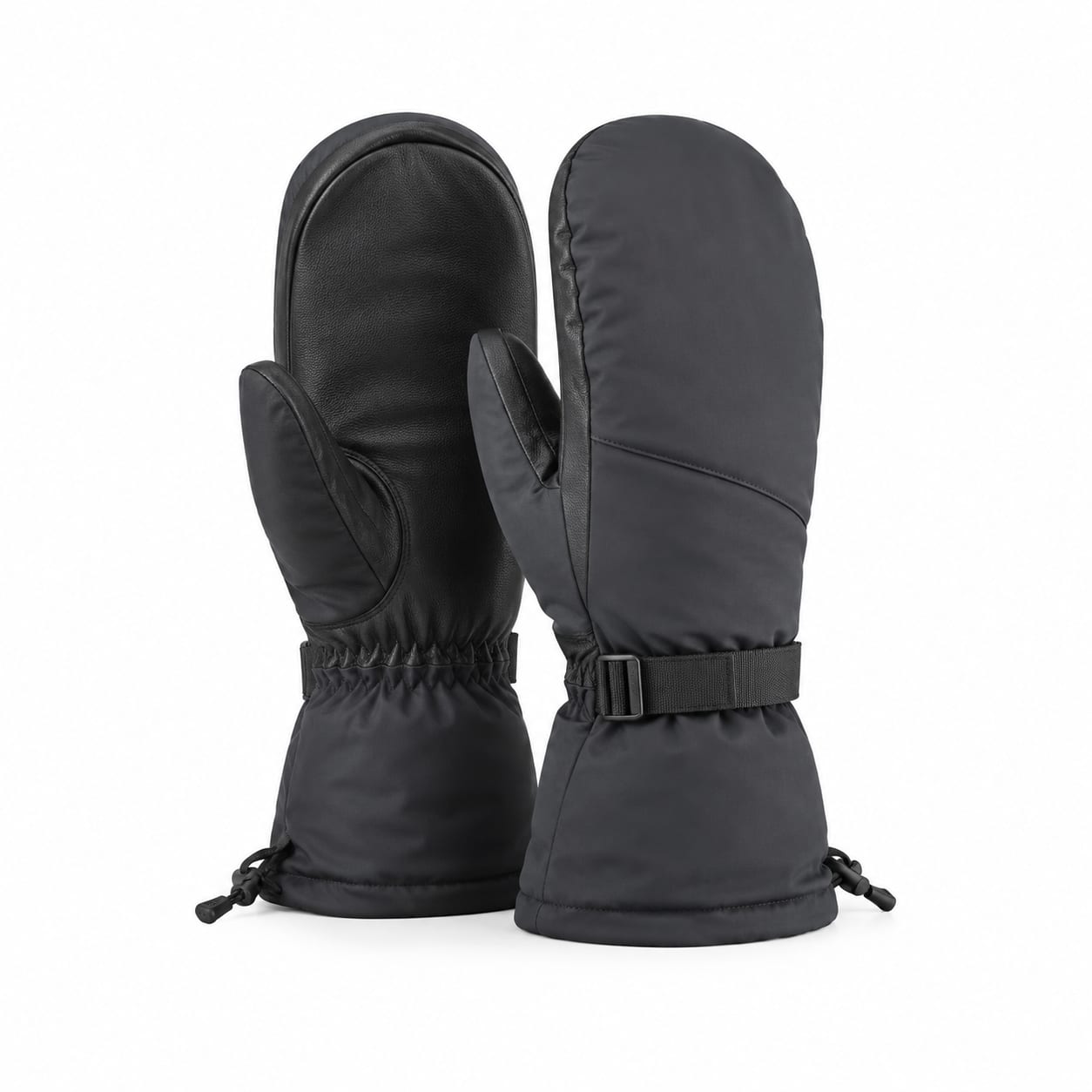
Shell gloves are most commonly found in full glove construction to preserve dexterity, since the whole point of a shell is to maintain feel while adding weather protection. However, shell mittens exist for maximum warmth when paired with thick liners.

Compared to other types

Shell gloves almost exclusively use glove construction, whereas insulated categories offer more mitten and hybrid options because they're targeting warmth-first use cases.

Why it matters: Glove-style shells maintain finger independence for pole grip and equipment handling, which is the primary use case. Mitten shells sacrifice dexterity for warmth but are valued by riders with very cold hands who still want layering flexibility.

Insulation

Insulation Type

What it means

The primary insulating material used inside the handwear, affecting warmth, packability, moisture resistance, and weight.

Typical for this type

None (By Definition)

In practice

Shell gloves have no built-in insulation by design. They are constructed as a weatherproof outer layer only, with all warmth provided by a separate liner glove worn underneath.

Compared to other types

All other subcategories include some form of insulation (synthetic, down, wool, or heated). Shell gloves are the only option that delegates warmth entirely to a separate layer.

Why it matters: This is the defining characteristic of the subcategory. The absence of insulation enables maximum breathability, fastest drying, and complete layering versatility. It also means shell gloves cannot provide warmth on their own.

Insulation Weight

Insulation Weight

What it means

The thickness or gram weight of insulation, directly correlating with warmth level. Often described as lightweight, midweight, or heavyweight.

Typical for this type

N/A

Most common pick: N/A (Uninsulated)

In practice

Shell gloves have zero insulation weight. Warmth is determined entirely by the liner glove chosen. A lightweight liner provides spring-like warmth; a heavyweight liner provides deep-winter warmth.

Compared to other types

Insulated gloves lock you into a specific warmth range. Shell systems let you swap liners to match any insulation weight from lightweight to heavyweight on the same shell.

Why it matters: The effective insulation weight of a shell glove system is infinitely adjustable by changing the liner. This is the core advantage over fixed-insulation gloves.

Waterproofing

Waterproof Rating

What it means

The water column rating (mm) of the waterproof membrane or treatment, indicating resistance to water penetration under pressure.

Typical for this type

10000mm to 20000mm+

In practice

Since the shell's primary job is weather protection, most quality shell gloves feature at least 10,000mm waterproofing. Premium models reach 20,000mm+ for extreme conditions. Water-resistant-only shells exist but defeat the purpose for most skiers.

Compared to other types

Shell gloves tend to have higher waterproof ratings on average than insulated gloves because weather protection is their sole function. Budget insulated gloves sometimes skimp on waterproofing because insulation provides a moisture buffer.

Why it matters: Without insulation to absorb and buffer moisture, the waterproof membrane is the shell glove's only defense. A high waterproof rating is more critical here than in insulated gloves where some moisture tolerance exists in the padding.

Membrane

Waterproof Membrane

What it means

The specific waterproof-breathable membrane technology used in the handwear construction.

Typical for this type

Gore Tex Or Proprietary

In practice

Gore-Tex is the most common membrane in quality shell gloves because breathability is paramount — without insulation to wick moisture, the membrane must handle all vapor transfer. Proprietary membranes are also common in mid-range options.

Compared to other types

Shell gloves benefit more from premium membranes than insulated gloves because there's no insulation layer to assist with moisture management. Gore-Tex Infinium is sometimes used in softshell-style shells for maximum breathability in dry conditions.

Why it matters: Membrane quality directly impacts the breathability that makes shell gloves worthwhile. A poorly breathing membrane in a shell glove causes liner sweat-through faster than in an insulated glove where padding can absorb some moisture temporarily.

Shell Material

Shell Material

What it means

The outer face fabric of the handwear, affecting durability, weather resistance, dexterity, and feel.

Typical for this type

Nylon, Leather, Or Softshell

In practice

Nylon is the most common shell material for its durability and weather resistance. Leather shells are popular in premium models for superior grip and dexterity. Softshell fabric appears in touring-oriented shells prioritizing breathability and stretch.

Compared to other types

Shell gloves place more emphasis on shell material quality because it's the primary determinant of feel and performance. In insulated gloves, the shell material's impact on dexterity is partially masked by the insulation layer.

Why it matters: Since there's no insulation to mask the shell's feel, the shell material directly determines grip, dexterity, and tactile feedback. Leather shells provide the best pole feel; nylon offers the best durability; softshell gives the best mobility.

Palm Material

Palm Material

What it means

The material on the palm and fingers that contacts ski poles and surfaces, affecting grip, durability, and feel.

Typical for this type

Leather Or Synthetic Suede

In practice

Leather (especially goatskin) is the most popular palm material for shell gloves because it provides the best grip and tactile feel — critical when there's no insulation between your hand and the pole. Synthetic suede is a common lower-maintenance alternative.

Compared to other types

Shell gloves disproportionately favor leather and synthetic suede palms over rubberized or textured nylon because grip feel is a primary reason to choose a shell system. Insulated gloves more commonly use rubberized or textured nylon where feel matters less.

Why it matters: Palm material makes or breaks a shell glove. Without insulation dampening feedback, the palm material is what you feel against your poles. Poor palm material undermines the dexterity advantage that justifies wearing a shell glove.

Cuff Style

Cuff Style

What it means

The design of the glove opening and how it interfaces with jacket sleeves, affecting snow seal, warmth, and ease of use.

Typical for this type

Gauntlet Or Hybrid Cuff

In practice

Gauntlet cuffs are most common on shell gloves because they're often used in variable and backcountry conditions where snow seal matters. Hybrid cuffs offer versatility for riders who switch between over- and under-jacket configurations.

Compared to other types

Shell gloves lean toward gauntlet cuffs more than insulated gloves because they're often chosen by backcountry and all-mountain skiers who encounter deeper snow. Under-cuff designs are less common but exist for resort-focused shells.

Why it matters: A proper snow seal is critical for shell gloves because any snow entering the cuff will soak the liner directly — there's no insulation layer to slow the wetting process. Gauntlet cuffs provide the most reliable seal.

Closure

Closure Type

What it means

The mechanism used to secure the glove at the wrist, affecting fit adjustment, ease of use, and snow seal.

Typical for this type

Velcro Strap Or Drawcord

In practice

Velcro straps are the most common closure, providing easy one-hand adjustment over varying liner thicknesses. Drawcords appear on gauntlet-style shells for maximum snow seal in powder conditions.

Compared to other types

Shell gloves rarely use elastic/slip-on closures because adjustable seal is too important. Zip closures are uncommon because they add a failure point to a glove whose primary job is weather protection.

Why it matters: Closure adjustability matters more for shell gloves than insulated gloves because you need the cuff to seal properly over different liner thicknesses. A closure that adjusts easily lets you dial the fit whether you're wearing a thin silk liner or a thick wool one.

Liner

Liner Type

What it means

The inner lining or removable liner of the handwear, affecting comfort, moisture management, warmth, and drying capability.

Typical for this type

No Liner (By Definition)

In practice

True shell gloves have no integrated liner. They are designed to be paired with a separate liner glove of the user's choice, which is the fundamental principle of the subcategory.

Compared to other types

This is the key differentiator. All other subcategories have fixed, removable, or integrated liners. Shell gloves are the only option that requires you to supply your own liner, which is both their greatest strength and biggest barrier to entry.

Why it matters: The absence of an integrated liner is what makes shell gloves versatile. You choose the liner based on conditions each day rather than being locked into a fixed warmth level.

Heated

Heated

What it means

Whether the handwear includes battery-powered heating elements for active warmth generation.

Typical for this type

False

In practice

Shell gloves are not heated. The layering system approach means if you want active heating, you would use a heated liner glove underneath the shell — a combination that some riders employ for extreme cold.

Compared to other types

Heated gloves are a separate subcategory with integrated batteries and heating elements. Shell gloves can actually pair with heated liners for the best of both worlds — adjustable active warmth with reliable weather protection.

Why it matters: Keeping the shell non-heated maintains its simplicity, packability, and reliability. Heated liners can be swapped in and out as needed without compromising the shell's weather protection function.

Touchscreen

Touchscreen Compatible

What it means

Whether the glove includes conductive material on fingertips allowing smartphone and touchscreen use without removing gloves.

Typical for this type

Varies — Check Specific Model

Most common pick: False

In practice

Touchscreen compatibility varies by model. Some shell gloves include conductive fingertips, but many do not because the feature is often handled by the liner glove instead. When the liner has touchscreen capability, the shell can be briefly removed for device use.

Compared to other types

Insulated gloves more commonly include touchscreen compatibility because they're harder to remove in cold conditions. Shell glove users can simply remove the shell and use the liner for touchscreen tasks.

Why it matters: Since shell gloves are designed to be removed and put back on easily (unlike insulated gloves that are harder to take off in cold weather), touchscreen compatibility in the shell itself is less critical. A touchscreen-compatible liner solves this problem.

Nose Wipe

Nose Wipe Panel

What it means

A soft fabric panel on the thumb or back of hand designed for wiping the nose and face without irritating skin.

Typical for this type

True Preferred

In practice

Most quality shell gloves include a nose wipe panel, typically a soft fleece or chamois patch on the thumb. Since shell gloves are often worn in harsh weather where runny noses are common, this feature is particularly valued.

Compared to other types

Nose wipe panels are equally common across subcategories but arguably more important in shell gloves because they're more likely to be worn in the worst conditions where the feature matters most.

Why it matters: In cold, wet conditions where shell gloves excel, a nose wipe panel significantly improves comfort. Wiping your nose on a waterproof shell fabric without a soft panel is unpleasant and can irritate skin over a full day.

Wrist Leash

Wrist Leash

What it means

A loop or cord attached to the glove that goes around the wrist, preventing gloves from falling off or being lost when removed.

Typical for this type

True Strongly Recommended

In practice

Wrist leashes are highly recommended and commonly included on shell gloves. Since shell gloves are frequently removed to access liner dexterity for tasks like phone use or equipment adjustment, the risk of dropping them on chairlifts or in powder is real.

Compared to other types

Wrist leashes are more important for shell gloves than for insulated gloves because shell gloves are removed more frequently. A dropped shell glove in deep powder is nearly impossible to find and expensive to replace.

Why it matters: Shell gloves are removed more often than insulated gloves because the liner underneath provides enough warmth and dexterity for brief tasks. Wrist leashes prevent costly losses during these frequent on-off cycles.

Reinforcements

Reinforcement Areas

What it means

Additional material layers in high-wear areas to improve durability where gloves typically wear out first.

Typical for this type

Palm And Thumb Crotch At Minimum

Most common pick: Palm, Thumb Crotch

In practice

Palm and thumb crotch reinforcements are the most common and valuable reinforcements on shell gloves. Since there's no insulation to pad wear, the shell fabric takes direct abuse from pole grips and equipment handling.

Compared to other types

Reinforcements are arguably more important in shell gloves than insulated gloves because the shell fabric is thinner and more directly exposed to abrasion. Insulated gloves have more material bulk that naturally resists wear.

Why it matters: Shell gloves wear through faster at contact points because there's no insulation layer to distribute pressure. Reinforcements at the palm and thumb crotch — the two highest-wear areas — significantly extend glove life.

Size

Size / Fit

What it means

The sizing and overall fit profile of the handwear, critical for warmth, dexterity, and comfort. Proper fit ensures insulation works effectively.

Typical for this type

Size Up If Between Sizes to Accommodate Varying Liner Thicknesses

Most common pick: True to Size Over Liner

In practice

Shell gloves should fit comfortably over your thickest intended liner with a slight amount of room. Too tight and you'll compress the liner, eliminating its insulation value. Too loose and you sacrifice dexterity and grip feel.

Compared to other types

Shell glove sizing requires more thought than insulated glove sizing because you're fitting for a system, not a single glove. Insulated gloves have a fixed internal volume; shell gloves must accommodate varying internal volumes depending on liner choice.

Why it matters: Fit is more complex for shell gloves than insulated gloves because the effective size changes with liner choice. A shell that fits perfectly over a thin silk liner may be too tight over a thick merino liner. Consider your primary liner when sizing.

Gender

Gender Target

What it means

The intended gender fit of the handwear, affecting palm width, finger length, and overall proportions.

Typical for this type

Gender-Specific For Best Fit

Most common pick: Unisex

In practice

Many shell gloves are offered in unisex sizing, though premium models increasingly come in men's and women's specific fits. Women's-specific shells account for narrower palms and different finger proportions for better dexterity.

Compared to other types

Shell gloves have a higher proportion of unisex models than insulated gloves, partly because the backcountry market skews toward unisex sizing. Women should seek out gender-specific shells when available for the best fit over liners.

Why it matters: Proper fit matters even more for shell gloves than insulated gloves because there's no insulation to fill gaps. A poorly fitting shell over a well-fitting liner creates wrinkles and air pockets that compromise both weather seal and dexterity.

Evaluation

Strengths and trade-offs

Pros

What this type does best

Unmatched layering versatility

Critical

One shell glove pairs with any liner to handle conditions from spring slush to deep winter. Swap a silk liner for a heavyweight merino and the same shell covers a 50-degree temperature range.

Superior breathability

Critical

Without insulation impeding moisture vapor transfer, shell gloves breathe significantly better than insulated alternatives. This keeps liner gloves drier during high-output activities like skinning or hiking.

Fastest drying

High

A wet shell glove dries in a fraction of the time of an insulated glove because there's no padding to hold moisture. On multi-day trips, this means starting each day with dry handwear.

Excellent dexterity

High

The minimal construction of shell gloves preserves tactile feel and finger mobility, especially with leather or synthetic suede palms. You get near-barehand dexterity with full weather protection.

Lightweight and packable

Medium

Shell gloves compress to a fraction of the size of insulated gloves, making them ideal as emergency backup gloves in a touring pack. They take up less space than a sandwich.

Longer lifespan

Medium

When the liner wears out or gets funky, you replace just the liner — not the entire glove. The shell itself, being simpler construction, often outlasts insulated gloves if properly maintained.

Easy on-off for tasks

Medium

Shell gloves slip on and off easily over liners, making them ideal for skiers who frequently need bare-liner dexterity for phone use, photography, or equipment adjustment.

Cons

Trade-offs to be aware of

Requires separate liner purchase

Moderate

Shell gloves are not standalone products — you must buy and carry liner gloves separately. This increases upfront cost and complexity compared to insulated gloves that work out of the box.

Gap risk between liner and shell

Moderate

Unless the liner and shell are designed as a mated system, there can be gaps or bunching between layers. Cold air can penetrate at the cuff junction, and the liner may shift inside the shell during active use.

Cold hands if liner is inadequate

Significant

A shell glove provides zero warmth on its own. If you misjudge conditions and bring too-light a liner, there's no insulation backup to save you. Insulated gloves have a warmth floor that shell systems lack.

More daily decision-making

Minor

You must think about liner choice each morning based on conditions. Insulated gloves are simpler — grab and go. The layering system requires more awareness and planning.

Less warmth than dedicated insulated mittens

Moderate

Even with the thickest liner, a shell glove system rarely matches the warmth of a purpose-built insulated mitten. For extreme cold, the shell-and-liner approach hits a ceiling that insulated mittens exceed.

Bulkier than single-layer insulated gloves

Minor

A shell plus thick liner can be bulkier than an equivalently warm insulated glove because you have two separate layers with their own fabrics, seams, and construction.

Best for

Terrain

Backcountry and touringAll-mountain variable conditionsSpring corn and slushHigh-altitude exposed terrain

Snow conditions

Variable conditions across a single dayWet and snowy conditions where breathability mattersWindy exposed terrainSpring conditionsMulti-day trips with limited drying options

Skill level

IntermediateAdvancedExpert

Riding style

Backcountry touringFreerideAll-mountainGuide and professional use

Rider profile

Backcountry skiers who manage temperature activelySki guides and instructors who need dexterity and quick-drying gearSkiers with multiple gloves who want a versatile systemRiders who run hot and need maximum breathabilityTouring skiers who need packable emergency handwear

Not ideal for

Reasons

Beginners may find the layering system confusing and frustratingRiders with chronically cold hands need the warmth guarantee of insulated gloves or heated optionsThose who ski only in consistent cold conditions don't need the versatility shell gloves provideSkiers unwilling to invest in multiple liners won't realize the system's benefits

Terrain

Extremely cold interior climates (-20°F / -29°C and below)Resort-only skiing in consistent deep cold

Skill level

Beginners who want simple grab-and-go gear

Riding style

Casual resort skiing where simplicity is valuedRacing where purpose-built race gloves are superior

Compare

How it stacks up

This page

Shell Gloves / Shells

Far more versatile through layering; significantly better breathability; faster drying; lighter and more packable; longer overall lifespan since liners are replaceable.

Alternative

Insulated Gloves (Synthetic)

Works out of the box with no liner needed; simpler to use; more consistent warmth; lower total cost of entry; no gap risk between layers.

Bottom line

Choose shell gloves if you ski in variable conditions, tour, or value breathability. Choose insulated gloves if you want simplicity, ski mostly in consistent conditions, or prefer grab-and-go convenience.

This page

Shell Gloves / Shells

Far superior dexterity and pole grip; better breathability; more versatile layering; easier to handle equipment and adjust gear without removing handwear.

Alternative

Insulated Mittens

Dramatically warmer due to finger grouping; simpler to use; better for extreme cold; no liner management required; often less expensive for equivalent warmth.

Bottom line

Choose shell gloves if dexterity and versatility are priorities. Choose insulated mittens if maximum warmth is your primary concern, especially in extreme cold or if your hands run cold.

This page

Shell Gloves / Shells

No battery management or charging required; lighter weight; lower cost; no electronic failure risk; more reliable in extreme cold where batteries drain faster; better breathability.

Alternative

Heated Gloves

On-demand adjustable warmth regardless of conditions; transformative for riders with poor circulation; guaranteed warmth even when stationary; no need to carry multiple liners.

Bottom line

Choose shell gloves for reliability, breathability, and versatility. Choose heated gloves if you have chronically cold hands, poor circulation, or ski in extreme cold where passive insulation is insufficient.

This page

Shell Gloves / Shells

Better overall dexterity with all fingers independent; more layering flexibility; easier fine motor tasks like operating beacons or adjusting buckles; simpler construction with fewer seams.

Alternative

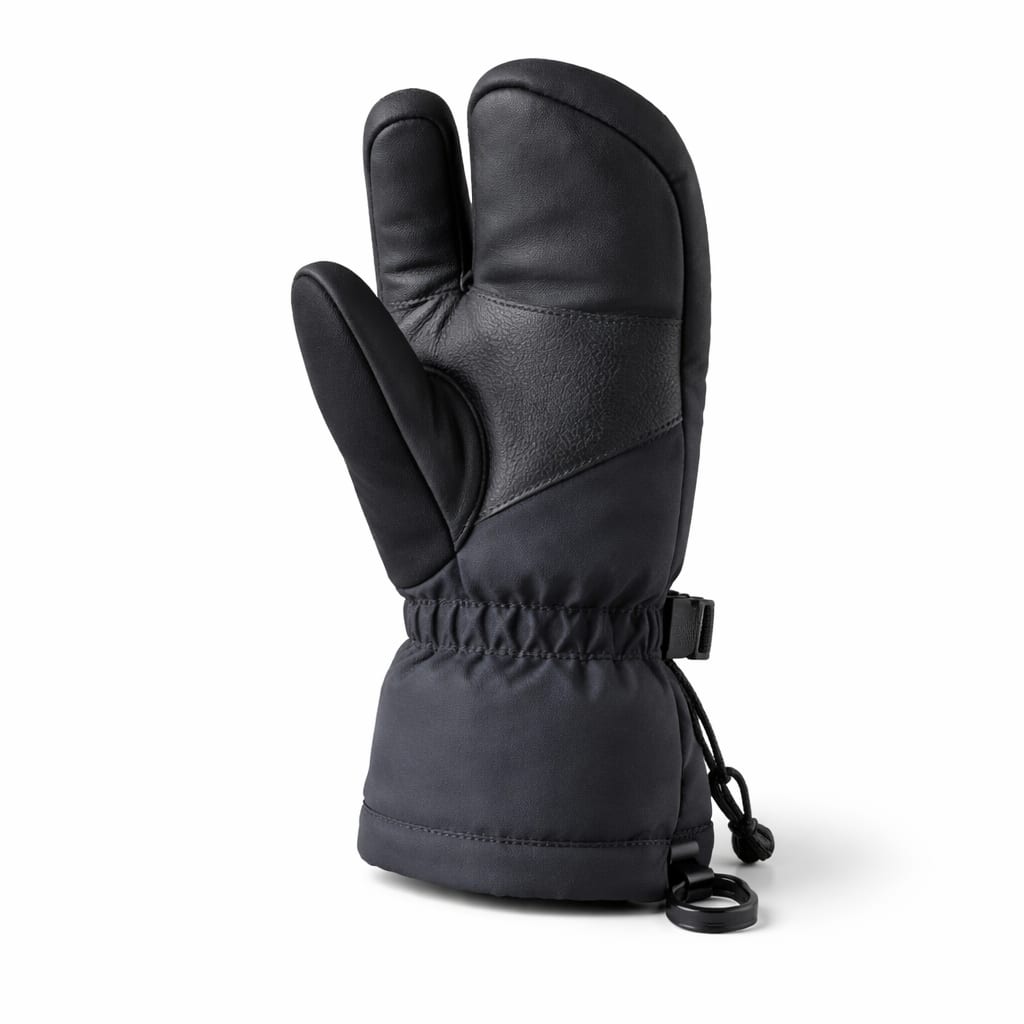
3-Finger / Lobster Gloves

Warmer than glove-style shells due to finger grouping; good balance of warmth and pole grip without requiring liner management; single-piece construction with no gap risk.

Bottom line

Choose shell gloves if you need full finger dexterity and layering versatility. Choose 3-finger gloves if you want a balance of warmth and grip in a single piece without managing separate liners.

Shopping

Buying tips

  • 1

    Buy the shell one half-size larger than your normal glove size to accommodate varying liner thicknesses without compressing the insulation.

  • 2

    Invest in at least two liners of different weights — a lightweight silk or synthetic for warm days and a heavyweight merino or fleece for cold days — to unlock the full versatility of the system.

  • 3

    Look for shell gloves with internal loops or clips that mate with compatible liners to prevent shifting and gap issues between layers.

  • 4

    Prioritize membrane quality over shell material if breathability is your main reason for choosing a shell system. Gore-Tex or equivalent membranes justify the cost here more than in insulated gloves.

  • 5

    Leather palm shells provide the best pole grip and tactile feel but require regular waterproofing treatment. If you're unwilling to maintain leather, synthetic suede is the best alternative.

  • 6

    Always carry a spare liner on multi-day trips. A wet liner under a waterproof shell is miserable and defeats the system's purpose.

  • 7

    If you tour, consider a softshell-style glove for the uphill (maximum breathability) and a waterproof shell for the descent. Many touring-oriented brands offer this two-glove system.

  • 8

    Test the complete system — shell plus your intended liner — before committing. The fit and feel of the combination matters more than either piece alone.

Care

Maintenance notes

  • Wash shell gloves with technical wash (Nikwax Tech Wash or similar) to maintain DWR coating and membrane breathability. Never use fabric softener.
  • Re-treat leather palms with waterproofing wax (Nikwax Waterproofing Wax for Leather, Sno-Seal) every 5-8 ski days or when water stops beading on the surface.
  • Dry shell gloves inside-out if possible, or stuff with newspaper. Never place on direct heat sources like radiators, which can delaminate the waterproof membrane.
  • Wash liner gloves frequently — they absorb sweat and body oils that degrade the fabric and cause odor. Merino wool liners can go longer between washes.
  • Inspect seam tape and waterproof membrane integrity before each season. Shell gloves are useless if the waterproofing is compromised, and there's no insulation to buffer leaks.
  • Store shell gloves fully dried with the cuffs open to allow air circulation. Avoid compressing them in tight spaces for extended periods, which can damage the membrane.
  • Replace liners when they lose elasticity or develop thin spots. A degraded liner under a good shell performs poorly and shortens the shell's lifespan through abrasion.

Progression

Skill development path

Shell gloves are best suited for intermediate-to-expert skiers who understand layering principles and are willing to actively manage their comfort system. Beginners often find the liner-plus-shell approach unnecessarily complex when they're still learning basic skiing skills. As skiers progress to touring, variable-condition skiing, or multi-day trips, the shell system's advantages become increasingly apparent. Expert skiers and professionals often consider shell gloves essential because they provide the adaptability that demanding mountain environments require. The skill progression isn't about skiing ability per se — it's about the willingness to engage with your gear thoughtfully rather than grabbing a single glove and hoping for the best.

FAQ

Common questions

Each question has a dedicated page with a full answer and links to the buying guide.

Can I wear shell gloves without a liner?

Technically yes, but it's not recommended for most skiing. Shell gloves provide no insulation, so your hands will get cold quickly in anything but the warmest spring conditions. The seam tape and membrane against bare skin can also feel clammy and uncomfortable. At minimum, wear a thin liner for comfort and basic warmth.

What liner should I pair with my shell gloves?

It depends on conditions. For spring skiing and touring, a lightweight silk or synthetic liner (1-2mm thick) is ideal. For average winter days, a midweight fleece or synthetic liner provides good warmth. For cold days, choose a heavyweight merino wool liner. Many skiers own two or three liner weights and choose based on the daily forecast. Brands like Hestra, Black Diamond, and Outdoor Research make liners specifically designed to pair with their shells.

Are shell gloves warm enough for deep winter?

Yes, but only with the right liner. A shell glove over a heavyweight merino or thick fleece liner can handle temperatures down to 0°F (-18°C) for most people. However, for sustained extreme cold below -10°F (-23°C), a dedicated insulated mitten will outperform even the thickest liner-under-shell combination because mittens allow finger grouping for shared warmth.

How do I prevent the liner from bunching inside the shell?

Look for shell-and-liner systems designed to mate together — many use internal clips, loops, or snap systems that connect the liner to the shell. If your liner and shell aren't a mated system, choose a liner that fits snugly (not loose) and a shell that fits smoothly over it without excess room. Putting the liner on first, then sliding the shell over it while gently pulling each fingertip into place minimizes bunching.