
Backcountry skiing involves huge temperature swings — you generate massive heat on the uphill and then freeze on the downhill. Shell gloves handle this perfectly: wear just the liner on the skin track for breathability, then pull the shell on at the transition for wind and snow protection on the descent. They also pack down tiny as emergency backup, dry fast on multi-day trips, and provide the dexterity needed for beacon checks, binding adjustments, and snow pit work.
Ski Handwear · Shell Gloves / Shells
Why are shell gloves popular with backcountry skiers?
Related gear types
If this answer nudged you toward a different style, these guides compare specs and trade-offs.
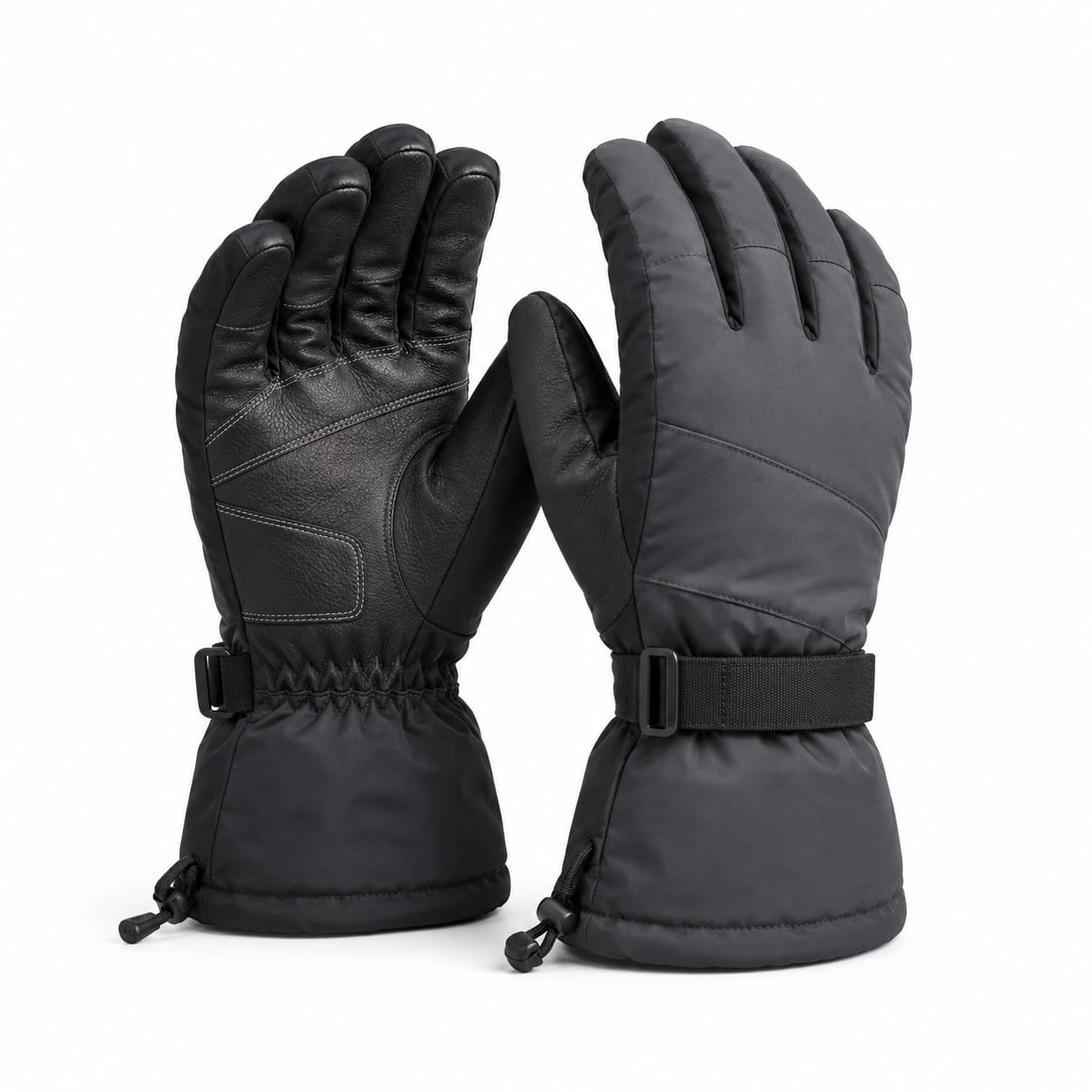
Insulated Ski Gloves
$40 – $220
Fully fingered, insulated gloves providing warmth, waterproofing, and dexterity for all-mountain skiing.
Individual fingers for dexterityWaterproof-breathable membraneSynthetic or down insulation
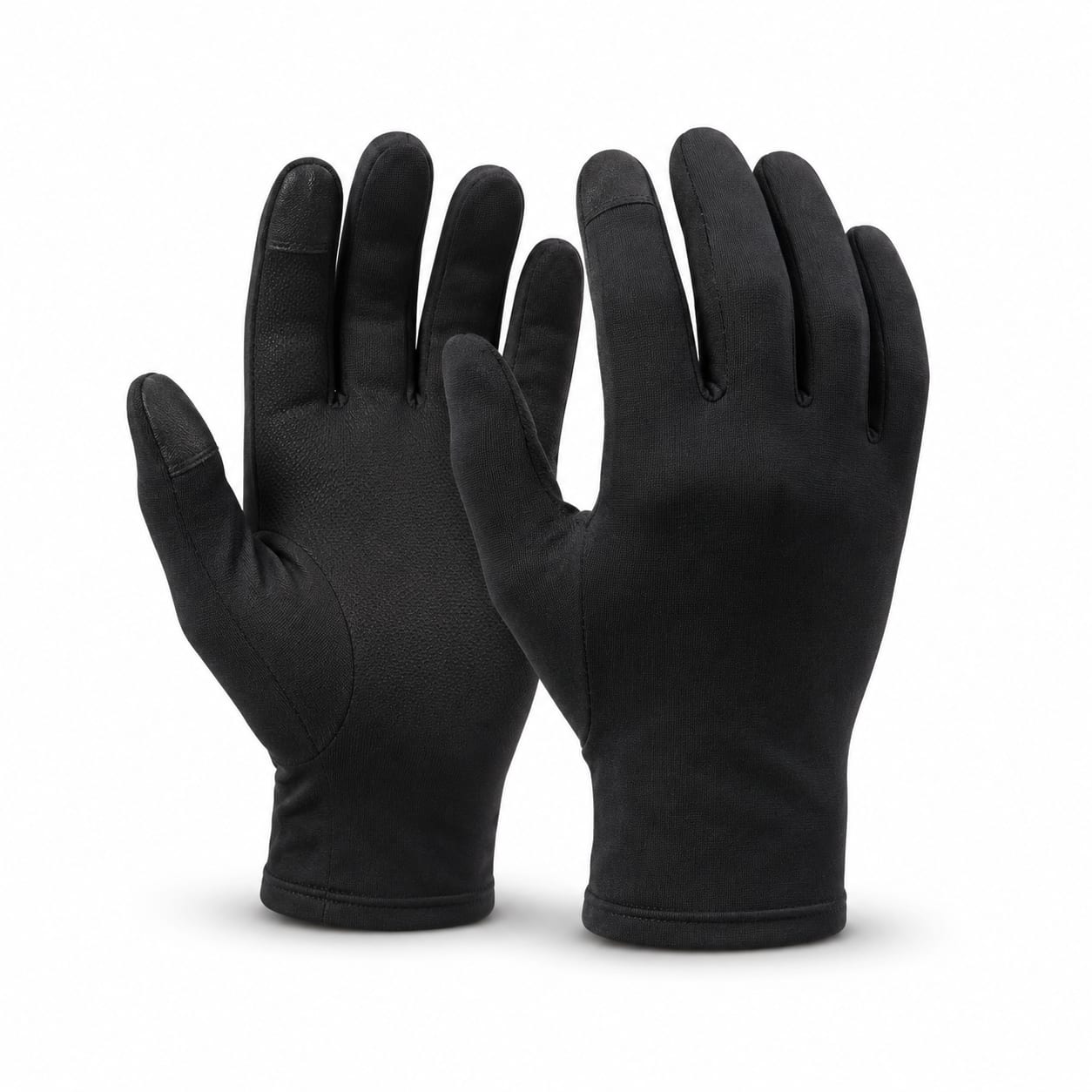
Liner Gloves
$15 – $55
Thin base-layer gloves worn under shells or alone in mild conditions for minimal warmth and moisture management.
Thin, close-fitting constructionMoisture-wicking materialsTouchscreen-compatible fingertips
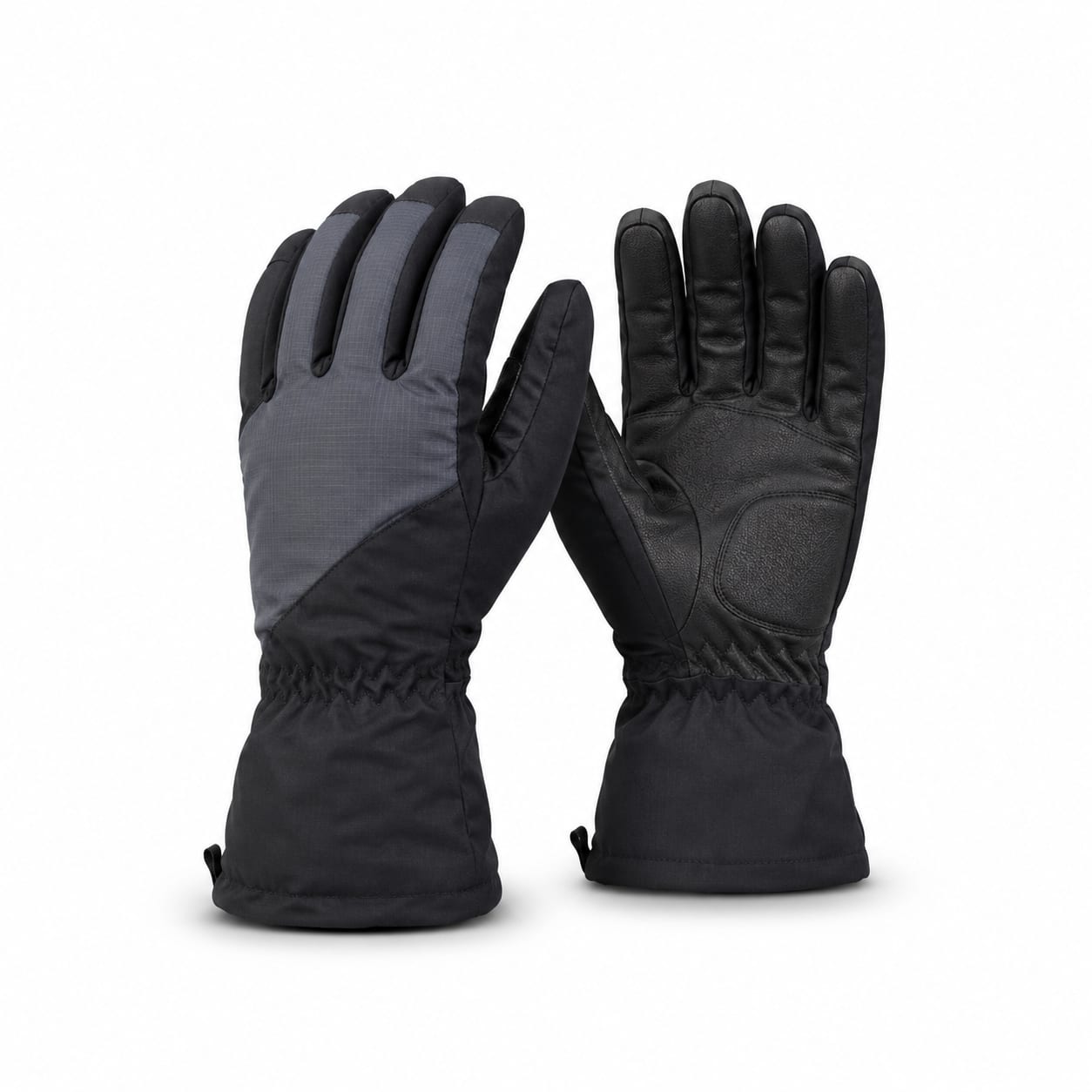
Backcountry / Touring Gloves
$60 – $220
Versatile gloves optimized for ski touring with breathability for uphill travel and warmth for downhill descents.
Moderate insulation for versatilityHigh breathability for uphill travelCompatible with liner layering
More questions
- Can I wear shell gloves without a liner?
- What liner should I pair with my shell gloves?
- Are shell gloves warm enough for deep winter?
- How do I prevent the liner from bunching inside the shell?