
It depends on conditions. For spring skiing and touring, a lightweight silk or synthetic liner (1-2mm thick) is ideal. For average winter days, a midweight fleece or synthetic liner provides good warmth. For cold days, choose a heavyweight merino wool liner. Many skiers own two or three liner weights and choose based on the daily forecast. Brands like Hestra, Black Diamond, and Outdoor Research make liners specifically designed to pair with their shells.
Ski Handwear · Shell Gloves / Shells
What liner should I pair with my shell gloves?
Related gear types
If this answer nudged you toward a different style, these guides compare specs and trade-offs.
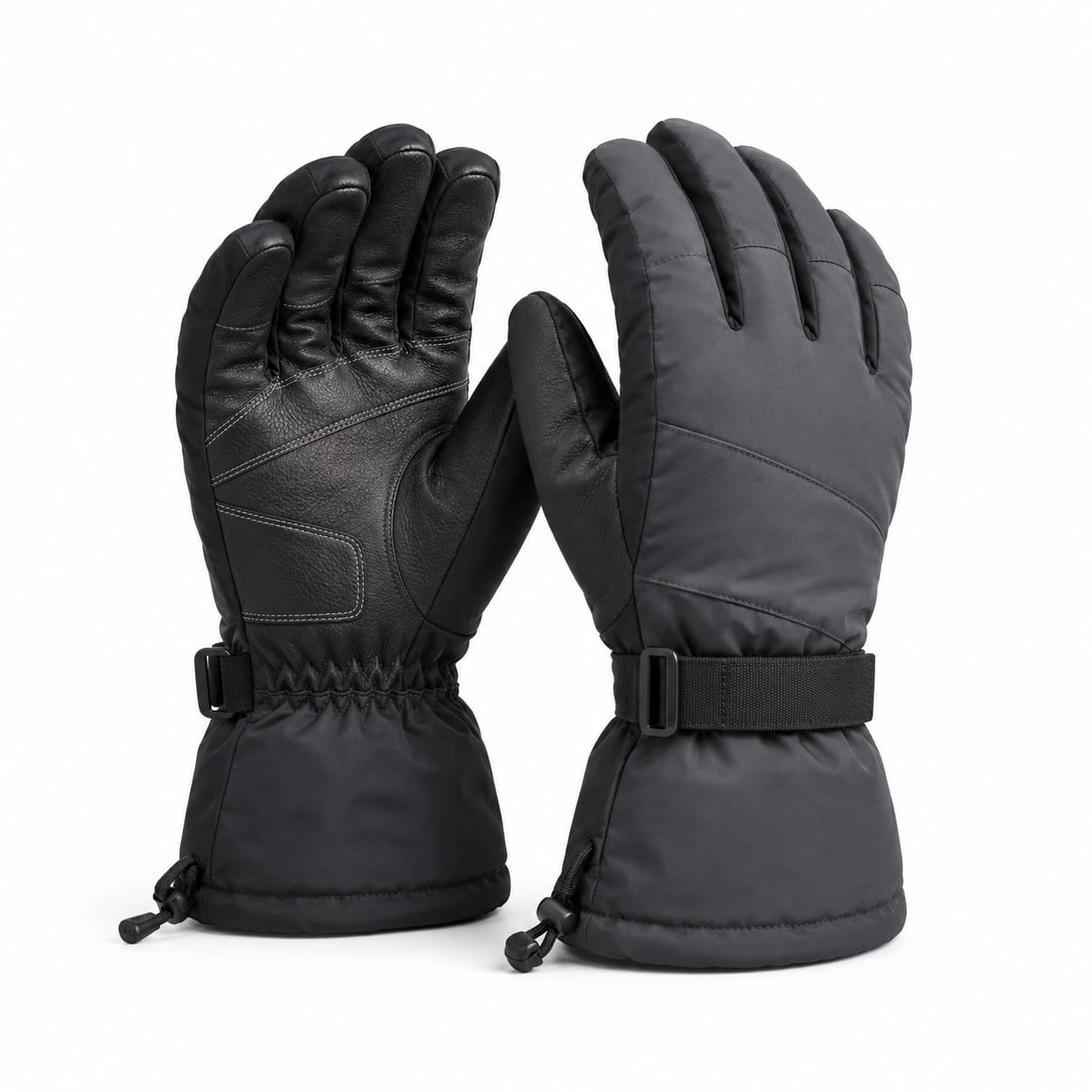
Insulated Ski Gloves
$40 – $220
Fully fingered, insulated gloves providing warmth, waterproofing, and dexterity for all-mountain skiing.
Individual fingers for dexterityWaterproof-breathable membraneSynthetic or down insulation
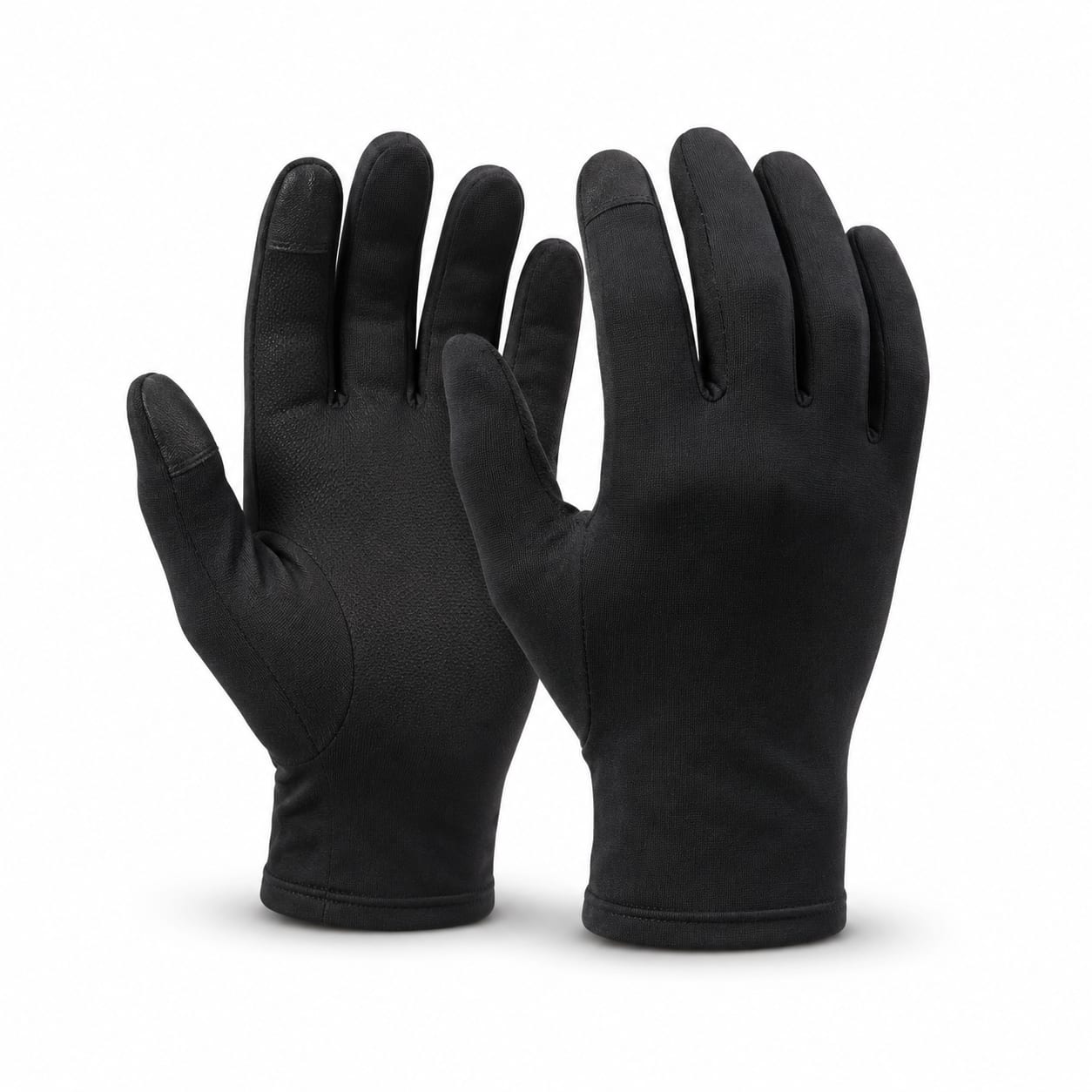
Liner Gloves
$15 – $55
Thin base-layer gloves worn under shells or alone in mild conditions for minimal warmth and moisture management.
Thin, close-fitting constructionMoisture-wicking materialsTouchscreen-compatible fingertips
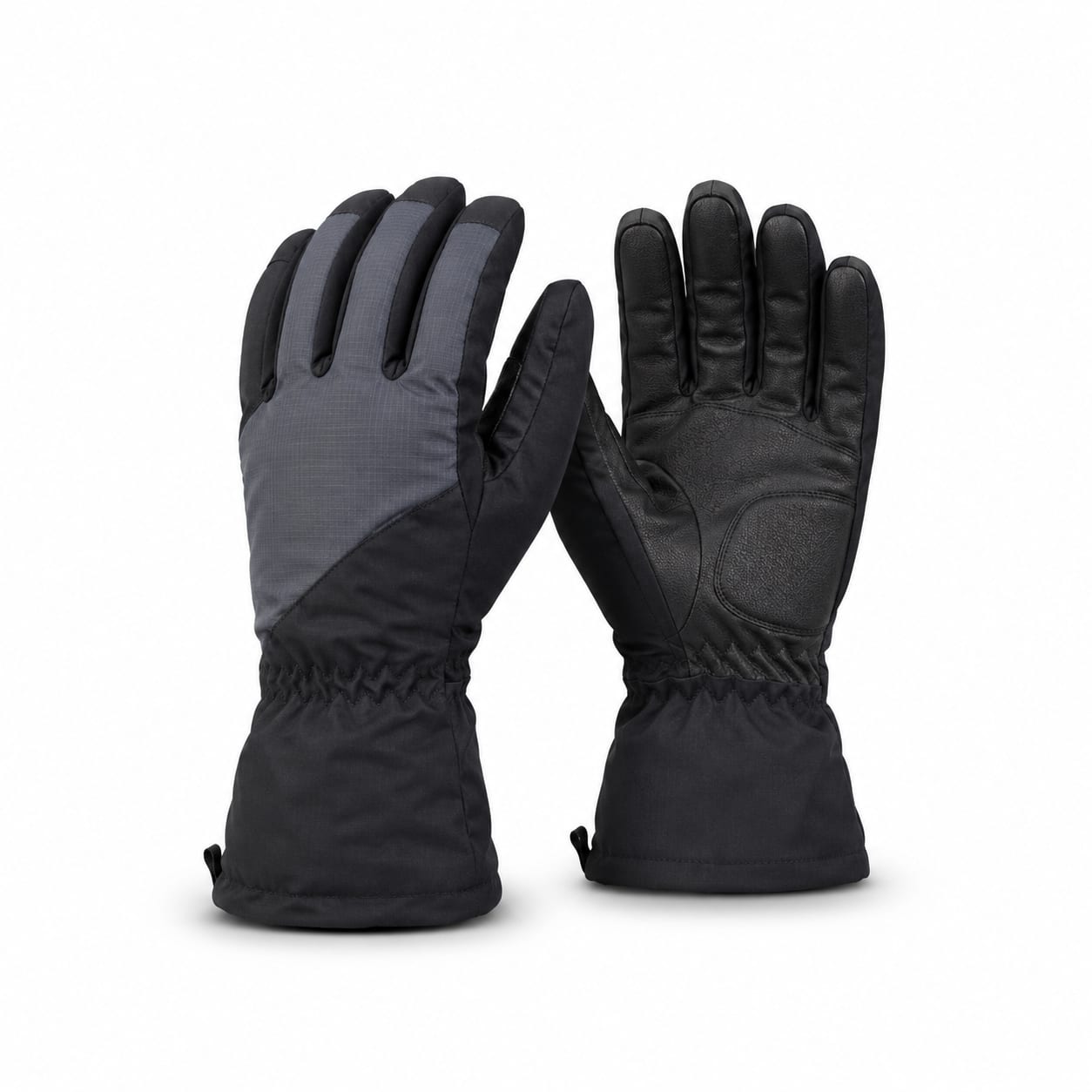
Backcountry / Touring Gloves
$60 – $220
Versatile gloves optimized for ski touring with breathability for uphill travel and warmth for downhill descents.
Moderate insulation for versatilityHigh breathability for uphill travelCompatible with liner layering
More questions
- Can I wear shell gloves without a liner?
- Are shell gloves warm enough for deep winter?
- How do I prevent the liner from bunching inside the shell?
- Why are shell gloves popular with backcountry skiers?