
Ski Helmet · FAQ
Questions about All-Mountain Ski Helmet
Straight answers on fit, specs, and when this type makes sense — each topic has its own page with links back to the buying guide.
Open All-Mountain Ski Helmet guide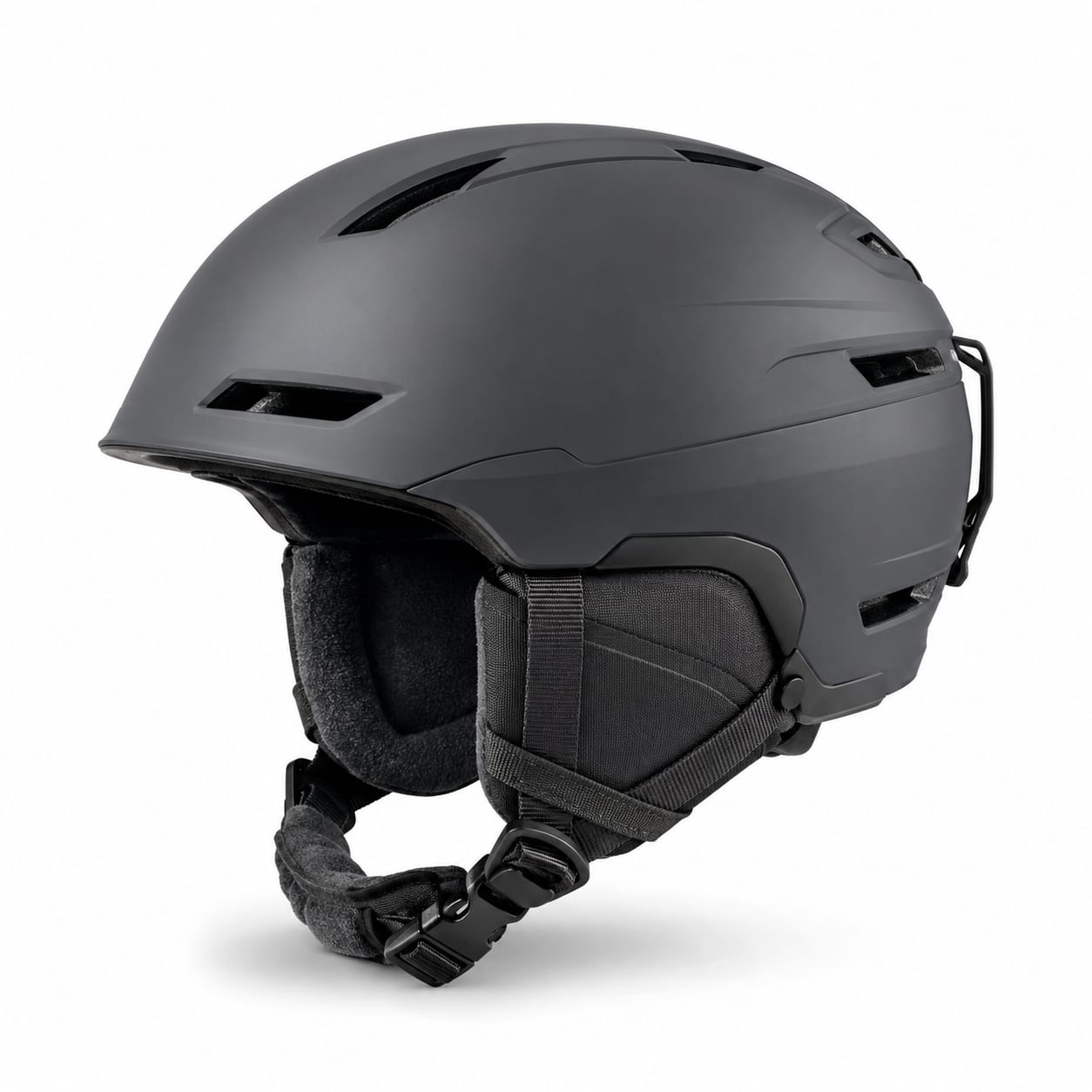
6 topics
Pick a question
Every answer links to the full subcategory guide and related gear types when it helps you decide.
How do I know what size all-mountain ski helmet to buy?
Measure your head circumference with a soft tape measure wrapped around the widest part of your head, just above your eyebrows and ears. Most adults fall into S (52-55cm), M (55-58cm), L (58-61cm), or XL (61-64cm). When trying on the helmet, it should be snug with no pressure points and should not shift when you shake your head. Always try it with your goggles to check for gaper gap. If you are between sizes, size down and use the fit dial to adjust.
Read answer →02Is MIPS really worth the extra cost?
Yes. MIPS (Multi-directional Impact Protection System) reduces the rotational forces transmitted to your brain during angled impacts, which are the most common type of ski crash. Rotational forces are a leading cause of concussions and traumatic brain injuries. The typical price premium for MIPS is $20-40, which is a small cost for a meaningful reduction in concussion risk. Most safety experts and ski professionals now consider MIPS a must-have feature.
Read answer →03How often should I replace my ski helmet?
Replace your helmet every 3-5 years with regular use (30+ days per season), or immediately after any significant impact — even if there is no visible damage. EPS foam degrades over time from UV exposure, temperature cycling, and the minor impacts of daily use. More importantly, EPS foam is designed to deform permanently during a crash to absorb energy, so a helmet that has been crashed in cannot provide the same protection again. When in doubt, replace it.
Read answer →04Can I use my all-mountain ski helmet for other activities like biking or skating?
Many all-mountain ski helmets with removable ear pads can be used for casual biking or skating in the off-season, though they are not certified for cycling and may be warmer than dedicated bike helmets. Check if your specific helmet model carries any additional certifications (some carry both ski and bike certifications). For serious mountain biking or road cycling, a dedicated bike helmet with appropriate certification is recommended. Never use a bike helmet for skiing — it lacks the coverage, insulation, and cold-weather certification that ski helmets provide.
Read answer →05Why does my helmet fog my goggles, and how can I fix it?
Goggle fogging is usually caused by warm, moist air from your head reaching the cold goggle lens. To prevent it: (1) Open your helmet vents to allow warm air to escape through the top rather than out the front, (2) Ensure there is no gap between your helmet and goggles that allows breath to rise into the lens, (3) Make sure your goggles are not too tight against your face, which restricts airflow through the goggle's own ventilation, (4) Avoid putting wet goggles on a warm forehead during lift rides. Adjustable helmet vents are your primary tool for managing this.
Read answer →06What is the difference between CE EN1077 Class A and Class B?
CE EN1077 Class A certifies helmets with rigid ear protection — the ear pads are tested for impact absorption. Class B certifies helmets with soft ear pads that are not tested for impact protection. Class A provides more comprehensive coverage and is generally preferred for all-mountain skiing where side impacts are a concern. Most quality all-mountain helmets carry Class A certification. Class B is more common in freestyle helmets with soft, minimal ear pads. If you ski fast or in areas with obstacles (trees, rocks), Class A is the safer choice.
Read answer →