
CE EN1077 Class A certifies helmets with rigid ear protection — the ear pads are tested for impact absorption. Class B certifies helmets with soft ear pads that are not tested for impact protection. Class A provides more comprehensive coverage and is generally preferred for all-mountain skiing where side impacts are a concern. Most quality all-mountain helmets carry Class A certification. Class B is more common in freestyle helmets with soft, minimal ear pads. If you ski fast or in areas with obstacles (trees, rocks), Class A is the safer choice.
Ski Helmet · All-Mountain Ski Helmet
What is the difference between CE EN1077 Class A and Class B?
Related gear types
If this answer nudged you toward a different style, these guides compare specs and trade-offs.
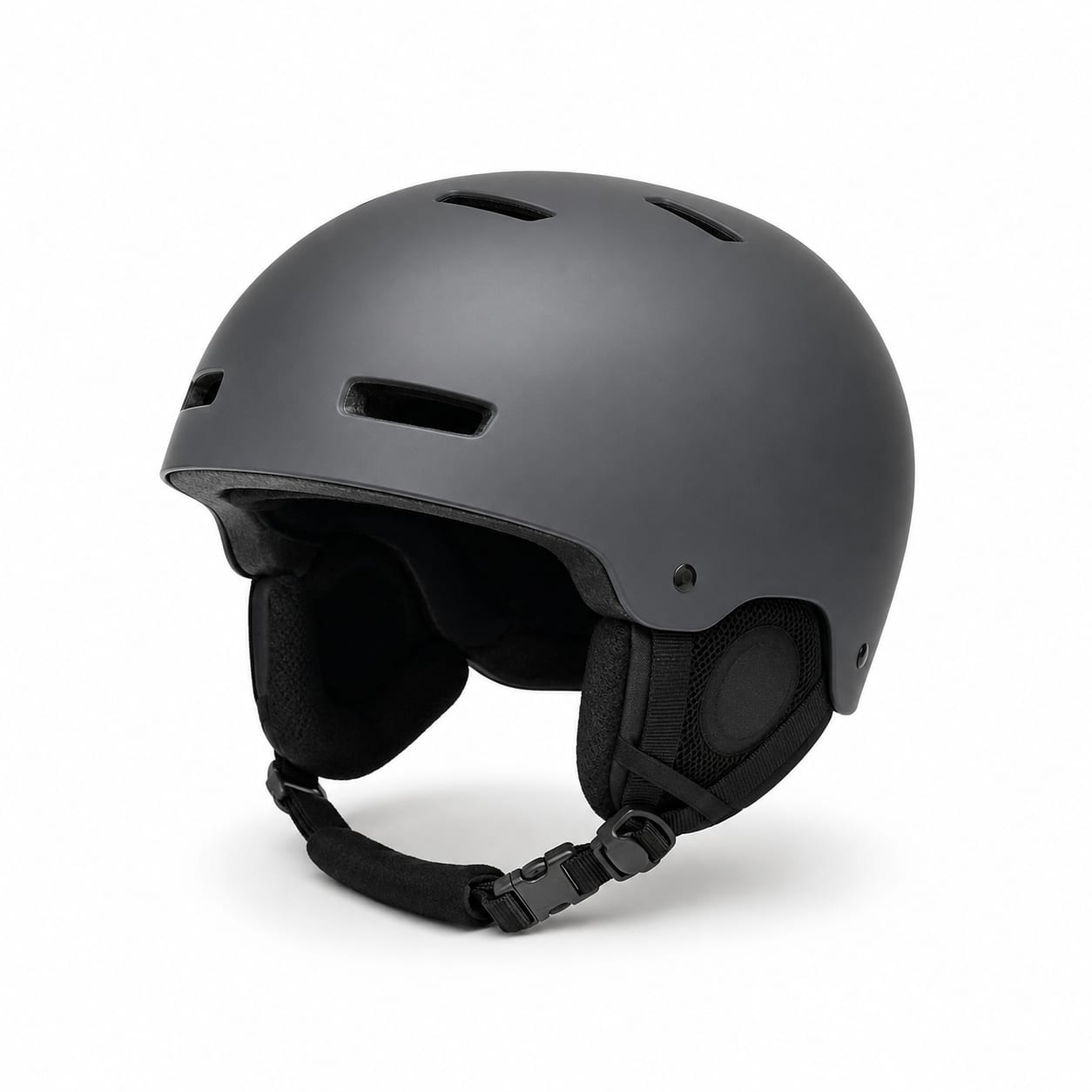
Freestyle/Park Helmet
$50 – $200
Low-profile helmets designed for terrain park skiing, pipe riding, and freestyle progression.
Low-profile skate-inspired shapeAudio-compatible ear padsDurable ABS or hybrid shell
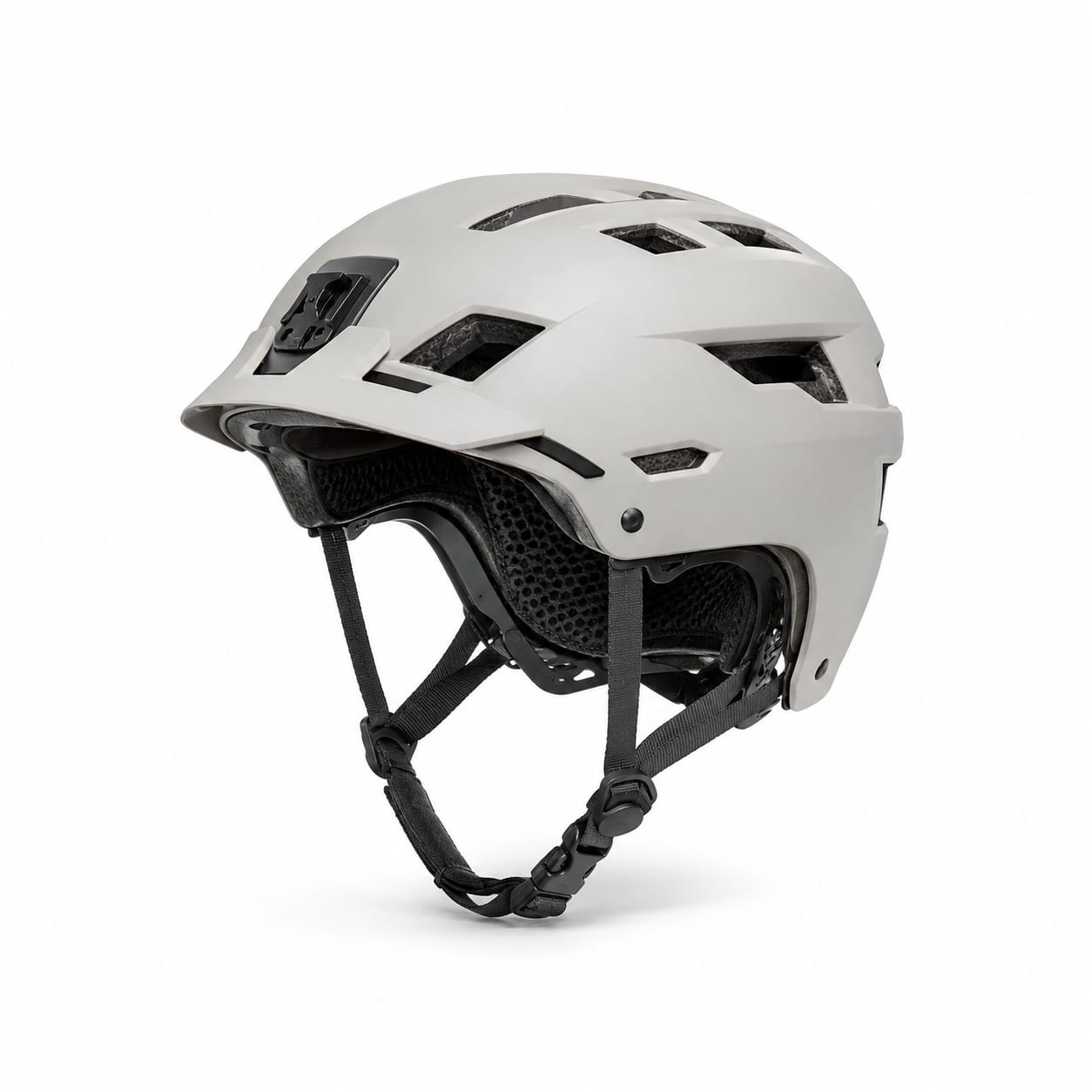
Backcountry/Touring Helmet
$100 – $320
Lightweight, well-ventilated helmets optimized for ski touring and off-piste descents.
Ultralight constructionExtensive ventilation systemsHeadlamp compatibility
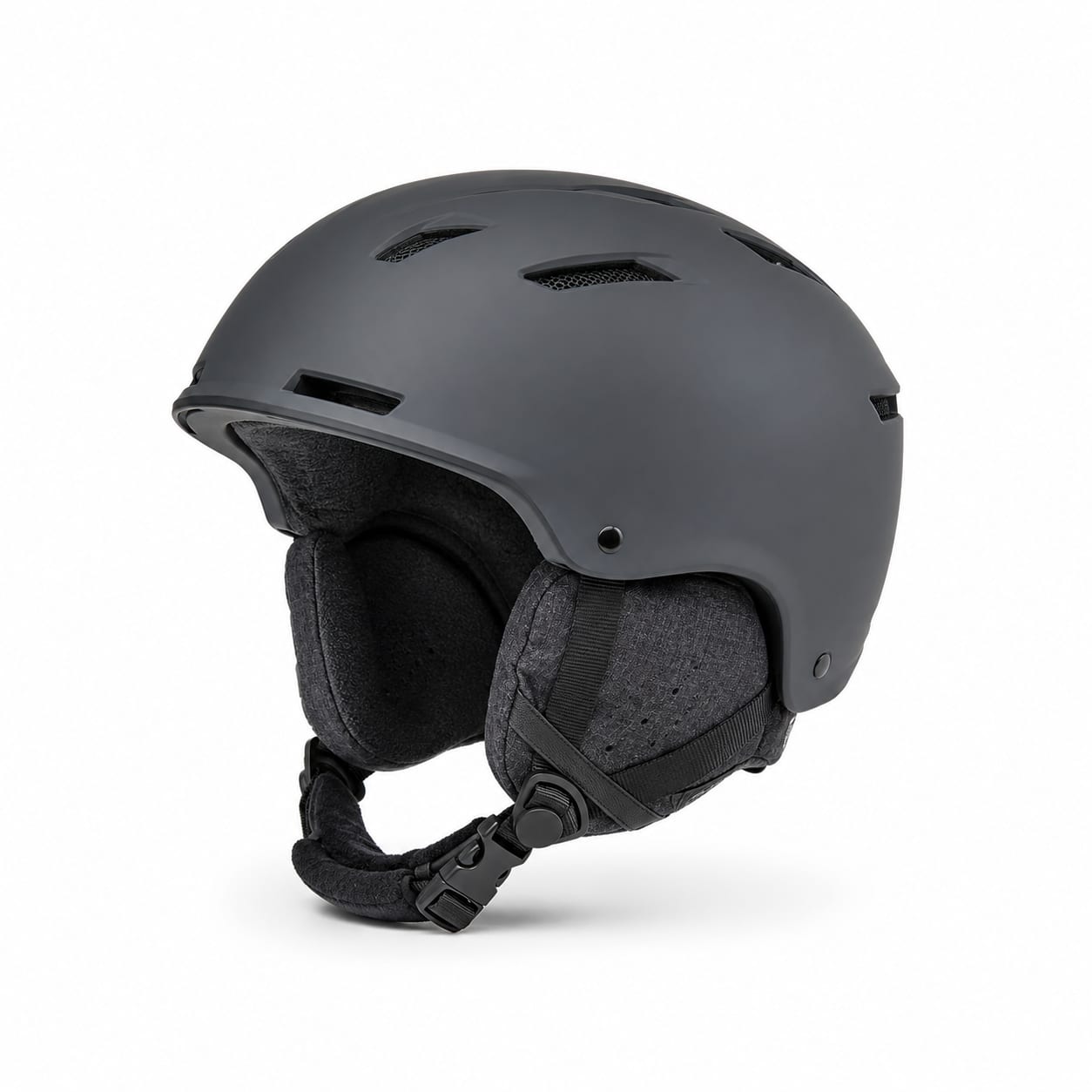
Half-Shell Ski Helmet
$50 – $250
Lightweight helmets with soft ear pads instead of hardshell ear coverage for enhanced comfort and hearing.
Soft removable ear padsLighter weight than full-shellBetter ambient hearing
More questions
- How do I know what size all-mountain ski helmet to buy?
- Is MIPS really worth the extra cost?
- How often should I replace my ski helmet?
- Can I use my all-mountain ski helmet for other activities like biking or skating?