
Measure your head circumference with a soft tape measure wrapped around the widest part of your head, just above your eyebrows and ears. Most adults fall into S (52-55cm), M (55-58cm), L (58-61cm), or XL (61-64cm). When trying on the helmet, it should be snug with no pressure points and should not shift when you shake your head. Always try it with your goggles to check for gaper gap. If you are between sizes, size down and use the fit dial to adjust.
Ski Helmet · All-Mountain Ski Helmet
How do I know what size all-mountain ski helmet to buy?
Related gear types
If this answer nudged you toward a different style, these guides compare specs and trade-offs.
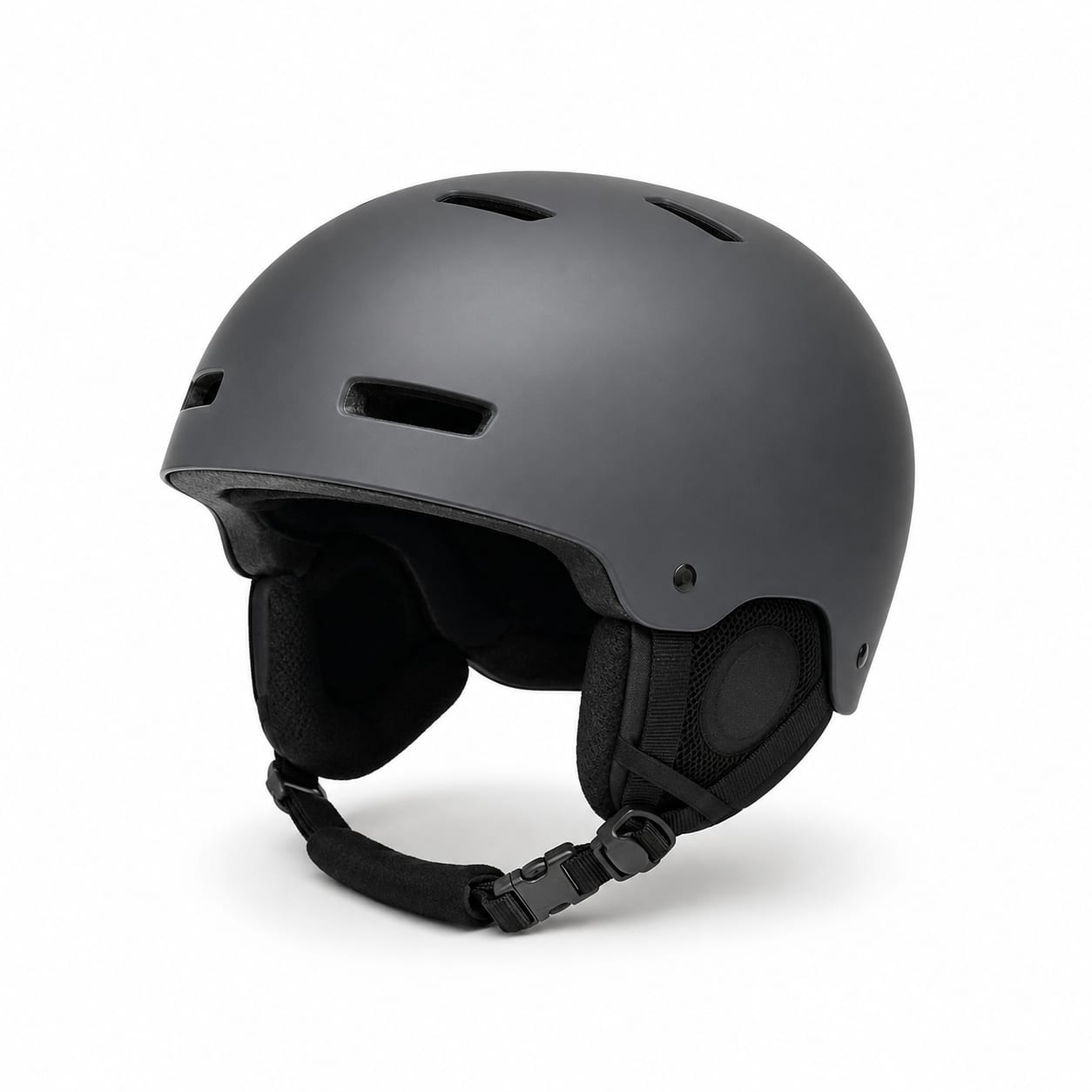
Freestyle/Park Helmet
$50 – $200
Low-profile helmets designed for terrain park skiing, pipe riding, and freestyle progression.
Low-profile skate-inspired shapeAudio-compatible ear padsDurable ABS or hybrid shell
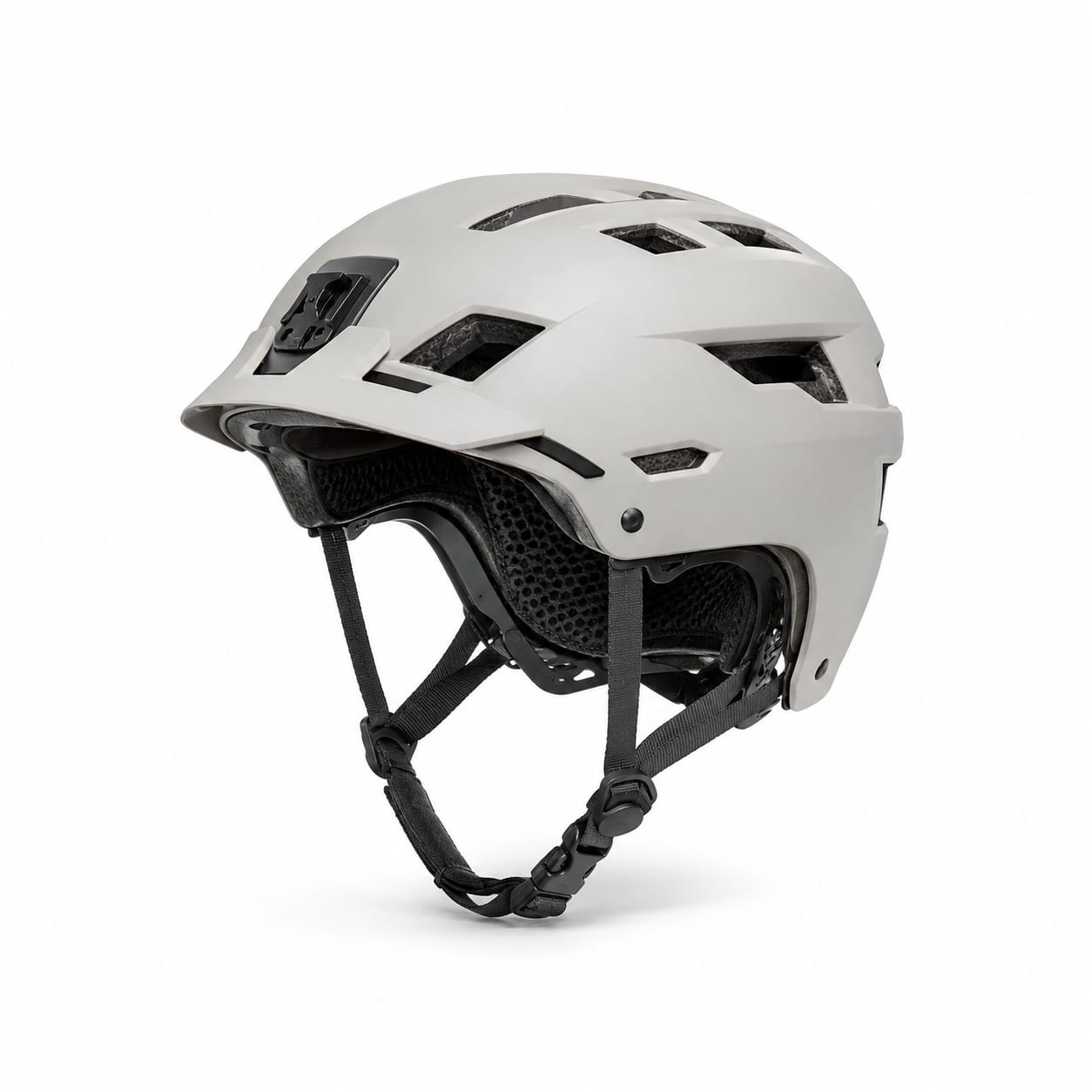
Backcountry/Touring Helmet
$100 – $320
Lightweight, well-ventilated helmets optimized for ski touring and off-piste descents.
Ultralight constructionExtensive ventilation systemsHeadlamp compatibility
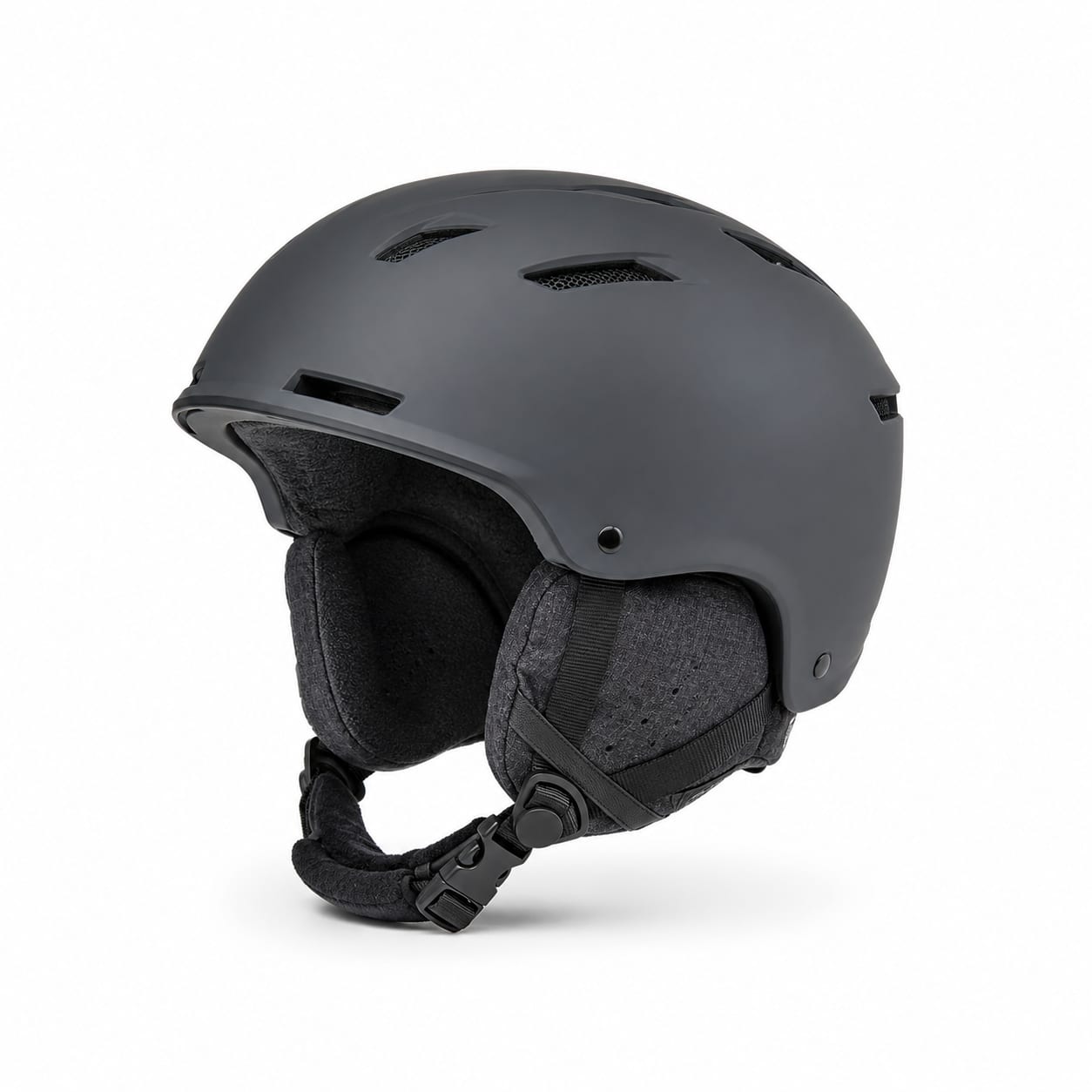
Half-Shell Ski Helmet
$50 – $250
Lightweight helmets with soft ear pads instead of hardshell ear coverage for enhanced comfort and hearing.
Soft removable ear padsLighter weight than full-shellBetter ambient hearing
More questions
- Is MIPS really worth the extra cost?
- How often should I replace my ski helmet?
- Can I use my all-mountain ski helmet for other activities like biking or skating?
- Why does my helmet fog my goggles, and how can I fix it?