What it means
The overall design and coverage category of the helmet, which determines the level of protection, ear coverage, and intended use environment.
Typical for this type
Half Shell
In practice
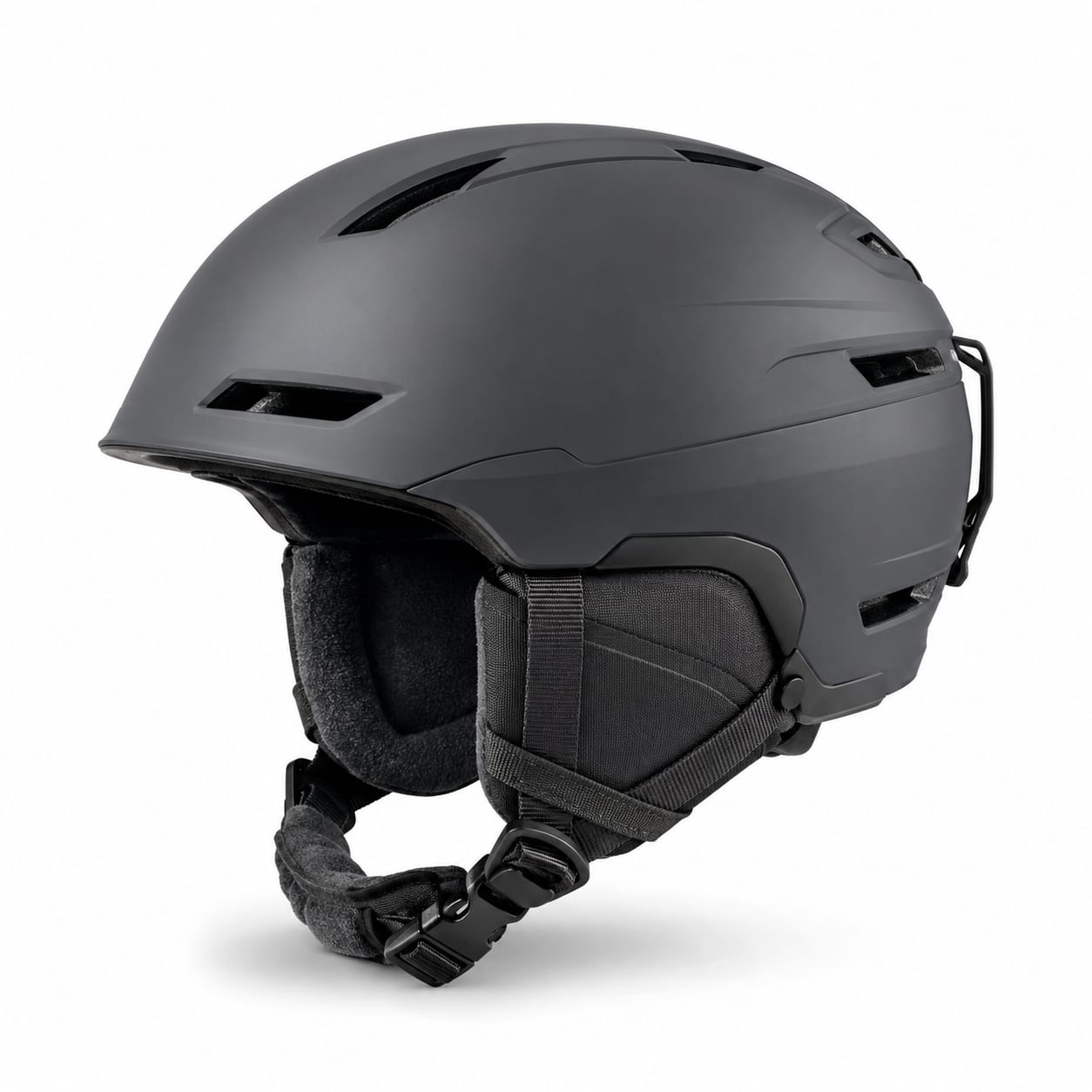
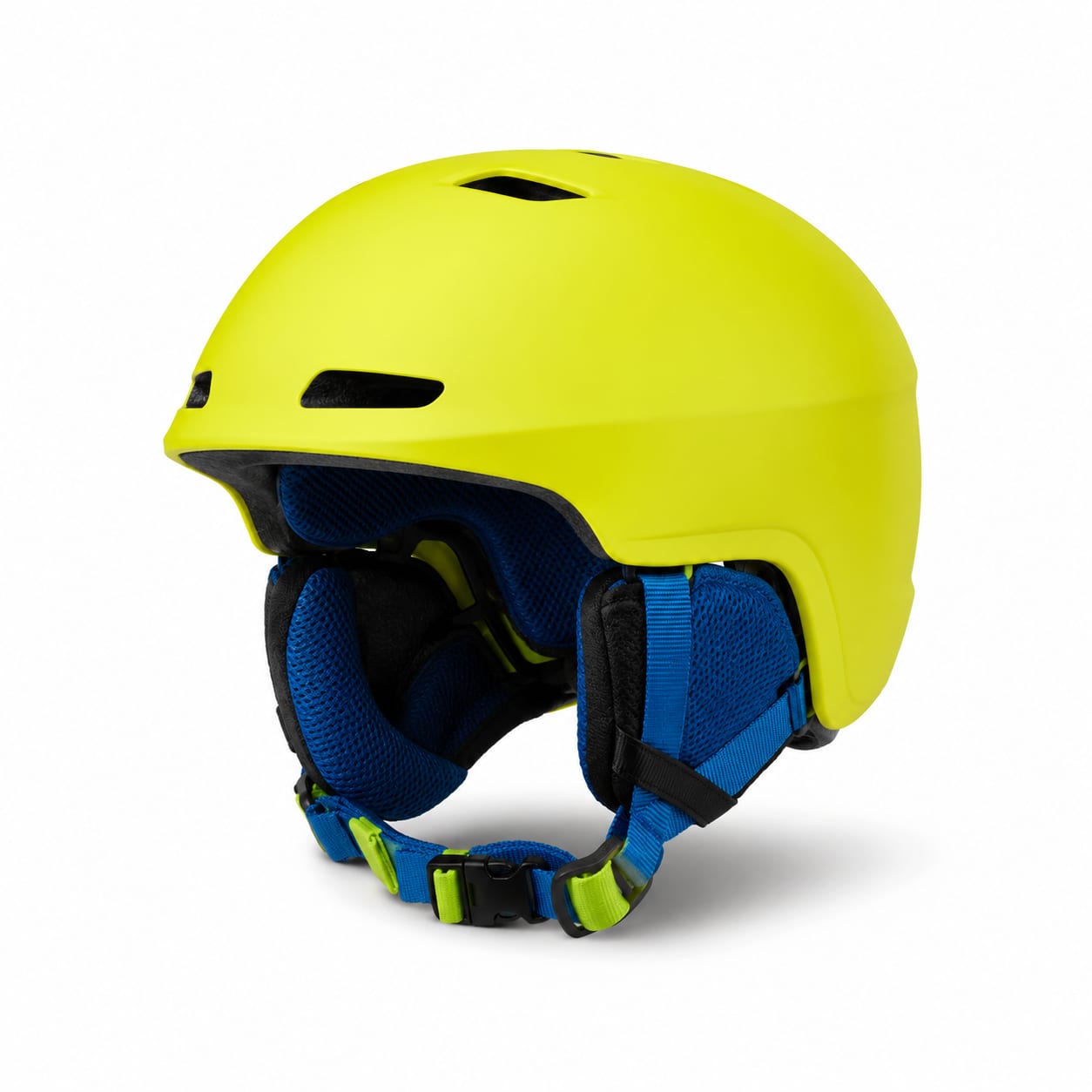
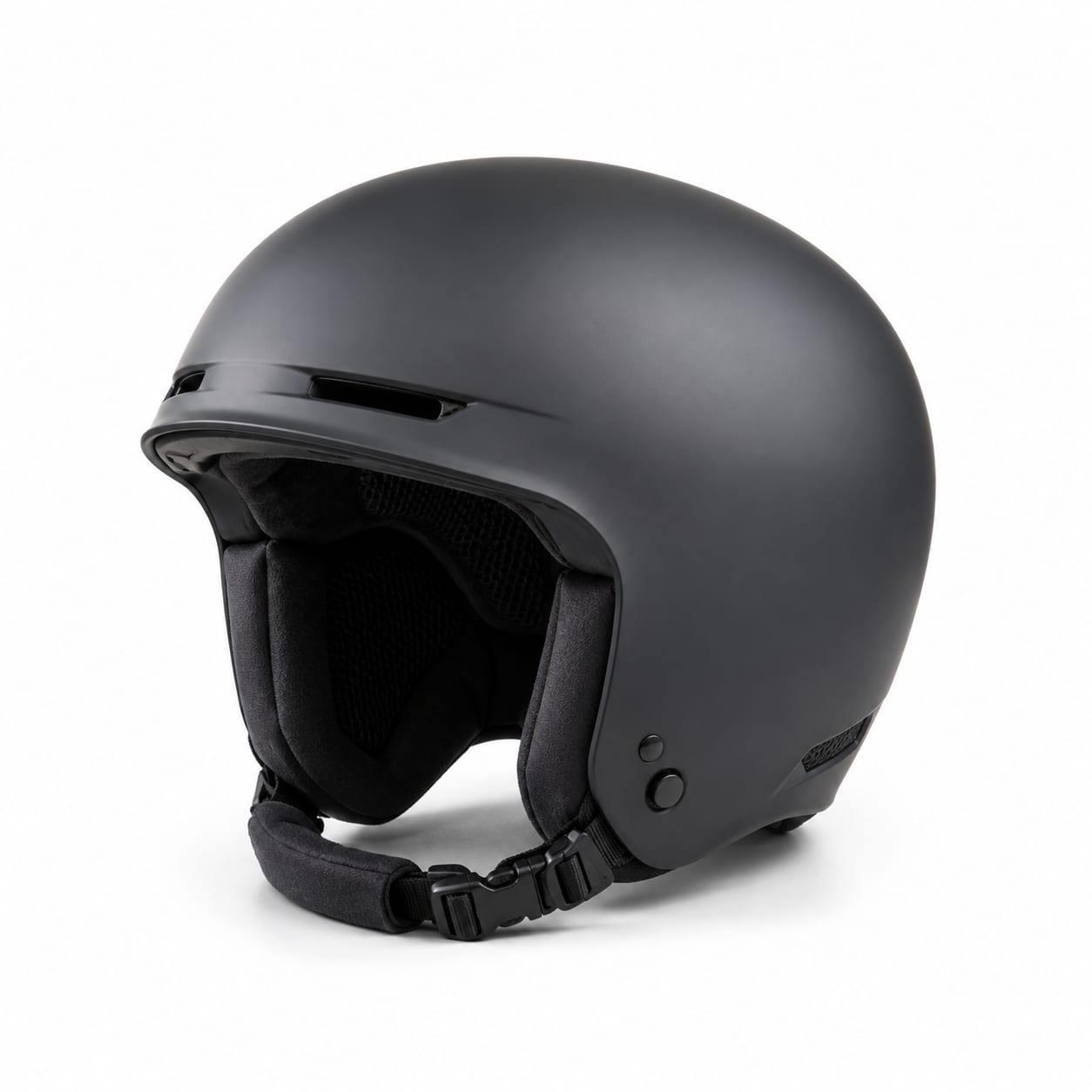
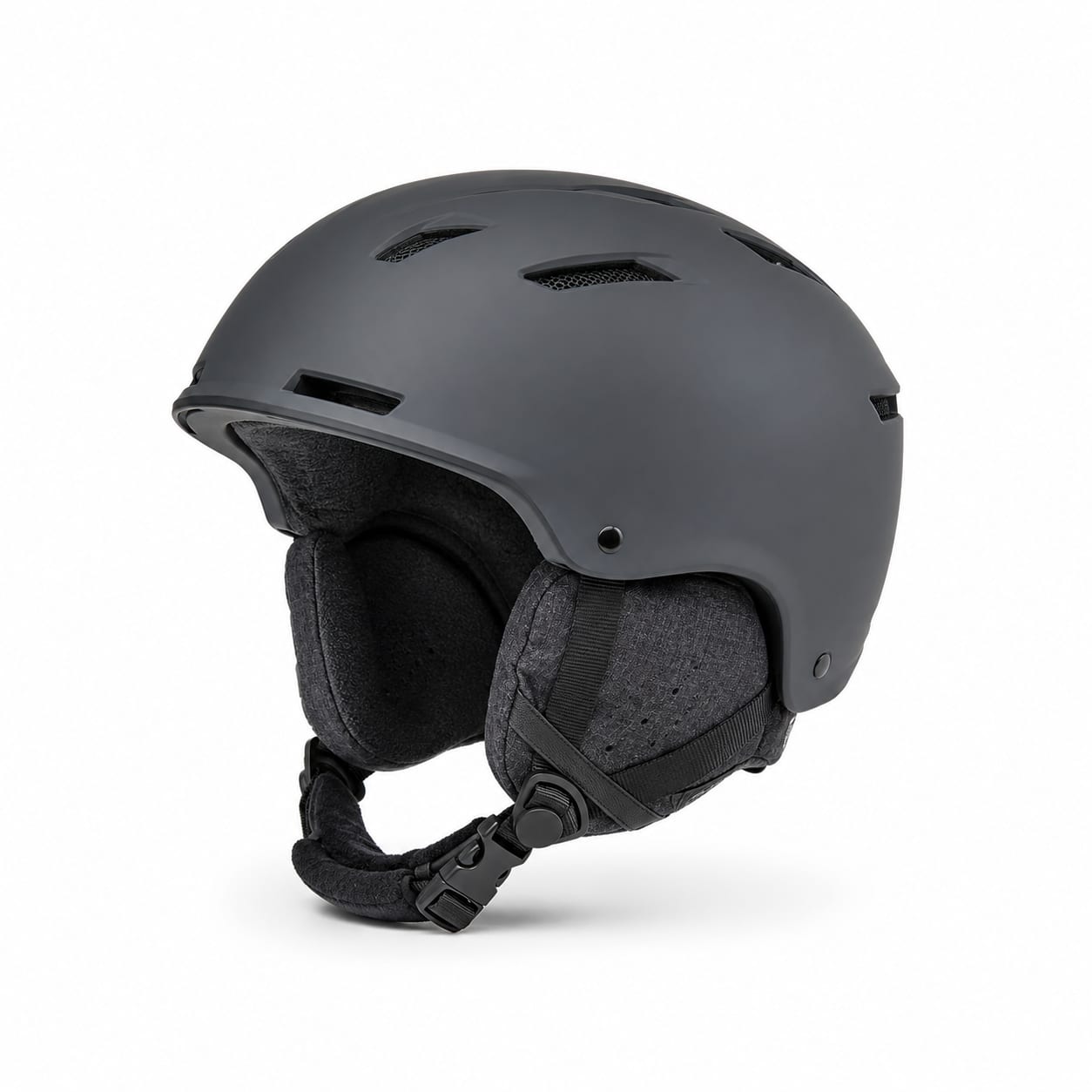
All-mountain ski helmets overwhelmingly use the half-shell / alpine style, which covers the top, sides, and back of the head with ear pads for warmth and protection. This style offers the best balance of coverage, ventilation, goggle compatibility, and comfort for resort skiing.
Compared to other types
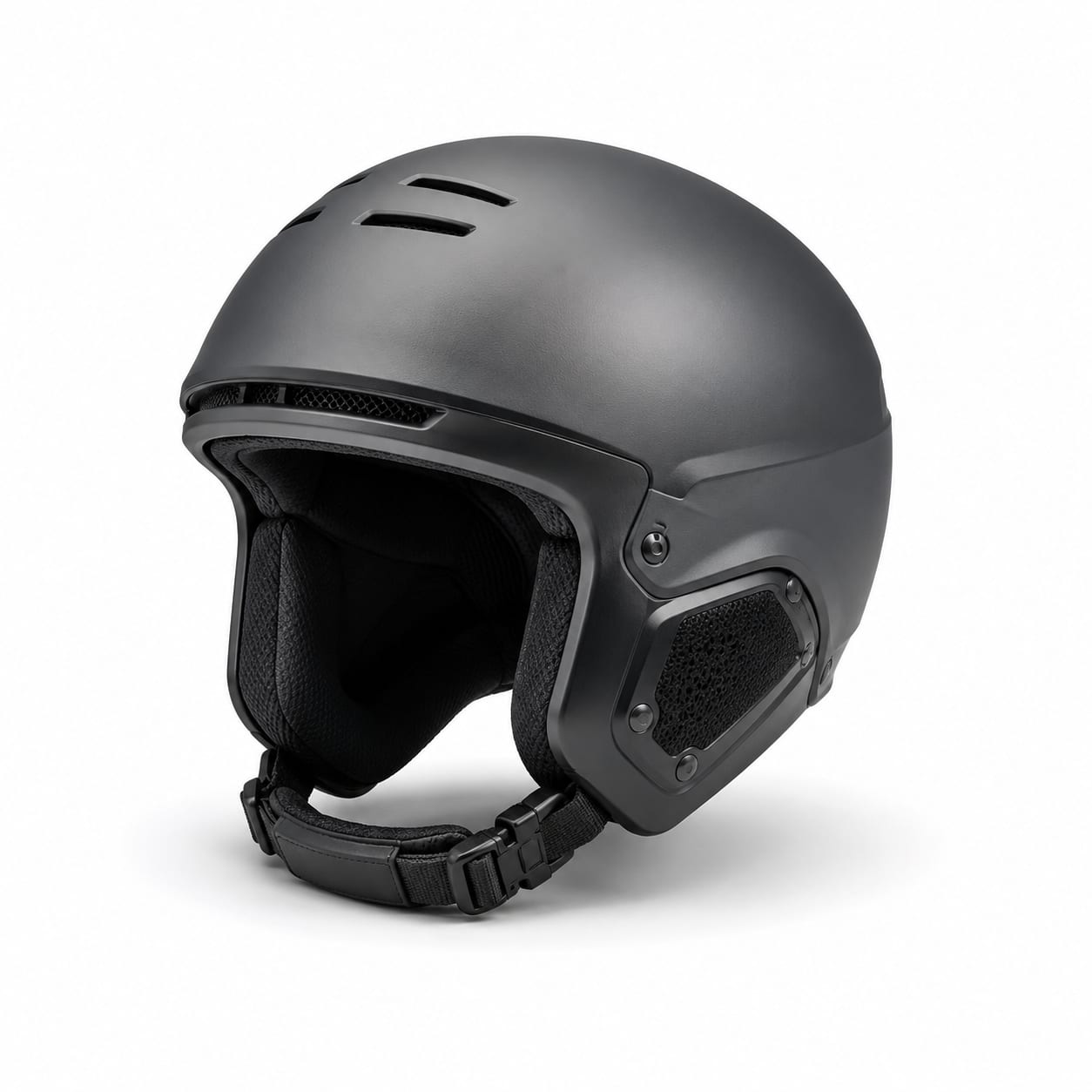
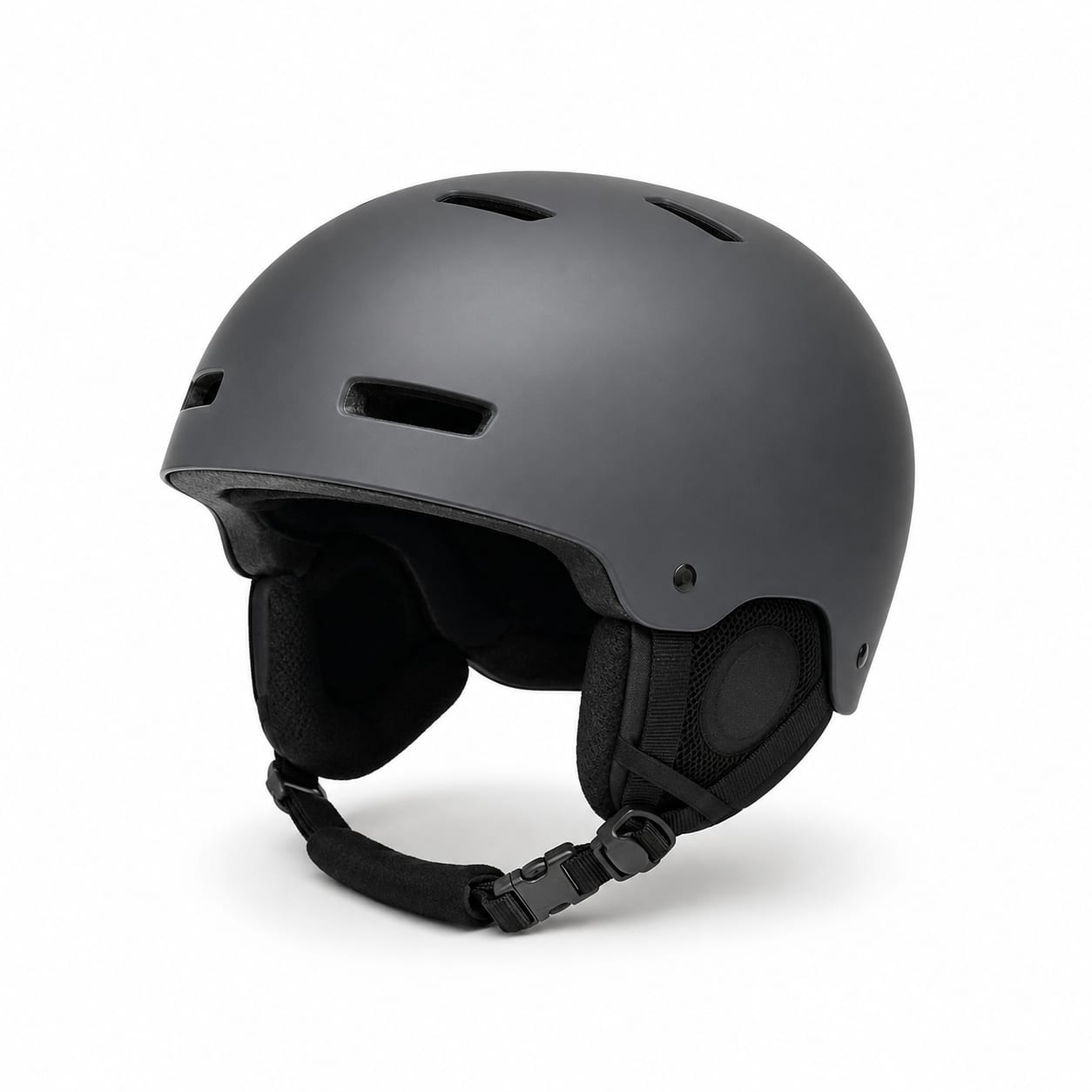
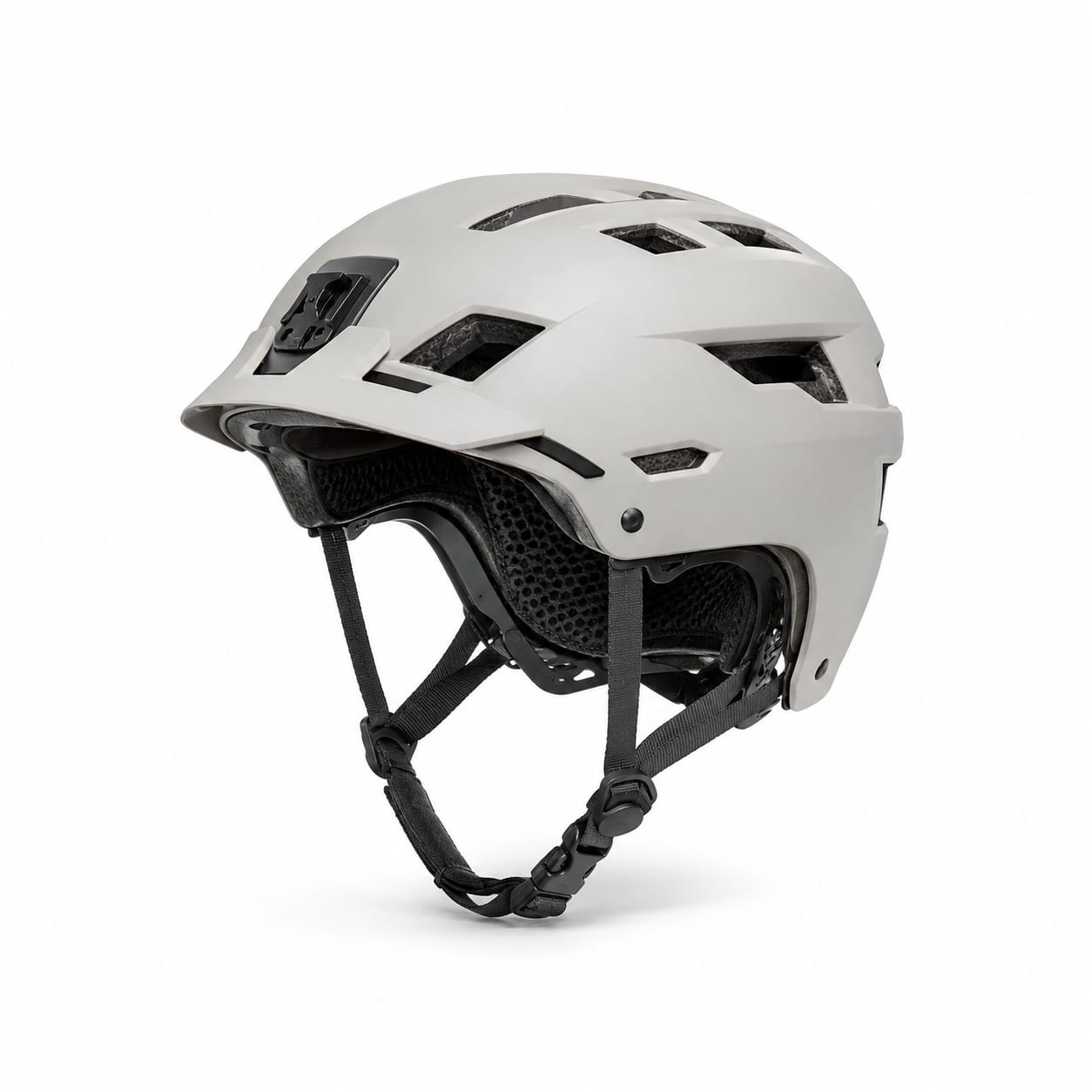
Unlike full-shell racing helmets that restrict vision and add jaw protection, or freestyle helmets that minimize insulation for a low-profile look, the half-shell all-mountain design prioritizes all-day comfort and versatility. Mountaineering helmets are lighter but sacrifice warmth and ear coverage that resort skiers need.
Why it matters: The half-shell style is the defining characteristic of all-mountain helmets. It provides sufficient coverage for the vast majority of resort skiing impacts while remaining comfortable and compatible with goggles throughout a full day on the mountain.
Size (Head Circumference)
Size (Head Circumference)
What it means
The head circumference measurement the helmet is designed to fit, typically measured in centimeters around the widest part of the head above the eyebrows.
Typical for this type
52-64 cm depending on individual head size
Most common pick: 55-58 cm (Medium)
In practice
All-mountain helmets are available across the full size range from XS (48-52cm) to XL (61-64cm). The most commonly sold size is Medium (55-58cm). Proper sizing is critical — the helmet should be snug with no pressure points and should not shift when you shake your head.
Compared to other types
All-mountain helmets offer the widest size range and most size increments of any ski helmet subcategory. Racing helmets often have fewer sizes and a more precise anatomic fit. Freestyle helmets tend to run slightly smaller and rounder in shape.
Why it matters: A helmet that is too loose can shift during a crash, exposing areas that should be protected. A helmet that is too tight creates pressure points that cause headaches and discomfort, making you less likely to wear it consistently.
Construction
Construction Type
What it means
The method used to join the outer shell and inner foam liner, which affects weight, durability, and impact absorption characteristics.
Typical for this type
Hybrid Or In Mold
In practice
Premium all-mountain helmets typically use hybrid construction, combining in-mold on the top for weight savings with hardshell on the lower portion for durability. Mid-range models often use full in-mold construction. Hardshell is reserved for budget models and rental fleets.
Compared to other types
All-mountain helmets are the primary users of hybrid construction. Racing helmets often use in-mold for minimum weight. Freestyle helmets frequently use hardshell for durability against repeated park impacts. Mountaineering helmets use in-mold for weight savings during long ascents.
Why it matters: Construction type affects the weight, durability, and price of the helmet. Hybrid offers the best balance — lightweight where it matters most and durable where the helmet takes the most abuse. In-mold is lighter but more prone to cosmetic damage. Hardshell is toughest but heaviest.
Rotational Protection
Rotational Impact Protection
What it means
Technology designed to reduce rotational forces on the brain during oblique impacts. Rotational forces are a leading cause of concussions and traumatic brain injuries in skiing.
Typical for this type
Mips (Strongly Recommended)
In practice
MIPS is the most common rotational protection system in all-mountain helmets, available across most brands and price points. It adds a low-friction layer that allows 10-15mm of relative movement between the helmet and head during angled impacts, reducing rotational forces on the brain.
Compared to other types
MIPS is standard across all subcategories. Koroyd is more common in premium all-mountain and freeride models from Smith. WaveCel is rare in ski helmets and primarily found in select Bontrager models. Racing helmets may use MIPS or proprietary systems. Budget freestyle and mountaineering helmets are the most likely to lack rotational protection.
Why it matters: Rotational forces from oblique impacts are a leading cause of concussions and traumatic brain injuries in skiing. MIPS and similar systems specifically address this risk, which standard EPS foam alone does not. The small price premium for MIPS is one of the best safety investments you can make.
Certification
Certification Standard
What it means
The safety certification standard(s) the helmet meets or exceeds. Different standards have different testing protocols and protection requirements.
Typical for this type
At Minimum CE EN1077 Class A Or ASTM F2040; Both Is Ideal
Most common pick: CE EN1077 Class A, ASTM F2040
In practice
Quality all-mountain helmets typically carry both CE EN1077 Class A (European standard with ear coverage testing) and ASTM F2040 (North American standard). Class A is preferred over Class B because it certifies the ear pads provide impact protection, not just warmth.
Compared to other types
Racing helmets may additionally carry Snell RS-98 certification for higher impact thresholds. Freestyle helmets with soft ear pads often carry only CE EN1077 Class B. Mountaineering helmets may carry climbing certifications (UIAA 106, CE EN12492) in addition to ski standards.
Why it matters: Certification ensures the helmet has been tested to recognized impact standards. Dual certification means the helmet meets safety requirements for both major markets. Class A EN1077 provides more comprehensive coverage testing than Class B, which is important for all-mountain helmets with ear pads.
Ventilation
Ventilation Type
What it means
The ventilation system design, which affects temperature regulation, fog prevention for goggles, and comfort in varying weather conditions.
Typical for this type
Adjustable (Strongly Recommended)
In practice
Adjustable vents are the hallmark feature of all-mountain helmets. They allow you to open vents for warm days or close them for cold, windy conditions. Most models have 8-14 vents controlled by one or two sliders that can be operated with gloves on.
Compared to other types
All-mountain helmets almost universally feature adjustable vents. Freestyle helmets often use fixed or passive channel ventilation for a cleaner look. Mountaineering helmets use fixed vents for consistent airflow during uphill effort. Racing helmets may have minimal or no ventilation for aerodynamics and warmth at speed.
Why it matters: Adjustable ventilation is critical for all-mountain skiing because conditions change throughout the day — cold mornings, sunny afternoons, wind exposure on ridges, and the heat generated by hiking to sidecountry terrain all demand different ventilation levels. Proper vent management also prevents goggle fogging.
What it means
The total weight of the helmet in grams. Lighter helmets reduce neck fatigue on long days but may sacrifice some features or durability.
Typical for this type
350-480 g
Most common pick: 380-450 g
In practice
A typical all-mountain helmet with MIPS, adjustable vents, and a dial fit system weighs between 380-450g in a size Medium. Lightweight in-mold models can approach 350g, while hybrid construction models with more features may reach 480g. Under 350g is exceptionally light; over 500g may cause neck fatigue.
Compared to other types
Mountaineering helmets are the lightest (280-370g) as weight is critical for uphill travel. Freestyle helmets are typically 350-420g for a low-profile feel. Racing helmets vary widely (350-600g) depending on whether they include chin guards. All-mountain helmets sit in the middle, balancing features and weight.
Why it matters: Weight affects comfort over long days. A 100g difference may not seem like much, but after 6 hours of skiing, a lighter helmet noticeably reduces neck fatigue. However, weight should never be prioritized over safety features like MIPS or proper fit.
Fit System
Fit Adjustment System
What it means
The mechanism used to fine-tune the helmet's fit to the head after selecting the appropriate size. A good fit system ensures the helmet stays securely in place during impacts.
Typical for this type
Dial Boa Or Ergo Dial
In practice
The BOA dial system is the gold standard for all-mountain helmets, allowing one-handed micro-adjustment even with gloves. A rear dial tightens an internal harness that distributes pressure evenly around the head. Most mid-range and premium models use this system.
Compared to other types
All-mountain and mountaineering helmets most commonly feature dial systems. Freestyle helmets sometimes use simpler pad systems for a lower profile. Racing helmets may use more elaborate harness systems. Budget helmets across all categories may lack any adjustment mechanism.
Why it matters: A dial fit system is essential for achieving a secure, precise fit that keeps the helmet properly positioned during impacts. It also allows easy adjustment when adding or removing a beanie, and lets you fine-tune fit on the fly. Helmets without dial systems rely on foam pads that compress over time and cannot be adjusted conveniently.
Goggle Fit
Goggle Compatibility
What it means
How well the helmet integrates with ski goggles, including the absence of a gaper gap, secure goggle strap attachment, and proper vent alignment to prevent fogging.
Typical for this type
Integrated Clip Or Matched System
In practice
Most all-mountain helmets feature an integrated goggle clip on the rear that securely holds the goggle strap in place. Premium models from brands like Smith, Oakley, and POC may offer matched systems designed to integrate seamlessly with their own goggle lines, eliminating gaper gap and aligning ventilation channels.
Compared to other types
All-mountain helmets prioritize goggle compatibility more than any other subcategory. Freestyle helmets may use silicone grip strips instead of clips for a cleaner look. Mountaineering helmets often have minimal goggle integration features. Racing helmets use specific goggle systems designed for aerodynamic integration.
Why it matters: Poor goggle integration leads to gaper gap (exposed forehead skin that gets cold and sunburned), goggle slippage, and misaligned ventilation that causes fogging. An integrated clip keeps your goggles secure through crashes and aggressive skiing. Matched systems provide the most seamless integration but limit goggle choice.
What it means
The style and removability of ear protection, which affects warmth, hearing ability, and versatility across seasons and conditions.
Typical for this type
Removable Insulated Or Removable Audio
In practice
Removable insulated ear pads are standard on all-mountain helmets, providing warmth in winter and the option to remove them for spring skiing or to convert the helmet for other activities. Audio-compatible versions with speaker pockets are also widely available.
Compared to other types
All-mountain helmets almost exclusively use removable ear pads. Freestyle helmets may have soft, minimal ear pads or none at all for a low-profile look. Racing helmets with full shells have integrated ear protection. Mountaineering helmets typically have minimal or no ear pads to reduce weight and improve hearing.
Why it matters: Removable ear pads dramatically extend the useful temperature range of the helmet and allow you to adapt to changing conditions. They also make the helmet usable for biking or skating in the off-season. Fixed ear pads limit versatility, and helmets without ear pads sacrifice warmth and side-impact protection.
What it means
The inner liner material that contacts the head, providing comfort, moisture management, and additional impact absorption.
Typical for this type
Eps Or Multi Density Eps
In practice
Standard EPS foam is the most common liner material in all-mountain helmets, providing proven impact absorption at a reasonable weight and cost. Premium models may use multi-density EPS that tunes firmness for different impact zones, or EPS with merino wool covers for improved moisture management and odor resistance.
Compared to other types
All-mountain helmets use the full range of liner materials. Koroyd+EPS hybrids are more common in premium all-mountain and freeride models. Mountaineering helmets may use lighter foam formulations. Racing helmets often use multi-density EPS for optimized protection at higher speeds.
Why it matters: The liner is what absorbs impact energy by permanently deforming. All certified EPS liners meet minimum safety standards. Multi-density and enhanced liners offer incremental improvements in impact tuning and comfort but come at higher prices. The most important factor is that the liner is intact and undamaged — any helmet that has taken a significant impact should be replaced.
Audio Compatible
Audio Compatible
What it means
Whether the helmet is designed to accommodate audio speakers or headphones, either with built-in speakers or compatible ear pads with speaker pockets.
Typical for this type
True (If Desired)
In practice
Most all-mountain helmets are audio-ready, meaning the ear pads have pockets designed to hold drop-in audio speakers. Speakers are typically sold separately by brands like Outdoor Tech, Chips, or the helmet manufacturer themselves. Some models come with audio ear pads included.
Compared to other types
All-mountain and freestyle helmets are the most likely to be audio-ready. Mountaineering helmets rarely support audio as hearing is critical for safety in the backcountry. Racing helmets do not support audio. The availability of audio-ready ear pads is one of the advantages of the removable ear pad system common in all-mountain helmets.
Why it matters: Audio capability lets you listen to music or communicate with friends on the mountain. However, it reduces your ability to hear other skiers, warnings, and safety signals. Use with caution and keep volume low enough to maintain situational awareness.
Washable Liner
Removable Washable Liner
What it means
Whether the interior padding and liner can be removed for washing, which affects hygiene and longevity of the helmet.
Typical for this type
True (Recommended)
In practice
Most mid-range and premium all-mountain helmets feature removable, washable interior padding and liners. This allows you to hand-wash the components that absorb sweat, improving hygiene and extending the life of the helmet. It also allows faster drying between ski days.
Compared to other types
All-mountain and freestyle helmets commonly feature removable liners. Mountaineering helmets often have minimal padding that may not be removable. Racing helmets may have fixed liners for a more precise, integrated fit. Budget helmets across categories may have fixed liners to reduce cost.
Why it matters: A sweaty helmet liner develops odor, harbors bacteria, and can degrade faster. Removable liners can be washed regularly, keeping the helmet fresh and comfortable. This is especially important if you ski frequently or loan your helmet to others.
Shell Material
Shell Material
What it means
The material used for the outer shell of the helmet, which affects durability, weight, and appearance.
Typical for this type
Polycarbonate (In-Mold) Or Hybrid Polycarbonate/ABS
In practice
Polycarbonate shells are standard for in-mold and hybrid all-mountain helmets, offering the best strength-to-weight ratio. ABS shells are used in hardshell budget models. Carbon fiber appears in ultra-premium models but is rare and expensive for the minimal weight savings it provides to recreational skiers.
Compared to other types
All-mountain helmets primarily use polycarbonate or hybrid polycarbonate/ABS. Freestyle helmets often use ABS for durability against park impacts. Mountaineering helmets use polycarbonate or composite for weight savings. Racing helmets may use carbon fiber for minimum weight at any cost.
Why it matters: Shell material affects weight, durability, and price. Polycarbonate provides an excellent balance — lightweight and adequately durable for normal use. ABS is tougher against dents and scratches but heavier. Carbon fiber is extremely light and strong but very expensive. All materials meet the same safety standards when properly constructed.
Number of Vents
Number of Vents
What it means
The total count of ventilation openings on the helmet. More vents provide better airflow but may reduce warmth.
Typical for this type
8-14 vents (adjustable)
Most common pick: 10-12 vents
In practice
All-mountain helmets typically feature 10-12 vents, with adjustable sliders controlling airflow. More vents (12-14) are better for warm-weather skiing, while fewer vents (8-10) provide more warmth for cold conditions. Since most all-mountain helmets have adjustable vents, the total count is less critical than the ability to open and close them.
Compared to other types
All-mountain helmets have moderate to high vent counts. Freestyle helmets may have fewer vents (6-10) for a cleaner profile. Mountaineering helmets often have extensive venting (12-18) for uphill heat management. Racing helmets may have very few vents (0-6) for aerodynamics and warmth at speed.
Why it matters: Vent count determines the maximum airflow potential. With adjustable vents, you can always reduce airflow, but you cannot increase it beyond what the fixed vent count allows. More vents give you a wider range of temperature management. Vent placement and internal channeling are equally important to raw count.
Brim or Visor
Brim / Visor
What it means
Whether the helmet includes a brim or visor for sun protection, weather deflection, and goggle integration.
Typical for this type
Personal Preference: Integrated Brim For Sun/Snow Protection, None For Minimalist Look
Most common pick: Integrated Brim Or None
In practice
All-mountain helmets come both with and without integrated brims. Brims help shade the goggles from sun glare and deflect snow and rain, which is useful in variable conditions. Many skiers prefer the cleaner look of a brimless helmet. The choice is primarily aesthetic and comfort-driven, not safety-related.
Compared to other types
Freeride and all-mountain helmets are the most likely to feature integrated brims. Freestyle helmets almost never have brims for a clean, skate-inspired look. Mountaineering helmets may have removable visors for sun protection at altitude. Racing helmets do not have brims as they interfere with aerodynamics and goggle integration.
Why it matters: A brim can reduce eye strain on sunny days and keep snow and rain off your goggles in stormy weather. However, it adds a small amount of weight and may interfere with some goggle shapes. Most skiers can be happy with either option — it comes down to personal preference and typical conditions.
Buckle Type
Chin Strap Buckle Type
What it means
The type of buckle used on the chin strap, which affects ease of use, especially with gloves, and security of the closure.
Typical for this type
Fidlock (Preferred) Or Side Release
In practice
Premium all-mountain helmets increasingly feature Fidlock magnetic buckles that snap closed automatically and release with a sideways slide. This system is dramatically easier to use with gloves than traditional side-release buckles. Mid-range models may still use side-release buckles, which are reliable but less convenient.
Compared to other types
Fidlock buckles are increasingly standard across all-mountain and freestyle helmets. Mountaineering helmets may use side-release buckles for simplicity and reliability. Racing helmets sometimes use double D-ring closures for maximum security, though these are inconvenient for recreational use.
Why it matters: Buckle type affects daily convenience more than safety — both types are secure when properly fastened. However, a buckle that is difficult to operate with gloves may lead to improper fastening or the temptation to skip it entirely, which is dangerous. Fidlock buckles remove this friction point.