
Ski Helmet · FAQ
Questions about Full-Shell Ski Helmet
Straight answers on fit, specs, and when this type makes sense — each topic has its own page with links back to the buying guide.
Open Full-Shell Ski Helmet guide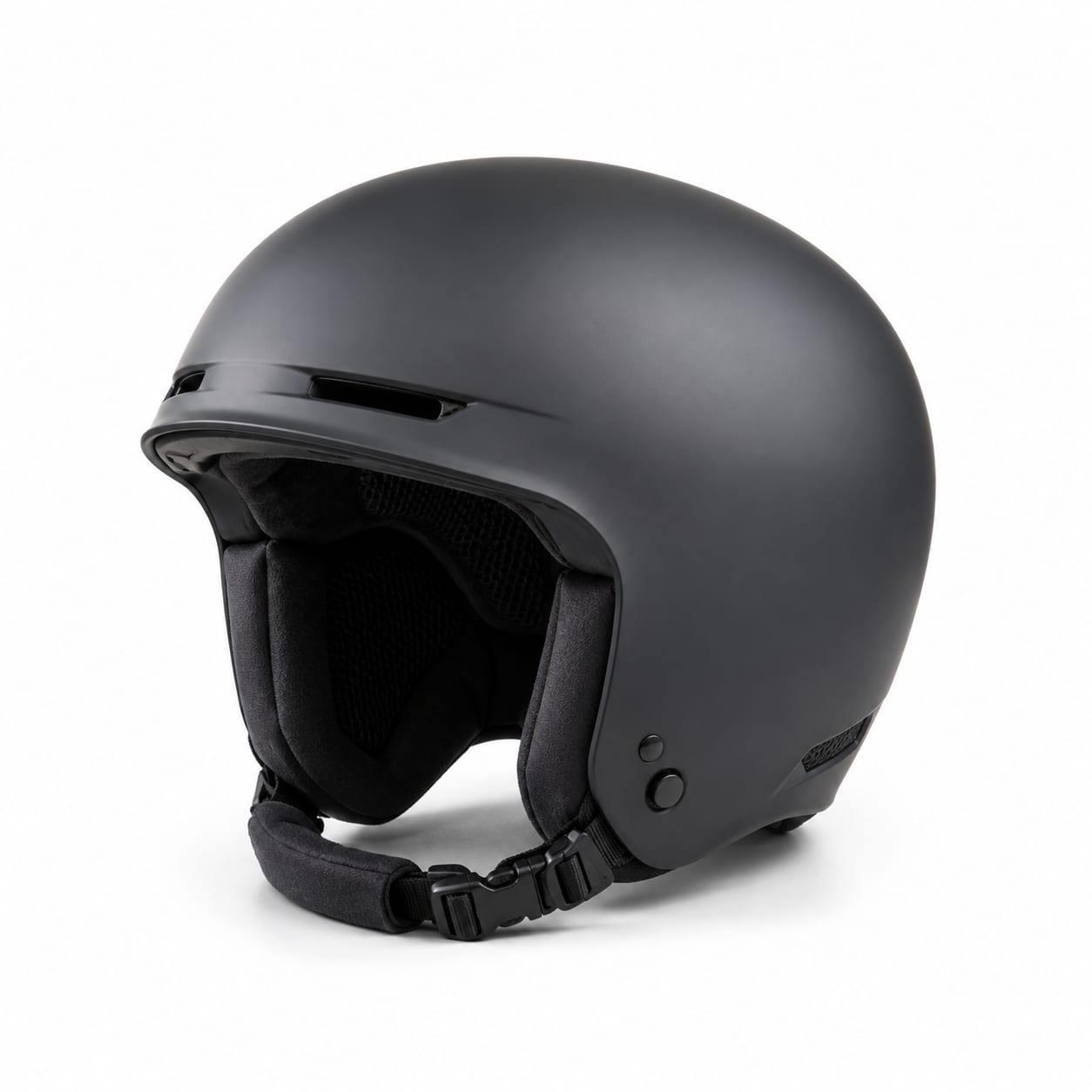
6 topics
Pick a question
Every answer links to the full subcategory guide and related gear types when it helps you decide.
Do I need a full-shell helmet for recreational skiing?
No. Full-shell helmets are designed specifically for competitive ski racing and are not recommended for recreational skiing. They are heavier, hotter, and restrict peripheral vision — all significant drawbacks for general resort skiing. A high-quality half-shell helmet with MIPS provides excellent protection for recreational skiing with much better comfort and versatility.
Read answer →02What is the chin guard for on a full-shell helmet?
The chin guard protects the lower jaw and face from impacts during racing. In speed disciplines, racers can hit slalom gates at high speeds, and the gate can strike the face forcefully. The chin guard also provides protection in crashes where the face might contact the snow surface, equipment, or course features. It is a critical safety feature for racing but unnecessary for recreational skiing.
Read answer →03Are full-shell helmets safer than half-shell helmets?
Full-shell helmets provide more coverage and are better at protecting against the specific hazards of racing (gate strikes, high-speed impacts, facial injuries). However, 'safer' depends on context. For racing, yes — they provide necessary protection. For recreational skiing, a well-fitted half-shell helmet with MIPS is the appropriate safety choice. Using a full-shell helmet recreationally may actually increase risk due to restricted vision and the temptation to ski without it because it's uncomfortable.
Read answer →04Can I remove the chin guard and use a full-shell helmet like a half-shell?
Some full-shell helmets have removable chin guards, but removing the chin guard does not convert the helmet into a half-shell. The helmet will still be heavier, less ventilated, and more restrictive than a purpose-built half-shell helmet. If the chin guard is removable, check whether the helmet maintains its certification with the guard removed — some do not.
Read answer →05What certifications should I look for in a racing helmet?
At minimum, look for CE EN1077 Class A certification. For higher-level racing, Snell RS-98 certification indicates superior impact protection that exceeds mandatory standards. Check your specific racing organization's rules, as FIS and national governing bodies may have specific certification requirements that must be met for competition eligibility.
Read answer →06How tight should a full-shell racing helmet fit?
A full-shell racing helmet should fit snugly with no movement when you shake your head vigorously. You should be able to wear a thin balaclava underneath, but the helmet should not shift or rotate independently of your head. The chin strap should be tight enough that you can only fit one finger between the strap and your chin. A loose helmet at racing speeds is dangerous — it can rotate during a crash and fail to protect the intended areas.
Read answer →