What it means
The overall design and coverage category of the helmet, which determines the level of protection, ear coverage, and intended use environment.
Typical for this type
Full Shell (This Is The Defining Characteristic Of This Subcategory)
In practice
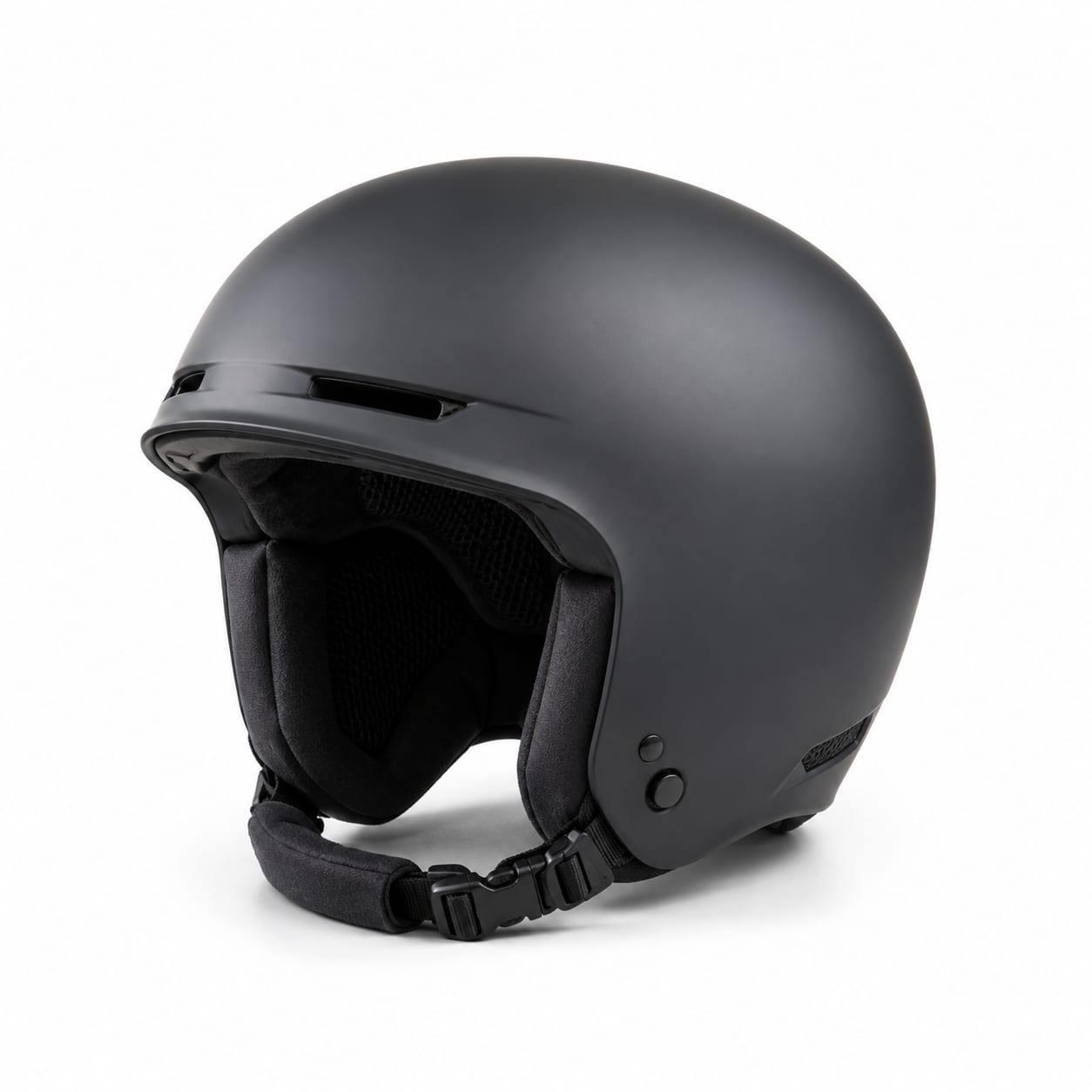
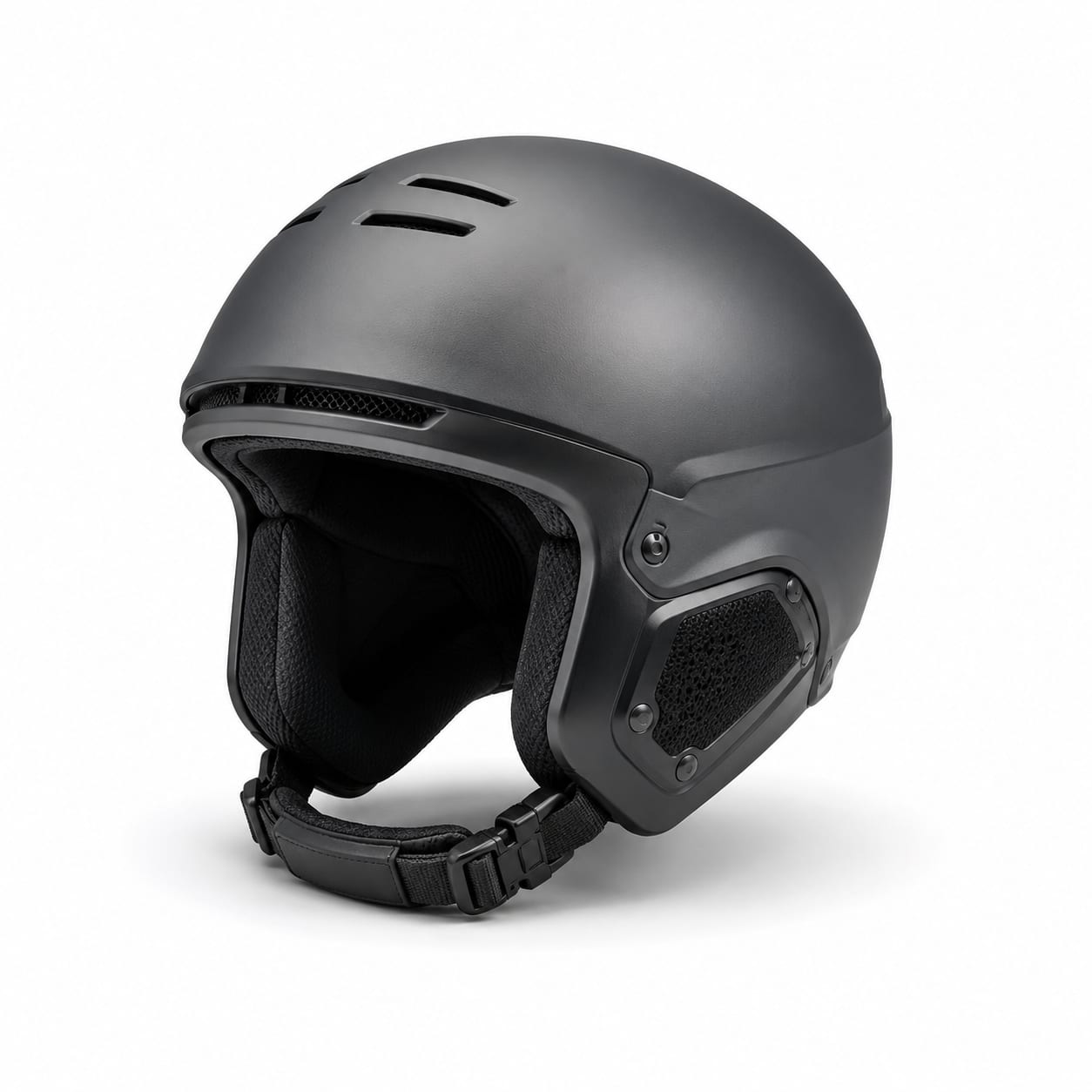
Full-shell helmets are defined by their complete coverage including an integrated chin guard that protects the lower jaw and face. The shell extends lower around the head than any other ski helmet style.
Compared to other types
Unlike half-shell helmets which cover only the top and sides, or freestyle helmets with minimal profiles, full-shell helmets enclose the entire head and jaw. This provides significantly more protection but at the cost of weight, ventilation, and comfort.
Why it matters: The full-shell style is mandatory for FIS speed events and provides the highest level of protection available in ski helmets. The chin guard prevents facial and dental injuries from gate strikes and crash impacts.
Size (Head Circumference)
Size
What it means
The head circumference measurement the helmet is designed to fit, typically measured in centimeters around the widest part of the head above the eyebrows.
Typical for this type
52-64 cm depending on individual head circumference
Most common pick: M (55-58 Cm) Or L (58-61 Cm)
In practice
Full-shell helmets follow the same head circumference sizing as other ski helmets but must fit more precisely due to the high speeds and forces involved in racing. A race-tight fit with no movement is essential.
Compared to other types
Sizing range is similar to half-shell helmets, but the fit must be tighter and more precise. Full-shell helmets are less forgiving of sizing errors because there is no ear pad compression to compensate for slight mismatches.
Why it matters: An improperly fitted full-shell helmet can shift during a crash, exposing the jaw or temples to impact. At racing speeds, even small gaps between the helmet and head can allow dangerous helmet rotation.
Construction
Construction Type
What it means
The method used to join the outer shell and inner foam liner, which affects weight, durability, and impact absorption characteristics.
Typical for this type
Hardshell (Standard), Hybrid (Premium Models)
In practice
Hardshell ABS construction dominates the full-shell category because it provides the durability needed to withstand repeated gate strikes and the structural rigidity required for the chin guard. The thick ABS shell resists denting and cracking from the routine impacts of race training.
Compared to other types
Half-shell and freestyle helmets commonly use in-mold construction for weight savings, but this is rare in full-shell helmets. The thin polycarbonate shells of in-mold helmets would not survive the gate impacts and rough handling of racing environments.
Why it matters: Racing helmets endure far more surface impacts from slalom gates, glancing blows, and equipment handling than recreational helmets. Hardshell construction ensures the helmet maintains its protective shape and structural integrity throughout a race season.
Rotational Protection
Rotational Impact Protection
What it means
Technology designed to reduce rotational forces on the brain during oblique impacts. Rotational forces are a leading cause of concussions and traumatic brain injuries in skiing.
Typical for this type
MIPS Preferred; Some Models Still Have None
Most common pick: Mips
In practice
MIPS is increasingly available in full-shell racing helmets, though adoption has been slower than in recreational models. The tight fit requirements and integrated chin guard make it more challenging to engineer MIPS into full-shell designs, but most major racing helmet manufacturers now offer MIPS-equipped models.
Compared to other types
MIPS is more widely available in half-shell and freestyle helmets. Full-shell helmets have been slower to adopt rotational protection due to engineering challenges, but the safety benefit at racing speeds arguably makes it even more important in this category.
Why it matters: Racing crashes at high speeds generate enormous rotational forces. MIPS can reduce the rotational energy transmitted to the brain during oblique impacts, which are common when a racer catches an edge or impacts a gate at speed.
Certification
Certification Standard
What it means
The safety certification standard(s) the helmet meets or exceeds. Different standards have different testing protocols and protection requirements.
Typical for this type
CE EN1077 Class A (Minimum), Snell RS-98 (Preferred For Racing)
Most common pick: CE EN1077 Class A + ASTM F2040
In practice
Full-shell helmets must meet CE EN1077 Class A due to their full coverage design. Many also carry ASTM F2040 certification for the North American market. Snell RS-98 certification is found on higher-end racing models and indicates superior impact protection that exceeds mandatory standards.
Compared to other types
Full-shell helmets always carry Class A certification due to their full coverage, whereas half-shell and freestyle helmets may only have Class B. The Snell RS-98 standard is more commonly pursued in full-shell helmets because racers demand the highest protection levels.
Why it matters: FIS and most racing organizations require helmets to meet specific certification standards. CE EN1077 Class A is the baseline, and Snell RS-98 provides an additional margin of safety for the extreme forces in speed disciplines.
Ventilation
Ventilation Type
What it means
The ventilation system design, which affects temperature regulation, fog prevention for goggles, and comfort in varying weather conditions.
Typical for this type
Fixed (Most Common), Passive Channel (Some Models)
In practice
Full-shell helmets typically have small fixed vents that provide minimal airflow. The sealed construction required for maximum protection and the chin guard design limit the number and size of ventilation openings. Adjustable vents are extremely rare in this category.
Compared to other types
Half-shell helmets commonly feature adjustable vents with 8-14 openings. Full-shell helmets may have only 2-6 small fixed vents, resulting in significantly less airflow and a much higher tendency to overheat during sustained activity.
Why it matters: Limited ventilation is a significant drawback for all-day use but acceptable for the short duration of race runs. Racers accept the heat buildup as a trade-off for the protection and aerodynamic profile that sealed construction provides.
What it means
The total weight of the helmet in grams. Lighter helmets reduce neck fatigue on long days but may sacrifice some features or durability.
Typical for this type
480-650g
Most common pick: 550g
In practice
Full-shell helmets are the heaviest ski helmet category due to their extensive coverage, chin guard, and hardshell construction. Typical weights range from 480g for premium carbon fiber models to over 650g for standard ABS construction with full features.
Compared to other types
Half-shell helmets typically weigh 350-500g, making full-shell helmets 100-200g heavier on average. This weight difference is noticeable over extended wear and contributes to faster neck fatigue compared to lighter helmet styles.
Why it matters: The additional weight is a direct result of the protective coverage and structural requirements. At racing speeds, the weight is less noticeable during short runs but can cause significant neck fatigue during training sessions with multiple runs.
Fit System
Fit Adjustment System
What it means
The mechanism used to fine-tune the helmet's fit to the head after selecting the appropriate size. A good fit system ensures the helmet stays securely in place during impacts.
Typical for this type
Dial/BOA System Preferred, Ergo Dial Acceptable
Most common pick: Dial Boa
In practice
Modern full-shell racing helmets increasingly use dial-based fit systems for precise adjustment. The tight fit required for racing makes micro-adjustment capability important. Some traditional racing helmets rely on precise sizing with minimal padding instead of mechanical adjustment.
Compared to other types
Dial fit systems are equally common in half-shell helmets but serve a different purpose — comfort and versatility in recreational helmets versus precision and security in racing helmets. Pad-based systems found in budget helmets are generally inadequate for the fit precision racing demands.
Why it matters: A secure, movement-free fit is critical at racing speeds. A dial system allows racers to achieve the precise tension needed and make quick adjustments between runs as conditions or under-helmet layers change.
Goggle Fit
Goggle Compatibility
What it means
How well the helmet integrates with ski goggles, including the absence of a gaper gap, secure goggle strap attachment, and proper vent alignment to prevent fogging.
Typical for this type
Matched Brand System (Ideal), Integrated Clip (Acceptable)
Most common pick: Matched System
In practice
Full-shell helmets are designed to work with specific racing goggles, often from the same brand. The goggle opening is precisely shaped to eliminate any gap that could allow wind, ice, or debris inside at racing speeds. The integrated shape also reduces aerodynamic drag.
Compared to other types
Half-shell helmets are generally more forgiving of goggle brand mixing. Full-shell helmets have a specific goggle aperture shape that may not accommodate all goggle designs, making brand-matched systems strongly recommended.
Why it matters: At racing speeds, even a small gap between helmet and goggles can channel freezing air directly onto the face and eyes, causing tearing and impaired vision. A seamless helmet-goggle interface is essential for both comfort and safety in speed disciplines.
What it means
The style and removability of ear protection, which affects warmth, hearing ability, and versatility across seasons and conditions.
Typical for this type
None (Standard For Full-Shell Racing Helmets)
Most common pick: None
In practice
Full-shell helmets do not have traditional ear pads. The rigid shell extends over the ear area as part of the complete protective enclosure. Some models have thin foam padding inside the shell around the ears for comfort, but this is not removable like ear pads on other helmet styles.
Compared to other types
Half-shell and freestyle helmets feature removable insulated or audio-compatible ear pads for versatility. Full-shell helmets sacrifice this modularity for the structural and aerodynamic benefits of rigid ear coverage.
Why it matters: The rigid ear coverage is part of the full-shell protection system and contributes to the helmet's ability to meet CE EN1077 Class A certification. It also provides a more aerodynamic profile than padded ear coverage.
What it means
The inner liner material that contacts the head, providing comfort, moisture management, and additional impact absorption.
Typical for this type
EPS Foam (Standard), Multi-Density EPS (Premium)
Most common pick: Eps
In practice
Standard EPS foam is the most common liner material in full-shell helmets. Multi-density EPS is found in premium racing models, offering optimized impact absorption across different force levels. Koroyd and merino wool liners are rare in this category.
Compared to other types
Half-shell helmets have more variety in liner materials including Koroyd and merino options. Full-shell helmets tend to use proven EPS-based liners because the primary design priority is impact performance rather than comfort features like moisture management.
Why it matters: The liner must absorb extreme impact forces in racing crashes. Multi-density EPS can provide better protection across the range of impact severities encountered in speed disciplines, from lower-speed training falls to high-speed race crashes.
Audio Compatible
Audio Ready
What it means
Whether the helmet is designed to accommodate audio speakers or headphones, either with built-in speakers or compatible ear pads with speaker pockets.
Typical for this type
Not Applicable For Racing Use
Most common pick: False
In practice
Full-shell racing helmets are not designed for audio integration. The rigid construction, lack of ear pads, and focus on maximum protection leave no provision for speakers or headphones. Audio capability would be counterproductive in racing where awareness of course conditions and coaches' instructions is critical.
Compared to other types
Half-shell and freestyle helmets frequently offer audio-compatible ear pads. This feature is essentially non-existent in full-shell helmets and would be inappropriate for their intended use.
Why it matters: Audio is irrelevant for the racing application these helmets are designed for. Racers need full situational awareness including the ability to hear course conditions, other racers, and coaching communication.
Washable Liner
Removable Washable Liner
What it means
Whether the interior padding and liner can be removed for washing, which affects hygiene and longevity of the helmet.
Typical for this type
Not Typical; Most Full-Shell Helmets Have Fixed Liners
Most common pick: False
In practice
Most full-shell racing helmets have fixed, non-removable EPS liners. The tight tolerances required for racing fit and the structural integration of the liner with the shell make removable liners impractical in this category.
Compared to other types
Half-shell helmets more commonly feature removable, washable liners for convenience and hygiene. Full-shell helmets prioritize structural integrity and precise fit over washability.
Why it matters: A fixed liner maintains the precise fit needed for racing but makes cleaning more difficult. Racers typically address hygiene by wearing a washable balaclava or race hood between the head and helmet liner.
Shell Material
Shell Material
What it means
The material used for the outer shell of the helmet, which affects durability, weight, and appearance.
Typical for this type
ABS (Standard), Carbon Fiber (Premium/Racing), Composite (Mid-Range)
Most common pick: Abs
In practice
ABS plastic is the most common shell material for full-shell helmets due to its toughness and ability to withstand gate strikes. Carbon fiber is used in premium racing models where weight savings are critical. Composite fiberglass shells appear in some mid-range models.
Compared to other types
Half-shell helmets commonly use polycarbonate in in-mold construction for lighter weight. Full-shell helmets require the greater durability of ABS or the strength-to-weight ratio of carbon fiber to handle the demands of racing.
Why it matters: The shell material directly affects the helmet's durability against gate impacts and its weight. At racing speeds, a lighter helmet reduces neck strain, but the shell must still be tough enough to protect against repeated gate contacts without cracking or deforming.
Number of Vents
Number of Vents
What it means
The total count of ventilation openings on the helmet. More vents provide better airflow but may reduce warmth.
Typical for this type
2-6 vents
Most common pick: 4
In practice
Full-shell helmets have significantly fewer vents than other ski helmet styles. The small vents are primarily located on the top of the helmet and are fixed (non-adjustable). The sealed construction prioritizes protection and aerodynamics over airflow.
Compared to other types
Half-shell helmets typically have 8-14 vents, often adjustable. Full-shell helmets have roughly half the vent count and no adjustability, resulting in significantly less airflow and a much greater tendency to overheat.
Why it matters: Minimal ventilation means these helmets run hot during sustained activity. This is acceptable for the short duration of race runs but makes full-shell helmets uncomfortable for extended wear or warm-weather skiing.
Brim or Visor
Brim / Visor
What it means
Whether the helmet includes a brim or visor for sun protection, weather deflection, and goggle integration.
Typical for this type
None (Standard For Racing)
Most common pick: None
In practice
Full-shell racing helmets do not have brims or visors. The smooth, aerodynamic profile is essential for minimizing drag at racing speeds. Any protrusion would create aerodynamic turbulence and could catch on gates during slalom events.
Compared to other types
Half-shell and freeride helmets may feature integrated brims or removable visors for sun protection and weather deflection. Full-shell helmets sacrifice this feature for aerodynamic performance and gate clearance.
Why it matters: An aerodynamic profile reduces drag and prevents the helmet from catching on gates. The absence of a brim also ensures unobstructed vision when tucking at high speeds with the head positioned low.
Buckle Type
Chin Strap Buckle Type
What it means
The type of buckle used on the chin strap, which affects ease of use, especially with gloves, and security of the closure.
Typical for this type
Double D-Ring (Traditional Racing), Fidlock (Emerging), Side-Release (Budget)
Most common pick: Double D Ring
In practice
Double D-ring buckles are traditional in racing helmets because they provide the most secure closure and will not accidentally release during a crash. Fidlock magnetic buckles are appearing in newer models for convenience. Side-release buckles are found on budget models but are less common in serious racing helmets.
Compared to other types
Half-shell and freestyle helmets predominantly use Fidlock or side-release buckles for convenience. Full-shell racing helmets more commonly use double D-ring closures where security outweighs convenience, though Fidlock is gaining acceptance.
Why it matters: At racing speeds, the chin strap must remain securely fastened under extreme forces. Double D-ring closures are the most secure option and are trusted by racers who cannot afford any risk of buckle failure during a crash.