
A full-shell racing helmet should fit snugly with no movement when you shake your head vigorously. You should be able to wear a thin balaclava underneath, but the helmet should not shift or rotate independently of your head. The chin strap should be tight enough that you can only fit one finger between the strap and your chin. A loose helmet at racing speeds is dangerous — it can rotate during a crash and fail to protect the intended areas.
Ski Helmet · Full-Shell Ski Helmet
How tight should a full-shell racing helmet fit?
Related gear types
If this answer nudged you toward a different style, these guides compare specs and trade-offs.
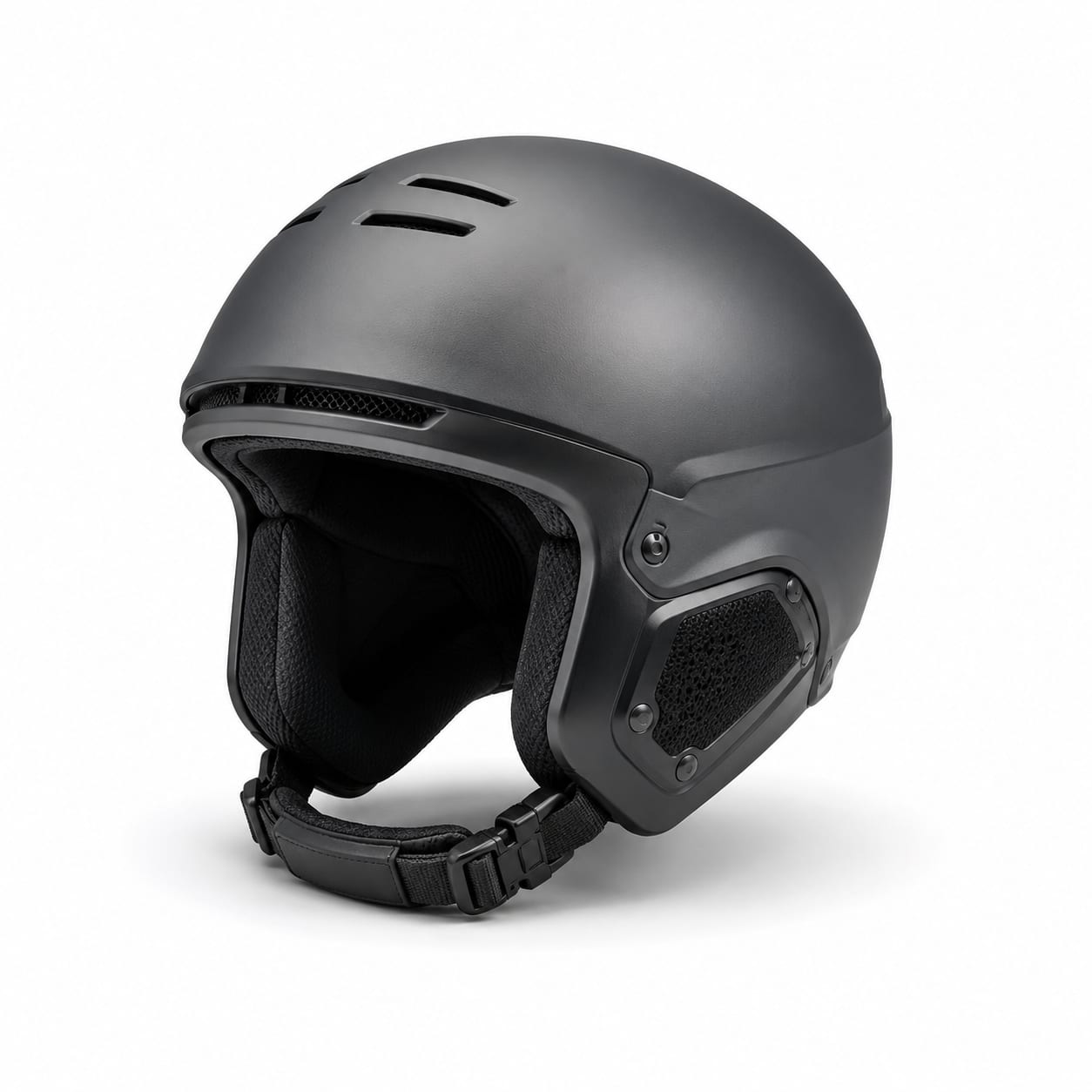
Racing Ski Helmet
$150 – $550
FIS-certified helmets built for competitive alpine racing with maximum impact protection and aerodynamics.
FIS RH2013 or RH2025 certifiedFull hardshell over earsAerodynamic profile
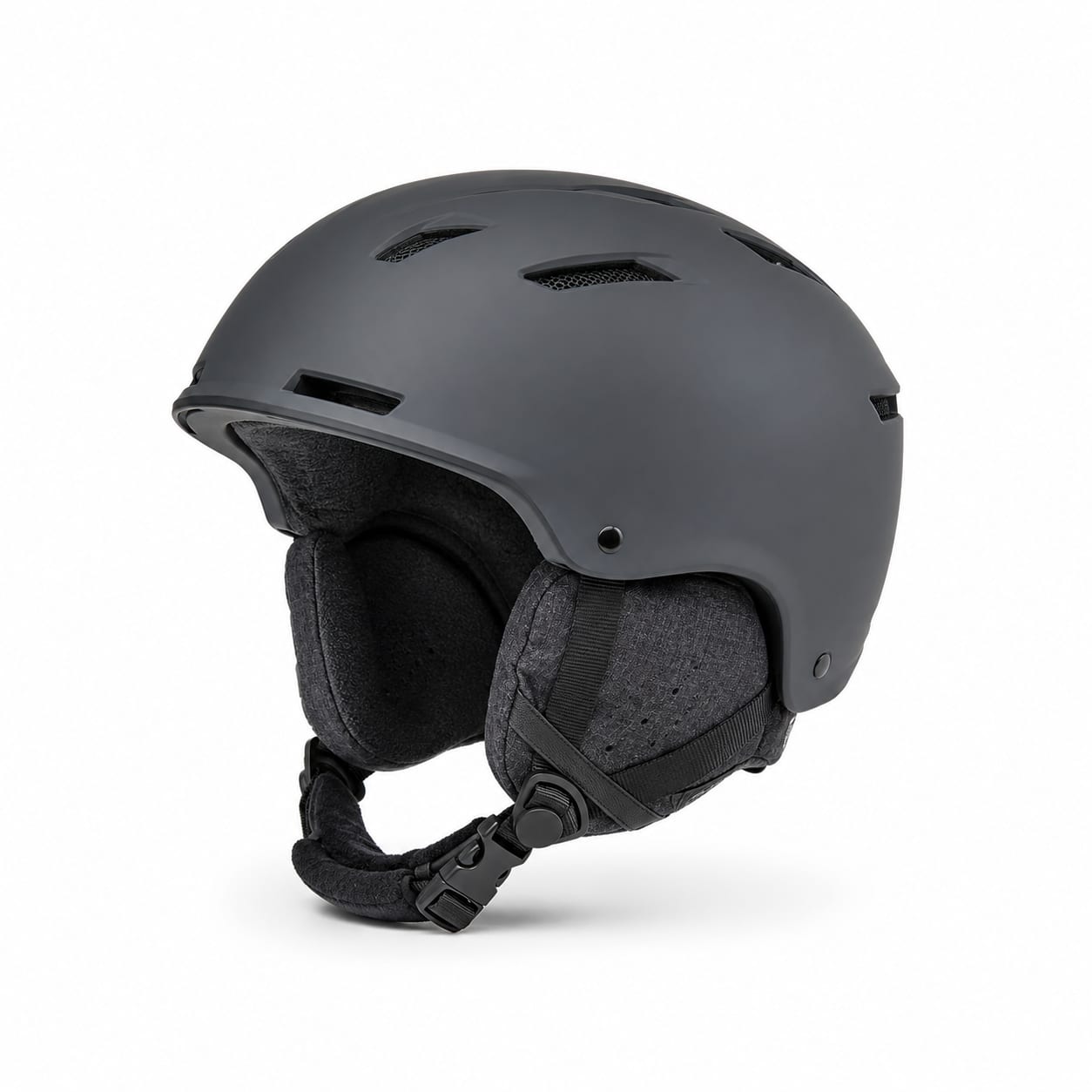
Half-Shell Ski Helmet
$50 – $250
Lightweight helmets with soft ear pads instead of hardshell ear coverage for enhanced comfort and hearing.
Soft removable ear padsLighter weight than full-shellBetter ambient hearing
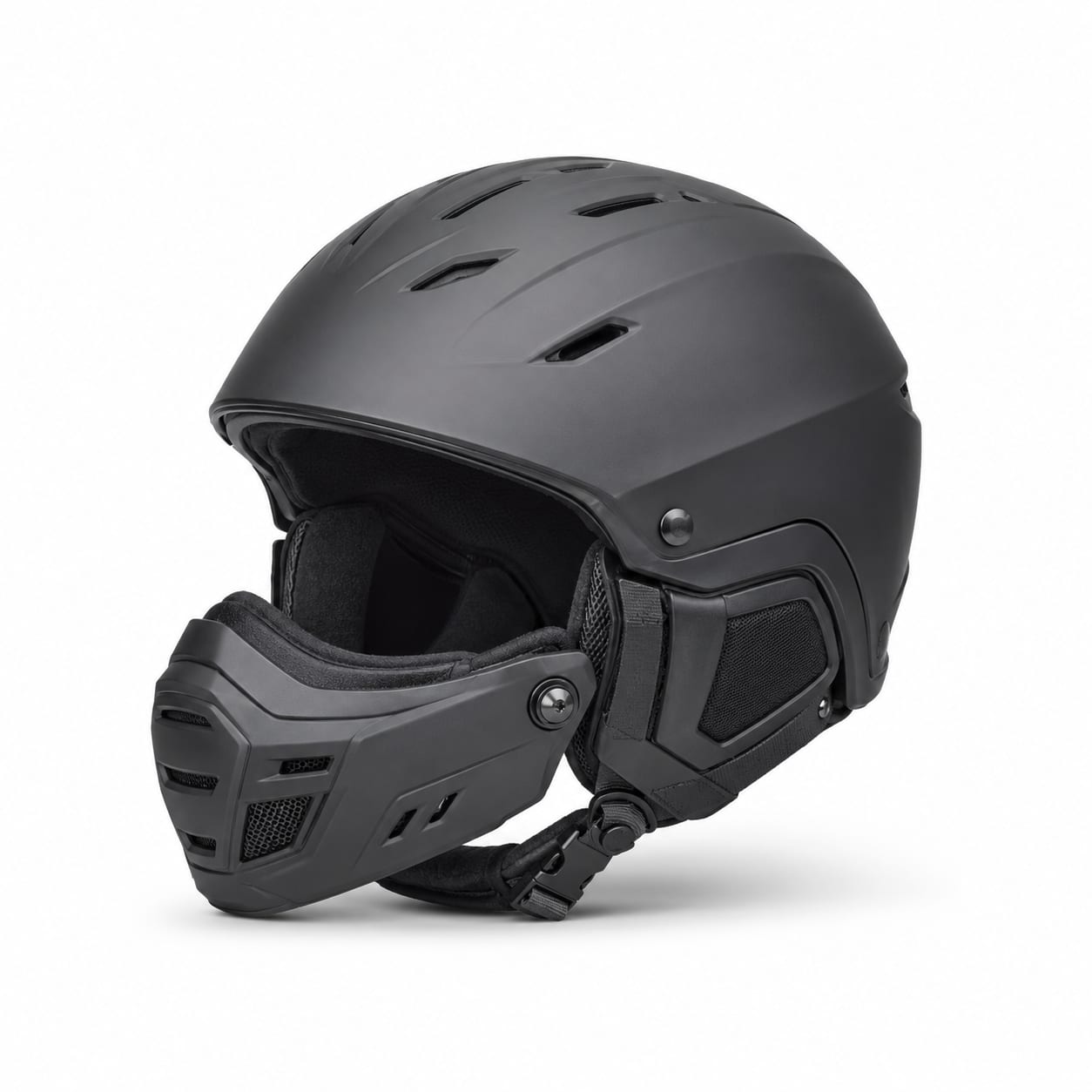
Convertible/Modular Helmet
$160 – $450
Helmets with removable chin guards or modular components that adapt between full-shell and half-shell configurations.
Removable chin guardConvertible ear coverageTool-free conversion
More questions
- Do I need a full-shell helmet for recreational skiing?
- What is the chin guard for on a full-shell helmet?
- Are full-shell helmets safer than half-shell helmets?
- Can I remove the chin guard and use a full-shell helmet like a half-shell?