
Full-shell helmets provide more coverage and are better at protecting against the specific hazards of racing (gate strikes, high-speed impacts, facial injuries). However, 'safer' depends on context. For racing, yes — they provide necessary protection. For recreational skiing, a well-fitted half-shell helmet with MIPS is the appropriate safety choice. Using a full-shell helmet recreationally may actually increase risk due to restricted vision and the temptation to ski without it because it's uncomfortable.
Ski Helmet · Full-Shell Ski Helmet
Are full-shell helmets safer than half-shell helmets?
Related gear types
If this answer nudged you toward a different style, these guides compare specs and trade-offs.
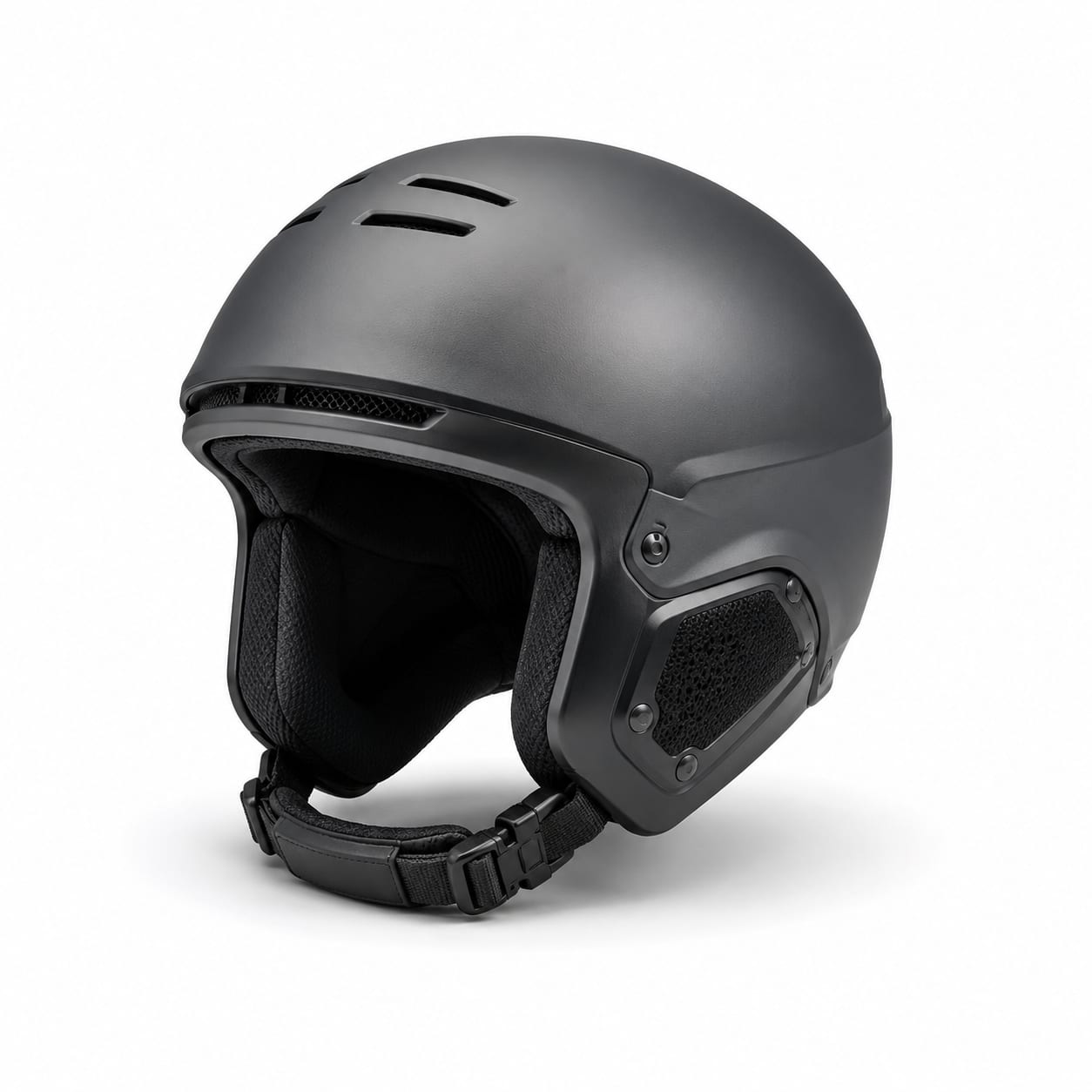
Racing Ski Helmet
$150 – $550
FIS-certified helmets built for competitive alpine racing with maximum impact protection and aerodynamics.
FIS RH2013 or RH2025 certifiedFull hardshell over earsAerodynamic profile
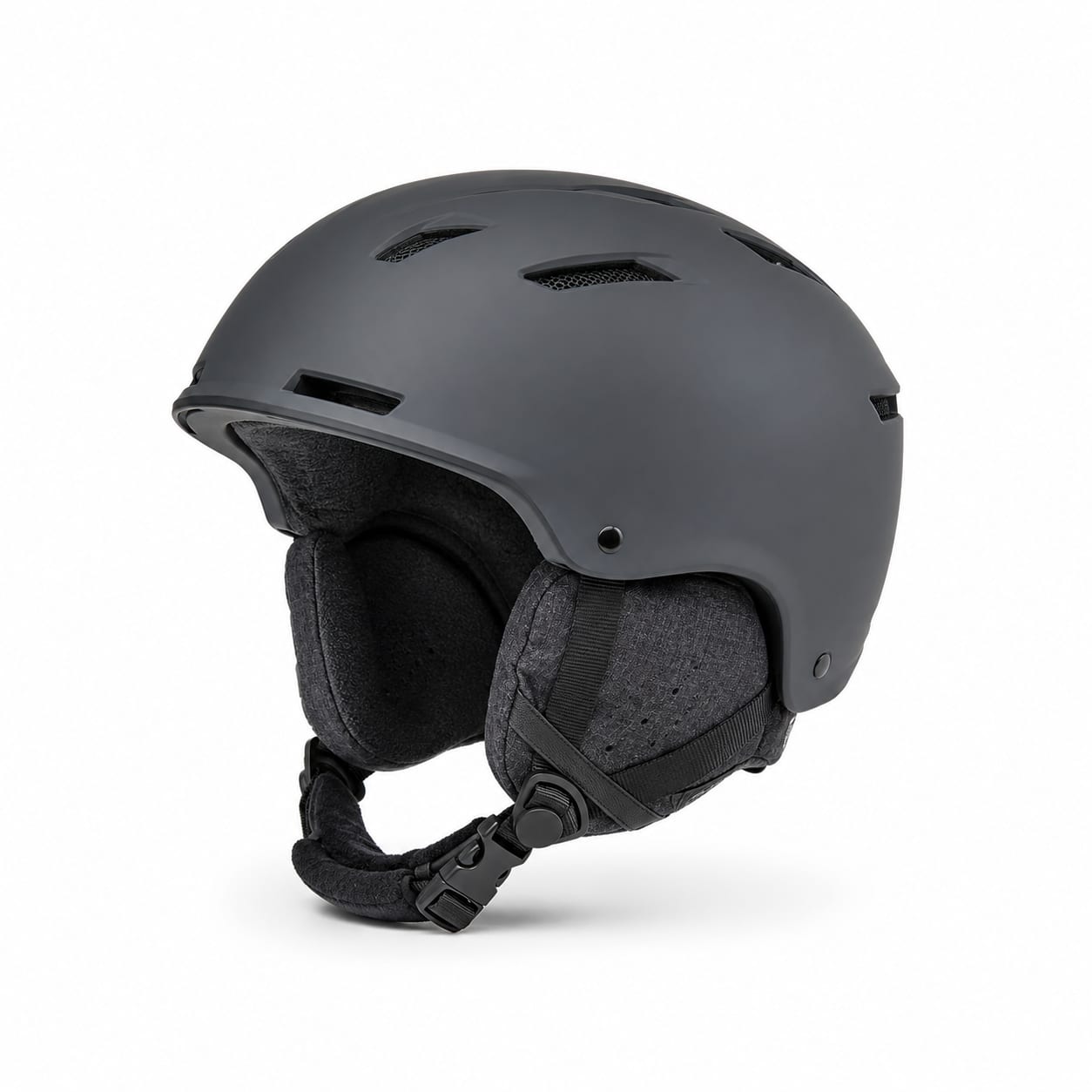
Half-Shell Ski Helmet
$50 – $250
Lightweight helmets with soft ear pads instead of hardshell ear coverage for enhanced comfort and hearing.
Soft removable ear padsLighter weight than full-shellBetter ambient hearing
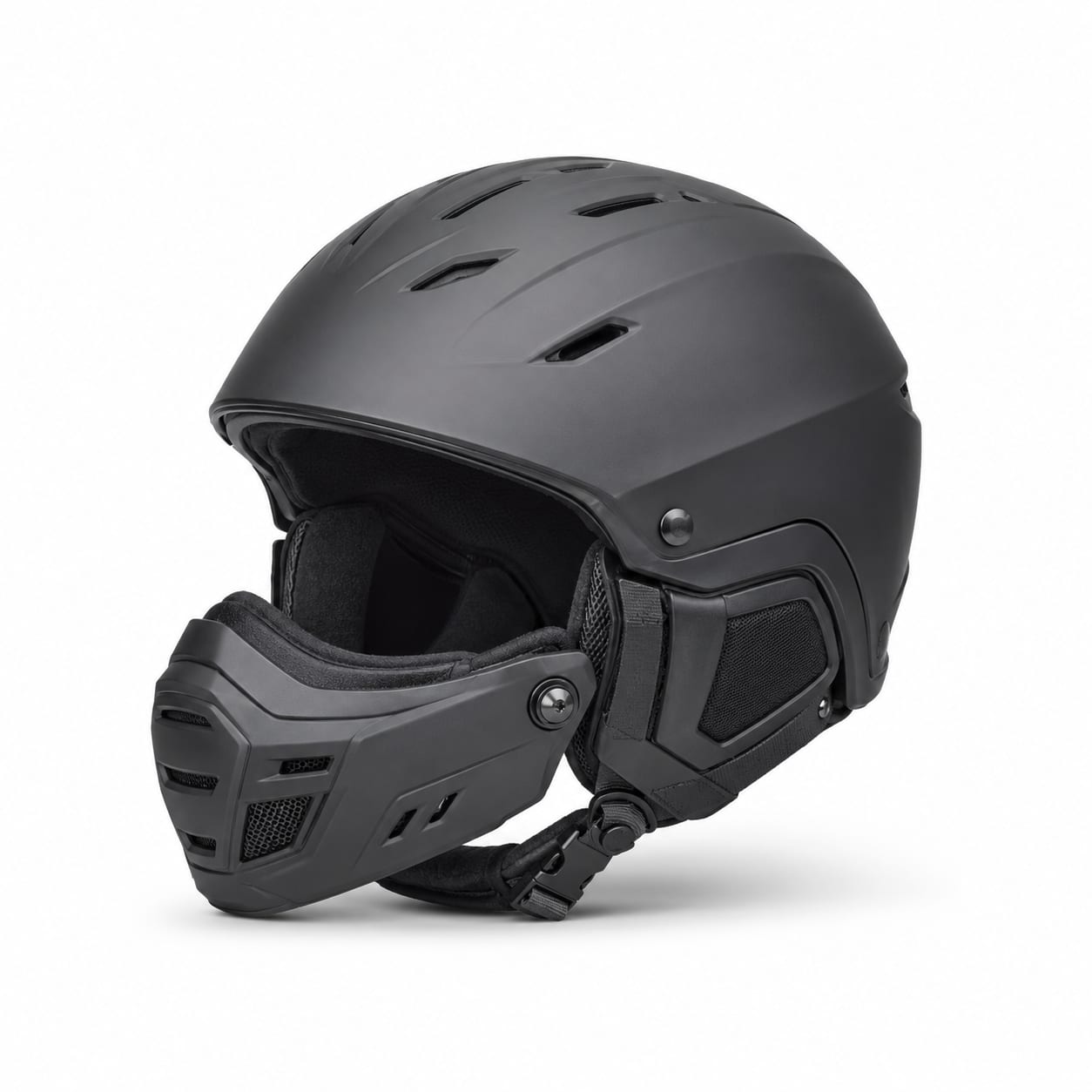
Convertible/Modular Helmet
$160 – $450
Helmets with removable chin guards or modular components that adapt between full-shell and half-shell configurations.
Removable chin guardConvertible ear coverageTool-free conversion
More questions
- Do I need a full-shell helmet for recreational skiing?
- What is the chin guard for on a full-shell helmet?
- Can I remove the chin guard and use a full-shell helmet like a half-shell?
- What certifications should I look for in a racing helmet?