
Ski Hip Protectors · FAQ
Questions about Senior / Elderly Hip Protectors
Straight answers on fit, specs, and when this type makes sense — each topic has its own page with links back to the buying guide.
Open Senior / Elderly Hip Protectors guide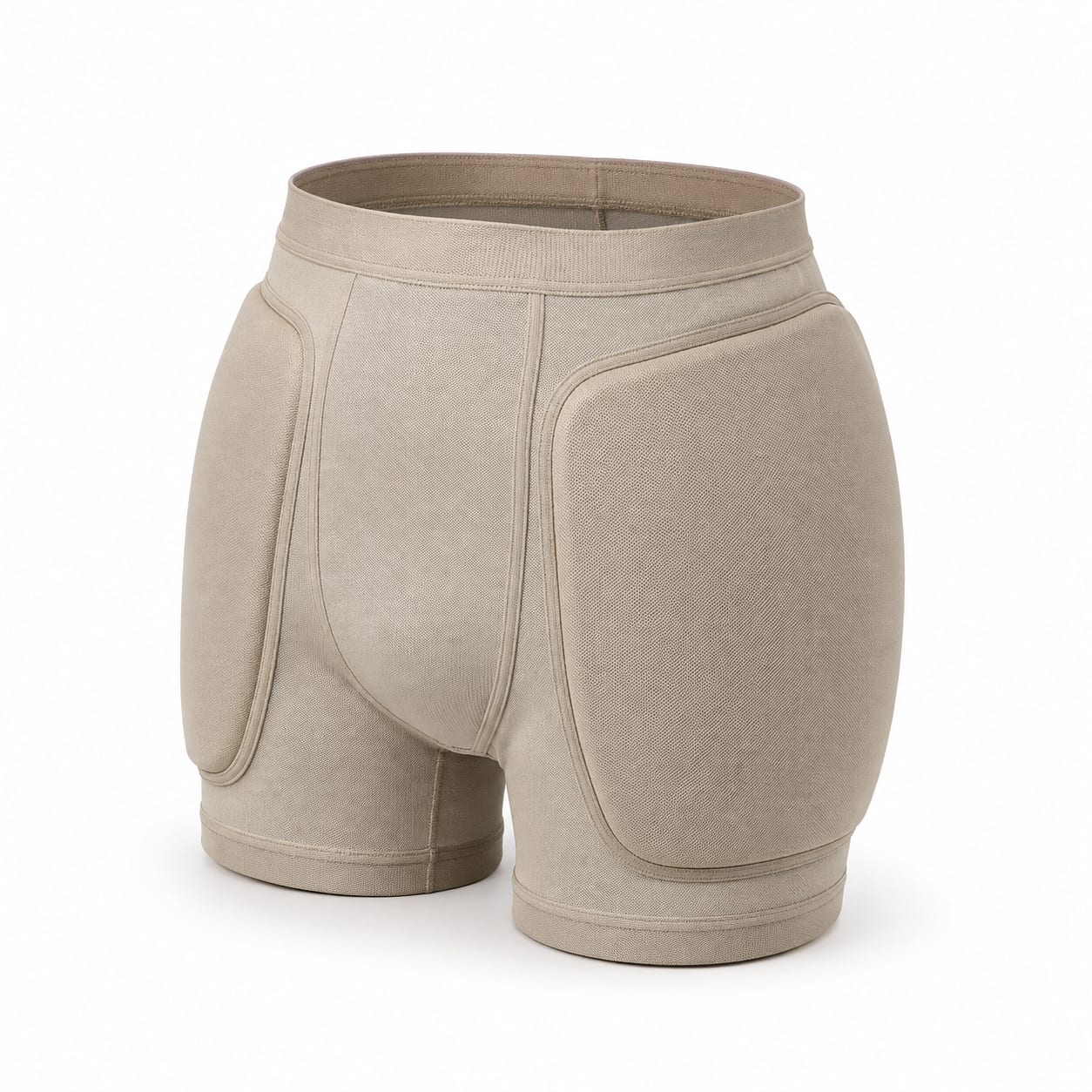
6 topics
Pick a question
Every answer links to the full subcategory guide and related gear types when it helps you decide.
Can a hip protector actually prevent a fracture if I have osteoporosis?
Hip protectors significantly reduce fracture risk but cannot guarantee prevention. CE Level 2 protectors limit force transmission to under 9 kN, and the best models transmit 5-7 kN. Hip fractures in osteoporotic bone can occur at forces as low as 3-5 kN, meaning even the best protectors cannot eliminate all risk. However, studies show that hip protectors reduce fracture incidence by approximately 50-60% when worn consistently. The key is that many skiing falls involve forces in the 10-20 kN range, where a protector reducing transmission to 5-8 kN can make the difference between a fracture and a severe bruise. Think of it as significantly reducing risk rather than eliminating it—similar to how a helmet reduces but doesn't eliminate head injury risk.
Read answer →02I have arthritis in my hips and hands. What style of hip protector is easiest to put on?
Wrap/belt style protectors with Velcro closures are generally the easiest for people with limited hip or hand mobility. Instead of stepping into compression shorts (which requires balancing on one leg and pulling fabric over the hips), wrap styles open flat and wrap around the body, securing with adjustable Velcro closures. Look for models with large Velcro tabs that are easy to grip with arthritic hands. Some brands offer side-opening impact shorts that combine the coverage of full shorts with the easier donning of a wrap design. If you have a caregiver who helps with dressing, pull-on compression shorts may still be manageable with assistance.
Read answer →03Should I wear my hip protector over or under my base layer?
For most seniors, wearing the protector over a thin moisture-wicking base layer (mid layer position) provides the best balance of comfort and pad stability. The base layer wicks sweat away from your skin, keeping you drier and reducing the chill that can occur when you stop skiing. The protector then sits securely against the base layer with ski pants over everything. If you find the pads shift in this configuration, try wearing the protector directly against your skin (base layer position) for maximum stability. The right choice depends on your individual temperature regulation and how snugly the protector fits in each position.
Read answer →04My doctor told me I have osteopenia but not osteoporosis. Do I still need CE Level 2 protection?
Osteopenia indicates lower-than-normal bone density that hasn't reached the osteoporosis threshold, but it still means your bones are more fragile than average. The fracture threshold for osteopenic bone is higher than for osteoporotic bone but lower than for healthy bone. CE Level 2 protection is still strongly recommended because it provides a meaningful safety margin over CE Level 1. The modest additional cost and bulk of CE Level 2 protectors are worthwhile insurance against a fracture that could end your skiing career and significantly impact your quality of life. Discuss your specific bone density numbers with your doctor to make an informed decision.
Read answer →05How do I know if my hip protector pads are positioned correctly?
The critical placement is over the greater trochanter—the bony prominence on the outside of your upper thigh, roughly at the level of the crease where your leg meets your torso. To check: put on the protector and stand with your feet shoulder-width apart. Place your hands on your hips and slide them down to the bony points on the outside of your thighs—these are the greater trochanters. The center of each protective pad should sit directly over these points. If the pads are too high (above the hip bone) or too close together, the protector is the wrong size or gender fit. Have someone check pad placement while you're in a skiing stance, as pads can shift when you bend your knees.
Read answer →06Can I use my medical hip protector for skiing instead of buying a ski-specific one?
Medical hip protectors designed for daily wear are not suitable substitutes for ski-specific protectors. Daily-wear protectors are designed for low-impact falls from standing height on flat surfaces, not for the higher-impact forces and dynamic fall patterns of skiing. They typically use thinner padding, lack moisture management for active use, and may not maintain pad positioning during the vigorous movement of skiing. Ski-specific senior protectors are engineered for skiing's impact forces, provide better coverage for skiing fall patterns, and use materials that perform in cold, damp conditions. Use medical protectors for daily fall prevention and ski-specific protectors on the slopes.
Read answer →