
Hip protectors significantly reduce fracture risk but cannot guarantee prevention. CE Level 2 protectors limit force transmission to under 9 kN, and the best models transmit 5-7 kN. Hip fractures in osteoporotic bone can occur at forces as low as 3-5 kN, meaning even the best protectors cannot eliminate all risk. However, studies show that hip protectors reduce fracture incidence by approximately 50-60% when worn consistently. The key is that many skiing falls involve forces in the 10-20 kN range, where a protector reducing transmission to 5-8 kN can make the difference between a fracture and a severe bruise. Think of it as significantly reducing risk rather than eliminating it—similar to how a helmet reduces but doesn't eliminate head injury risk.
Ski Hip Protectors · Senior / Elderly Hip Protectors
Can a hip protector actually prevent a fracture if I have osteoporosis?
Related gear types
If this answer nudged you toward a different style, these guides compare specs and trade-offs.
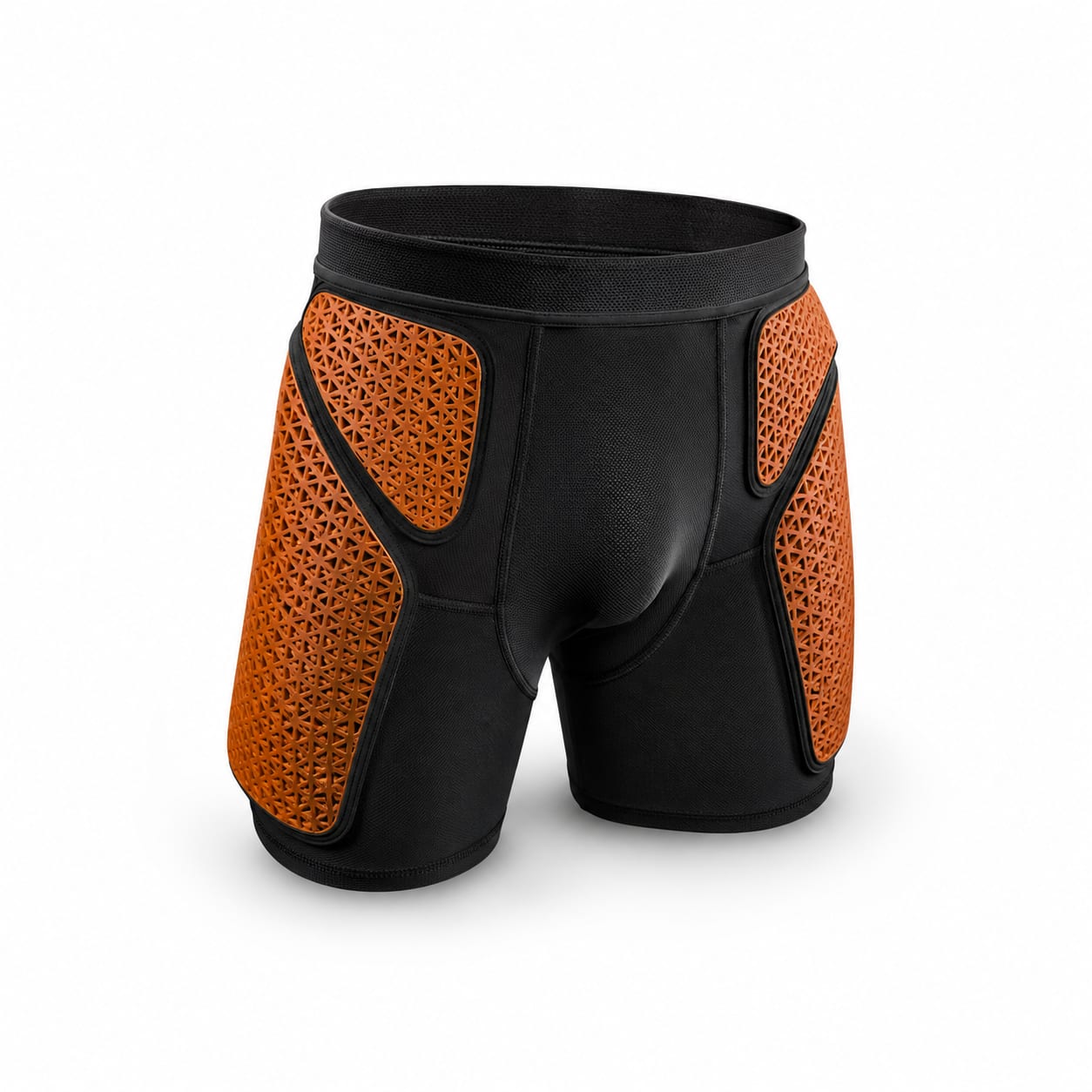
D3O / Smart Material Hip Protectors
$60 – $220
Hip protectors using reactive smart materials that remain flexible and harden instantly on impact.
Non-Newtonian reactive materialFlexible during wearInstant stiffening on impact
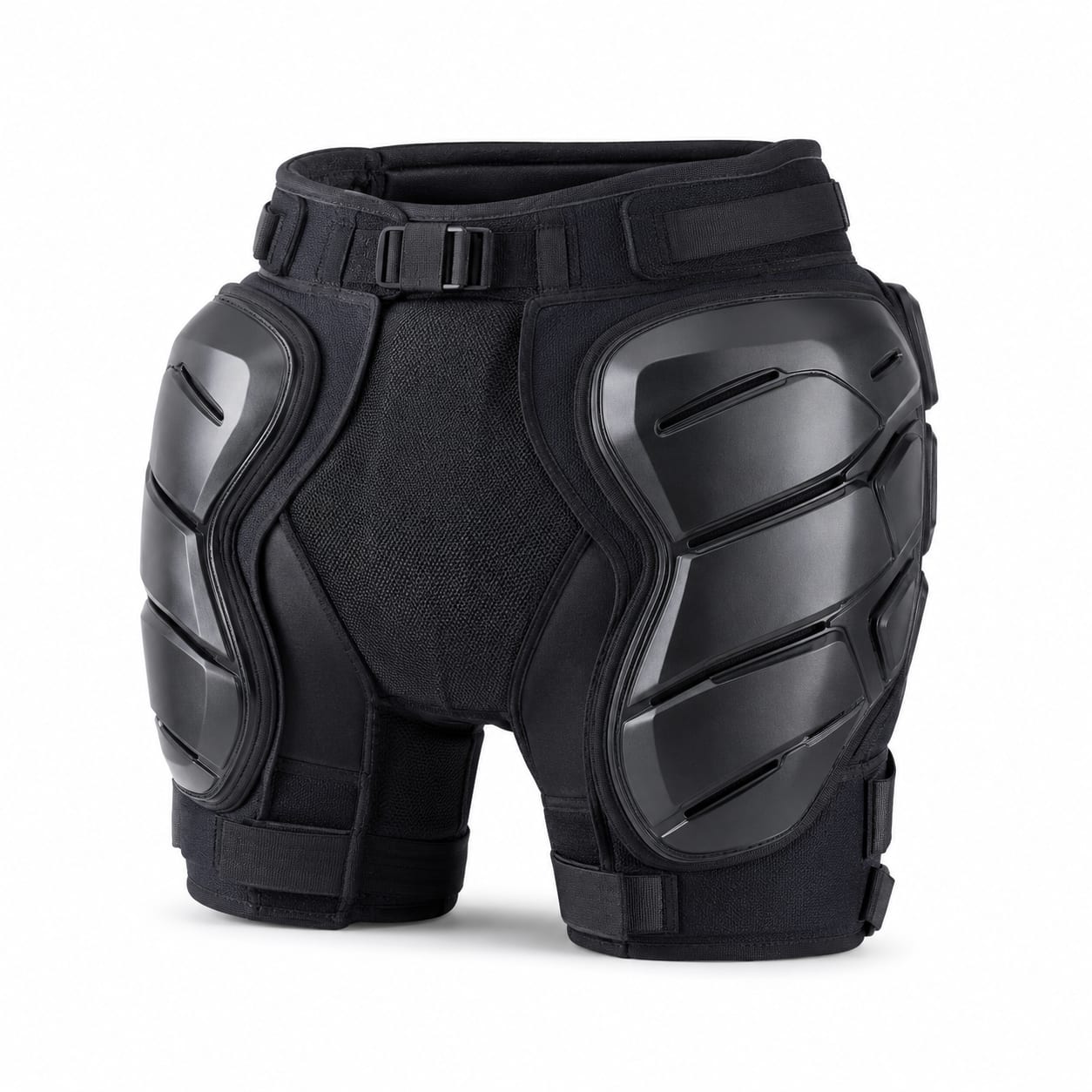
Hard Shell Hip Protectors
$50 – $200
Rigid plastic or composite shell hip protectors designed for maximum impact resistance and energy distribution.
Rigid outer shellWide impact distributionFoam inner layer
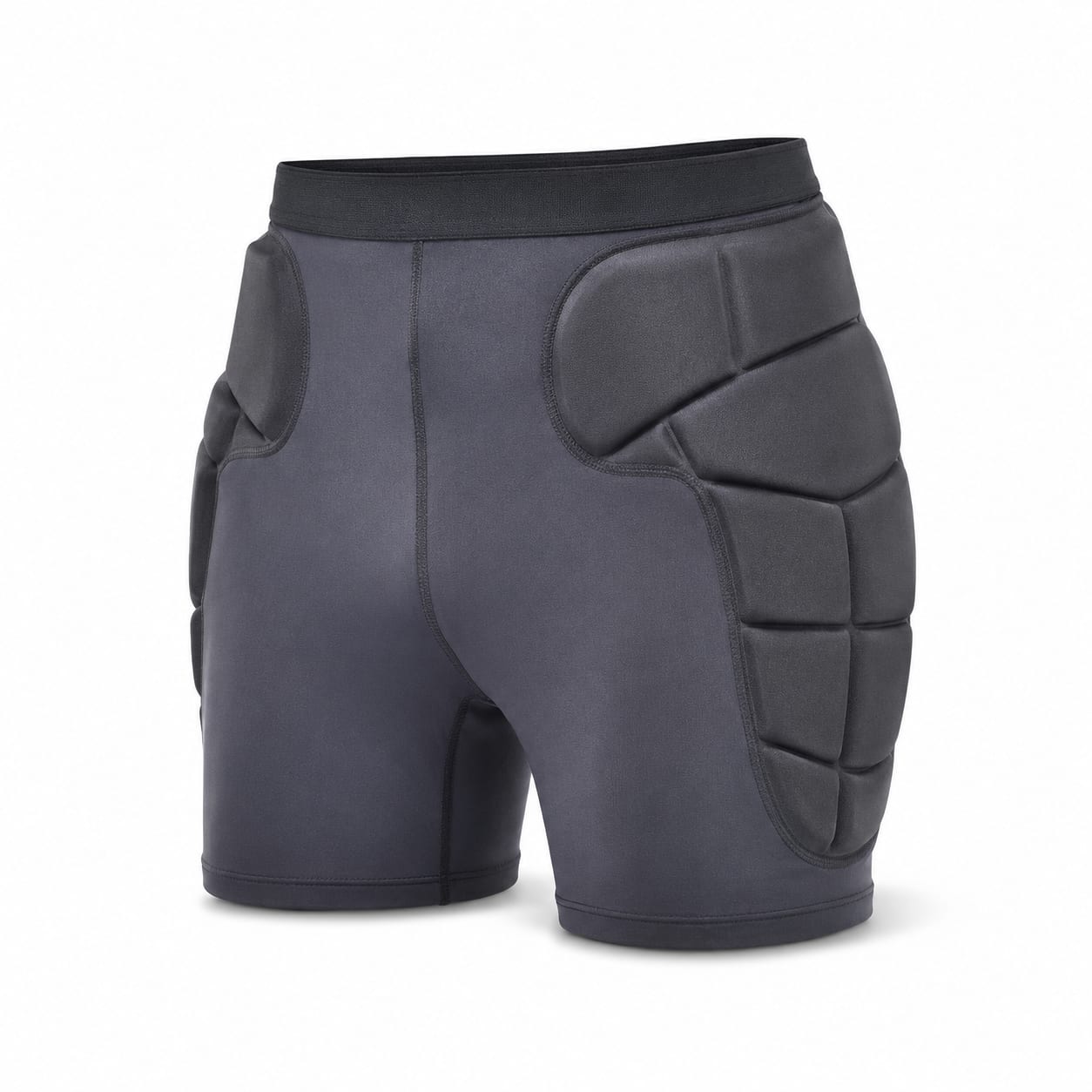
Soft Foam Hip Protectors
$25 – $90
Traditional flexible foam-padded hip protectors prioritizing comfort and everyday wearability.
EVA or PU foam paddingFlexible and comfortableLow profile
More questions
- I have arthritis in my hips and hands. What style of hip protector is easiest to put on?
- Should I wear my hip protector over or under my base layer?
- My doctor told me I have osteopenia but not osteoporosis. Do I still need CE Level 2 protection?
- How do I know if my hip protector pads are positioned correctly?