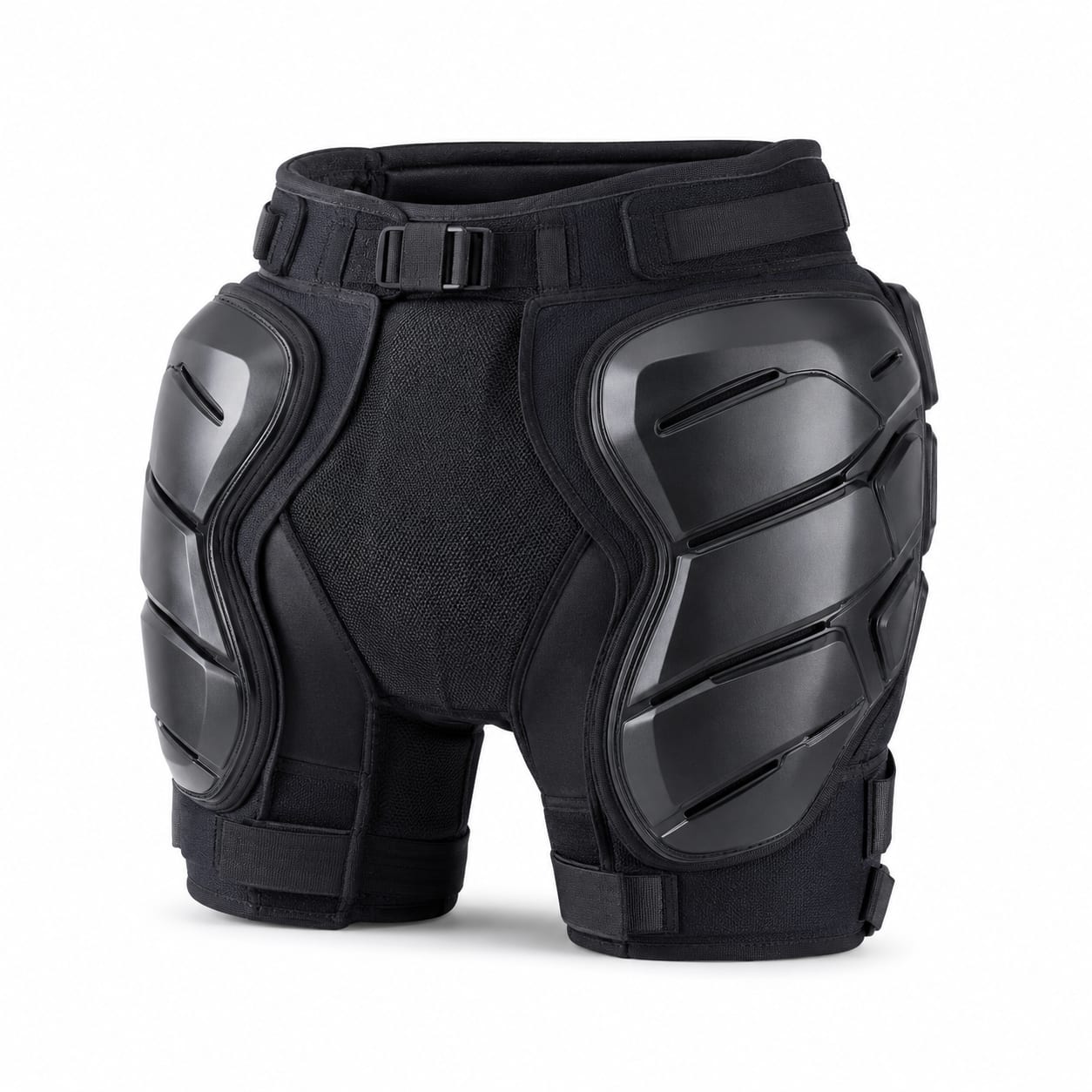
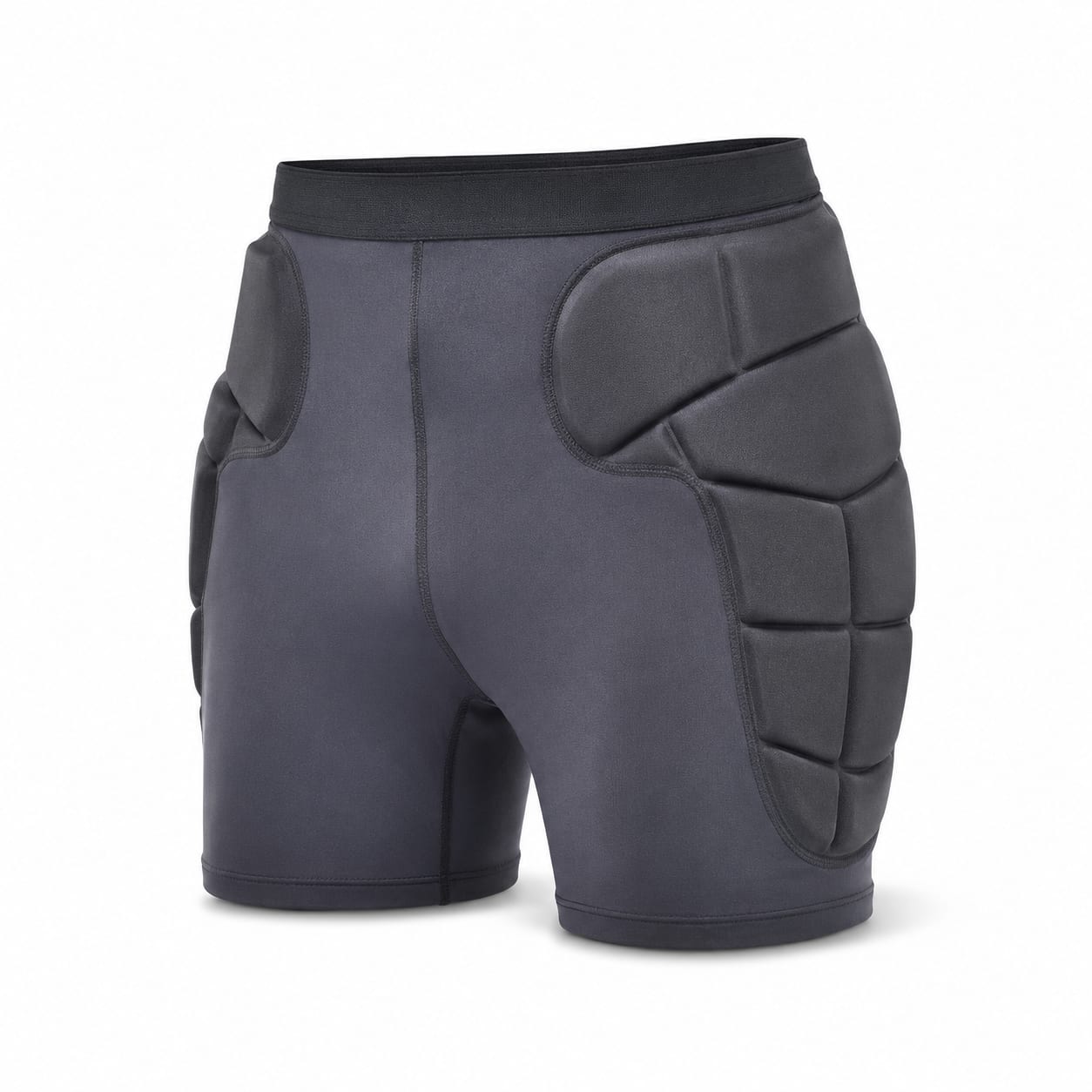
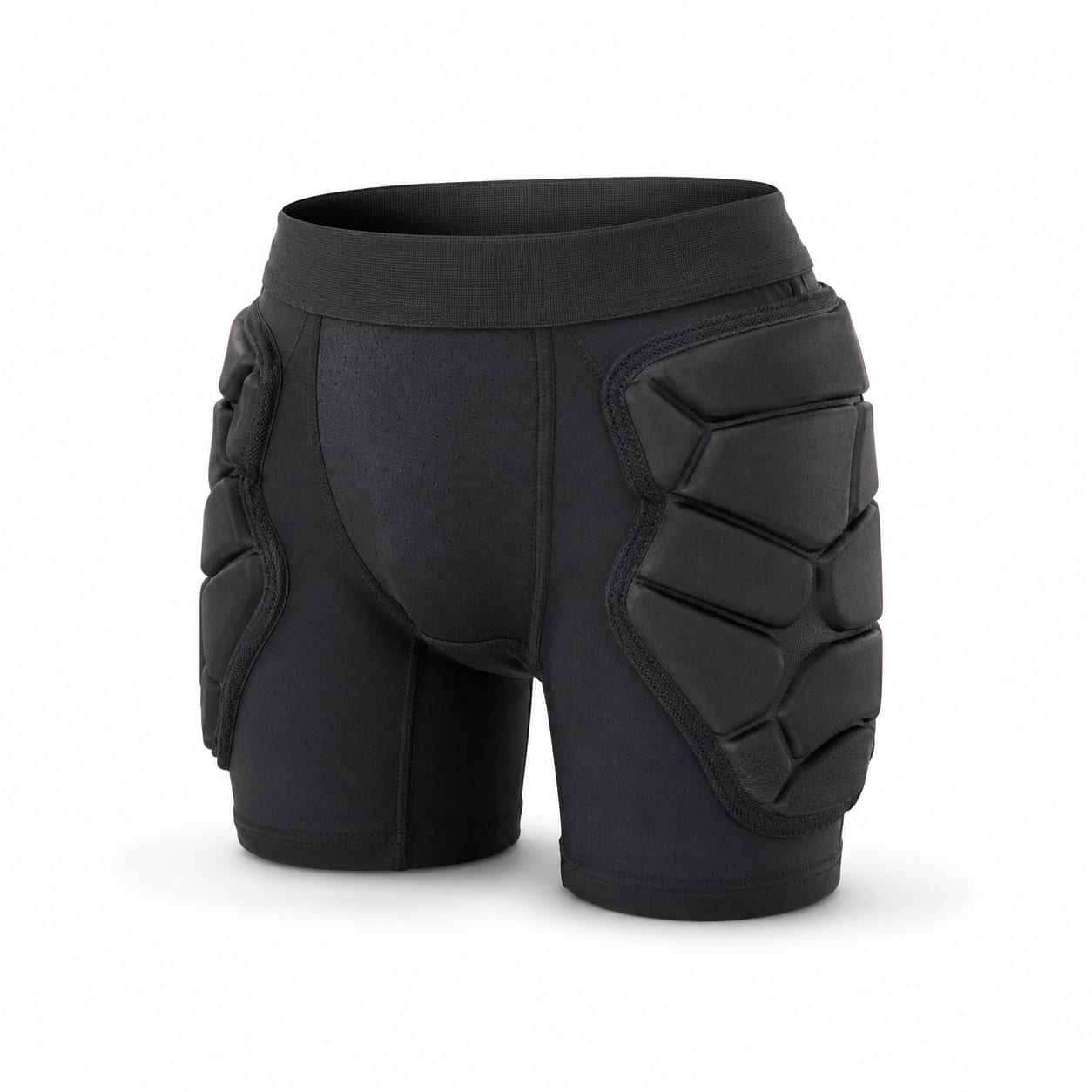
Protection Level / Certification
Protection Level / Certification
What it means
The certified level of impact protection, typically based on EN 1621-1 or similar standards, indicating how much force is transmitted through the protector.
Typical for this type
CE Level 2 (Mandatory For Osteoporosis/Osteopenia); CE Level 1 Only Acceptable For Seniors With Normal Bone Density Seeking Bruise Prevention
Most common pick: Ce Level 2
In practice
Senior hip protectors should almost universally feature CE Level 2 certification, which limits force transmission to no more than 9 kN. This is critical because hip fractures in elderly individuals can occur at forces well below the 18 kN threshold of CE Level 1, particularly for those with osteoporosis where fracture threshold may be as low as 3-5 kN.
Compared to other types
General recreational protectors commonly use CE Level 1 as a balance of protection and comfort. Senior protectors prioritize CE Level 2 almost exclusively, accepting the modest increase in bulk and cost as necessary trade-offs for the target demographic's elevated fracture risk.
Why it matters: The entire purpose of this subcategory is fracture prevention. CE Level 1 protection, while adequate for bruise prevention in healthy adults, may not prevent fractures in osteoporotic bone. CE Level 2 roughly halves the transmitted force, making it the minimum responsible choice for at-risk seniors.
Padding Material
Padding Material
What it means
The type of impact-absorbing foam or material used in the protector, which determines flexibility, weight, and impact response behavior.
Typical for this type
SAS-TEC Or D3O Preferred; Poron XRD Acceptable; EVA Foam Only For Budget Constraints With Understanding Of Limitations
Most common pick: Sas Tec
In practice
SAS-TEC is the most common premium material in senior protectors because it consistently achieves CE Level 2 certification while remaining flexible enough for comfortable wear. D3O offers similar performance with a slightly softer feel at rest. Both materials maintain their protective properties over multiple seasons, unlike EVA foam which compresses permanently over time.
Compared to other types
Youth and recreational protectors more commonly use EVA foam or Poron XRD to hit lower price points. Senior protectors skew heavily toward SAS-TEC and D3O because the medical necessity of reliable, consistent protection justifies the premium material cost.
Why it matters: Smart foams like SAS-TEC and D3O provide the best protection-to-thickness ratio, meaning seniors get CE Level 2 protection without excessive bulk that could discourage regular wear. Material durability also matters more for seniors who may not notice gradual foam degradation.
Construction Type
Construction Type
What it means
The overall design and form factor of the hip protector, affecting how it is worn and what areas it covers.
Typical for this type
Impact Shorts For Maximum Coverage And Security; Wrap/Belt Style For Those With Limited Mobility Who Cannot Step Into Shorts Easily
Most common pick: Impact Shorts
In practice
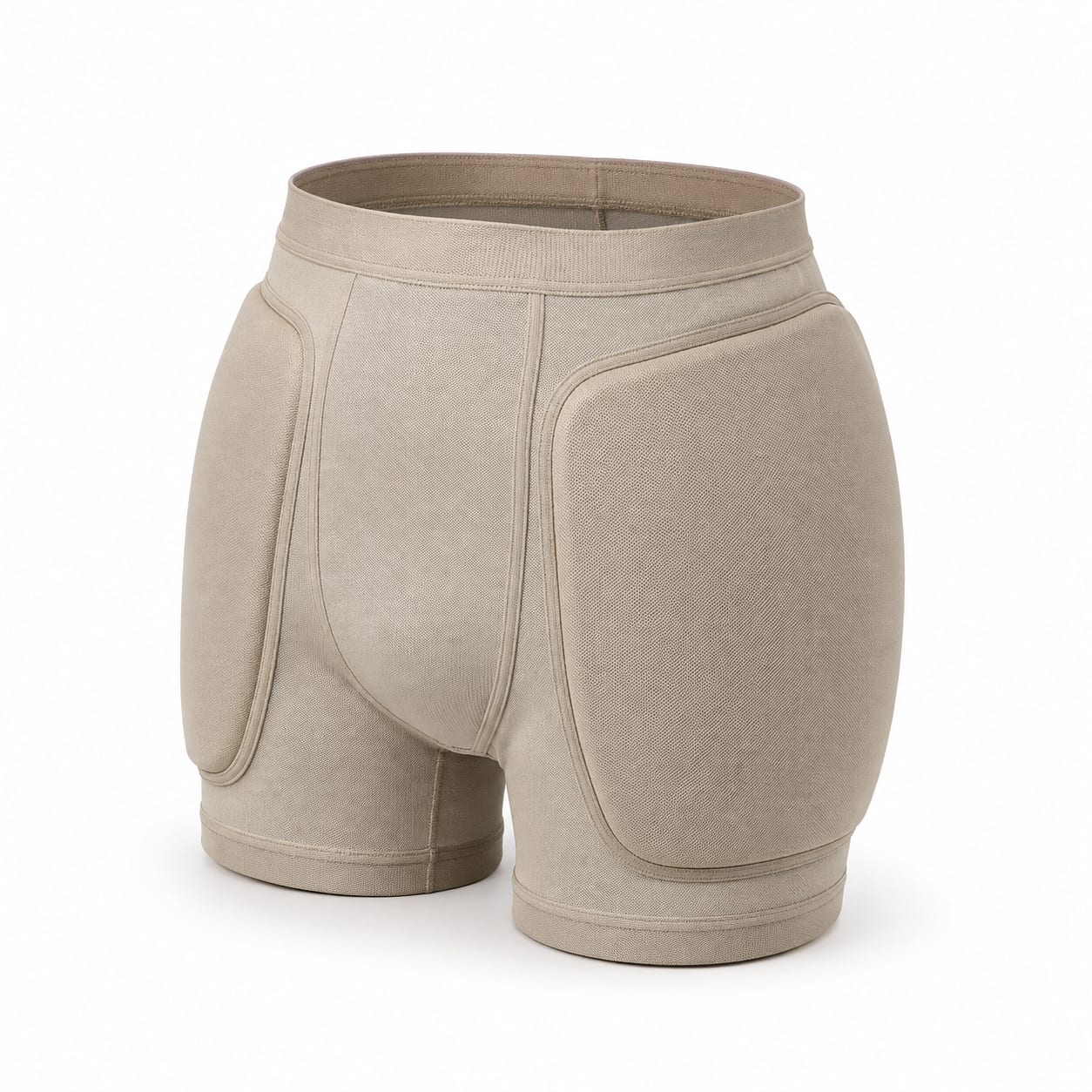
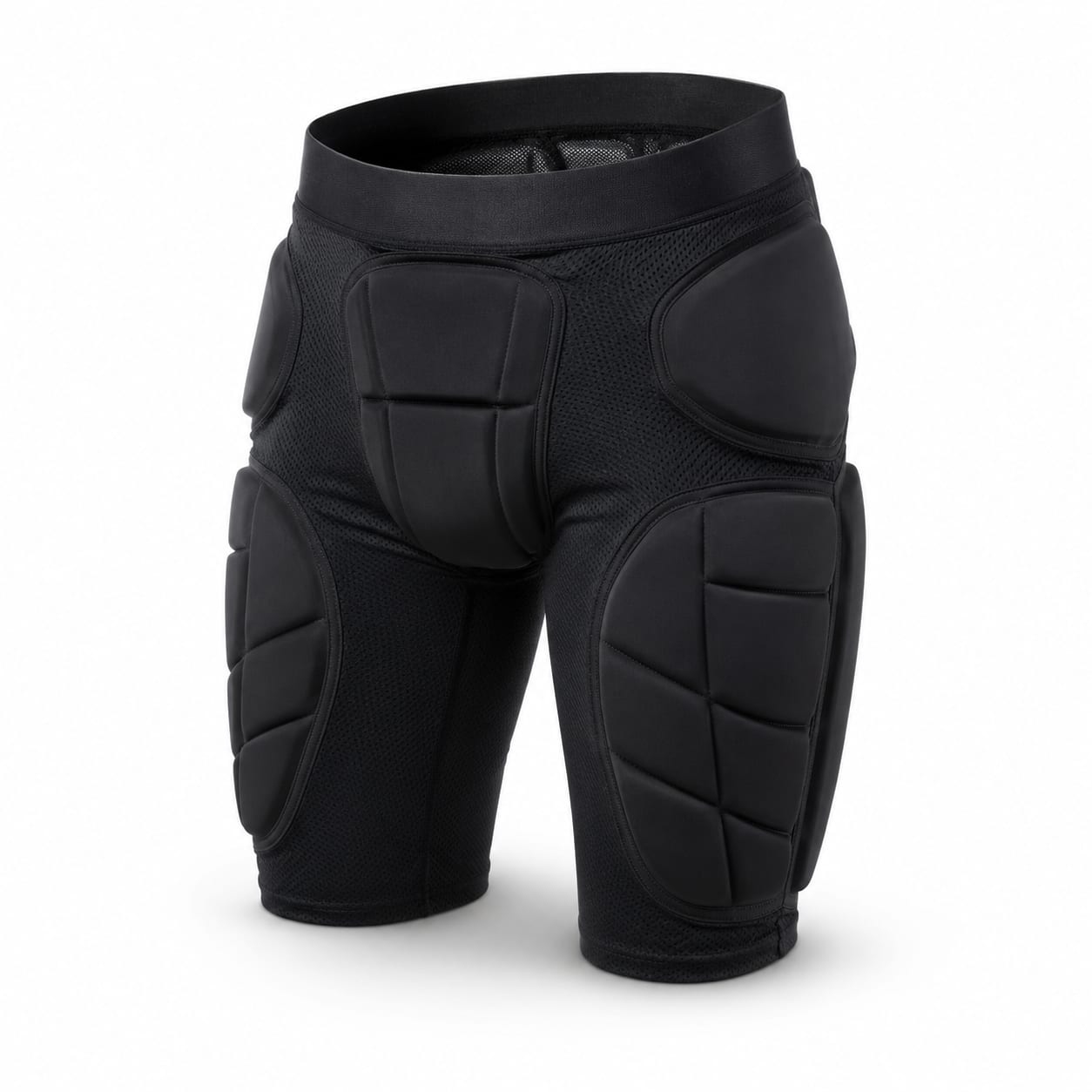
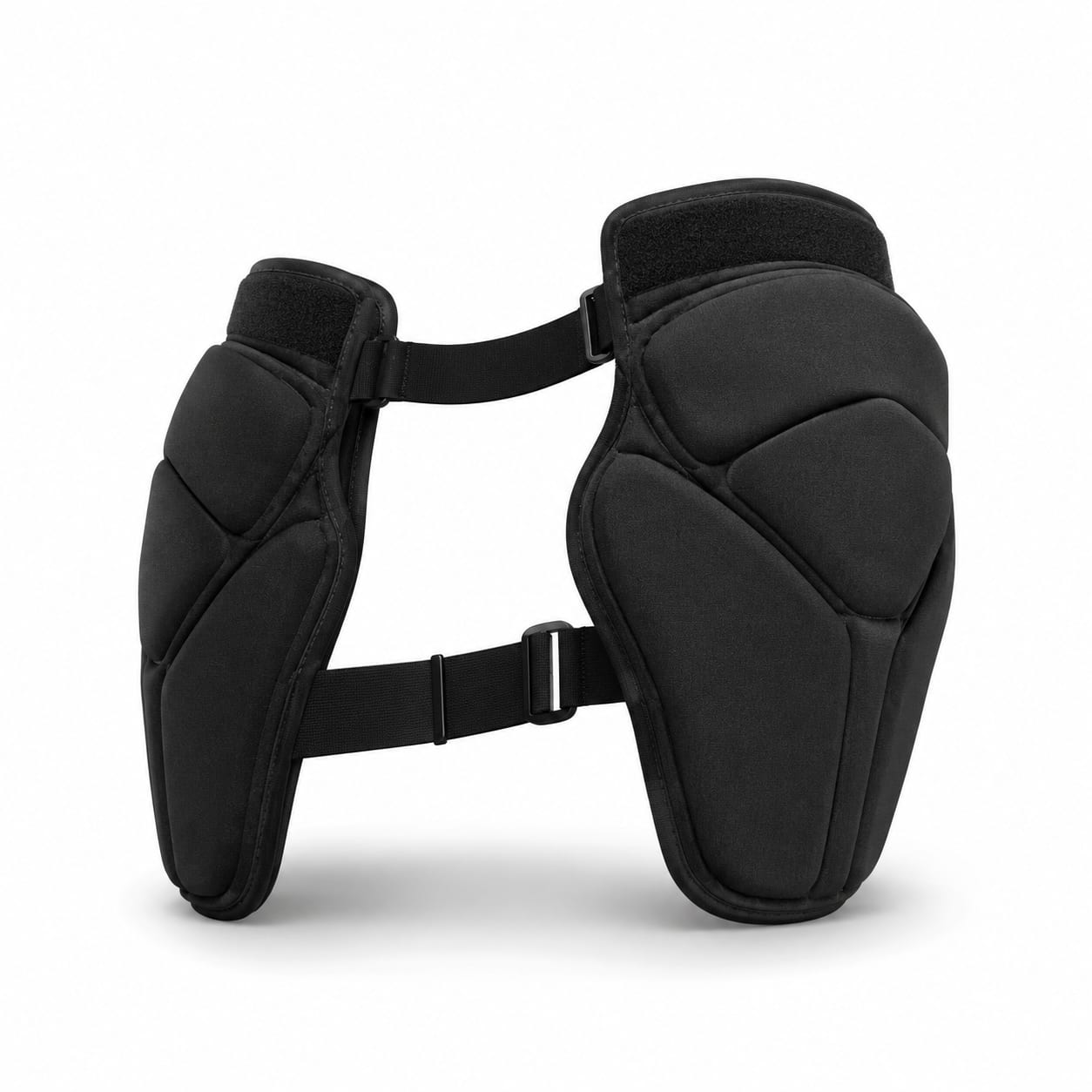
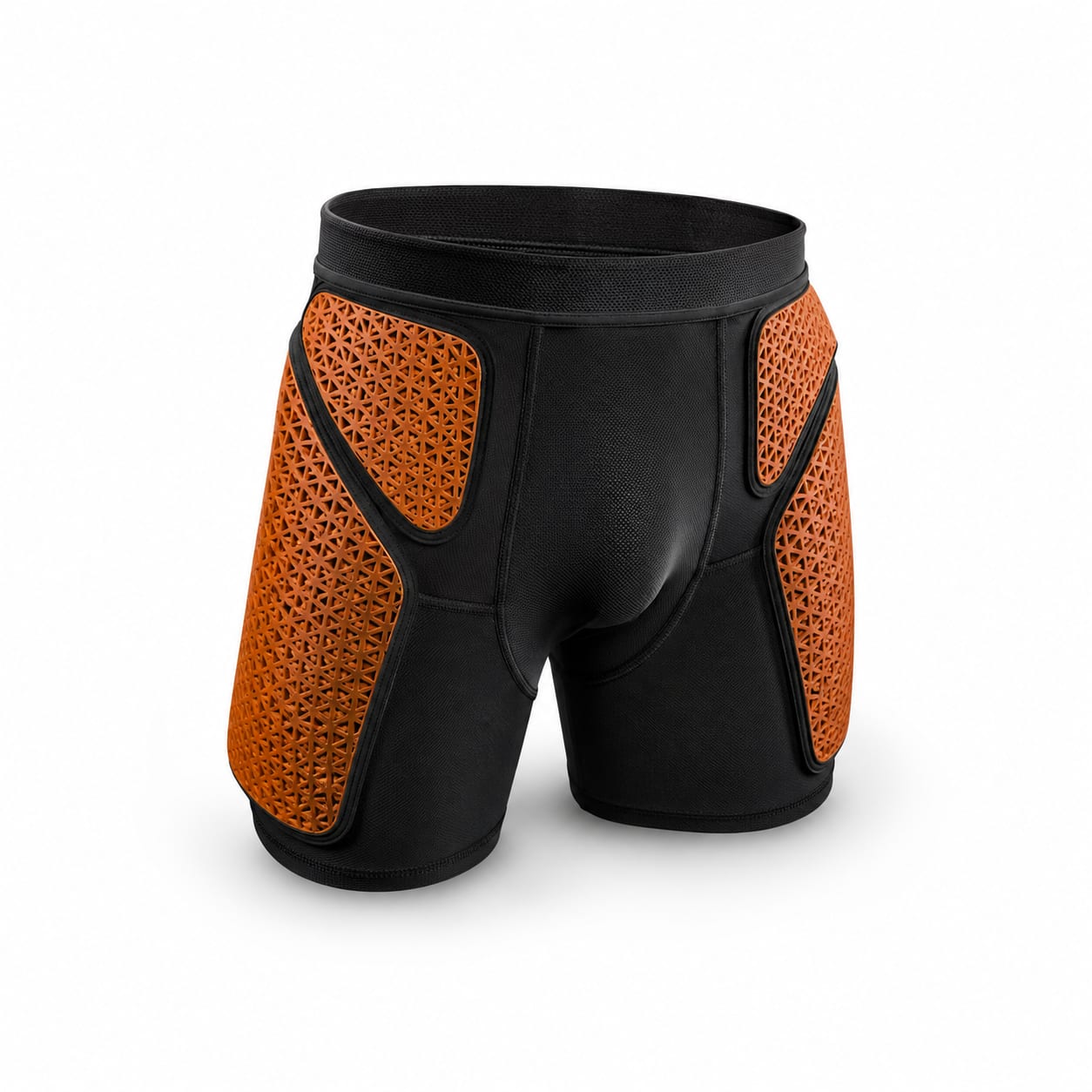
Impact shorts are the most common construction for senior protectors because they provide comprehensive coverage (hips, tailbone, often side hip) and keep all pads securely in position. However, wrap/belt styles deserve serious consideration for seniors with hip arthritis, balance issues, or limited flexibility who struggle to step into compression shorts.
Compared to other types
Freestyle and racing protectors almost exclusively use impact shorts for maximum security during high-energy activity. Senior protectors have more diversity in construction type because the target demographic includes users with physical limitations that affect donning ability, making wrap/belt and even pad insert systems more viable options.
Why it matters: The best protector is one that gets worn every run. If stepping into impact shorts is so difficult that a senior skips wearing them, a slightly less secure wrap/belt style that is easy to put on becomes the better choice. Construction type must balance protection with practical usability.
What it means
The size of the hip protector, typically based on waist or hip circumference, which determines fit and pad positioning.
Typical for this type
Measure Waist And Hips Carefully; Consult Brand-Specific Charts; When Between Sizes, Size Up For Comfort And Ease Of Donning Rather Than Down For Compression
Most common pick: Varies By Individual; M-XL Most Common For This Demographic
In practice
Proper sizing is especially critical for senior protectors because pads must align precisely over the greater trochanter to be effective. Age-related body composition changes, including muscle loss and fat redistribution, mean that clothing size may not correspond to protector size. Many seniors fall into the L-XL range due to age-related body changes, but accurate measurement is essential.
Compared to other types
Sizing is critical across all subcategories, but the consequences of poor fit are more severe for seniors. Younger skiers with healthy bone density may get adequate protection even with slightly misaligned pads due to bruise-level protection needs. For seniors, misaligned pads may mean the difference between a fracture and a close call.
Why it matters: Incorrect sizing in a senior protector isn't just a comfort issue—it's a safety issue. Pads that sit above or below the greater trochanter provide no fracture protection. Additionally, overly tight compression shorts can restrict breathing and circulation in older adults, while loose shorts allow pads to shift off-target during falls.
Padding Thickness
Padding Thickness
What it means
The thickness of the protective padding at the hip, which affects both the level of protection and the bulk under clothing.
Typical for this type
10-20 mm; smart foam at 10-15 mm can achieve CE Level 2; EVA foam may need 18-25 mm for comparable protection
Most common pick: 12-18 mm
In practice
Senior protectors tend toward the thicker end of the padding spectrum because the priority is maximum impact absorption rather than low-profile discretion. SAS-TEC and D3O pads in the 12-15 mm range typically achieve CE Level 2 certification, while EVA foam pads need 18-25 mm to approach similar performance.
Compared to other types
Youth and recreational protectors often use 8-12 mm padding for a lower profile. Freestyle protectors may use 10-15 mm for moderate protection with good mobility. Senior protectors commonly use 12-18 mm, prioritizing impact absorption over discretion.
Why it matters: Thicker padding provides more material to absorb and distribute impact energy, which directly translates to lower force transmission to fragile bones. For seniors, the slight additional bulk of 15-18 mm pads is a worthwhile trade for the significant reduction in fracture risk compared to 8-10 mm recreational pads.
Coverage Area
Coverage Area
What it means
The body areas protected by the hip protector beyond the basic hip joint.
Typical for this type
Hip Joint (Mandatory), Side Hip/Iliac Crest (Strongly Recommended), Tailbone (Recommended); Outer Thigh And Buttocks Optional Based On Individual Risk Assessment
Most common pick: Hip Joint, Side Hip, Tailbone
In practice
Senior protectors should cover at minimum the hip joint (greater trochanter) and ideally extend to the side hip (iliac crest) and tailbone. The iliac crest is particularly important for older skiers because age-related changes in fall mechanics often result in impacts higher on the hip. Tailbone protection addresses backward falls, which are more common in seniors due to slower reaction times.
Compared to other types
Recreational protectors often cover only the hip joint and possibly tailbone. Freestyle protectors add outer thigh coverage for rail and box impacts. Senior protectors uniquely emphasize side hip/iliac crest coverage, which is less relevant for younger skiers but critical for older adults whose fall patterns and fracture risks differ.
Why it matters: Hip fractures in elderly individuals don't only occur at the greater trochanter—pelvic rim fractures and sacral fractures are also significant risks. Comprehensive coverage addresses the wider range of impact points that occur when older adults fall, particularly the higher and more varied impact locations typical of falls where the person cannot catch themselves or twist to protect specific areas.
What it means
The total weight of the hip protector, affecting comfort and fatigue during a full day of skiing.
Typical for this type
250-500 g; prioritize protection over weight savings; ensure weight is well-distributed to Avoid Fatigue
Most common pick: 300-450 g
In practice
Senior protectors tend to weigh more than recreational models due to thicker padding and extended coverage areas. The 300-450 g range reflects CE Level 2 pads with hip, side hip, and tailbone coverage. While this is heavier than minimal recreational protectors, the weight is well within tolerable limits for resort skiing and is a reasonable trade for the protection offered.
Compared to other types
Lightweight recreational protectors range 150-250 g. Freestyle protectors range 250-400 g with thigh coverage. Senior protectors at 300-450 g are among the heavier options, reflecting their priority on protection over weight minimization.
Why it matters: Excessive weight can contribute to fatigue in older skiers, potentially increasing fall risk. However, the protection benefit of comprehensive, certified padding far outweighs the modest fatigue risk from an additional 100-150 g compared to lighter recreational models. Weight distribution matters more than total weight—a well-designed 400 g protector feels lighter than a poorly designed 300 g one.
Breathability
Breathability
What it means
The ability of the protector to allow moisture vapor and heat to escape, preventing overheating and sweat accumulation.
Typical for this type
Moderate to High Breathability; Avoid Low Breathability Models That Can Cause Overheating And Dampness Leading
Most common pick: Moderate
In practice
Moderate breathability is typical for senior protectors, which need to balance ventilation with the coverage and padding thickness required for CE Level 2 protection. High breathability models with mesh panels are preferable for seniors who ski in spring conditions or run warm, while moderate breathability suits most winter conditions.
Compared to other types
Recreational protectors span the full breathability range. Racing protectors tend toward low breathability for durability. Senior protectors should avoid the low breathability end because the combination of thicker padding and reduced natural thermoregulation in older adults makes overheating more likely and more problematic.
Why it matters: Older adults are more susceptible to temperature regulation issues and the chill that follows sweating. A protector that causes excessive sweating can lead to rapid cooling when activity stops, increasing discomfort and potentially contributing to muscle stiffness that affects skiing control. Breathability is a comfort feature that indirectly affects safety.
Mobility / Range of Motion
Mobility / Range of Motion
What it means
How freely the wearer can move while wearing the protector, affecting skiing technique and comfort.
Typical for this type
Slightly Restricted to Unrestricted; Avoid Moderately Restricted Models That May Compound Existing Mobility Limitations
Most common pick: Slightly Restricted
In practice
Senior protectors using smart foams like SAS-TEC and D3O typically achieve slightly restricted to unrestricted mobility despite their CE Level 2 protection. This is important because older skiers may already have reduced hip flexibility from arthritis or stiffness, and a restrictive protector compounds this natural limitation.
Compared to other types
Recreational and youth protectors with thinner padding often achieve unrestricted mobility. Hard shell racing protectors are typically moderately restricted. Senior protectors using smart foams achieve slightly restricted mobility, which is an acceptable compromise for CE Level 2 protection without the severe restriction of hard shell designs.
Why it matters: Restricted hip movement can affect balance and turning ability, potentially increasing fall risk—the exact opposite of the protector's purpose. Seniors should test range of motion in a skiing stance before purchasing, paying particular attention to forward lean and hip rotation, which are essential for controlled skiing.
Layer Compatibility
Layer Compatibility
What it means
How the hip protector is designed to be worn in relation to other layers—under or over base layers and ski pants.
Typical for this type
Mid Layer (Over Base, Under Pants) Preferred For Moisture Management; Base Layer Acceptable; Ensure Ski Pants Accommodate The Protector
Most common pick: Mid Layer
In practice
Mid layer compatibility is often ideal for senior protectors because it allows a moisture-wicking base layer against the skin while keeping the protector secure under ski pants. This layering approach helps manage the temperature regulation challenges that are more pronounced in older adults. Some seniors prefer base layer wear for maximum pad stability.
Compared to other types
Most subcategories default to base layer wear for maximum pad stability. Senior protectors have more reason to consider mid layer wear because the moisture management benefits are more significant for older adults, and the moderate skiing speeds of most senior users mean pad shifting is less likely than in aggressive skiing.
Why it matters: Layer compatibility affects both comfort and pad positioning. A protector worn over a base layer benefits from the base layer's moisture wicking, keeping the skin drier and reducing the chill-after-sweat problem. However, the protector must still fit snugly enough to prevent pad shifting, which can be harder to achieve over a base layer.
Closure System
Closure System
What it means
How the hip protector secures to the body, affecting ease of use, adjustability, and stability during activity.
Typical for this type
Pull-On For Best Pad Stability; Velcro Wrap/Belt For Those With Limited Mobility Or Arthritis Who Cannot Manage Pull-On Styles
Most common pick: Pull On
In practice
Pull-on compression shorts remain the most common and secure closure for senior protectors, providing the best pad positioning stability. However, Velcro wrap/belt styles deserve strong consideration for seniors with hip arthritis, hand arthritis, or balance issues that make stepping into and pulling up compression shorts difficult or unsafe.
Compared to other types
Recreational and freestyle protectors overwhelmingly use pull-on closures for maximum stability during aggressive movement. Senior protectors are more likely to offer wrap/belt alternatives because the target demographic includes users with physical limitations, and the moderate skiing speeds of most seniors make the slight stability trade-off of Velcro closures more acceptable.
Why it matters: The closure system directly affects whether a senior can independently don and doff the protector. A pull-on style that requires balancing on one leg may be a fall risk during dressing for someone with balance issues. Conversely, a Velcro wrap that loosens during skiing may allow pads to shift off the critical protection zone. The choice must balance independence and ease of use with pad stability during activity.
What it means
How the hip protector can be cleaned, important for hygiene during multi-day ski trips.
Typical for this type
Machine Washable With Pads Removed Is Ideal; Hand Wash Only Acceptable But Less Convenient; Full Machine Wash With Pads Is Most Convenient But May Reduce Pad Lifespan
Most common pick: Machine Washable
In practice
Machine washable construction with removable pads is the most practical option for senior protectors. The shorts can be washed regularly for hygiene, while the protective pads are removed during washing to preserve their impact-absorbing properties. This is particularly important for seniors who may ski multiple consecutive days during trips.
Compared to other types
Washability considerations are similar across subcategories, but seniors benefit more from easy-care designs because they may be less willing or able to hand wash protectors during ski trips. The convenience of machine washing may also encourage more frequent cleaning, improving hygiene and skin health.
Why it matters: Hygiene is important for next-to-skin garments worn during physical activity, and seniors may be more susceptible to skin irritation from bacteria in sweat-dampened fabric. Removable pads also allow pad replacement without buying a complete new protector, and make it easy to verify pad condition during washing—a good time to check for compression or damage.
Gender-Specific Fit
Gender-Specific Fit
What it means
Whether the protector is designed for specific body proportions, as hip shape and pad placement differ between men and women.
Typical for this type
Gender-Specific Fit Is Strongly Recommended; Women'S Models For Female Skiers, Men'S Models For Male Skiers; Unisex Should Be Avoided Due to Pad Alignment Issues
Most common pick: Womens
In practice
Women's-specific fit is the most common in this subcategory because post-menopausal women represent the largest demographic of osteoporotic skiers and have the highest fracture risk. Women's models account for wider hip spacing, ensuring pads align correctly over the greater trochanters. Men's models address the male waist-to-hip ratio. Unisex models compromise on both.
Compared to other types
Gender-specific fit matters across all subcategories, but the consequences of poor pad alignment are most severe for seniors. A younger skier with healthy bone density might get bruise protection from a slightly misaligned pad, but a senior with osteoporosis gets no fracture protection from a pad that misses the greater trochanter. This makes gender-specific fit non-negotiable for this subcategory.
Why it matters: Incorrect pad placement renders even the best protective materials useless. Women's wider pelvic structure means the greater trochanters are spaced further apart than in men. A unisex or men's protector on a woman will position pads too close together, potentially missing the hip joints entirely. For seniors with elevated fracture risk, this is not a minor fit issue—it's a safety failure.
Low Profile / Discretion
Low Profile / Discretion
What it means
How visible the protector is under ski clothing, affecting aesthetic preference and willingness to wear.
Typical for this type
Low Profile to Standard Profile; Do Not Sacrifice Protection For Appearance; Ultra Low Profile Models May Not Provide Adequate Protection For Fracture Risk
Most common pick: Standard Profile
In practice
Senior protectors typically fall in the standard profile range because the padding thickness required for CE Level 2 protection and the extended coverage areas make ultra-low profile design impractical. However, smart foam materials allow many senior protectors to achieve low profile classification despite their protective capabilities.
Compared to other types
Youth and recreational protectors often prioritize low or ultra-low profile for style reasons. Freestyle protectors vary widely. Senior protectors accept standard profile as a reasonable trade for CE Level 2 protection, though low profile options using smart foams are increasingly available and preferred when they don't compromise protection.
Why it matters: While discretion is less commonly a priority for senior skiers compared to younger demographics, excessively bulky protectors can still discourage regular wear. The key is finding a protector that fits comfortably under ski pants without looking or feeling like medical equipment—many modern smart foam protectors achieve this balance well.
Impact Absorption Rating
Impact Absorption Rating
What it means
The measured force transmission through the protector during standardized impact testing, indicating real protective performance.
Typical for this type
Below 9 KN (CE Level 2 Minimum); Ideally 5-8 KN For Meaningful Fracture Risk Reduction In Osteoporotic Individuals
Most common pick: 7-9 kN
In practice
Senior protectors should achieve impact absorption ratings well below the CE Level 2 maximum of 9 kN, ideally in the 5-8 kN range. This is because hip fractures in osteoporotic individuals can occur at forces as low as 3-5 kN, meaning even CE Level 2 protectors at the upper end of their range may not prevent all fractures in severely osteoporotic bone.
Compared to other types
Recreational protectors commonly transmit 12-18 kN (CE Level 1 range). Freestyle protectors range from 8-15 kN. Senior protectors targeting 5-9 kN represent the lowest force transmission in the category, reflecting the medical necessity of maximum impact absorption for this demographic.
Why it matters: The impact absorption rating is the most direct measure of a protector's effectiveness for its intended purpose. For seniors, every kilonewton of force reduction matters because fracture threshold may be significantly lower than for healthy adults. A protector transmitting 7 kN provides substantially better fracture prevention than one transmitting 12 kN, even though both might be CE Level 1 certified.
Antimicrobial Treatment
Antimicrobial Treatment
What it means
Whether the protector has antimicrobial or odor-control treatment to prevent bacterial growth during multi-day use.
Typical for this type
Antimicrobial Treatment Recommended; Particularly Valuable For Multi-Day Ski Trips And For Seniors With Sensitive Skin
Most common pick: True
In practice
Antimicrobial treatment is more valuable for senior protectors than for other subcategories because older adults may have more sensitive skin, slower healing from skin irritation, and longer ski trips where washing isn't practical. Most quality senior protectors include antimicrobial treatment as a standard feature.
Compared to other types
Antimicrobial treatment is a nice-to-have across all subcategories but becomes more important for seniors due to age-related changes in skin integrity and immune function. It's more commonly included as standard in senior-focused protectors than in budget recreational models.
Why it matters: Bacterial growth in sweat-dampened fabric can cause skin irritation and infections that are more problematic for seniors, particularly those with diabetes or compromised immune systems. Antimicrobial treatment reduces this risk and extends the wearable period between washes, which is practical for multi-day ski trips.
Durability / Lifespan
Durability / Lifespan
What it means
How long the protector maintains its protective qualities under regular use, as impact foams can degrade over time.
Typical for this type
Moderate to High Durability (2-4 Seasons); Inspect Annually For Foam Compression; Replace Immediately After Major Impact Events
Most common pick: Moderate Durability
In practice
Senior protectors using SAS-TEC or D3O typically achieve moderate to high durability, maintaining protective performance for 2-4 seasons with regular use. The smart foams used in quality senior protectors resist permanent compression better than EVA foam, though the fabric and elastic components still wear over time.
Compared to other types
Budget recreational protectors with EVA foam often have low durability (1-2 seasons). Racing protectors with hard shells have high durability. Senior protectors using smart foams fall in the moderate to high range, with the caveat that their protective purpose demands more vigilant inspection and replacement than recreational models where degraded foam merely means less bruise protection.
Why it matters: Durability is particularly important for senior protectors because foam degradation directly reduces fracture protection, and the user may not notice gradual performance loss. Annual inspection should check for permanent foam compression, cracks, or loss of flexibility. Any protector that has absorbed a significant impact should be replaced regardless of apparent condition, as internal damage may not be visible.