
For most seniors, wearing the protector over a thin moisture-wicking base layer (mid layer position) provides the best balance of comfort and pad stability. The base layer wicks sweat away from your skin, keeping you drier and reducing the chill that can occur when you stop skiing. The protector then sits securely against the base layer with ski pants over everything. If you find the pads shift in this configuration, try wearing the protector directly against your skin (base layer position) for maximum stability. The right choice depends on your individual temperature regulation and how snugly the protector fits in each position.
Ski Hip Protectors · Senior / Elderly Hip Protectors
Should I wear my hip protector over or under my base layer?
Related gear types
If this answer nudged you toward a different style, these guides compare specs and trade-offs.
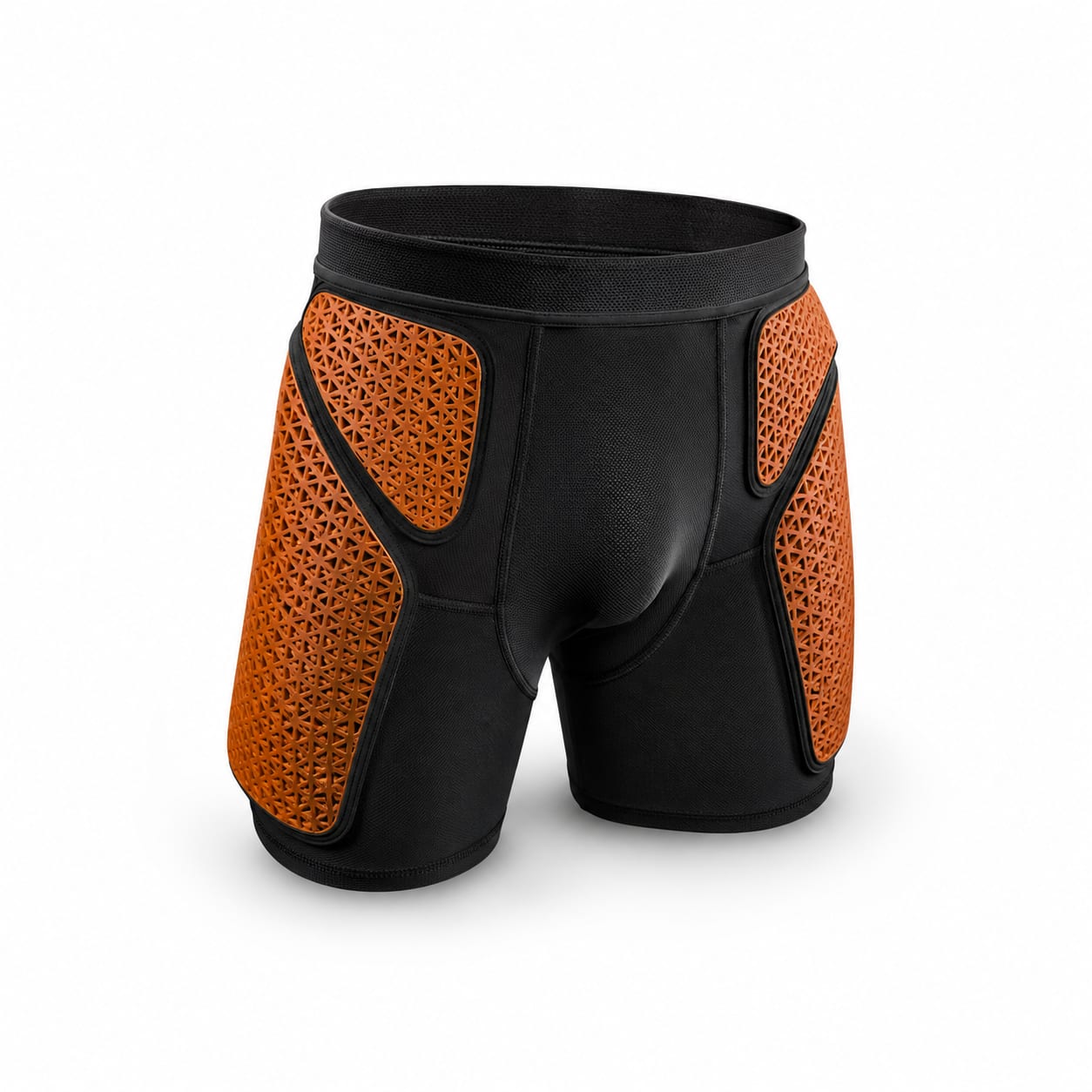
D3O / Smart Material Hip Protectors
$60 – $220
Hip protectors using reactive smart materials that remain flexible and harden instantly on impact.
Non-Newtonian reactive materialFlexible during wearInstant stiffening on impact
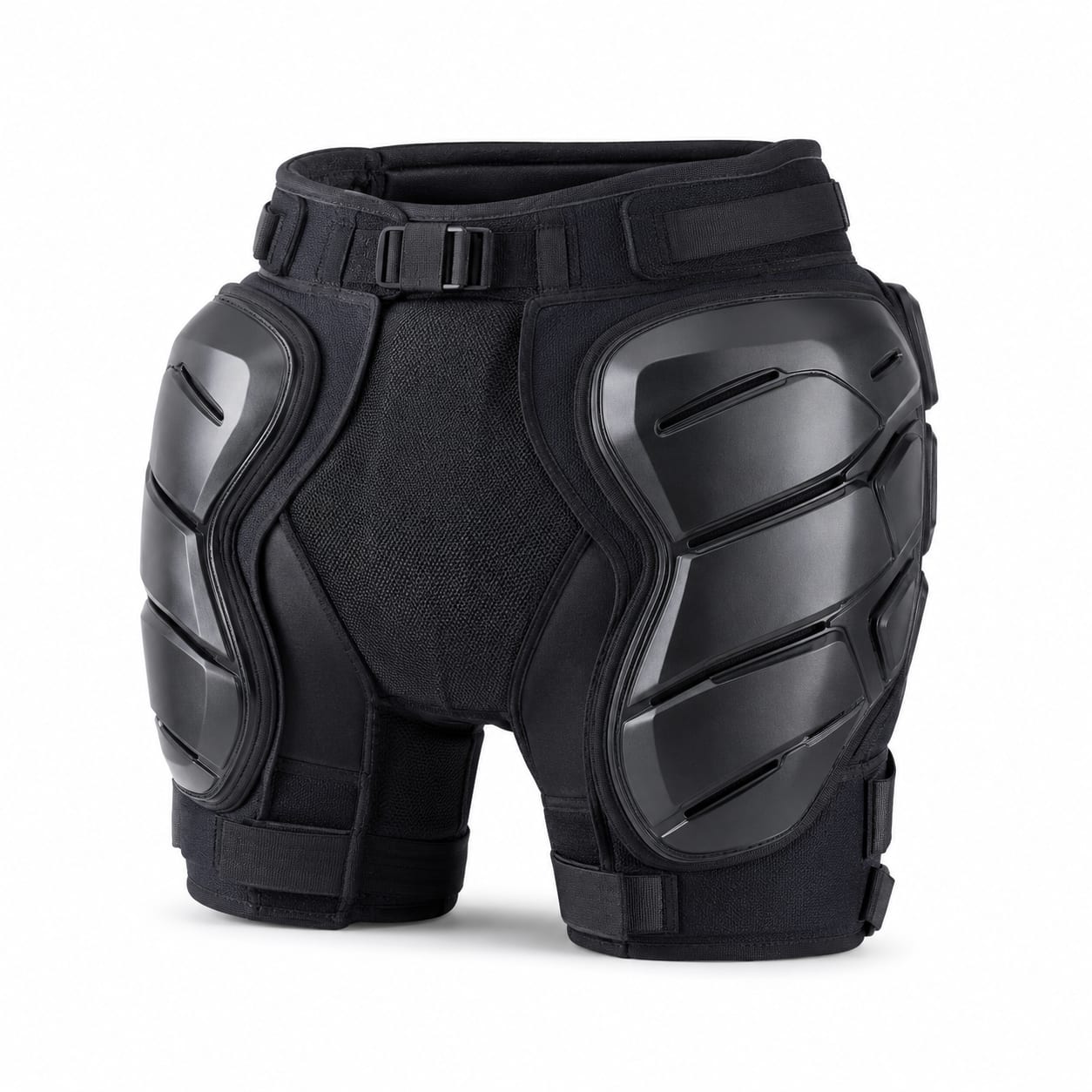
Hard Shell Hip Protectors
$50 – $200
Rigid plastic or composite shell hip protectors designed for maximum impact resistance and energy distribution.
Rigid outer shellWide impact distributionFoam inner layer
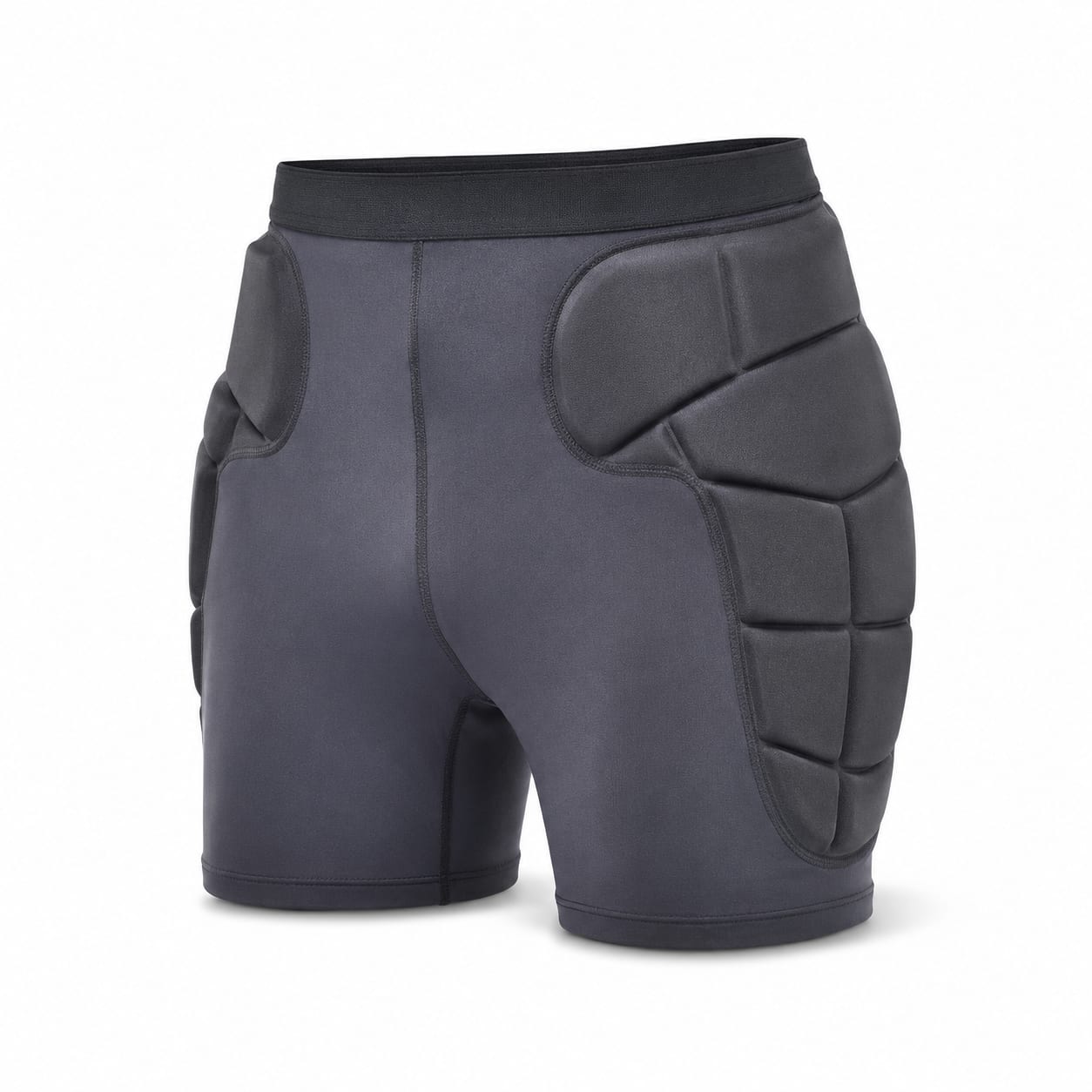
Soft Foam Hip Protectors
$25 – $90
Traditional flexible foam-padded hip protectors prioritizing comfort and everyday wearability.
EVA or PU foam paddingFlexible and comfortableLow profile
More questions
- Can a hip protector actually prevent a fracture if I have osteoporosis?
- I have arthritis in my hips and hands. What style of hip protector is easiest to put on?
- My doctor told me I have osteopenia but not osteoporosis. Do I still need CE Level 2 protection?
- How do I know if my hip protector pads are positioned correctly?