
Ski Hip Protectors · FAQ
Questions about Soft Foam Hip Protectors
Straight answers on fit, specs, and when this type makes sense — each topic has its own page with links back to the buying guide.
Open Soft Foam Hip Protectors guide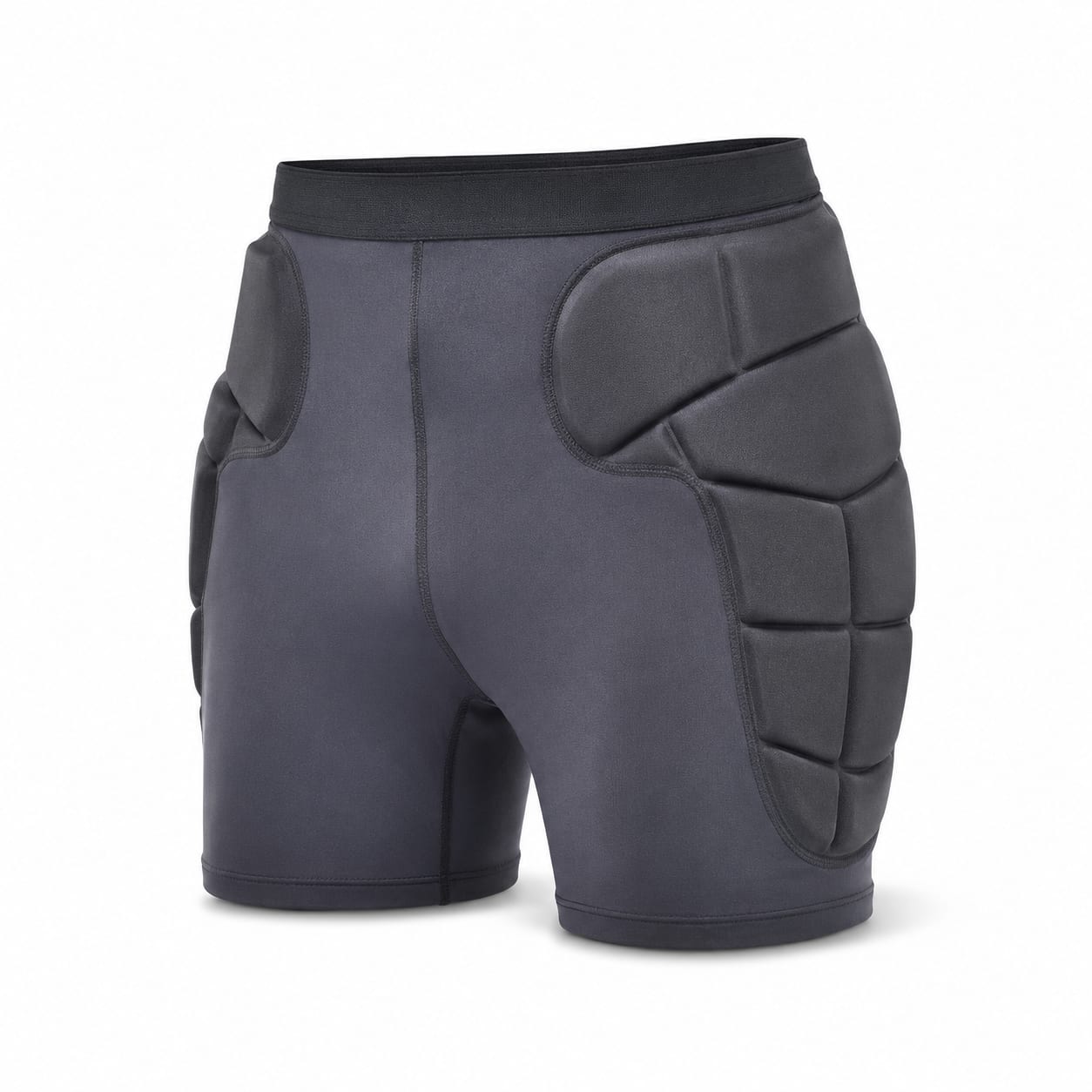
6 topics
Pick a question
Every answer links to the full subcategory guide and related gear types when it helps you decide.
Are soft foam hip protectors as effective as hard shell models?
Premium soft foam protectors using D3O or SAS-TEC can achieve the same CE Level 1 and Level 2 certifications as hard shell models, meaning they meet the same minimum protection standards. However, hard shell models typically transmit slightly less force within each certification level due to the shell's force distribution effect. For most recreational skiers, the difference is clinically insignificant, and the superior comfort and wear compliance of soft foam makes it more effective in practice—because the best protector is the one you actually wear.
Read answer →02How do I know if my soft foam hip protector still provides adequate protection?
Inspect your protector annually before each ski season. Press firmly on the foam pads—they should feel firm and spring back immediately, not stay compressed. Compare pad thickness to photos of a new model if possible. Check for cracks, tears, or permanent creases in the foam. If the elastic in the short has stretched significantly and no longer holds pads firmly against your body, the short should be replaced even if the pads are fine. After any significant impact, replace the protector regardless of visible condition.
Read answer →03Can I wear a soft foam hip protector under my regular ski pants?
Yes, most soft foam protectors are specifically designed to be worn under ski pants as a base or mid layer. Smart foam models (8-12 mm thick) are virtually invisible under normal ski pants. Thicker EVA foam models (15-20 mm) may be slightly visible under slim-fitting pants but fit comfortably under standard ski pants. Try the combination at home before your first ski day to ensure there's no pinching or restriction. If your ski pants are very tight, you may need a low-profile smart foam model or slightly larger pants.
Read answer →04Do I need CE Level 1 or Level 2 protection for recreational skiing?
CE Level 1 (≤18 kN force transmission) is sufficient for most recreational skiers and provides meaningful fracture risk reduction compared to no protection. Choose CE Level 2 (≤9 kN) if you have osteoporosis or osteopenia, are recovering from a hip injury, are over 65, or engage in higher-speed or freestyle skiing where impacts may be more severe. The additional protection of Level 2 is most valuable when fracture risk is elevated due to bone density or impact severity.
Read answer →05Why do women need gender-specific hip protectors?
Women's pelvises are wider than men's, which positions the greater trochanters (the bony prominences that hip protectors must cover) further apart. Unisex and men's protectors often place pads too close together for female anatomy, meaning the pads sit on the outer thigh rather than over the hip joint where fractures occur. Women's-specific models adjust pad spacing and hip-to-waist ratios for correct pad placement on the female body. Incorrect pad placement renders the protector ineffective regardless of its certification level.
Read answer →06How long do soft foam hip protectors last?
Smart foam protectors (D3O, SAS-TEC) typically maintain protective performance for 2-3+ ski seasons with regular use (20-40 days per season). EVA foam models degrade faster, showing compression after 1-2 seasons. The fabric and elastic components of impact shorts typically wear out before the foam pads—expect 2-3 seasons from the short itself. Removable pad systems are more economical long-term because you can replace just the short when elastic degrades. Always inspect annually and replace after any significant impact event.
Read answer →