
Premium soft foam protectors using D3O or SAS-TEC can achieve the same CE Level 1 and Level 2 certifications as hard shell models, meaning they meet the same minimum protection standards. However, hard shell models typically transmit slightly less force within each certification level due to the shell's force distribution effect. For most recreational skiers, the difference is clinically insignificant, and the superior comfort and wear compliance of soft foam makes it more effective in practice—because the best protector is the one you actually wear.
Ski Hip Protectors · Soft Foam Hip Protectors
Are soft foam hip protectors as effective as hard shell models?
Related gear types
If this answer nudged you toward a different style, these guides compare specs and trade-offs.
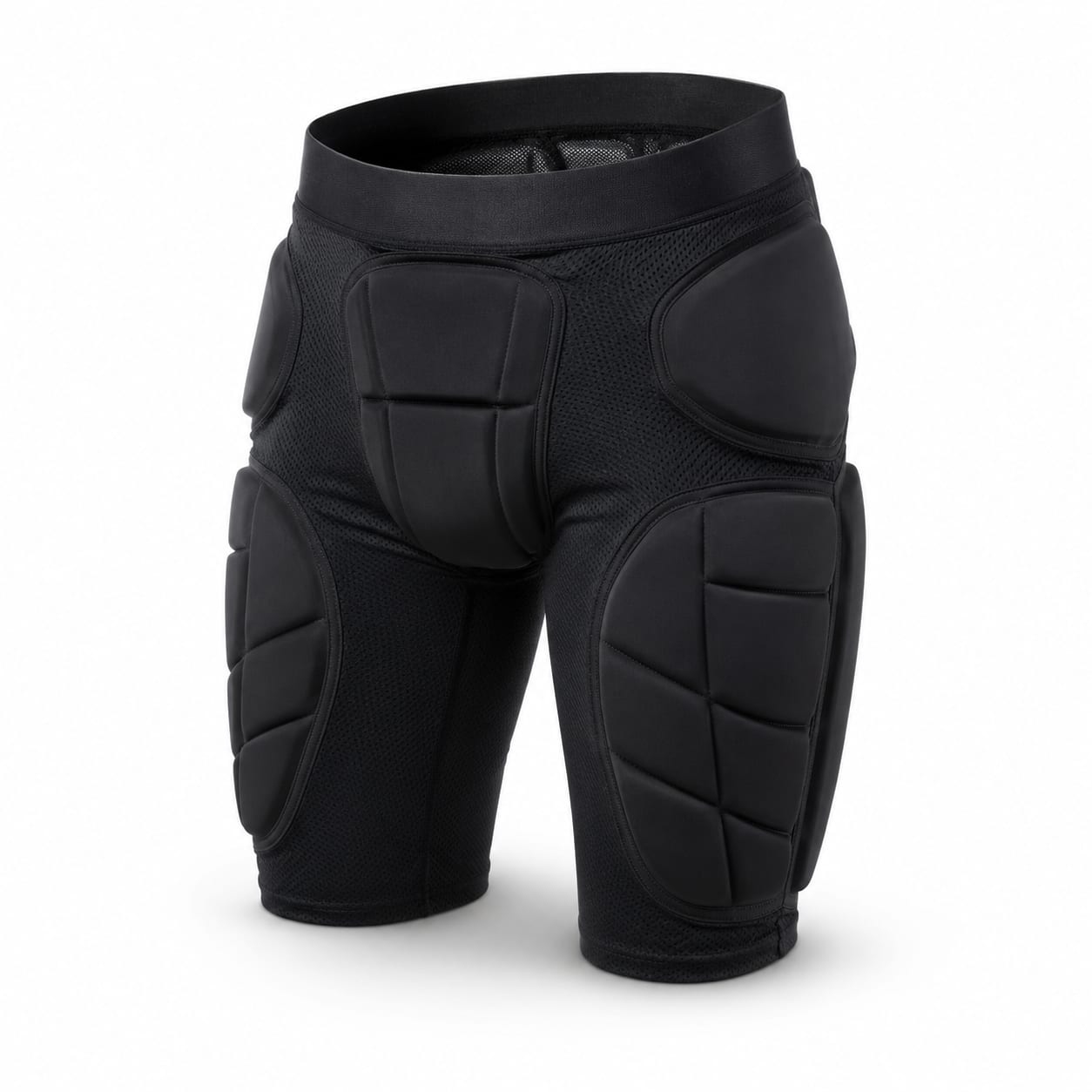
Impact Shorts / Crash Pants
$40 – $180
Full-length padded shorts providing multi-zone protection for hips, tailbone, and thighs.
Multi-zone paddingIntegrated short designRemovable or fixed pads
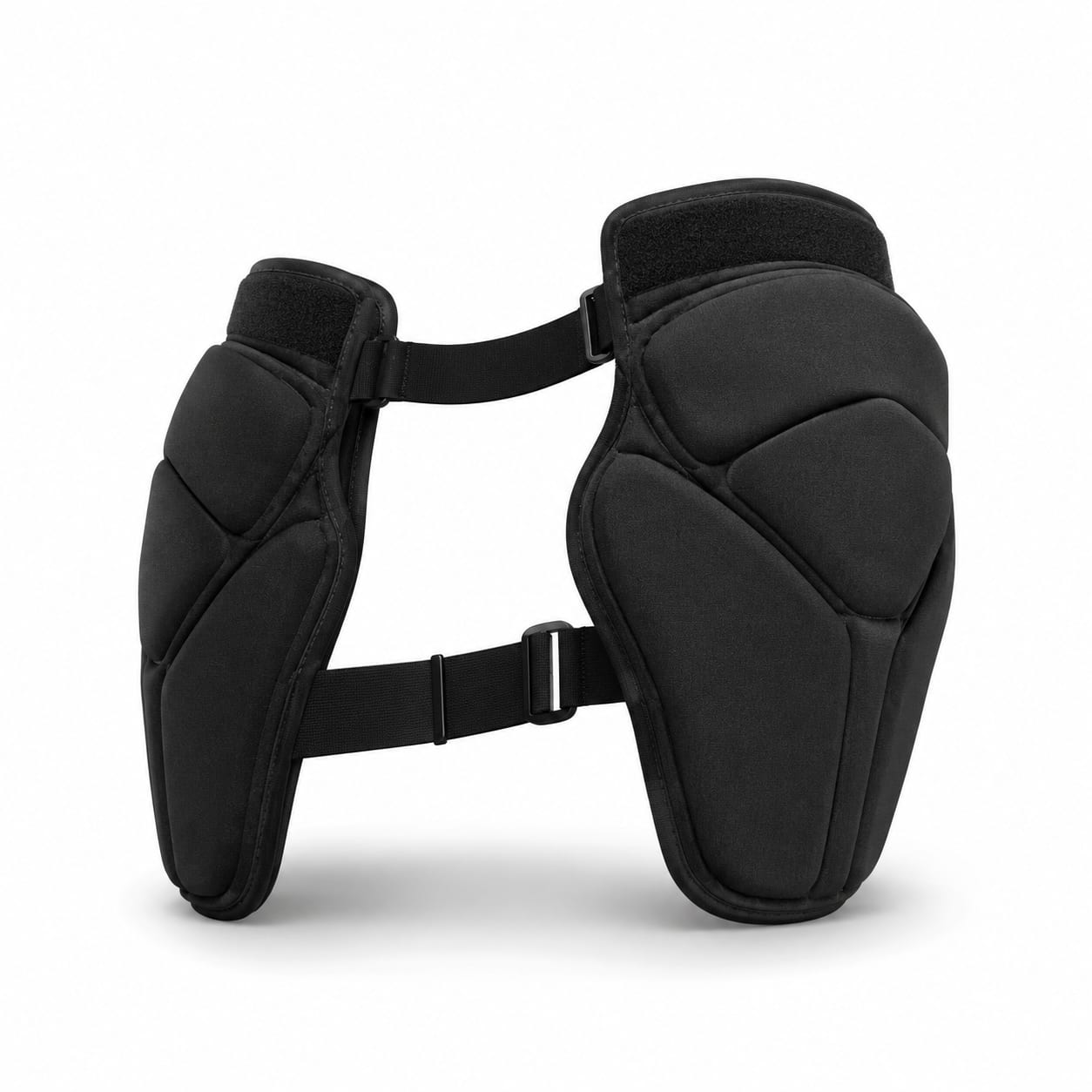
Standalone Hip Pads / Shields
$20 – $80
Individual hip pads that attach via straps or slip into compatible clothing pockets.
Hip-only coverageStrap-on or insert designLow profile
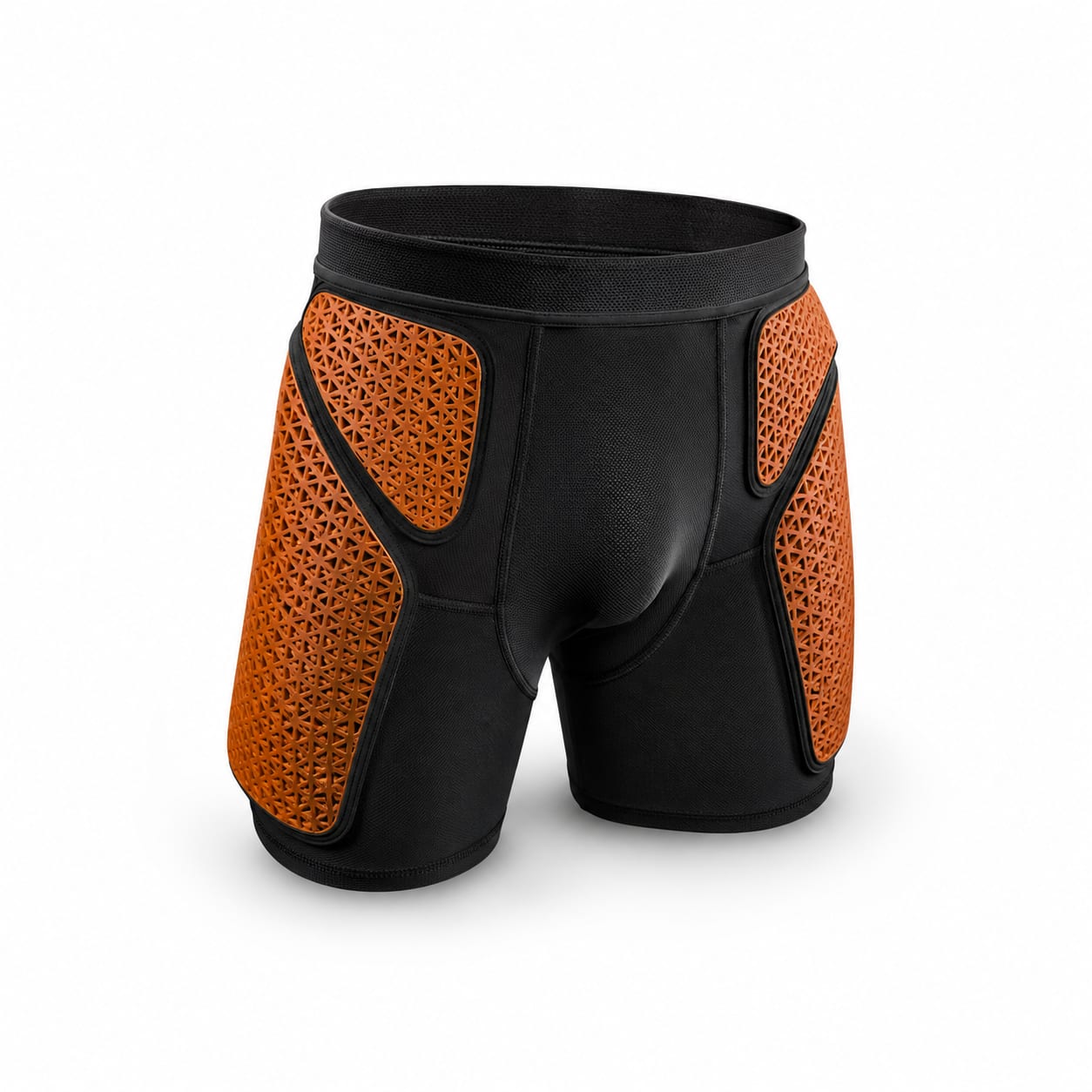
D3O / Smart Material Hip Protectors
$60 – $220
Hip protectors using reactive smart materials that remain flexible and harden instantly on impact.
Non-Newtonian reactive materialFlexible during wearInstant stiffening on impact
More questions
- How do I know if my soft foam hip protector still provides adequate protection?
- Can I wear a soft foam hip protector under my regular ski pants?
- Do I need CE Level 1 or Level 2 protection for recreational skiing?
- Why do women need gender-specific hip protectors?