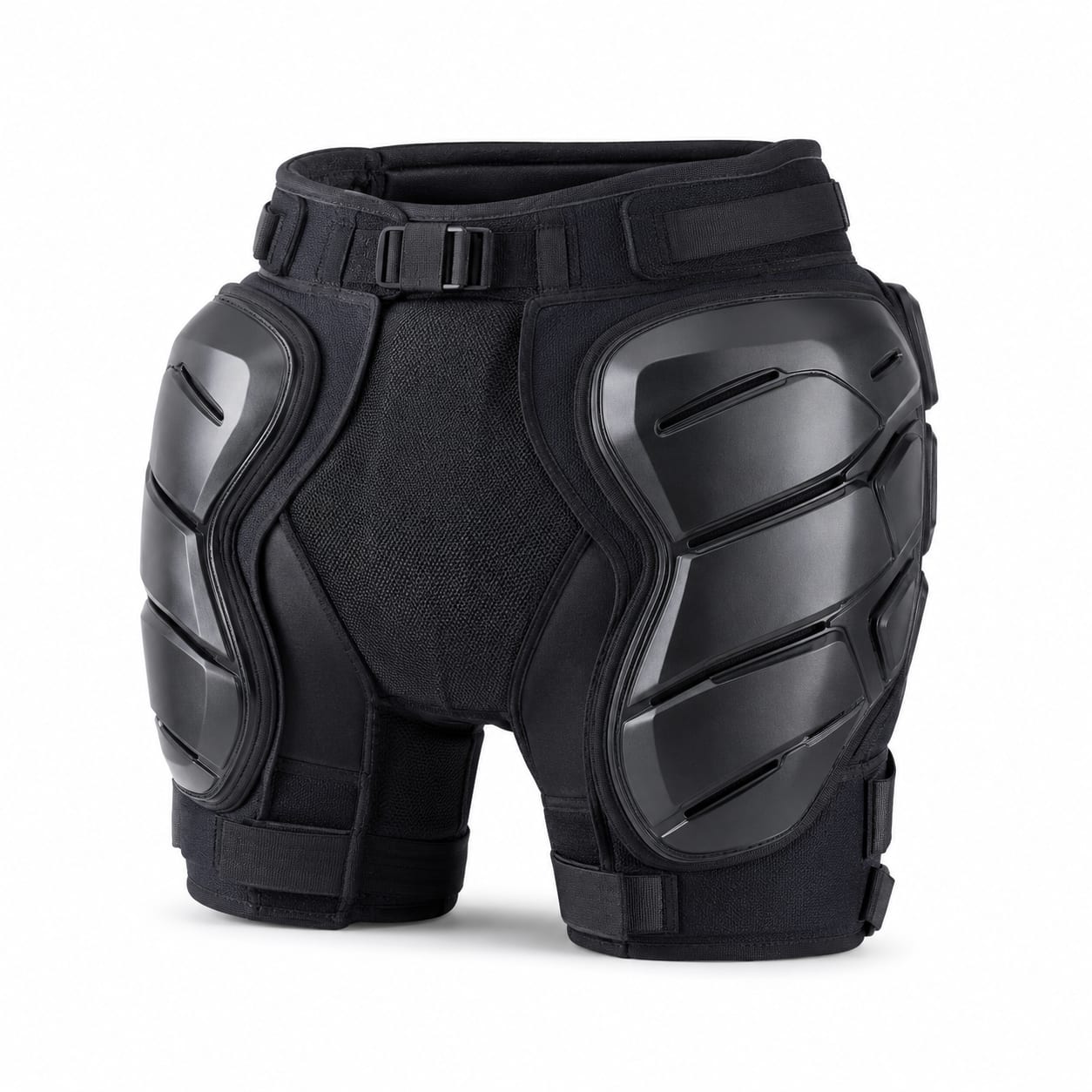
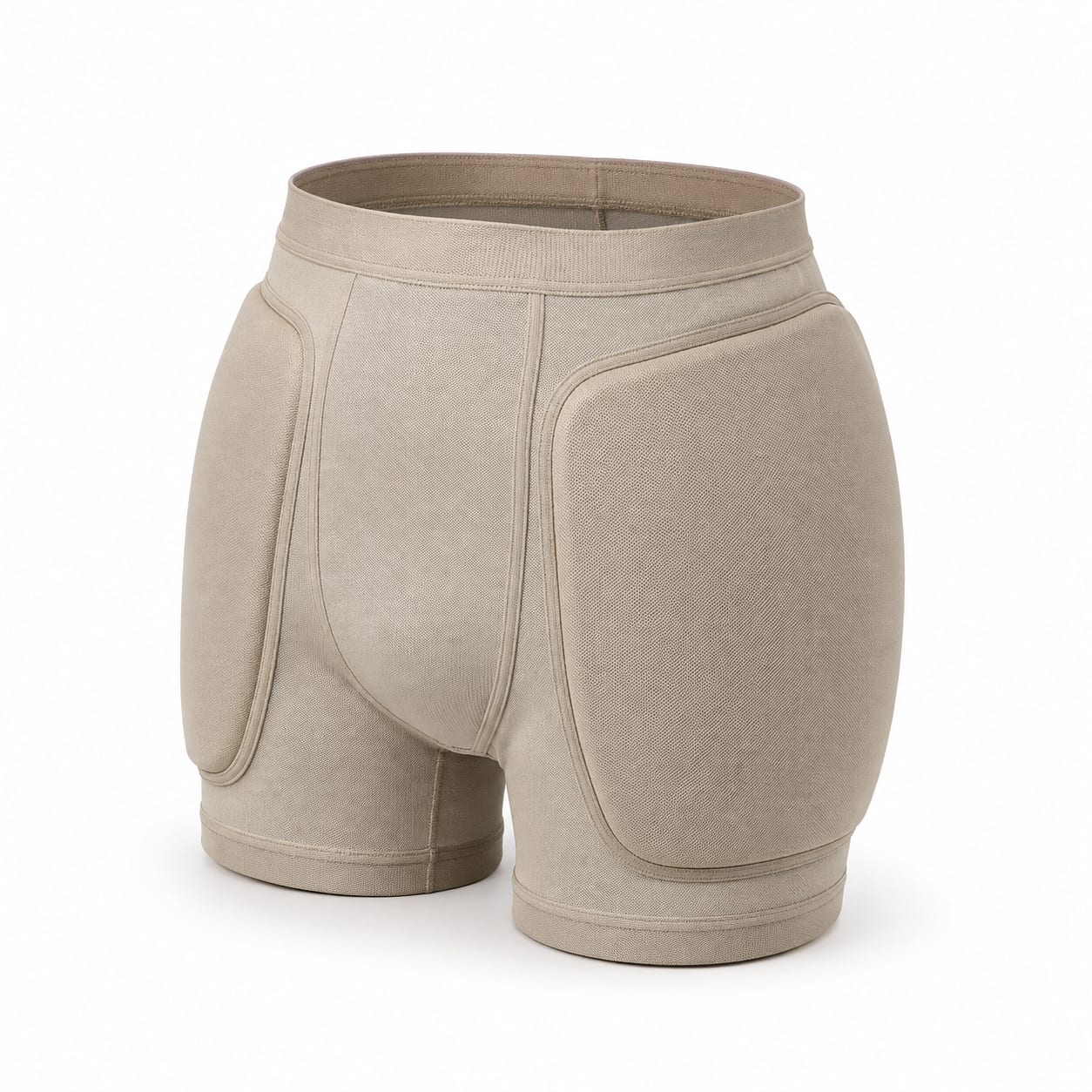
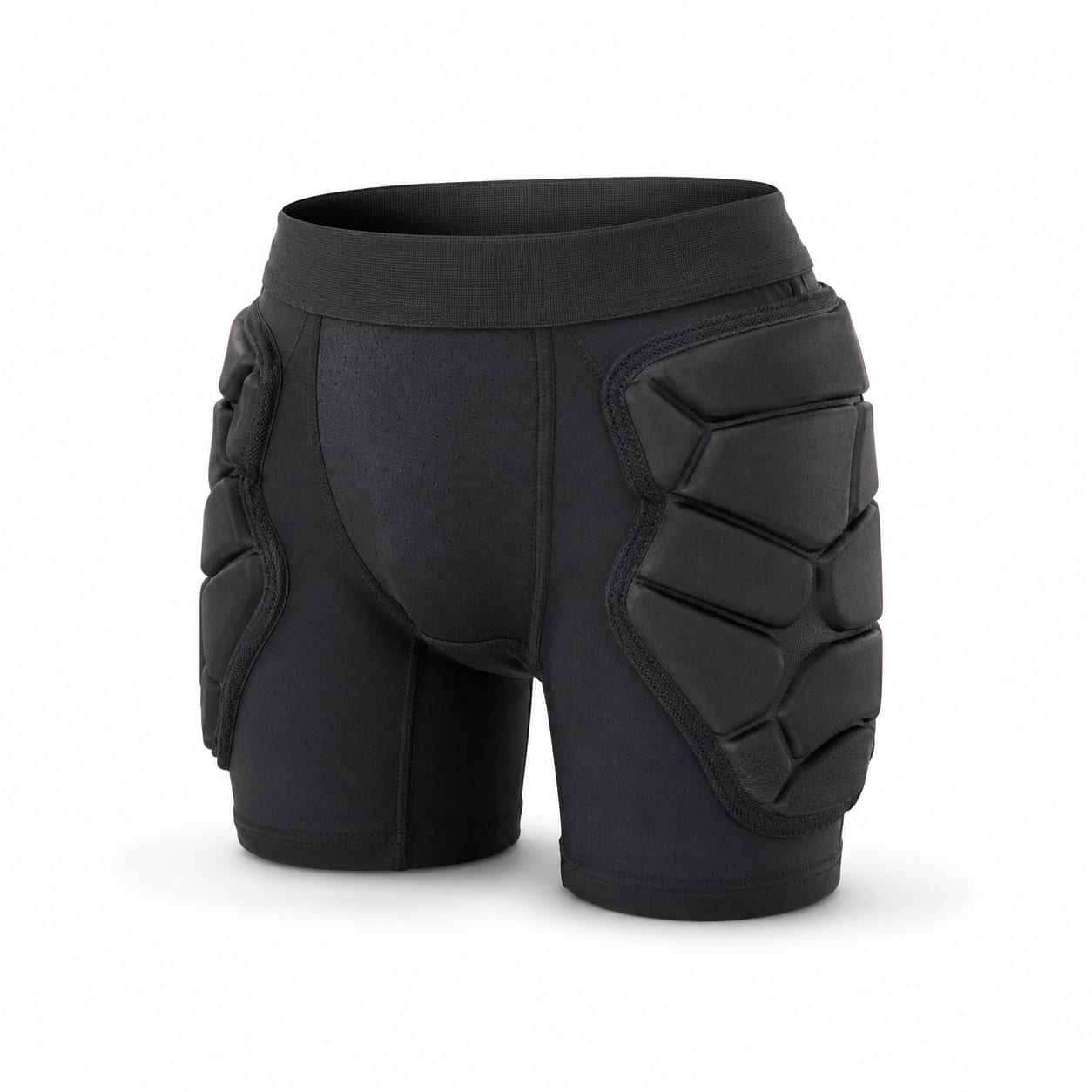
Protection Level / Certification
Protection Level / Certification
What it means
The certified level of impact protection, typically based on EN 1621-1 or similar standards, indicating how much force is transmitted through the protector.
Typical for this type
CE Level 1 For Recreational Skiing; CE Level 2 For Osteoporosis, Injury Recovery, Or High-Speed Skiing
In practice
Most soft foam hip protectors carry CE Level 1 certification (≤18 kN force transmission). Premium models using D3O or SAS-TEC can achieve CE Level 2 (≤9 kN) while maintaining a soft, flexible feel. Non-certified options exist at the budget end but offer unverified protection.
Compared to other types
Soft foam protectors achieve the same CE certifications as hard shell models but typically at the cost of slightly higher force transmission within each level. Hard shell designs more consistently achieve the lower end of Level 2 performance.
Why it matters: Certification is the only objective measure of whether a protector will actually reduce fracture risk in a real fall. Without it, you're relying on marketing claims rather than tested performance.
Padding Material
Padding Material
What it means
The type of impact-absorbing foam or material used in the protector, which determines flexibility, weight, and impact response behavior.
Typical for this type
D3O Or SAS-TEC For Best Comfort-To-Protection Ratio; EVA Foam For Budget-Conscious Buyers
Most common pick: D3O Or EVA Foam
In practice
D3O is the most common premium material in soft foam protectors—it's soft and flexible at rest but instantly hardens on impact. SAS-TEC offers similar viscoelastic behavior with slightly firmer feel. Poron XRD provides excellent absorption in a thin profile. EVA foam is the budget standard, offering decent basic cushioning but less responsive impact performance and faster degradation.
Compared to other types
This subcategory excludes hard shell (PE/PP) materials. Compared to hard shell protectors, soft foam materials are more comfortable and lower profile but may transmit slightly more force in extreme impacts.
Why it matters: Material determines the fundamental trade-off between comfort, protection, thickness, and longevity. Smart foams enable thin, comfortable protectors that still pass CE certification.
Construction Type
Construction Type
What it means
The overall design and form factor of the hip protector, affecting how it is worn and what areas it covers.
Typical for this type
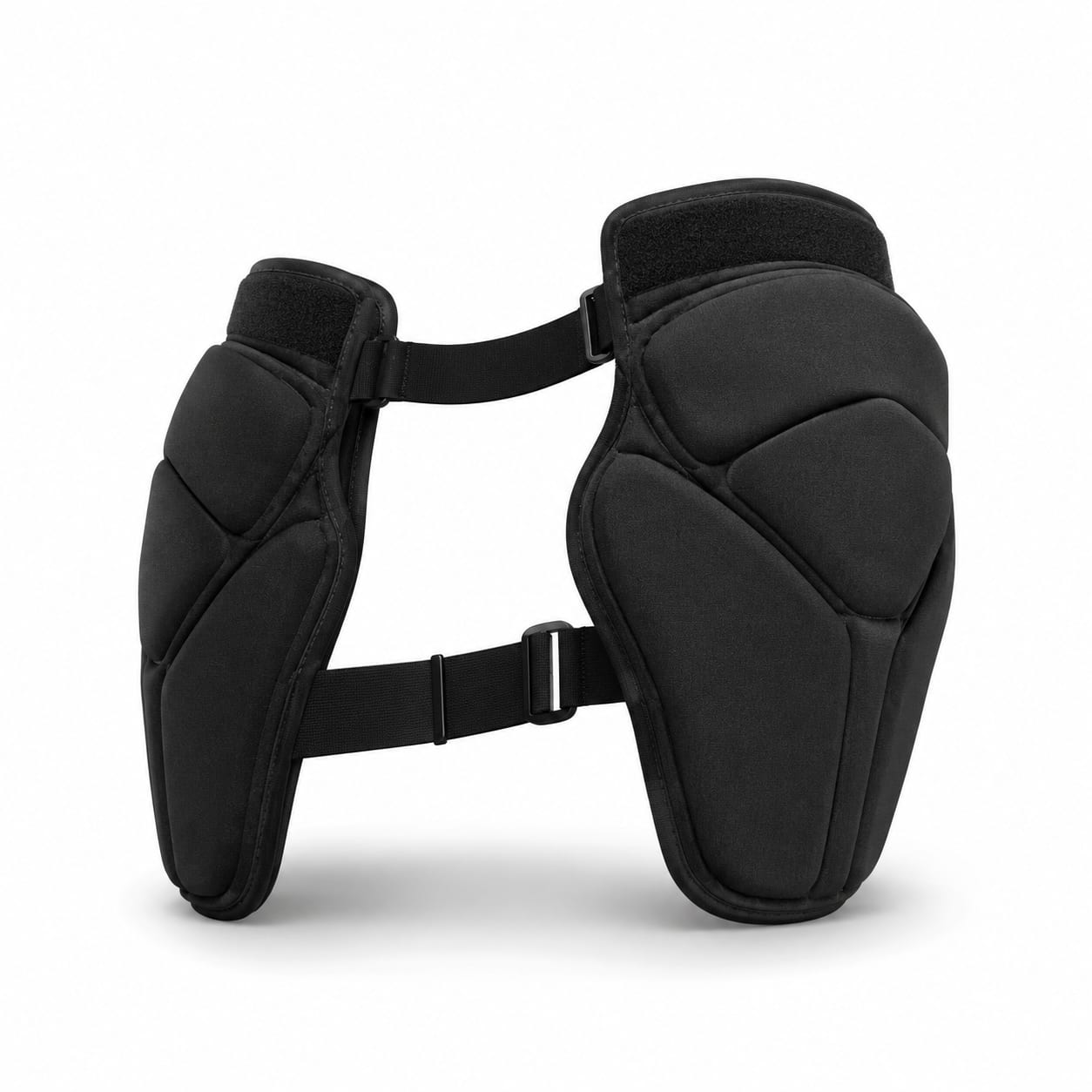
Impact Shorts For Most Skiers; Wrap/Belt For Targeted Hip-Only Protection; Pad Inserts For Modularity
Most common pick: Impact Shorts (Full Short)
In practice
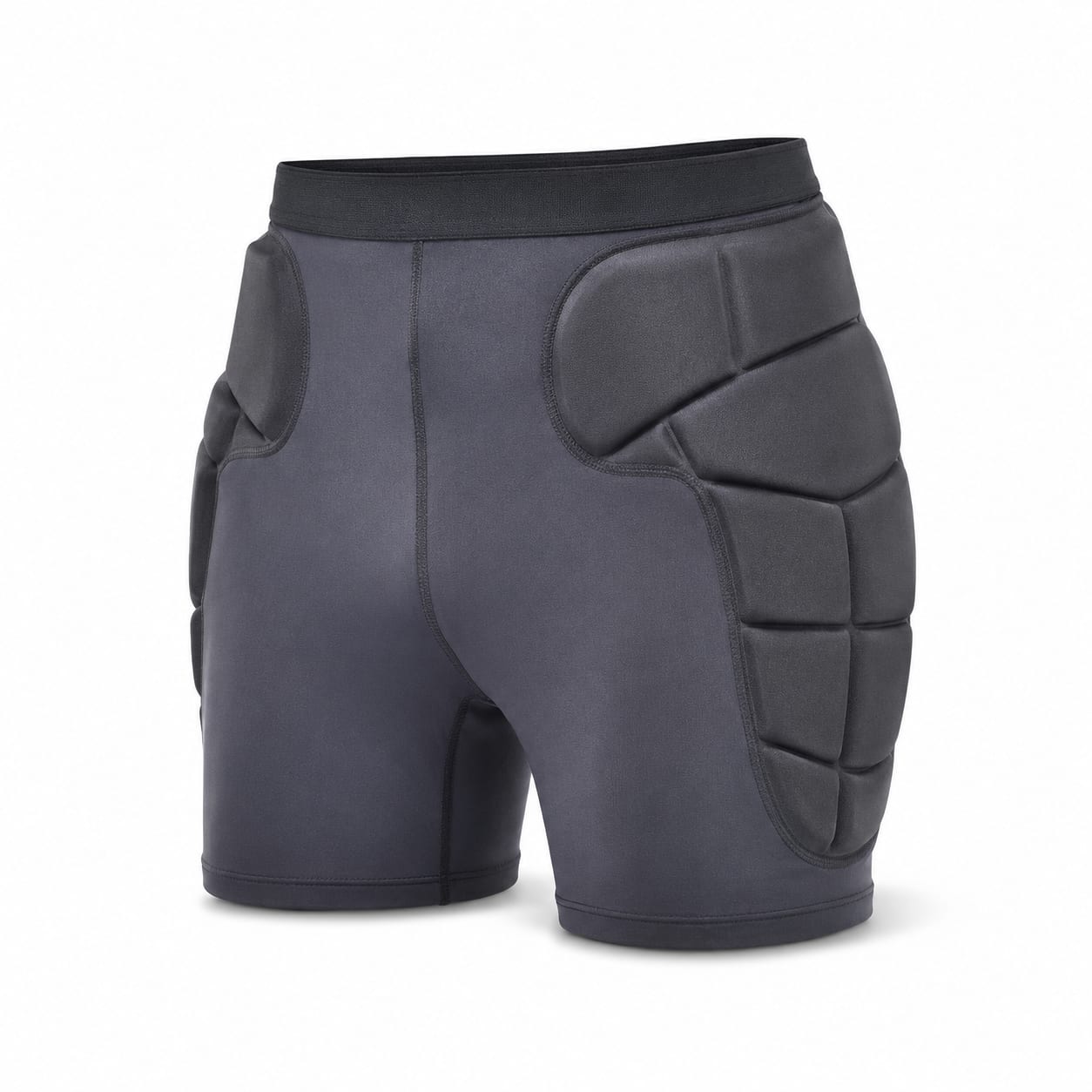
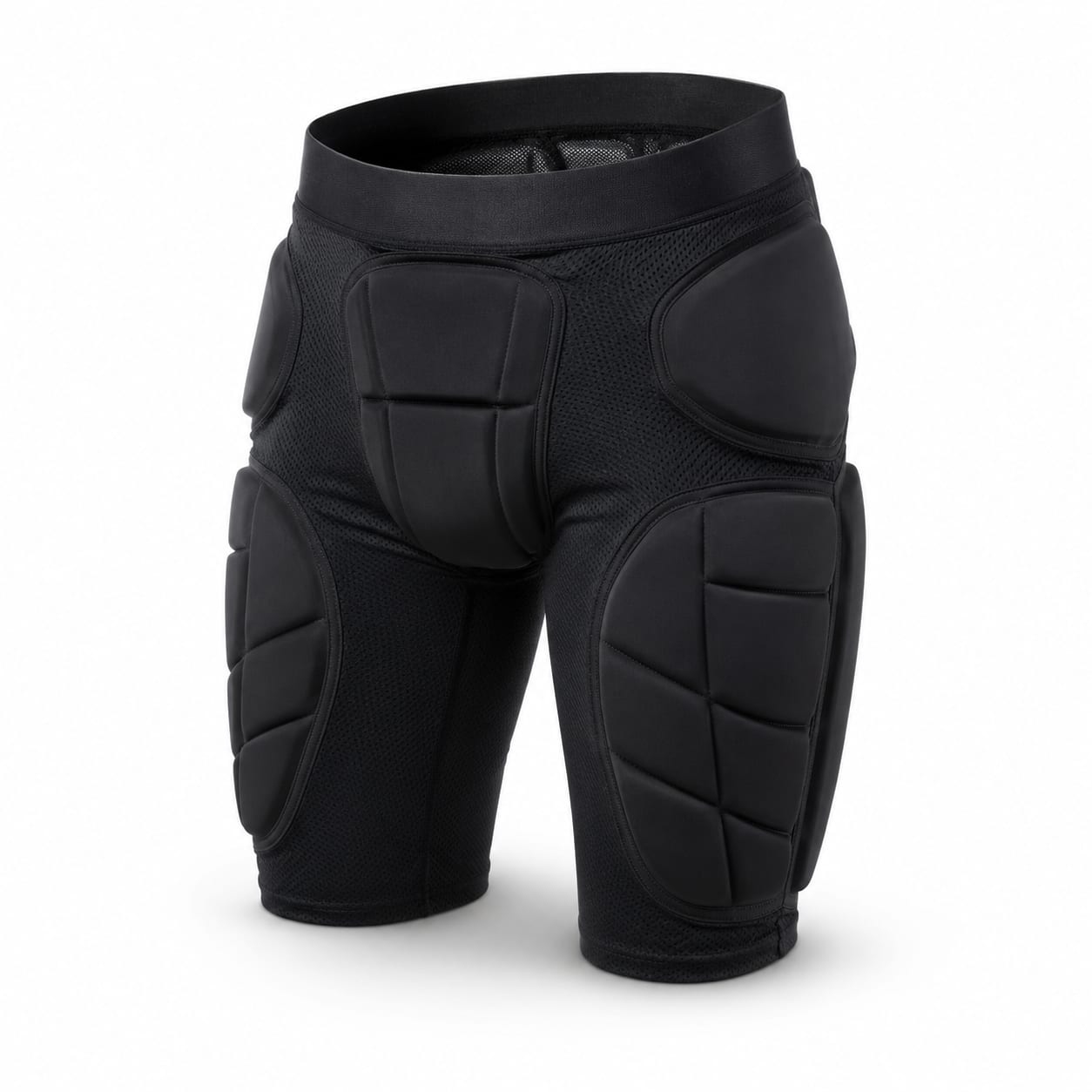
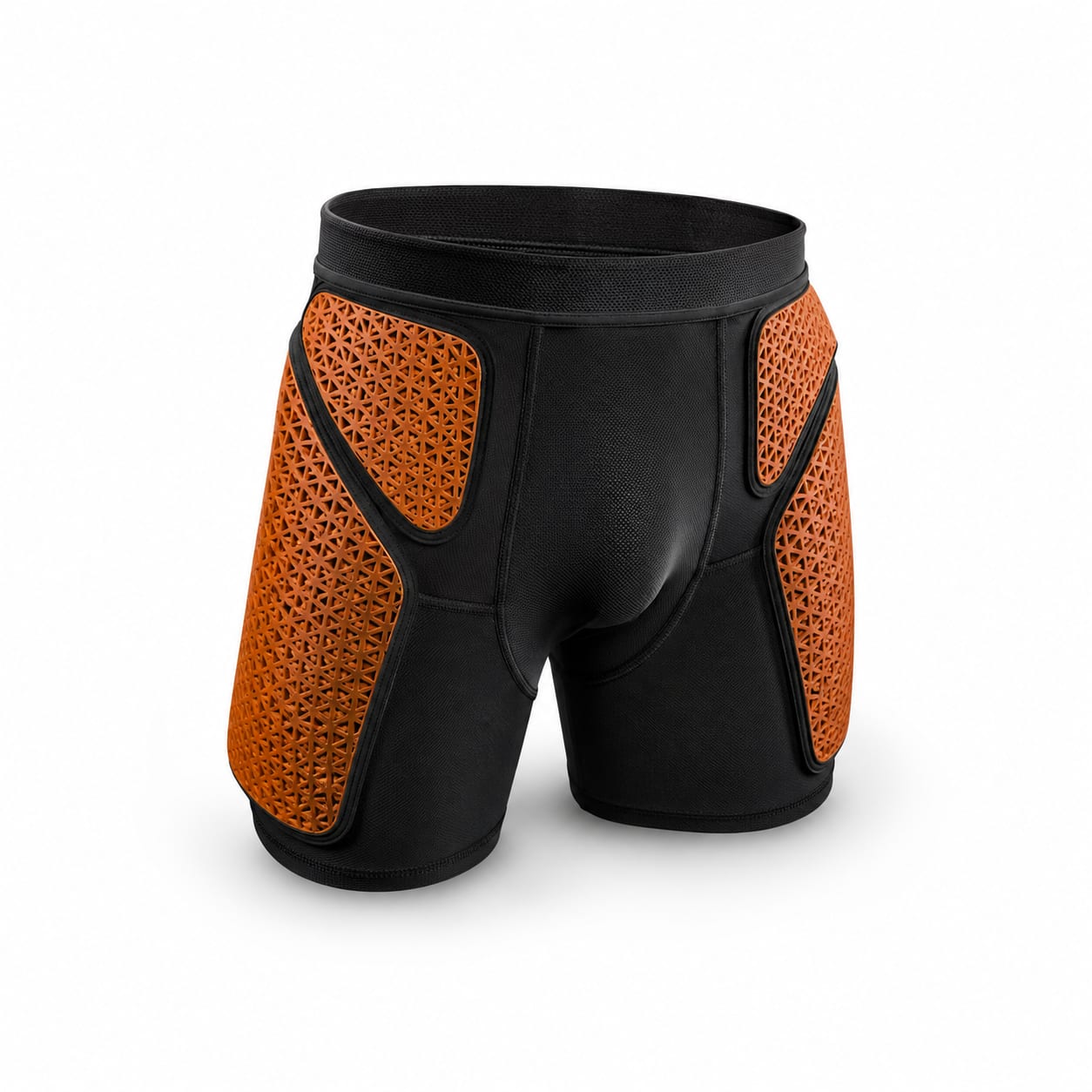
Impact shorts are the dominant construction, offering secure pad positioning plus tailbone and often thigh coverage. Wrap/belt styles are lighter and cooler but may shift during active skiing. Removable pad inserts provide washing convenience and future upgradeability. Strap-on pads are rare in this subcategory due to shifting risk.
Compared to other types
Soft foam protectors use the same construction types as other subcategories but excel in impact short designs where the foam's flexibility makes the short comfortable throughout a full range of motion.
Why it matters: Construction type determines coverage scope, how securely pads stay in place, warmth, and ease of use—all critical factors for real-world effectiveness.
What it means
The size of the hip protector, typically based on waist or hip circumference, which determines fit and pad positioning.
Typical for this type
Measure Waist And Hips; Consult Brand-Specific Size Chart; When Between Sizes, Size Up Slightly
Most common pick: Based On Hip Circumference; Varies By Brand
In practice
Sizing is critical because soft foam protectors rely on compression fit to keep pads positioned over the greater trochanter. Sizes range from XS (waist 60-70 cm) to XXL (waist 112-125 cm), but brand variation is significant. A protector that's too large allows pads to shift off-target; too small causes riding up above the hip joint.
Compared to other types
Sizing is equally critical across all hip protector subcategories, but soft foam compression shorts are particularly sensitive to sizing because they lack rigid structures that maintain pad position independently of fit.
Why it matters: Incorrect sizing renders even the best protector ineffective—pads must cover the greater trochanter to prevent fractures, and misaligned pads provide minimal protection.
Padding Thickness
Padding Thickness
What it means
The thickness of the protective padding at the hip, which affects both the level of protection and the bulk under clothing.
Typical for this type
8-12 mm for smart foams (D3O, SAS-TEC, Poron XRD); 15-20 Mm For EVA Foam
Most common pick: 10 mm
In practice
Smart foam protectors typically use 8-12 mm padding because the material's impact-responsive behavior provides high protection per millimeter. EVA foam protectors require 15-20 mm to achieve comparable absorption due to the material's less responsive nature. Thinner smart foam pads are far more discreet under clothing.
Compared to other types
Soft foam protectors are generally thinner than hard shell models, which often add 5-10 mm of rigid shell on top of foam padding. Smart foam soft protectors achieve the thinnest profiles of any certified hip protection.
Why it matters: Thickness affects both protection level and wearability. Thicker pads are more visible and can restrict movement or be uncomfortable under ski pants, potentially discouraging use.
Coverage Area
Coverage Area
What it means
The body areas protected by the hip protector beyond the basic hip joint.
Typical for this type
Hip Joint Is Essential; Add Tailbone For Beginners; Add Side Hip And Outer Thigh For Comprehensive Protection
Most common pick: Hip Joint + Tailbone
In practice
Most soft foam impact shorts cover the hip joint (greater trochanter) and tailbone as standard. Side hip (iliac crest) coverage is common in mid-to-premium models. Outer thigh and buttocks coverage appears in comprehensive designs but adds bulk and warmth. Wrap/belt styles typically cover only the hip joint and possibly side hip.
Compared to other types
Soft foam protectors offer the same coverage options as hard shell models but the flexible foam makes additional coverage areas less restrictive and more comfortable during active skiing.
Why it matters: The greater trochanter is the primary fracture site and must be covered. Tailbone protection is crucial for beginners who fall backward. Additional coverage areas provide more comprehensive protection but with diminishing returns and increasing comfort trade-offs.
What it means
The total weight of the hip protector, affecting comfort and fatigue during a full day of skiing.
Typical for this type
200-350 g for most recreational skiers; up to 450 g for comprehensive coverage models
Most common pick: 280 g
In practice
Soft foam protectors using smart materials in impact short construction typically weigh 200-350 g. Models with extensive coverage (tailbone, thighs, buttocks) reach 350-450 g. Lightweight wrap/belt styles can be as light as 150-200 g. The weight is distributed around the hips and barely noticeable during skiing.
Compared to other types
Soft foam protectors are generally lighter than hard shell models of equivalent coverage, as they lack rigid plastic components. A typical soft foam impact short is 50-150 g lighter than a comparable hard shell design.
Why it matters: While weight is less noticeable than poor fit or restricted movement, lighter protectors are more comfortable for all-day wear and less fatiguing on long ski days.
Breathability
Breathability
What it means
The ability of the protector to allow moisture vapor and heat to escape, preventing overheating and sweat accumulation.
Typical for this type
Moderate For All-Season Use; High For Spring Skiing Or Hot-Natured Skiers
In practice
Most soft foam impact shorts offer moderate breathability with moisture-wicking fabrics and some mesh panels. The foam pads themselves are not breathable, so ventilation comes from the surrounding fabric construction. Premium models add ventilation channels behind the pads. High-breathability options use extensive mesh but may sacrifice some durability.
Compared to other types
Soft foam protectors are generally more breathable than hard shell models because foam doesn't create the same vapor barrier as solid plastic shells. The flexible construction also allows better air circulation during movement.
Why it matters: Hip protectors are worn under ski pants, creating a double layer of insulation. Poor breathability leads to sweat accumulation, discomfort, and potential chilling during lift rides.
Mobility / Range of Motion
Mobility / Range of Motion
What it means
How freely the wearer can move while wearing the protector, affecting skiing technique and comfort.
Typical for this type
Unrestricted to Slightly Restricted For Best Skiing Experience
In practice
Smart foam protectors (D3O, SAS-TEC, Poron XRD) in impact short construction typically offer unrestricted to slightly restricted mobility—they feel like slightly thicker compression shorts. EVA foam models with thicker padding may feel slightly to moderately restricted, especially in deep hip flexion. The difference is most noticeable when hiking or performing deep squats.
Compared to other types
Soft foam protectors offer significantly better mobility than hard shell models, which are typically moderately restricted. This is the primary advantage of soft foam and the main reason it's the preferred choice for recreational skiing.
Why it matters: Restricted mobility affects skiing technique and enjoyment. If a protector significantly limits movement, skiers will avoid wearing it, negating any protective benefit.
Layer Compatibility
Layer Compatibility
What it means
How the hip protector is designed to be worn in relation to other layers—under or over base layers and ski pants.
Typical for this type
Base Layer For Best Pad Positioning; Mid Layer If You Prefer A Moisture-Wicking Base Underneath
Most common pick: Base Layer (Next-To-Skin)
In practice
Most soft foam impact shorts are designed to be worn directly against skin or over thin underwear as a base layer. This provides the most secure pad positioning and least shifting. Some skiers prefer wearing them over a thin moisture-wicking base layer (mid layer position) for better sweat management, though this can allow slightly more pad movement.
Compared to other types
Soft foam protectors are almost exclusively designed as base or mid layers, unlike hard shell models which sometimes feature over-pants designs for racing applications.
Why it matters: Layer compatibility affects pad stability, temperature regulation, and comfort. Wearing a protector in a way it wasn't designed for can compromise protection or comfort.
Closure System
Closure System
What it means
How the hip protector secures to the body, affecting ease of use, adjustability, and stability during activity.
Typical for this type
Pull-On For Most Skiers; Zip Closure For Convenience; Avoid Velcro For Active Skiing
Most common pick: Pull-On (Compression Short)
In practice
Pull-on compression shorts are the most common and secure closure for soft foam protectors. They provide the best pad stability through consistent compression fit. Some models add a zip closure at the front for easier on/off. Velcro closures appear on wrap/belt styles but can loosen during active use. The pull-on design's main drawback is difficulty removing when damp with sweat.
Compared to other types
Soft foam protectors predominantly use pull-on and zip closures. Hard shell models more commonly feature snap/buckle closures for over-pants racing designs.
Why it matters: Closure system affects pad stability during activity and ease of use. For skiing where pad positioning is safety-critical, pull-on compression provides the most reliable performance.
What it means
How the hip protector can be cleaned, important for hygiene during multi-day ski trips.
Typical for this type
Machine Washable With Removable Pads For Best Hygiene And Pad Longevity
Most common pick: Machine Washable (Pads Removed)
In practice
The most practical soft foam protectors feature removable pads that allow the short to be machine washed while pads are hand-washed or wiped clean. This extends pad life (smart foams degrade with machine washing) and ensures hygiene on multi-day trips. Some budget models have permanently integrated pads that can be machine washed together, but this reduces pad lifespan. Full machine wash with pads is convenient but may degrade impact foam over repeated cycles.
Compared to other types
Soft foam protectors with removable pads are easier to wash than hard shell models with permanently attached components. The foam pads themselves require gentler care than hard shells.
Why it matters: Skiing is sweaty work, and next-to-skin protectors need regular washing. Removable pads offer the best balance of hygiene and pad longevity.
Gender-Specific Fit
Gender-Specific Fit
What it means
Whether the protector is designed for specific body proportions, as hip shape and pad placement differ between men and women.
Typical for this type
Women Should Seek Women'S-Specific Models; Men Should Use Men'S Or Unisex; Youth For Children
Most common pick: Available In Men'S, Women'S, And Unisex
In practice
Quality soft foam protectors are available in gender-specific cuts. Women's models feature wider hip proportions and pad spacing adjusted for the female pelvis, where the greater trochanters are positioned further apart. Men's models have narrower hip-to-waist ratios. Unisex models compromise between both. Youth sizes are essential for children as adult pads won't stay positioned on smaller frames.
Compared to other types
Gender-specific fit is equally important across all hip protector subcategories, but the flexible nature of soft foam makes the fit differences more subtle and easier to get wrong—rigid shells are more obviously misaligned.
Why it matters: Incorrect pad placement due to poor gender fit renders protection ineffective. The greater trochanter must be covered, and pelvic geometry differs significantly between sexes.
Low Profile / Discretion
Low Profile / Discretion
What it means
How visible the protector is under ski clothing, affecting aesthetic preference and willingness to wear.
Typical for this type
Ultra Low Profile For Style-Conscious Skiers; Low Profile For Most; Standard Profile For Maximum Protection
Most common pick: Low Profile
In practice
Soft foam protectors excel in discretion. Smart foam models (D3O, Poron XRD) achieve ultra low to low profile at 8-12 mm thickness—virtually invisible under normal ski pants. EVA foam models at 15-20 mm thickness are low to standard profile, slightly visible under slim pants but not under normal ski pants. This discretion is a major advantage over hard shell designs.
Compared to other types
Soft foam protectors offer significantly better discretion than hard shell models. This is one of the category's strongest advantages—smart foam protectors can be virtually invisible under clothing while still providing CE-certified protection.
Why it matters: If a protector is too visible or bulky, skiers are less likely to wear it consistently. Discretion directly impacts real-world protection by affecting compliance.
Impact Absorption Rating
Impact Absorption Rating
What it means
The measured force transmission through the protector during standardized impact testing, indicating real protective performance.
Typical for this type
Under 18 KN (CE Level 1 Minimum); Under 10 KN For Meaningful Fracture Risk Reduction
Most common pick: 12 kN
In practice
Soft foam protectors typically transmit 10-18 kN in standardized testing. Premium smart foam models achieve 8-12 kN, qualifying for CE Level 2. Mid-range EVA foam models typically transmit 14-18 kN (CE Level 1). Non-certified budget options may transmit 18-25 kN. For context, hip fractures can occur at 3-10 kN depending on bone density, so lower transmission values are significantly better for fracture prevention.
Compared to other types
Hard shell protectors generally achieve slightly lower force transmission (5-9 kN for Level 2 models) due to the shell's force distribution effect. However, top-tier smart foam soft protectors approach hard shell performance within the same certification level.
Why it matters: Impact absorption is the core function. Lower kN values mean less force reaches the hip bone, directly reducing fracture risk. This is the most important performance metric.
Antimicrobial Treatment
Antimicrobial Treatment
What it means
Whether the protector has antimicrobial or odor-control treatment to prevent bacterial growth during multi-day use.
Typical for this type
Recommended For Multi-Day Ski Trips; Not Critical For Day Trips With Regular Washing
Most common pick: True
In practice
Most quality soft foam protectors include antimicrobial or odor-control treatment on the fabric component. This helps manage odor and bacterial growth during multi-day use when washing isn't practical. The foam pads themselves are typically odor-resistant by nature. Antimicrobial treatment is a convenience feature, not a safety feature.
Compared to other types
Antimicrobial treatment is more relevant for soft foam protectors worn as base layers than for hard shell over-pants designs that don't contact skin directly.
Why it matters: On multi-day ski trips, antimicrobial treatment keeps the protector fresher and more pleasant to wear, improving compliance. It doesn't replace regular washing.
Durability / Lifespan
Durability / Lifespan
What it means
How long the protector maintains its protective qualities under regular use, as impact foams can degrade over time.
Typical for this type
High Durability Smart Foam Models (3+ Seasons) For Regular Skiers; Inspect Annually Regardless
Most common pick: Moderate Durability (2-3 Seasons)
In practice
Smart foam protectors (D3O, SAS-TEC) typically maintain protective performance for 2-3+ seasons with regular use—the materials resist permanent compression well. EVA foam models degrade faster, showing compression set after 1-2 seasons. The fabric and elastic components of impact shorts typically wear out before the foam pads themselves. Removable pad systems allow replacing just the short when elastic degrades.
Compared to other types
Soft foam protectors have shorter lifespans than hard shell models, where the rigid plastic is essentially permanent. However, smart foams are more durable than commonly assumed and can match the practical lifespan of hard shell models when the fabric components are considered.
Why it matters: Degraded foam provides reduced protection. A protector that looks fine externally may have compressed foam that no longer absorbs impacts effectively. Annual inspection is essential.