
CE Level 1 (≤18 kN force transmission) is sufficient for most recreational skiers and provides meaningful fracture risk reduction compared to no protection. Choose CE Level 2 (≤9 kN) if you have osteoporosis or osteopenia, are recovering from a hip injury, are over 65, or engage in higher-speed or freestyle skiing where impacts may be more severe. The additional protection of Level 2 is most valuable when fracture risk is elevated due to bone density or impact severity.
Ski Hip Protectors · Soft Foam Hip Protectors
Do I need CE Level 1 or Level 2 protection for recreational skiing?
Related gear types
If this answer nudged you toward a different style, these guides compare specs and trade-offs.
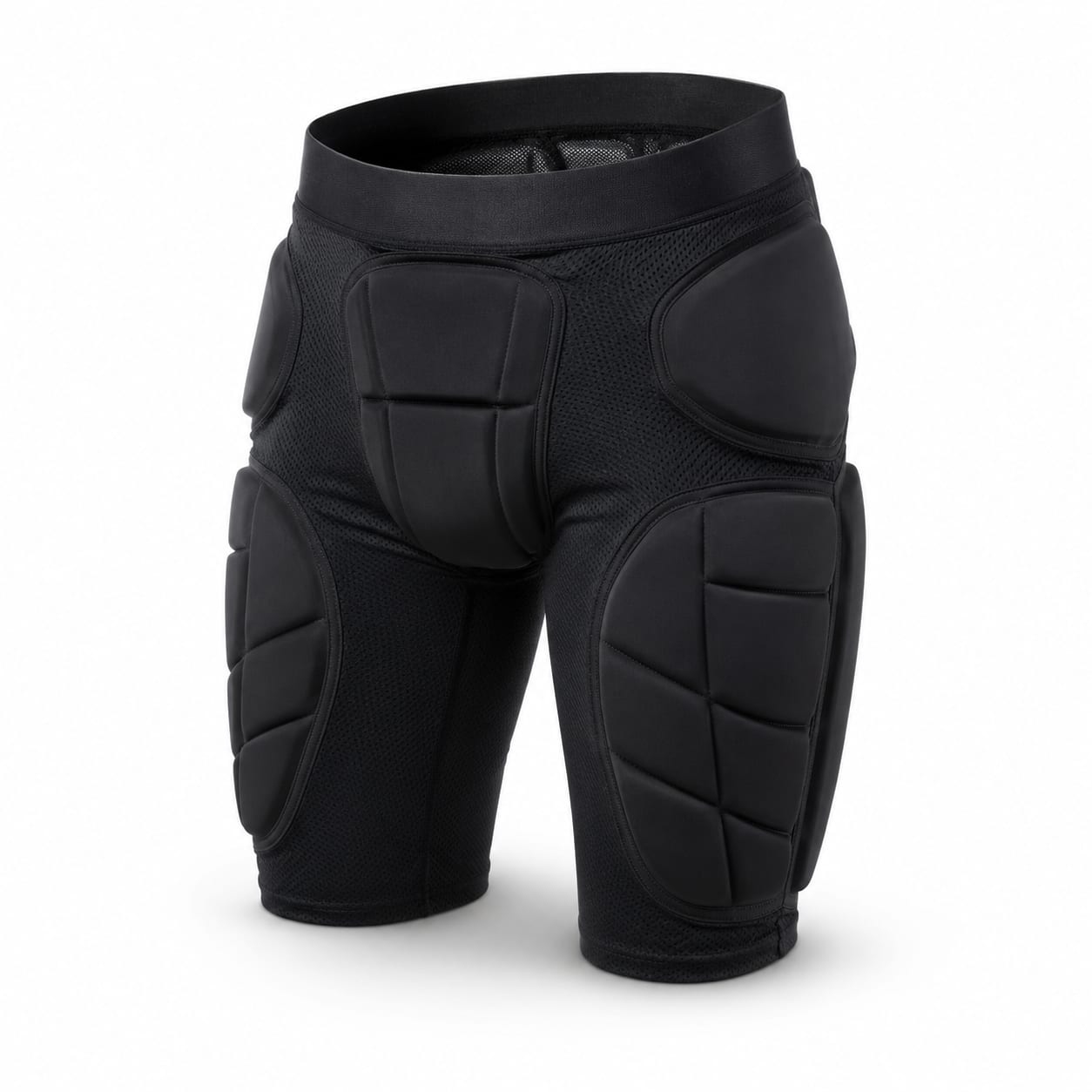
Impact Shorts / Crash Pants
$40 – $180
Full-length padded shorts providing multi-zone protection for hips, tailbone, and thighs.
Multi-zone paddingIntegrated short designRemovable or fixed pads
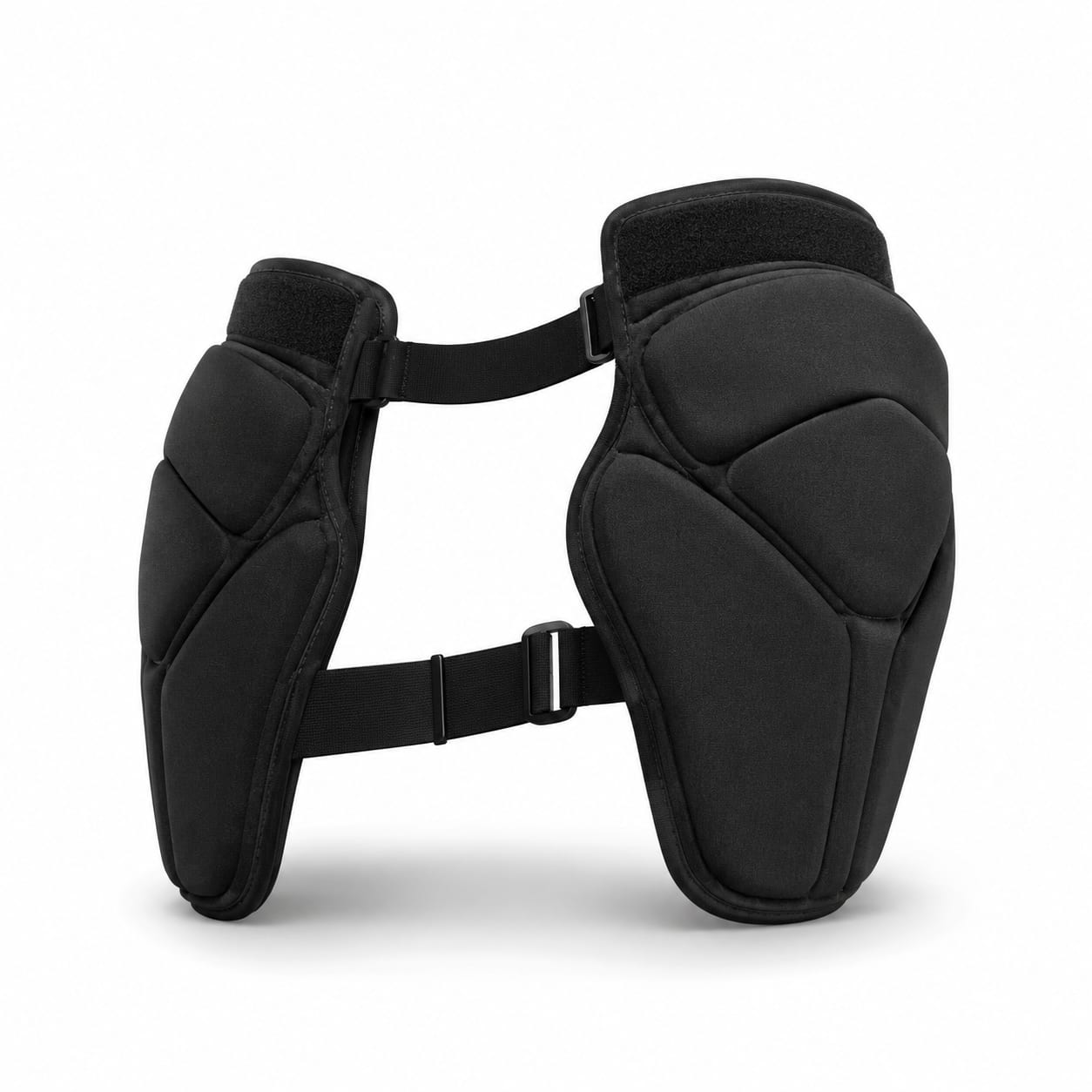
Standalone Hip Pads / Shields
$20 – $80
Individual hip pads that attach via straps or slip into compatible clothing pockets.
Hip-only coverageStrap-on or insert designLow profile
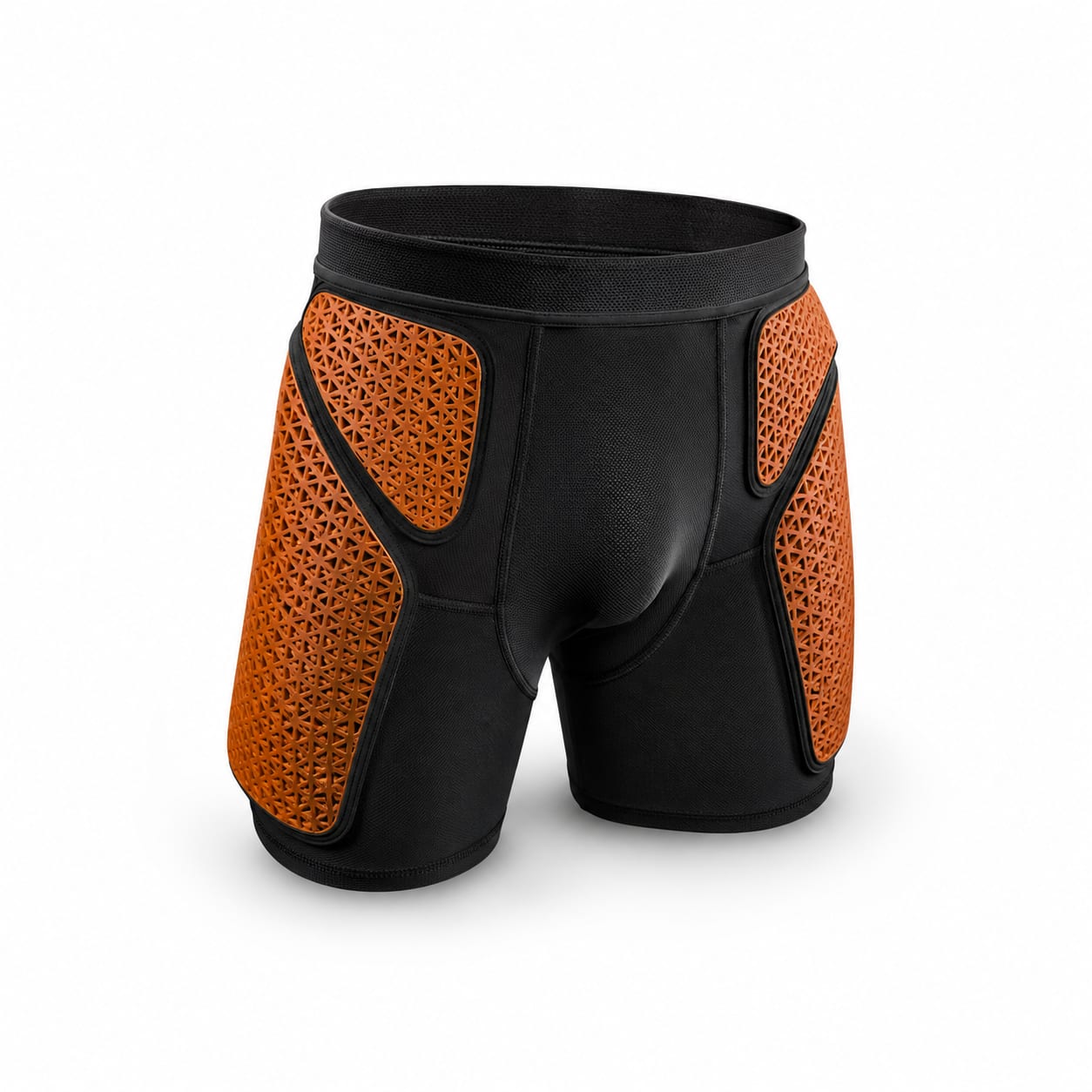
D3O / Smart Material Hip Protectors
$60 – $220
Hip protectors using reactive smart materials that remain flexible and harden instantly on impact.
Non-Newtonian reactive materialFlexible during wearInstant stiffening on impact
More questions
- Are soft foam hip protectors as effective as hard shell models?
- How do I know if my soft foam hip protector still provides adequate protection?
- Can I wear a soft foam hip protector under my regular ski pants?
- Why do women need gender-specific hip protectors?